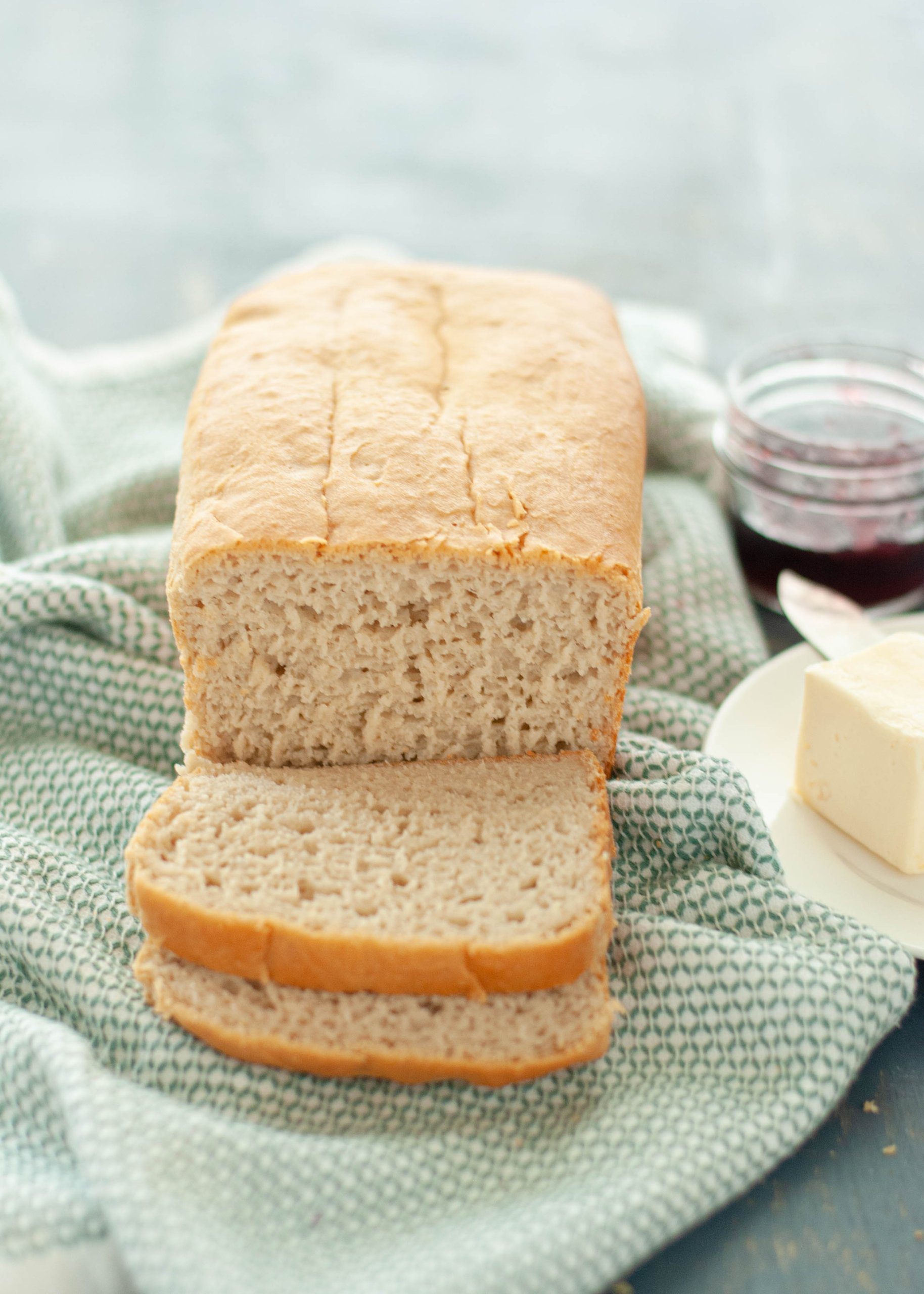
The Ultimate Guide to Effortless Gluten-Free Vegan Bread: Perfect Loaves Every Time
Mastering gluten-free and vegan bread baking can feel like an insurmountable challenge, often met with dense, crumbly, or gummy results. However, with the right understanding of ingredients and techniques, achieving a light, airy, and delicious loaf is entirely within reach. This comprehensive guide demystifies the process, providing practical advice and foundational knowledge to empower bakers of all levels to create exceptional gluten-free vegan bread. The key lies in understanding the unique properties of gluten-free flours and vegan binders and how they interact to create structure and texture in the absence of traditional gluten and animal products.
Gluten, a protein found in wheat, barley, and rye, provides elasticity and structure to conventional bread dough. It traps gases produced by yeast, allowing the dough to rise and creating the characteristic chewy texture. In gluten-free and vegan baking, replicating this function requires a thoughtful combination of alternative flours and binders. Gluten-free flours, such as rice flour, tapioca starch, potato starch, and sorghum flour, lack the inherent binding and elastic properties of gluten. They tend to absorb liquid differently, leading to potential dryness or gumminess if not balanced correctly. Similarly, vegan baking foregoes eggs, which typically contribute to binding, leavening, and richness. Therefore, the selection and proportion of each ingredient are paramount to success.
A well-balanced gluten-free flour blend is the cornerstone of excellent gluten-free vegan bread. Relying on a single gluten-free flour often results in an inferior texture. Commercial gluten-free flour blends are convenient, but understanding the components allows for customization and troubleshooting. Common ingredients in these blends include:
- Brown Rice Flour: Offers a slightly nutty flavor and good structure.
- White Rice Flour: Provides a neutral flavor and a lighter crumb but can be drier.
- Sorghum Flour: Adds a subtle sweetness and a tender texture, a valuable component for mimicking whole wheat flour.
- Millet Flour: Contributes to a slightly nutty flavor and good nutritional profile.
- Oat Flour (certified gluten-free): Offers a pleasant flavor and helps with moisture retention.
- Buckwheat Flour: Provides a robust, earthy flavor and is rich in nutrients, but should be used in moderation to avoid bitterness.
- Tapioca Starch (also called tapioca flour): Crucial for binding and creating a chewy texture. It also helps with browning.
- Potato Starch (not potato flour): Contributes to a soft crumb and acts as a binder.
- Cornstarch: Similar to tapioca and potato starch, it aids in binding and achieving a lighter texture.
- Arrowroot Starch: Another excellent binder, offering a neutral flavor and contributing to a tender crumb.
The ideal blend typically consists of a base flour (like rice or sorghum) and a combination of starches to provide lightness and binding. A common ratio might be 60-70% base flours to 30-40% starches. Experimenting with different combinations allows bakers to fine-tune the texture and flavor to their preferences. For instance, a blend higher in starches might yield a lighter loaf, while one with more sorghum or millet could offer a heartier, more flavorful bread.
Beyond the flour blend, binders are essential for holding the dough together and replicating the role of gluten and eggs. The most common and effective vegan binders for bread include:
- Psyllium Husk (whole or powder): This is a game-changer in gluten-free baking. Psyllium husk absorbs significant amounts of liquid, forming a gel that mimics gluten’s binding and elastic properties. It significantly improves the texture, chewiness, and sliceability of gluten-free bread. Using psyllium husk powder will generally require less than whole husk due to its finer texture and increased absorbency. It’s crucial to use the correct amount, as too little will result in a crumbly loaf, and too much can create a gummy texture.
- Flax Egg (ground flaxseed mixed with water): A simple and effective egg replacer. A standard flax egg is made by whisking 1 tablespoon of ground flaxseed with 3 tablespoons of water and letting it sit for 5-10 minutes until it forms a gel. This adds moisture, fat, and binding to the dough.
- Chia Egg (ground chia seeds mixed with water): Similar to a flax egg, chia seeds also form a gel when mixed with water and can be used as a binder.
- Xanthan Gum: While commonly used in commercial blends, many bakers prefer to limit its use or opt for psyllium husk as it can sometimes lead to a slightly gummy texture if overused. However, it is a powerful binder and leavening enhancer. If a blend doesn’t already contain xanthan gum, adding about ½ to 1 teaspoon per cup of flour blend is a general guideline, but always follow recipe recommendations.
Yeast is the leavening agent that gives bread its rise and characteristic airy texture. In gluten-free and vegan baking, yeast still plays a vital role, but it needs the right environment to thrive. Active dry yeast and instant yeast are both suitable. Active dry yeast requires proofing in warm liquid (water or plant milk) before being added to the dry ingredients, while instant yeast can often be added directly to the dry ingredients. The temperature of the liquid is crucial; too hot will kill the yeast, and too cold will prevent it from activating. Aim for a lukewarm temperature, around 105-115°F (40-46°C).
Sugar, whether granulated, maple syrup, or agave nectar, acts as food for the yeast, helping it to activate and produce carbon dioxide gas, which causes the dough to rise. It also contributes to browning and a slightly sweet flavor in the finished bread.
Fat, in the form of vegetable oil (such as canola, sunflower, or light olive oil) or vegan butter, is essential for moisture, tenderness, and flavor. It prevents the bread from becoming dry and crumbly and contributes to a softer crumb structure. The amount of fat can be adjusted to achieve desired richness.
Salt is not just for flavor; it also plays a crucial role in controlling yeast activity, strengthening the gluten structure (even in its absence, it aids in binding), and enhancing the overall flavor profile of the bread. Without sufficient salt, the bread can taste bland and the yeast may overact, leading to a collapsed loaf.
Liquid, typically unsweetened plant-based milk (almond, soy, oat) or water, hydrates the flours, activates the binders, and creates the dough. The amount of liquid can vary significantly depending on the specific flour blend and binders used. It’s often a case of adding liquid until the dough reaches the correct consistency – usually a thick batter rather than a kneadable dough.
The process of making gluten-free vegan bread differs from conventional bread baking. Since there’s no gluten to develop, extensive kneading is not required. In fact, over-mixing can sometimes be detrimental. The goal is to thoroughly combine the ingredients and allow the binders to work their magic.
Step-by-Step Guide to Effortless Gluten-Free Vegan Bread:
-
Activate the Yeast (if using active dry yeast): In a small bowl, combine lukewarm water or plant milk with a pinch of sugar. Sprinkle the active dry yeast over the surface and let it sit for 5-10 minutes until it becomes foamy and bubbly. If it doesn’t foam, the yeast is likely dead, and you’ll need to start again with fresh yeast.
-
Prepare the Wet Ingredients: In a larger bowl, whisk together the activated yeast mixture (or warm liquid if using instant yeast), remaining liquid, oil, sugar, and flax or chia egg (if using).
-
Combine Dry Ingredients: In a separate, large bowl, whisk together your gluten-free flour blend, psyllium husk (if not pre-mixed into the blend), salt, and any other dry seasonings. Ensuring these are thoroughly combined is crucial for even distribution.
-
Combine Wet and Dry: Pour the wet ingredients into the dry ingredients. Mix with a sturdy spoon or a stand mixer fitted with a paddle attachment. The dough will likely be very sticky and more like a thick batter or very soft dough, not a firm, elastic ball. Mix until just combined and no dry flour pockets remain. Over-mixing at this stage is generally not beneficial for gluten-free bread.
-
First Rise (Proofing): Cover the bowl with plastic wrap or a damp kitchen towel and let the dough rise in a warm, draft-free place for 30-60 minutes, or until it has visibly increased in volume. The exact time will depend on the temperature of your room and the activity of your yeast.
-
Shape the Loaf: Lightly grease a loaf pan or line it with parchment paper. Spoon the risen dough into the prepared pan. You may need to wet your hands or a spatula to help spread and smooth the top of the dough evenly. Unlike wheat-based doughs, you won’t be able to knead or shape gluten-free vegan dough into a smooth ball.
-
Second Rise (Optional but Recommended): Cover the loaf pan and let the dough rise again in a warm place for another 20-30 minutes. This second rise helps to develop a lighter texture.
-
Baking: Preheat your oven to 375°F (190°C). Place the loaf pan on a baking sheet to catch any potential drips. Bake for 30-50 minutes, depending on the size of the loaf and your oven. The bread is done when it’s golden brown on top and sounds hollow when tapped on the bottom. An internal temperature of 200-210°F (93-99°C) is also a good indicator of doneness. If the top is browning too quickly, you can loosely tent it with aluminum foil.
-
Cooling: This is a critical step for gluten-free and vegan bread. Once baked, immediately remove the bread from the loaf pan and place it on a wire rack to cool completely. Cutting into warm gluten-free bread can result in a gummy texture because the starches haven’t fully set. Allowing it to cool completely ensures a better crumb structure.
Troubleshooting Common Issues:
- Dry and Crumbly Bread: This often indicates insufficient binder (psyllium husk, flax/chia egg) or too much flour relative to liquid. Ensure your flour blend has enough starches and that you’re using the correct amount of binders. Sometimes, adding a little extra fat can also help with moisture.
- Gummy or Dense Bread: This can be caused by too much liquid, not enough binder, under-baking, or cutting into the bread too soon. Ensure you’re using the correct ratio of ingredients and that the bread is fully baked and cooled. Over-mixing can also contribute to gumminess in some recipes.
- Bread Collapses After Baking: This can be due to under-baking, too much yeast, or too much liquid. Ensure the bread is baked through and has reached the proper internal temperature. The cooling process is also important; a collapsed loaf might indicate it wasn’t fully set.
- Bread Doesn’t Rise: This is almost always an issue with the yeast. Ensure your yeast is fresh and that the liquid you used to activate it was lukewarm, not too hot or too cold. A warm, draft-free environment for rising is also essential.
Advanced Tips for Elevated Gluten-Free Vegan Bread:
- Pre-baking Flour: Some bakers find success by lightly toasting or pre-baking their gluten-free flours before combining them. This can help to develop a nuttier flavor and a slightly firmer structure.
- Fermentation and Sourdough: For those seeking more complex flavors and improved digestibility, gluten-free sourdough starters can be cultivated using gluten-free flours and water. This process requires patience and specific techniques but yields incredible results.
- Adding Seeds and Grains: Incorporate sunflower seeds, pumpkin seeds, flax seeds, or even cooked quinoa into the dough for added texture, flavor, and nutritional value.
- Steam Baking: Creating steam in the oven during the initial part of baking can help the crust develop beautifully and contribute to a lighter crumb. You can achieve this by placing a pan of hot water on the bottom rack of your oven.
- Hydration Levels: Pay close attention to the consistency of your dough. Gluten-free doughs are often wetter than traditional doughs. Recipes will guide you, but a general rule of thumb is a thick batter consistency.
The journey to perfect gluten-free vegan bread is one of experimentation and understanding. By focusing on the fundamental roles of each ingredient and adjusting techniques accordingly, any home baker can unlock the secrets to consistently delicious, satisfying, and remarkably easy gluten-free vegan loaves. From simple sandwich bread to more artisanal creations, the possibilities are endless.

