Unlocking Aquatic Aesthetics: The Comprehensive Guide to Aquarium Rock Planters
The integration of live aquatic plants within an aquarium landscape is a cornerstone of creating a visually stunning and biologically balanced ecosystem. While traditional pots and substrates serve their purpose, the aquarium rock planter emerges as a sophisticated and versatile solution, offering a unique blend of aesthetic appeal, plant support, and functional benefits. This article delves deep into the world of aquarium rock planters, exploring their design, materials, benefits, selection criteria, setup, maintenance, and their significant contribution to both the visual harmony and the health of your underwater realm. Understanding the nuances of these innovative planters is crucial for any aquarist seeking to elevate their aquatic display beyond the ordinary.
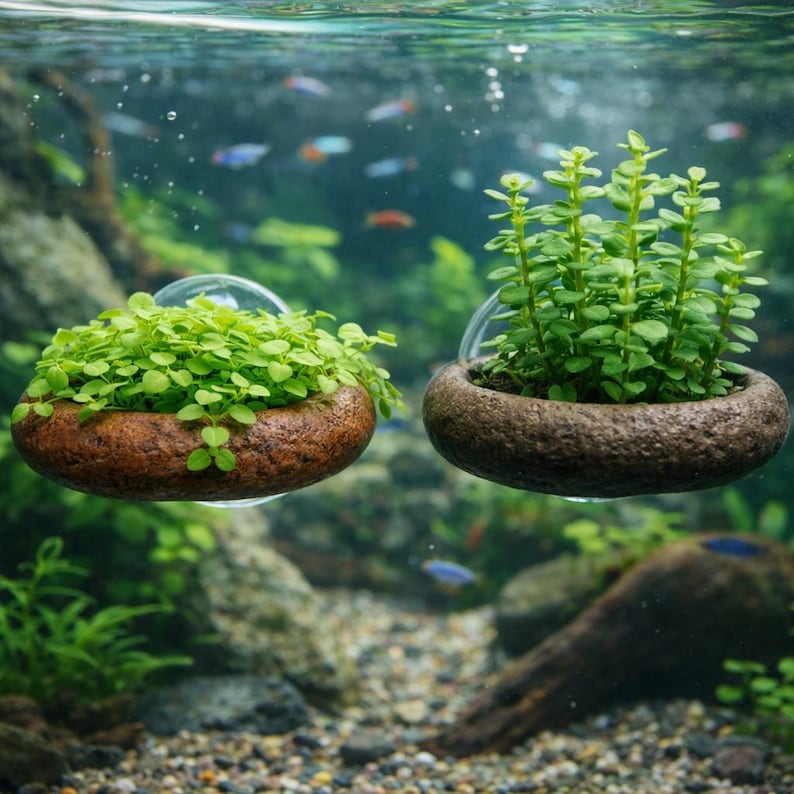
Aquarium rock planters are not merely decorative elements; they are meticulously designed structures that mimic natural rock formations while providing a secure and permeable medium for aquatic plants to anchor and thrive. Unlike conventional containers that can sometimes appear utilitarian, rock planters are engineered to seamlessly blend into the aquascape, enhancing the naturalistic feel of the aquarium. Their porous surfaces offer a multitude of benefits, including increased surface area for beneficial bacteria colonization, improved water circulation, and a stable environment for plant roots. The aesthetic advantage is undeniable, as they contribute to a layered and textured underwater landscape, reminiscent of natural riverbeds, rocky outcrops, or underwater caves. The visual depth and complexity they introduce can transform a static aquarium into a dynamic and engaging miniature world, captivating the viewer with its intricate beauty.
The materials used in the construction of aquarium rock planters are as diverse as the aquascaping styles they support. Terracotta and fired clay remain popular choices due to their natural look, porous nature, and affordability. These materials allow for excellent root aeration and provide a substrate for beneficial bacteria to colonize, contributing to improved water quality. However, terracotta can sometimes leach minerals, which might be undesirable for aquariums with specific water chemistry requirements. Ceramic, often glazed or unglazed, offers a more durable and aesthetically consistent option. Glazed ceramics can provide a smooth, non-porous surface, which is easier to clean but offers less surface area for bacterial growth. Unglazed ceramic, on the other hand, retains the porous qualities of terracotta, making it an excellent choice for plant roots and bacterial colonization. Resin-based planters are another common and versatile option. These are often molded into intricate rock shapes, offering a wide range of designs and colors. Resin is generally inert and will not leach harmful substances into the water. However, it’s crucial to ensure the resin is aquarium-safe and free of any additives that could impact water parameters. Some high-end planters are crafted from natural rocks, such as lava rock or porous sedimentary rocks, that have been carefully selected and shaped. These offer the ultimate in naturalistic appeal and provide a truly authentic environment for plants. The key consideration when choosing a material is its inertness and its impact on water chemistry. Any material that could significantly alter pH, hardness, or introduce toxins must be avoided.
The advantages of incorporating aquarium rock planters into your aquascape are multifaceted and extend beyond mere decoration. Firstly, they provide a superior anchoring system for epiphytic plants like Anubias, Java Fern, and various mosses. These plants, which do not typically root in substrate, can be securely attached to the porous surfaces of the rock planter, allowing their roots to access nutrients and oxygen while their leaves remain exposed for optimal photosynthesis. This eliminates the need for unsightly fishing line or glue, presenting a cleaner and more natural appearance. Secondly, the porous nature of many rock planters fosters the growth of beneficial bacteria. These microorganisms play a vital role in the nitrogen cycle, converting toxic ammonia and nitrite into less harmful nitrate. A larger surface area for bacterial colonization translates to a more stable and healthy aquarium environment, reducing the risk of fish stress and disease. Thirdly, rock planters can act as natural diffusers, promoting subtle water circulation around the plant roots. This enhanced circulation prevents stagnant water zones, which can lead to root rot and the buildup of undesirable organic matter. Improved water flow also ensures that nutrients are readily available to the plants. Fourthly, the layered and multi-dimensional structure of rock planters allows for creative aquascaping. They can be used to create natural-looking caves, ledges, and elevated planting areas, adding depth and visual interest to the aquarium. This ability to sculpt the aquascape in three dimensions opens up a world of design possibilities, from recreating miniature Japanese gardens to mimicking the rugged beauty of a mountain stream. Finally, by providing a stable and secure environment for plants, rock planters can contribute to a reduction in substrate disturbance. This is particularly beneficial in aquariums with delicate substrates or species that tend to uproot plants, promoting a cleaner and more visually appealing tank.
Selecting the appropriate aquarium rock planter involves a careful consideration of several factors, ensuring both the aesthetic goals and the biological needs of your aquarium are met. The size of the planter should be proportionate to the overall dimensions of your aquarium. A large planter in a small tank can overwhelm the space, while a small planter in a large tank might appear insignificant. Consider the available planting space and the growth habits of the plants you intend to house. The design and shape of the planter are paramount to achieving your desired aquascape. Do you envision a rugged, naturalistic look, or a more minimalist and modern aesthetic? Rock planters come in a variety of shapes, including stacked formations, hollow caves, flat ledges, and branching structures. Experiment with different designs to find one that complements your existing aquascape or inspires a new vision. The material, as discussed earlier, is a critical factor. Prioritize inert materials that will not negatively impact your water chemistry. If you have sensitive fish or invertebrates, or if you are striving for specific water parameters, research the material’s potential effects thoroughly. The intended plant species will also influence your choice. For plants that require extensive root development, a planter with ample internal space and good porosity is essential. For epiphytic plants that will be attached to the exterior, a planter with a textured surface is ideal. Finally, consider the ease of maintenance. Some planters have intricate designs that can be challenging to clean, while others offer simpler forms that are easier to access for routine maintenance.
Setting up an aquarium rock planter is a straightforward process that requires attention to detail to ensure optimal plant growth and aesthetic integration. Before introducing the planter into your aquarium, it’s advisable to rinse it thoroughly with clean, dechlorinated water to remove any dust or manufacturing residues. If you are using a porous material like terracotta or unglazed ceramic, a pre-soaking in dechlorinated water for a few hours can help to saturate the material and prevent it from absorbing excessive nutrients from your aquarium water initially. Position the rock planter in your desired location within the aquarium. Consider the overall aquascape, the available lighting, and the flow of water. Placing planters in areas with good water circulation will benefit plant roots. For planters that will be filled with substrate, gently add your chosen aquarium substrate around and within the planter. Ensure the substrate is not packed too tightly, allowing for root penetration and water flow. For epiphytic plants, attach them to the exterior surfaces using aquarium-safe glue, fishing line, or cotton thread. Gently position the plant’s roots against the planter and secure it. Avoid covering the plant’s crown or rhizome. Once the planter is in place and any plants are secured, carefully fill the aquarium with dechlorinated water. Monitor the water parameters closely in the initial days after setup to ensure stability.
The maintenance of aquarium rock planters is essential for the long-term health of your aquatic plants and the overall balance of your aquarium ecosystem. Regular cleaning of the planter’s exterior is important to prevent the buildup of algae and detritus. A soft brush or sponge can be used for this purpose. If algae growth is persistent, consider introducing algae-eating invertebrates like snails or shrimp, which will naturally help to keep the planter surfaces clean. For planters filled with substrate, monitor the substrate levels and replenish as needed. Avoid disturbing the roots of your plants excessively during maintenance. If you notice any signs of root rot or disease on your plants, address them promptly by removing affected plant material and improving water circulation or nutrient levels. Pruning your aquatic plants regularly will not only keep them looking tidy but also encourage bushier growth and prevent overcrowding. This can be done using aquarium-safe scissors. Regular water changes are crucial for replenishing nutrients and removing waste products. During water changes, you can also inspect the rock planter for any signs of damage or degradation. If you notice any issues with the planter itself, such as cracking or crumbling, it may need to be replaced to maintain the integrity of your aquascape and prevent potential hazards.
In conclusion, the aquarium rock planter represents a significant advancement in aquascaping design and plant cultivation. Its ability to seamlessly integrate naturalistic aesthetics with functional benefits makes it an indispensable tool for aquarists seeking to create thriving and visually captivating underwater environments. From providing secure anchoring for epiphytic plants and fostering beneficial bacteria colonization to enhancing water circulation and enabling creative aquascaping, the rock planter offers a holistic approach to aquatic plant care. By understanding the materials, selection criteria, setup, and maintenance requirements, aquarists can unlock the full potential of these versatile planters, transforming their aquariums into miniature underwater masterpieces that are as biologically sound as they are aesthetically breathtaking. The strategic incorporation of aquarium rock planters is not just about adding a decorative element; it is about cultivating a more dynamic, healthy, and visually engaging aquatic ecosystem, enriching the experience for both the aquarist and the inhabitants of the aquarium.

