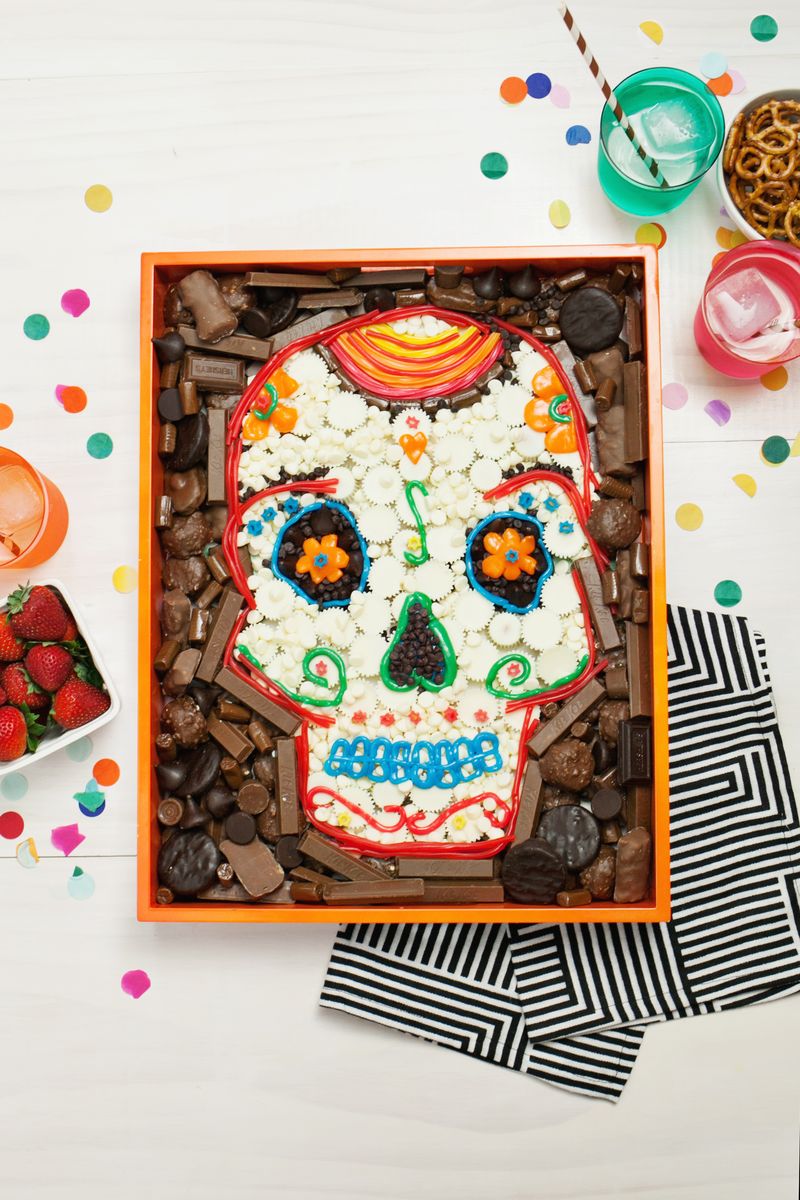
Day of the Dead Candy Skull Platter Sugar Overload
The visually arresting spectacle of ofrendas (altars) during Día de Muertos celebrations is a cornerstone of this deeply meaningful Mexican tradition. While the primary purpose of these altars is to honor and remember deceased loved ones, inviting their spirits back for a festive reunion, a vibrant and often overlooked element is the generous inclusion of dulces (sweets). Among the most iconic and visually captivating of these are calaveras de azúcar (sugar skulls). The concept of a "Day of the Dead Candy Skull Platter Sugar Overload" encapsulates the abundance, the artistry, and the sheer celebratory spirit that sweets, particularly sugar skulls, bring to this cherished holiday. It speaks to a deliberate and joyful excess, a visual and gustatory outpouring of affection and remembrance. This article will delve into the multifaceted world of Día de Muerto sugar skulls, exploring their historical roots, their intricate creation process, their symbolic significance, and the contemporary phenomenon of the "sugar overload" platters that have become a modern hallmark of the celebration, particularly from an SEO perspective, ensuring keywords are strategically integrated to maximize visibility.
The origins of sugar artistry in Mexico are inextricably linked to the arrival of sugar cane by Spanish colonists in the 16th century. Before this, indigenous populations utilized natural sweeteners like agave nectar and fruits. However, with the introduction of European sugar, a new era of confectionery began. The Catholic tradition of celebrating All Saints’ Day (November 1st) and All Souls’ Day (November 2nd), coinciding with indigenous practices of honoring the departed, provided fertile ground for the fusion of cultural elements. Early forms of sugar figures were likely religious in nature, created by monks in monasteries. The practice of crafting sugar skulls, specifically for Día de Muertos, evolved over centuries, becoming deeply embedded in the folk art and culinary traditions of Mexico. The ingenuity of using readily available materials – sugar, water, and meringue powder or egg whites – to create such intricate and ephemeral art forms is a testament to Mexican creativity and resourcefulness. The visual impact of these edible sculptures, often adorned with vibrant colors and delicate details, transformed simple sweets into profound expressions of cultural identity and spiritual connection. Understanding this historical trajectory is crucial for appreciating the modern "sugar overload" as an amplification of a long-standing tradition.
The meticulous process of crafting a sugar skull is where the artistry truly shines. It begins with a simple mixture of finely granulated sugar and meringue powder (or traditionally, egg whites) to create a paste that can be molded. This paste is then pressed into specialized skull-shaped molds, often made from clay or plaster. The molds are typically two-part, allowing for the creation of both halves of the skull. Once pressed and dried slightly to firm up, the two halves are joined together, often with a sticky sugar paste or a simple sugar syrup, creating a hollow, three-dimensional form. The drying process is critical, ensuring the skull is sturdy enough to be decorated without collapsing. This stage requires patience and optimal humidity levels. The true magic happens during the decoration phase. Artisans use brightly colored royal icing, a mixture of powdered sugar and egg whites, to meticulously paint designs onto the surface of the sugar skulls. This is where the individual personality of each skull emerges. Intricate floral patterns, swirling vines, geometric shapes, and even personalized names or epitaphs are common. Edible glitter, vibrant food dyes, and sometimes even small foil or paper embellishments add further layers of visual appeal. The resulting sugar skulls are not merely confectionery; they are miniature works of art, each with a unique character and story. The phrase "Day of the Dead Candy Skull Platter Sugar Overload" hints at the sheer volume and variety of these individually crafted pieces coming together.
Symbolism permeates every aspect of Día de Muerto, and sugar skulls are no exception. The skull itself, a universal symbol of mortality, is embraced not as a harbinger of fear, but as a reminder of life’s cyclical nature and the inevitability of death. In the context of Día de Muertos, the sugar skull is a playful and affectionate acknowledgment of this truth. The vibrant colors and decorative elements are not merely aesthetic choices; they represent the joy, life, and memories associated with the departed. Instead of mourning a grim end, the brightly decorated sugar skull celebrates the vibrant life that was lived. The practice of writing names on the skulls, whether it be the names of the living or the deceased, further solidifies this connection. It’s a direct engagement with mortality, transforming a potentially somber subject into something approachable, even celebratory. The ephemeral nature of the sugar skull itself, meant to be consumed or to eventually dissolve, also mirrors the transient nature of life. From an SEO perspective, understanding these symbolic keywords – "sugar skull symbolism," "Día de Muerto meaning," "sugar skull art," and "Mexican folk art" – is paramount.
The modern phenomenon of the "Day of the Dead Candy Skull Platter Sugar Overload" is a fascinating evolution of these traditions. While historically sugar skulls were a more direct offering on ofrendas, contemporary celebrations often feature platters piled high with an abundant and visually striking assortment of these confections. These platters are not just about quantity; they are curated displays of artistry and color, designed to create a powerful visual impact. They serve as focal points on tables, at parties, and as decorative elements in homes. The "sugar overload" concept emphasizes the sheer joy and generosity associated with the holiday. It’s an expression of abundance, a lavish offering to honor the spirits and to share in the collective remembrance. This trend has also been fueled by the global popularity of Día de Muertos, leading to increased production and a wider variety of sugar skull designs, catering to diverse tastes and aesthetics. Businesses and artisans are now producing sugar skulls in mass quantities, alongside handmade, artisanal creations. The accessibility and visual appeal of these platters have made them a key component of modern Día de Muertos celebrations, both in Mexico and internationally. Keywords like "Day of the Dead platter ideas," "sugar skull candy buffet," "Mexican candy wholesale," and "decorative sugar skulls" become highly relevant here.
From a culinary perspective, the sugar skull platter represents a decadent indulgence. The primary ingredient, sugar, is transformed into a delightful treat that appeals to both the eyes and the palate. While the visual appeal is often the initial draw, the taste is equally important. The sweetness of the sugar, combined with the sometimes subtle flavor of the royal icing, creates a satisfying confection. The texture, a slightly crunchy yet yielding sugar form, adds another sensory dimension. The "overload" aspect suggests a conscious decision to embrace the sweetness, to revel in the rich flavors that are synonymous with celebration. This aspect is crucial for SEO terms like "Day of the Dead sweets," "Mexican sugar candy," "edible sugar skulls," and "gourmet sugar skulls." The quality and flavor profiles of the sugar used, and the skillful application of the icing, contribute to the overall desirability of these platters.
The commercialization and globalization of Día de Muertos have undoubtedly contributed to the rise of the "sugar overload" platter. As the holiday gains wider recognition, demand for its associated imagery and products increases. This has led to a surge in the production and sale of sugar skulls, both by traditional artisans and by larger confectionery companies. The visual impact of these overloaded platters makes them highly shareable on social media platforms, further amplifying their popularity. This social media presence creates a powerful feedback loop, driving more interest and, consequently, more demand. For SEO, understanding this digital footprint is vital. Keywords related to social media trends, such as "#diadelosmuertos," "#sugarskull," and "#diadelosmuertscandy," are indirectly influential. Furthermore, the accessibility of these products online has made it easier for consumers worldwide to participate in this aspect of the celebration, leading to a broader market for "Day of the Dead decorations online" and "buy sugar skulls."
Beyond the purely celebratory aspect, the sugar skull platter also offers a platform for artistic expression and cultural education. The diverse range of designs found on contemporary sugar skulls reflects the evolving artistic landscape of Mexico. From traditional motifs to more contemporary interpretations, these skulls showcase the creativity and skill of their makers. The "sugar overload" platter, with its array of unique designs, can serve as a visual catalog of these artistic variations. For those unfamiliar with the tradition, these platters can also act as an accessible entry point into understanding the broader cultural significance of Día de Muertos. The vibrant colors and whimsical nature of the sugar skulls can pique interest, encouraging further exploration of the holiday’s deeper meanings and historical context. This educational potential is valuable for SEO, targeting searches related to "learn about Day of the Dead," "cultural celebrations Mexico," and "Mexican folk art explained."
The meticulous craftsmanship involved in creating individual sugar skulls, even when presented in an "overload" format, deserves recognition. Each skull, regardless of its placement on a grand platter, is a testament to the skill and dedication of the artisan. The precision of the icing work, the careful application of colors, and the overall aesthetic appeal highlight the artistic merit of these edible creations. When considering the "sugar overload," it’s important to remember that it’s a collective of individual masterpieces contributing to a larger, overwhelming, yet harmonious visual experience. This speaks to SEO opportunities around "handmade sugar skulls," "artisanal Mexican candy," and "custom sugar skull designs." The value proposition lies not just in the volume, but in the quality and artistry of each individual component.
The environmental and ethical considerations surrounding the production of sugar skulls are also becoming increasingly relevant. As demand grows, sustainable sourcing of ingredients and ethical labor practices in the manufacturing process are important aspects to consider, though often overlooked in the initial visual spectacle. While this might not be a primary SEO driver for the "sugar overload" concept itself, it is an emerging area of interest for conscientious consumers and businesses, leading to potential searches for "ethical Mexican candy" or "sustainable sugar skull production."
In conclusion, the "Day of the Dead Candy Skull Platter Sugar Overload" is a multifaceted phenomenon that encapsulates the vibrant spirit, artistic ingenuity, and deep cultural significance of Día de Muertos. It represents a joyous embrace of mortality, a celebration of life, and an abundant expression of love and remembrance. From its historical roots in Mexican confectionery to its contemporary manifestation as a visually stunning culinary spectacle, the sugar skull platter continues to captivate and delight. Its appeal lies in the intricate artistry, the rich symbolism, the decadent sweetness, and the sheer, unadulterated joy it embodies. For SEO purposes, understanding the nuanced layers of this tradition – from its historical origins and artistic creation to its symbolic meaning and modern commercial appeal – is crucial for creating compelling content that resonates with a broad audience seeking information and engagement with this beloved holiday. The keywords explored throughout this article – encompassing artistry, tradition, symbolism, culinary aspects, and commercial trends – are essential for maximizing visibility and driving traffic to relevant resources and products. The "sugar overload" is not merely about excess; it is about an amplified, visually arresting, and deeply meaningful celebration of life and memory, conveyed through the irresistible charm of the sugar skull.
