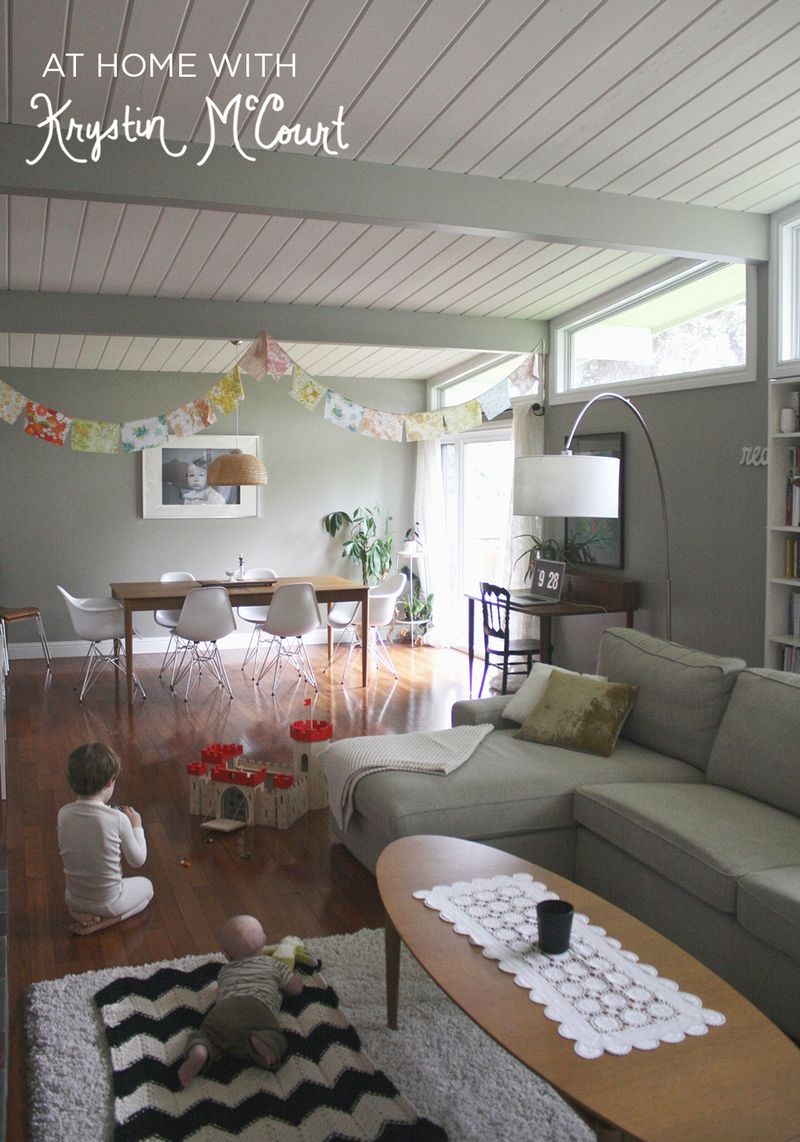
At Home with Krystin McCourt: A Deep Dive into Her Style, Philosophy, and Home Design
Krystin McCourt, a recognized figure in the lifestyle and home decor space, has cultivated a distinct aesthetic that resonates with many seeking inspiration for their personal environments. Her approach to "at home" living is not merely about curated spaces but a holistic philosophy that blends functionality, personality, and an underlying sense of well-being. This article will explore the multifaceted aspects of Krystin McCourt’s home life, dissecting her design choices, the principles guiding her selections, and the impact of her philosophy on creating a harmonious living experience. Understanding Krystin McCourt’s "at home" ethos provides valuable insights for individuals looking to infuse their own residences with intention and personal style, ultimately transforming living spaces into sanctuaries that reflect their occupants.
McCourt’s design philosophy is characterized by a deliberate emphasis on comfort and a lived-in feel. This is a stark contrast to sterile, overly polished interiors often showcased in media. Instead, her spaces exude warmth and accessibility, inviting occupants and guests alike to relax and feel at ease. This focus on comfort is achieved through a thoughtful selection of materials and textures. Think plush throws draped over sofas, an abundance of soft cushions, and natural fibers like linen, cotton, and wool incorporated into rugs, upholstery, and drapery. The tactile quality of these elements is paramount, contributing to a sensory experience that prioritizes relaxation and coziness. This is not a superficial layering of decorative items; it’s a strategic integration of elements that promote physical and emotional comfort. For instance, a chunky knit throw isn’t just an accessory; it’s an invitation to snuggle up with a book or a cup of tea, actively enhancing the utility of the living space. Similarly, the choice of a linen duvet cover over a synthetic alternative speaks to a desire for breathability and a softer, more natural feel against the skin, crucial for promoting restful sleep and an overall sense of well-being.
Color palettes play a significant role in McCourt’s atmospheric approach to home design. She often favors a neutral base, utilizing shades of cream, beige, soft grey, and muted earth tones. This deliberate choice creates a serene and calming backdrop, allowing other elements within the space to take center stage without competing for attention. However, these neutral palettes are far from monotonous. They are enlivened through strategic pops of accent colors, often derived from nature. Deep greens, soft blues, and warm terracotta hues can be introduced through artwork, decorative accessories, or even the strategic placement of plants. These subtle injections of color prevent the spaces from feeling sterile and introduce a sense of personality and vibrancy, echoing the colors found in natural landscapes. This approach allows for a timeless quality to her designs; the neutral foundation ensures longevity and adaptability, while the carefully chosen accents provide opportunities for seasonal updates or personal expression without requiring a complete overhaul. The strategic use of these colors also contributes to the psychological impact of a space, fostering feelings of tranquility and grounding.
The concept of intentionality is central to Krystin McCourt’s "at home" philosophy. Every item, from a treasured antique to a functional piece of everyday furniture, appears to have a purpose and a story. This is a departure from minimalist trends that sometimes prioritize emptiness over personal narrative. McCourt embraces the idea that a home should be a reflection of its inhabitants’ lives, their experiences, and their passions. This translates into displaying personal photographs, curated collections of books, meaningful art pieces, and souvenirs from travels. These elements are not haphazardly placed but are integrated thoughtfully, creating layers of visual interest and personal connection. This approach encourages a deeper engagement with one’s living space, transforming it from a mere dwelling into a repository of memories and a source of daily inspiration. The narrative embedded within these objects enriches the home environment, making it feel authentic and deeply personal. It’s about curating a life lived, not just decorating a house.
Furthermore, McCourt often incorporates elements that promote a connection with nature within her home environments. This might manifest in the form of abundant houseplants, bringing life, color, and improved air quality into interior spaces. The presence of greenery can have a profound impact on mood and well-being, creating a sense of tranquility and a subtle link to the outdoors. Beyond potted plants, this connection to nature is also evident in the choice of natural materials, as previously mentioned. Unfinished wood, stone accents, and materials that retain their inherent irregularities contribute to an organic and grounded aesthetic. Large windows that maximize natural light and offer views of the surrounding landscape are also often a priority, further blurring the lines between indoor and outdoor living. This biophilic design approach, consciously or unconsciously employed, taps into an innate human need for connection with the natural world, fostering a sense of peace and rejuvenation.
The functional aspect of a home is not overlooked in McCourt’s design. While aesthetics are important, her spaces are undeniably lived-in and practical. This means furniture is chosen not only for its visual appeal but also for its comfort and durability. Storage solutions are often seamlessly integrated, ensuring that clutter is managed without sacrificing style. Open shelving might be used to display decorative items, while closed cabinets keep less aesthetically pleasing necessities out of sight. The layout of rooms is also considered to promote a natural flow and accessibility, facilitating daily routines and interactions. This pragmatic approach ensures that a beautiful home is also a usable and enjoyable home, catering to the demands of everyday life. The concept of "beautifully functional" is a cornerstone, where every element serves a dual purpose, enhancing both the aesthetic appeal and the practical utility of the space. This meticulous attention to detail ensures that the home is a sanctuary that supports, rather than hinders, the lives of its occupants.
McCourt’s influence extends to her ability to blend various design styles into a cohesive and harmonious whole. Her interiors often exhibit a sophisticated eclecticism, drawing inspiration from traditional, modern, and bohemian aesthetics. The key to this successful fusion lies in her discerning eye for balance and proportion. A vintage armchair might be paired with a contemporary lamp, or a collection of abstract art might be hung alongside more traditional landscape paintings. The common thread that binds these disparate elements is her consistent use of color, texture, and an underlying sense of calm. This ability to mix and match, while maintaining a clear design vision, offers valuable lessons for individuals looking to incorporate a variety of pieces into their own homes without creating a visually jarring effect. It’s about finding common ground between seemingly unrelated items and allowing them to converse within a well-defined framework. This approach encourages personalization and allows for the inclusion of cherished items from different periods and influences.
The role of lighting in McCourt’s "at home" designs is crucial in shaping the ambiance. She often utilizes a layered lighting approach, combining ambient, task, and accent lighting to create warmth and depth. Soft, diffused ambient light, often from floor lamps with fabric shades or strategically placed table lamps, sets a welcoming tone. Task lighting, such as pendant lights over kitchen islands or reading lamps beside armchairs, ensures functionality. Accent lighting is used to highlight artwork, architectural features, or plants, adding visual interest and creating focal points. The choice of warm-toned bulbs is almost always preferred, contributing to a cozy and inviting atmosphere. This careful manipulation of light transforms spaces, allowing them to adapt to different times of day and moods, further enhancing their livability and sensory appeal. The interplay of light and shadow is employed to create atmosphere and emphasize textures, adding a dimension of sophistication to the overall design.
Krystin McCourt’s emphasis on creating a sanctuary extends beyond the purely visual. Her philosophy often hints at the importance of creating spaces that foster mental and emotional well-being. This can be achieved through the integration of elements that encourage mindfulness, relaxation, and connection. Perhaps a dedicated reading nook bathed in natural light, a space for meditation or yoga, or simply a comfortable corner designed for quiet reflection. The concept of decluttering, not in an extreme minimalist sense, but in a way that removes visual noise and allows for mental clarity, is also implicitly present. By curating her surroundings thoughtfully, McCourt demonstrates how our living spaces can actively contribute to our overall happiness and stress reduction. This intentional creation of a calm and nurturing environment is a testament to the power of design to influence our inner lives. It’s about designing a home that supports a balanced and fulfilling lifestyle, rather than just a visually appealing one.
The accessibility of Krystin McCourt’s design approach is a key factor in its widespread appeal. While her spaces are undeniably stylish and thoughtfully executed, they do not feel unattainable. She often shares insights and inspiration that can be adapted and applied by individuals with varying budgets and design skill levels. Her philosophy encourages personalization and resourcefulness, suggesting that beautiful homes can be created through a combination of smart purchases, thoughtful curation of existing items, and a willingness to inject one’s own personality into the space. This empowers individuals to take control of their home environments and create spaces that truly reflect their unique identities and lifestyles, fostering a sense of ownership and pride in their personal sanctuaries. This democratizing aspect of her influence makes her "at home" philosophy a valuable resource for anyone seeking to enhance their living experience.
In conclusion, "At Home with Krystin McCourt" signifies more than just a collection of aesthetically pleasing interiors; it represents a profound philosophy of living that prioritizes comfort, personality, connection to nature, and intentionality. Her approach offers a compelling alternative to fleeting design trends, advocating for the creation of timeless, lived-in spaces that nurture well-being and reflect the unique stories of their inhabitants. By dissecting her design choices, from color palettes and material selections to the integration of personal objects and the importance of natural light, a clear understanding emerges of how to cultivate a truly harmonious and inspiring home environment. McCourt’s influence lies in her ability to demonstrate that a home is not merely a structure but a dynamic extension of oneself, a place where life is lived, cherished, and celebrated. Her accessible yet sophisticated approach empowers individuals to transform their own residences into personalized sanctuaries, fostering a deeper connection to their surroundings and ultimately enriching their overall quality of life.
