
Understanding Vaginal Discharge: What’s Normal and When to Seek Medical Help
Vaginal discharge is a natural and healthy bodily function for individuals with a vagina. It serves essential roles in maintaining vaginal health, lubrication, and cleansing. However, changes in its color, consistency, odor, or quantity can signal underlying issues, ranging from normal physiological fluctuations to infections or other health concerns requiring medical attention. A thorough understanding of what constitutes normal discharge versus what warrants a doctor’s visit is crucial for reproductive health management.
The Physiology of Vaginal Discharge
The vagina is a dynamic environment, constantly producing discharge through the shedding of cells from its lining and the secretion of fluids from glands within the cervix and vaginal walls. This discharge, often referred to as vaginal fluid, is a complex mixture of water, mucus, proteins, electrolytes, and beneficial bacteria, predominantly Lactobacillus species. These bacteria play a critical role in maintaining the vagina’s acidic pH (typically between 3.8 and 4.5), which inhibits the growth of harmful pathogens. The amount and characteristics of this discharge can fluctuate significantly throughout the menstrual cycle due to hormonal changes, particularly estrogen levels.
Characteristics of Normal Vaginal Discharge
Normal vaginal discharge, medically known as physiological leukorrhea, is typically:
- Colorless to milky white: Fresh discharge may appear clear, while slight oxidation upon exposure to air can lend it a cloudy or milky white appearance.
- Thin to thick, and slightly sticky: Consistency can vary. During ovulation, it tends to become thinner, clearer, and more egg-white-like, facilitating sperm transport. In the luteal phase (after ovulation), it may become thicker and stickier.
- Odorless or has a mild, slightly musky odor: The odor is generally subtle and not offensive.
- Moderate in quantity: The amount can range from a few drops to a tablespoon or more per day, varying significantly among individuals and throughout the menstrual cycle. Some individuals may notice more discharge during certain phases or when sexually aroused.
Factors Influencing Normal Discharge:
Several physiological factors can influence the characteristics of normal vaginal discharge:
- Menstrual Cycle: As mentioned, hormonal fluctuations are the primary driver.
- Menstruation: During menstruation, blood can mask or mix with the discharge.
- Follicular Phase (pre-ovulation): Discharge is often scant and thick.
- Ovulation: Estrogen levels peak, leading to increased production of thin, clear, stretchy, and abundant discharge, often described as "egg-white cervical mucus."
- Luteal Phase (post-ovulation): Progesterone becomes dominant, making the discharge thicker, less copious, and sometimes more opaque.
- Sexual Arousal: Increased blood flow to the vaginal tissues during arousal leads to increased lubrication and a more watery discharge to facilitate intercourse.
- Pregnancy: Hormonal changes during pregnancy can lead to a noticeable increase in discharge, which is typically thin, milky, and odorless. This is normal and helps protect the birth canal from infection.
- Birth Control: Hormonal contraceptives (pills, patches, rings, implants, injections) can alter discharge patterns. Some may cause dryness, while others might increase discharge.
- Lactation (Breastfeeding): Estrogen levels are lower during breastfeeding, which can lead to vaginal dryness and reduced discharge.
When to Seek Medical Attention: Red Flags
While variations in discharge are normal, significant changes can indicate an infection or other medical condition. It is crucial to consult a healthcare provider if you experience any of the following:
1. Changes in Color:
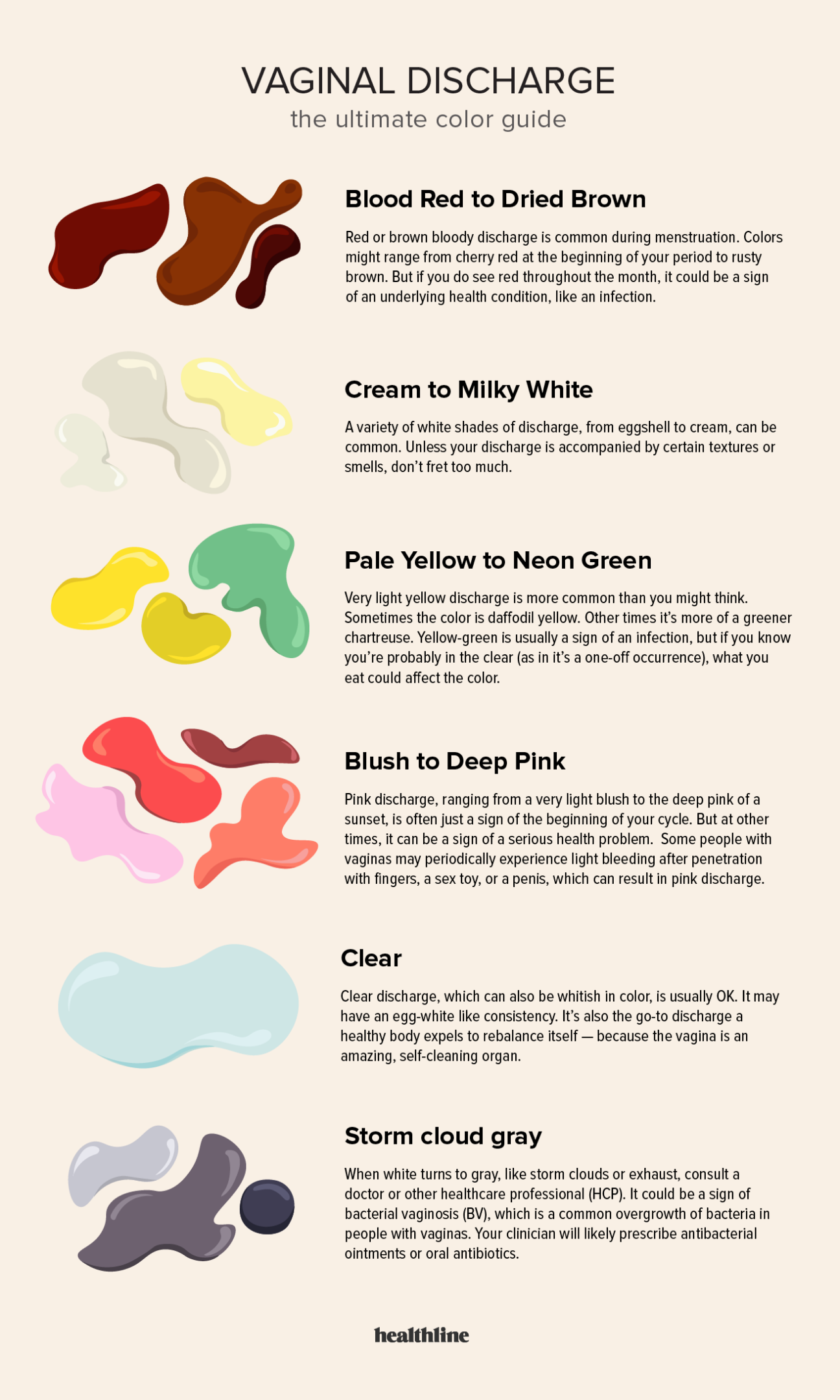
- Yellow or Green Discharge: This is often a sign of infection, particularly bacterial vaginosis (BV) or trichomoniasis. BV discharge is typically grayish-white and has a fishy odor, while trichomoniasis discharge can be frothy, yellowish-green, and associated with itching and irritation.
- Gray Discharge: Commonly associated with bacterial vaginosis, often accompanied by a fishy odor.
- Pink or Red Discharge (Spotting): While light spotting can sometimes occur mid-cycle or after intercourse, persistent or heavy pink or red discharge, especially outside of menstruation, warrants investigation. It could indicate hormonal imbalances, cervical polyps, or in rarer cases, more serious conditions.
- Brown Discharge: This can be old blood. While it might be normal at the end of a period, if it occurs outside of menstruation and persists, it should be evaluated. It can be related to hormonal fluctuations, ovulation, or in some cases, early pregnancy complications or uterine abnormalities.
2. Changes in Consistency and Amount:
- Thick, Clumpy, Cottage Cheese-like Discharge: This is a hallmark symptom of a yeast infection (vulvovaginal candidiasis). It is often accompanied by intense itching, burning, and redness.
- Excessive Discharge: A sudden, significant increase in discharge that is not explained by hormonal changes or arousal, especially if accompanied by other symptoms, needs evaluation.
- Scant Discharge or Dryness: While sometimes related to hormonal shifts or medications, persistent and bothersome vaginal dryness, especially if accompanied by pain during intercourse or itching, should be discussed with a doctor.
3. Changes in Odor:
- Fishy Odor: This is a classic symptom of bacterial vaginosis and often becomes more pronounced after intercourse.
- Foul-smelling Discharge: Any strong, unpleasant, or foul odor that is not the typical mild musky scent is a cause for concern and warrants medical attention.
4. Associated Symptoms:
Beyond the discharge itself, the presence of other symptoms can strongly suggest an underlying issue:
- Itching and Irritation: Intense itching, burning, or a feeling of raw skin in the vulvar or vaginal area is a common symptom of yeast infections, BV, or sexually transmitted infections (STIs).
- Pain or Burning During Urination: This can be a sign of a urinary tract infection (UTI) or an STI like gonorrhea or chlamydia, which can also cause vaginal discharge.
- Pain During Intercourse (Dyspareunia): This can be caused by various conditions, including infections, dryness, or inflammation.
- Pelvic Pain or Discomfort: Persistent or severe pain in the lower abdomen or pelvis, especially if accompanied by changes in discharge, could indicate a more serious infection like pelvic inflammatory disease (PID).
- Vulvar Redness or Swelling: Inflammation of the vulva can accompany infections.
- Sores, Blisters, or Warts: These are indicative of STIs like herpes or HPV.
Common Causes of Abnormal Discharge:
Several conditions can lead to abnormal vaginal discharge:
- Bacterial Vaginosis (BV): This is the most common cause of abnormal vaginal discharge. It occurs when the balance of bacteria in the vagina is disrupted, allowing certain bacteria to overgrow. BV is not an STI, but it increases the risk of contracting STIs.
- Yeast Infections (Vulvovaginal Candidiasis): Caused by an overgrowth of Candida fungus, which is normally present in the vagina in small amounts. Antibiotic use, hormonal changes, and a weakened immune system can contribute.
- Sexually Transmitted Infections (STIs): Several STIs can cause abnormal discharge, including:
- Trichomoniasis: A parasitic infection.
- Chlamydia: A bacterial infection, often asymptomatic but can cause discharge, painful urination, and pelvic pain.
- Gonorrhea: Another bacterial infection that can cause similar symptoms to chlamydia.
- Genital Herpes: While primarily characterized by sores, it can sometimes be associated with discharge.
- Human Papillomavirus (HPV): Can lead to genital warts and sometimes abnormal discharge.
- Cervicitis: Inflammation of the cervix, which can be caused by STIs or other infections, leading to increased discharge.
- Pelvic Inflammatory Disease (PID): A serious infection of the reproductive organs, often a complication of untreated STIs. Symptoms can include abnormal discharge, pelvic pain, fever, and pain during intercourse.
- Vaginitis (General Term): A broad term encompassing inflammation of the vagina, which can be caused by various factors, including infections, irritants, or allergens.
- Atrophic Vaginitis: Common in postmenopausal individuals due to declining estrogen levels, leading to vaginal dryness, thinning of vaginal tissues, and sometimes a watery or yellowish discharge.
- Non-infectious Causes: Irritants from soaps, douches, feminine hygiene products, latex condoms, or spermicides can cause inflammation and discharge.
Diagnostic Approaches:
When you seek medical attention for changes in vaginal discharge, your healthcare provider will likely:
- Take a Detailed Medical History: They will ask about your symptoms, sexual history, menstrual cycle, medications, and any recent changes.
- Perform a Pelvic Exam: This involves visual inspection of the vulva and vagina and collection of a sample of discharge for microscopic examination.
- Vaginal Swab and Lab Tests: The collected discharge may be tested for pH, the presence of bacteria, yeast, and other microorganisms. Specific tests can identify STIs or BV.
- Cervical Swab: If STIs are suspected, a swab of the cervix may be taken.
- Urine Test: To rule out a urinary tract infection.
Self-Care and Prevention:
While medical evaluation is crucial for abnormal discharge, some general practices can promote vaginal health:
- Avoid Douching: Douching disrupts the natural vaginal flora and pH, increasing the risk of infections. The vagina is self-cleaning.
- Wear Breathable Underwear: Cotton underwear allows for better air circulation, reducing moisture and the risk of fungal growth.
- Wipe from Front to Back: This prevents the spread of bacteria from the anus to the vagina.
- Use Mild, Unscented Soaps: Harsh soaps and perfumed products can irritate the delicate vaginal area.
- Change Pads and Tampons Regularly: During menstruation, change these products frequently to prevent bacterial growth.
- Practice Safe Sex: Using condoms can help prevent the transmission of STIs, which are a common cause of abnormal discharge.
- Stay Hydrated and Maintain a Healthy Diet: General health contributes to a healthy vaginal environment.
When to Seek Immediate Medical Attention:
While most cases of abnormal discharge can be managed with a doctor’s visit, certain symptoms warrant urgent medical care:
- Sudden onset of severe pelvic pain.
- Fever accompanying abnormal discharge.
- Heavy, unexplained vaginal bleeding.
- Discharge accompanied by sores or blisters.
Understanding vaginal discharge is a fundamental aspect of women’s health. By recognizing the characteristics of normal discharge and being aware of the warning signs that necessitate medical attention, individuals can proactively manage their reproductive health and seek timely treatment when necessary, ensuring overall well-being and preventing potential complications.

