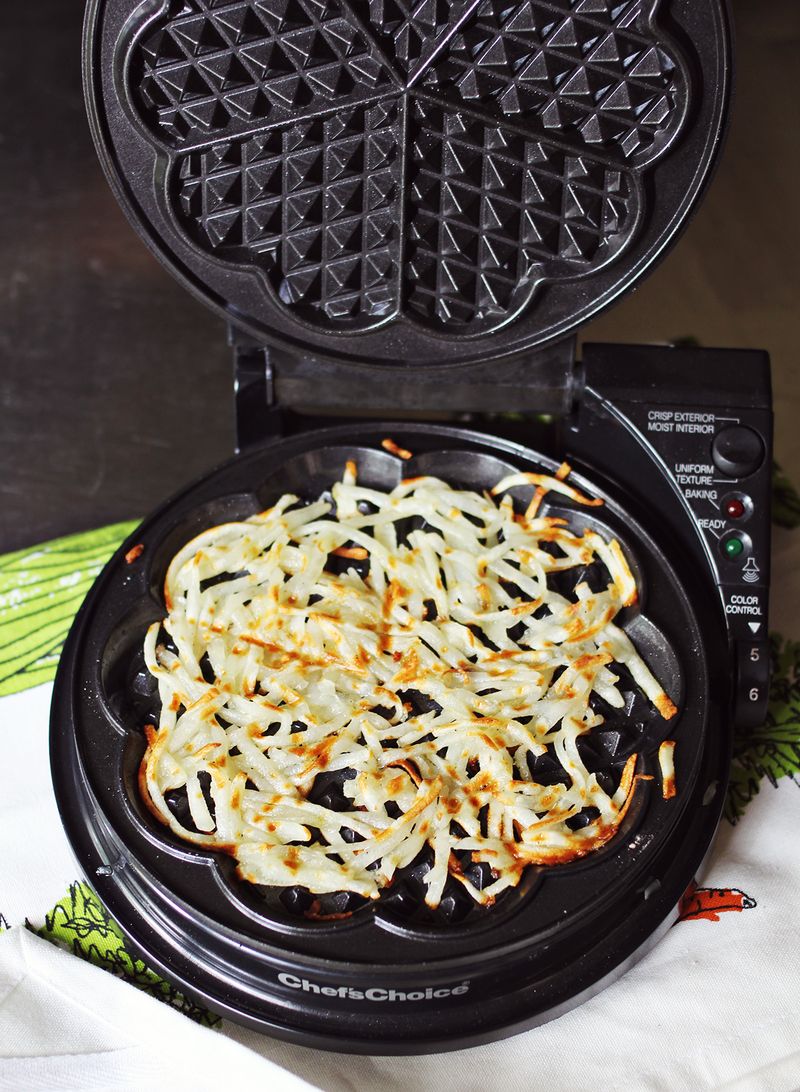

Waffle Iron Hash Browns: A Crispy, Convenient Revolution in Breakfast Potatoes
The waffle iron, a seemingly one-dimensional appliance primarily associated with breakfast batters, harbors untapped culinary potential. Its intricate grid pattern and even heat distribution are perfectly suited for transforming humble shredded potatoes into exceptionally crispy, evenly cooked hash browns. This article explores the science, techniques, and variations of waffle iron hash browns, positioning them as a superior alternative to traditional pan-fried or oven-baked methods. By leveraging the waffle iron’s inherent design, home cooks can achieve unparalleled crispness, reduced cooking time, and a visually appealing, restaurant-quality breakfast side dish. The SEO focus will be on keywords such as "waffle iron hash browns," "crispy hash browns," "easy breakfast potatoes," "quick breakfast recipes," "potato waffle," "homemade hash browns," "breakfast side dish," and "kitchen gadget hacks."
The fundamental principle behind the superiority of waffle iron hash browns lies in maximizing surface area contact for optimal heat transfer and moisture evaporation. Traditional pan-frying requires constant monitoring and flipping to achieve even browning and crispness. Oven baking, while hands-off, can result in uneven cooking, with some areas becoming soggy while others overcook. The waffle iron, however, encases the shredded potatoes on both sides simultaneously. The raised ridges of the waffle iron create channels, allowing steam to escape efficiently. This process not only prevents the hash browns from becoming greasy but also promotes rapid dehydration of the potato shreds, leading to an intensely crispy texture. Furthermore, the direct contact with the heated surfaces ensures consistent browning across the entire surface of the potato. The unique grid pattern, while primarily functional, also contributes to a visually distinctive and appealing presentation, elevating the humble hash brown to a culinary statement.
The preparation of waffle iron hash browns begins with the selection and preparation of the potatoes. Starchy potatoes like Russets are ideal due to their high starch content, which contributes to a fluffy interior and crispy exterior. Waxy potatoes, while they hold their shape well, can result in a less desirable texture. The key to achieving perfect crispness lies in thoroughly removing excess moisture from the shredded potatoes. After shredding, whether by hand or using a food processor with a shredding attachment, it is crucial to squeeze out as much liquid as possible. This can be accomplished by wrapping the shredded potatoes in a clean kitchen towel or cheesecloth and wringing it out vigorously. Alternatively, pressing the shredded potatoes between layers of paper towels can also be effective. Failing to remove sufficient moisture will result in a steamed, rather than crispy, hash brown, negating the primary benefit of using the waffle iron.
Seasoning plays a pivotal role in enhancing the flavor profile of waffle iron hash browns. Beyond the ubiquitous salt and pepper, consider incorporating a pinch of garlic powder, onion powder, or even a touch of smoked paprika for added depth. For a spicier kick, a dash of cayenne pepper or red pepper flakes can be introduced. The seasoning should be thoroughly mixed with the shredded potatoes after they have been drained and squeezed to ensure even distribution. Some enthusiasts advocate for pre-salting the shredded potatoes and allowing them to sit for a few minutes to draw out even more moisture, followed by another vigorous squeezing. This step, while adding a few minutes to the preparation time, can further contribute to a superior crispy texture. The fat used to grease the waffle iron is also a critical component. Butter, while offering excellent flavor, can burn at higher temperatures. A more stable option is to use a neutral cooking oil like vegetable oil, canola oil, or even a light olive oil. For an extra layer of flavor, a combination of butter and oil can be employed, or infused oils can be used for a unique twist.
Preheating the waffle iron is a non-negotiable step for achieving optimal results. A cold waffle iron will lead to uneven cooking and potentially a less crispy hash brown. Allow the waffle iron to heat up fully according to the manufacturer’s instructions, typically indicated by a light or audible signal. Once preheated, lightly grease the grids with your chosen cooking fat. This prevents sticking and further promotes browning. The amount of potato mixture to use per waffle iron hash brown will depend on the size and depth of your waffle iron. A good starting point is to fill the indentations without overstuffing. The mixture should be spread evenly across the bottom grid before closing the lid. Avoid pressing down too firmly on the lid initially, as this can squeeze out excess potato and lead to a denser, less fluffy interior. Allow the waffle iron to work its magic undisturbed for the initial cooking period.
The cooking time for waffle iron hash browns can vary depending on the wattage of the waffle iron, the thickness of the potato mixture, and the desired level of crispness. As a general guideline, expect the hash browns to cook for approximately 5-8 minutes per batch. The goal is to achieve a deep golden-brown exterior and a tender, fully cooked interior. You can lift the lid periodically to check on the progress. Look for vibrant browning on both sides and a noticeable crispness to the edges. Overcooking can lead to burnt hash browns, while undercooking will result in a soggy interior. The aroma of perfectly cooked hash browns is also a reliable indicator; a fragrant, slightly nutty scent suggests they are nearing completion.
Once cooked to perfection, carefully remove the waffle iron hash browns from the iron using a spatula or tongs. They are best served immediately to enjoy their optimal crispness. The residual heat will continue to cook them slightly, so removing them when they appear just done is often ideal. Placing them on a wire rack instead of a solid plate will help maintain their crispness by allowing air to circulate around them, preventing steam from accumulating and softening the undersides.
Variations on the classic waffle iron hash brown recipe abound, allowing for creative culinary exploration. Consider incorporating finely chopped vegetables into the shredded potato mixture before cooking. Diced bell peppers, onions, or even shredded zucchini can add color, flavor, and an additional layer of texture. Ensure that finely chopped vegetables are well-drained, especially zucchini, to avoid introducing excess moisture. For a richer, more decadent hash brown, mix in some shredded cheese (cheddar, Monterey Jack, or a blend) into the potato mixture. The cheese will melt and become wonderfully gooey, creating a delightful contrast with the crispy potatoes. Adding cooked, crumbled bacon or breakfast sausage to the potato mixture before cooking provides a savory, protein-rich upgrade.
Sweet potato hash browns offer a healthy and flavorful alternative to their white potato counterparts. The natural sweetness of sweet potatoes, combined with their slightly different starch composition, results in a unique and appealing flavor profile. Shredded sweet potatoes will cook slightly faster than Russets, so adjust cooking times accordingly. For a touch of sweetness and spice, consider adding a pinch of cinnamon and nutmeg to sweet potato hash browns.
The convenience factor of waffle iron hash browns cannot be overstated. They offer a significantly reduced hands-on cooking time compared to traditional methods. The single-batch cooking process, while requiring multiple rounds depending on the size of your waffle iron and the number of servings, is generally quicker and more efficient. Furthermore, the cleanup is often simpler. A quick wipe down of the cooled waffle iron with a damp cloth or paper towel is usually sufficient. For more stubborn residue, a non-abrasive scrub brush can be used.
The aesthetic appeal of waffle iron hash browns makes them a standout breakfast option. The distinct grid pattern not only provides superior crispness but also creates an eye-catching presentation. These hash browns are inherently more visually interesting than their pan-fried counterparts, making them ideal for brunch gatherings or when you simply want to elevate your everyday breakfast. The defined squares or rectangles of potato are a testament to the unique cooking method and add a professional touch to homemade meals.
From a nutritional perspective, waffle iron hash browns, when prepared with controlled amounts of fat, can be a relatively healthy breakfast option, particularly when compared to processed breakfast meats or sugary cereals. The potato itself is a good source of potassium and vitamin C. By using healthy cooking oils and moderating the amount of fat used, you can create a satisfying and nutritious meal. The ability to customize ingredients also allows for dietary modifications, such as using plant-based cheeses for a vegan version.
In conclusion, the waffle iron transcends its primary purpose to become an indispensable tool for creating superior hash browns. The unique design of the waffle iron facilitates optimal heat transfer and moisture evaporation, resulting in unparalleled crispness and consistent cooking. The ease of preparation, coupled with a wide range of customization options, makes waffle iron hash browns a convenient, delicious, and visually appealing breakfast staple. Embracing this innovative approach to a breakfast classic will undoubtedly revolutionize your morning routine, offering a crispy, flavorful, and effortless way to enjoy potatoes. Mastering the waffle iron hash brown is not just a culinary hack; it’s an upgrade to the breakfast experience.
