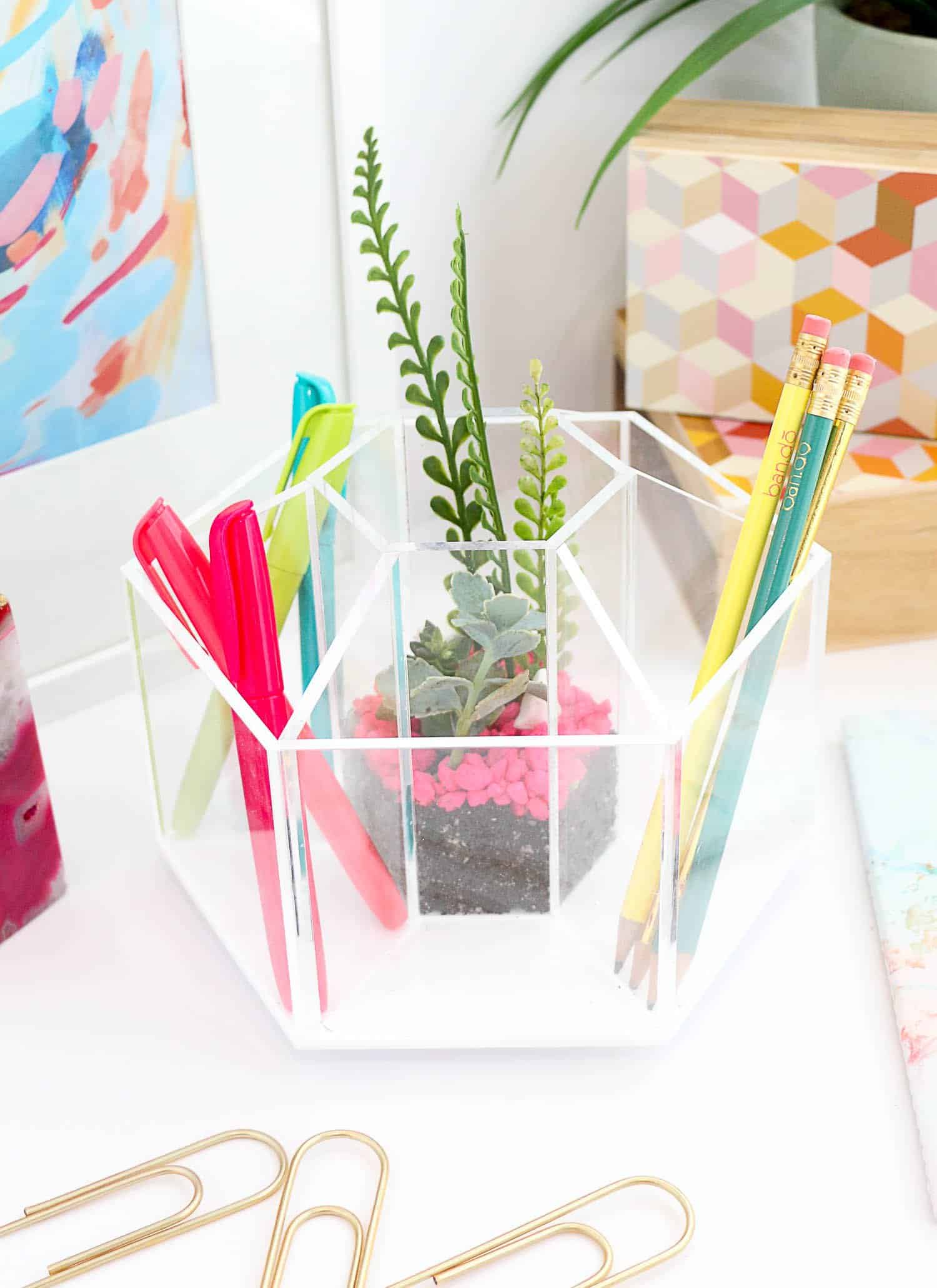

DIY Terrarium Desk Organizer: A Biophilic Workspace Solution
Creating a terrarium desk organizer is an innovative and aesthetically pleasing way to incorporate nature into your workspace while simultaneously maximizing utility. This project blends the calming biophilic benefits of living plants with the practical need for desk organization, resulting in a functional piece of living art. The core concept involves constructing a contained ecosystem within a vessel that also serves as storage for pens, pencils, scissors, and other office essentials. This guide will walk you through the entire process, from selecting appropriate materials to planting and ongoing maintenance, ensuring you can build a thriving and organized desk sanctuary.
The selection of the right container is paramount for a successful terrarium desk organizer. Opt for clear glass or acrylic vessels that offer good visibility of the internal ecosystem. Consider the size and shape of your workspace and the amount of storage you require. Jars with wide mouths, apothecary containers, rectangular tanks, or even repurposed fishbowls can work well. The key is to have sufficient space both for the plant life and for the organizational compartments. Look for containers that have a stable base to prevent tipping. Some containers may already incorporate divisions, which can be a significant advantage, but many will require you to create these yourself. If you are using a single large container, you will need to design a system for separating the plant area from the storage areas. Think about the overall aesthetic you are aiming for – minimalist, rustic, modern – as this will influence your container choice. For instance, a sleek glass cube might suit a modern desk, while a repurposed vintage jar could lend itself to a more bohemian or antique feel.
Essential to the terrarium’s ecosystem is the drainage layer. This layer prevents waterlogged soil, which can lead to root rot and fungal issues. Common materials for the drainage layer include gravel, small pebbles, leca (lightweight expanded clay aggregate), or even charcoal. A layer of activated charcoal is particularly beneficial as it helps to filter the water and prevent odors from developing within the closed environment. Aim for a drainage layer that is at least one to two inches deep, depending on the size of your container. This layer acts as a reservoir, allowing excess water to collect below the soil, keeping the plant roots suspended above it. If you are using a container with a narrower opening, consider using a funnel to carefully place these materials. The charcoal component is crucial for maintaining a healthy environment by absorbing toxins and providing a porous surface for beneficial bacteria.
Next, you will introduce a barrier layer. This layer prevents the soil from sifting down into the drainage layer, compromising its effectiveness. A common choice is a piece of landscape fabric, fine mesh screen, or sphagnum moss. If using fabric or mesh, cut it to fit the interior dimensions of the container, ensuring it completely covers the drainage layer. If you opt for sphagnum moss, spread an even layer over the gravel. This barrier is critical for long-term terrarium health, as it ensures the drainage system remains unobstructed. Without this layer, the soil would eventually mix with the gravel, creating a compacted mass that inhibits proper water flow and aeration. The choice of material for the barrier should also consider breathability; you want to prevent water from stagnating while still allowing for some air exchange.
The substrate, or soil, is the foundation for your plant life. For terrariums, it’s best to use a specialized terrarium mix or a blend of potting soil, perlite, and peat moss. This mix should be lightweight, well-draining, and nutrient-rich. Avoid using regular garden soil, as it can be too dense and may contain pathogens. The ideal soil composition for most terrariums promotes aeration and moisture retention without becoming waterlogged. A good starting point is a 2:1:1 ratio of potting soil, perlite, and peat moss. Perlite improves drainage and aeration, while peat moss helps retain moisture. For arid or desert-style terrariums, you’ll want a higher proportion of sand and grit. Always ensure the soil is slightly damp before adding it to the container; you don’t want it bone dry or overly saturated.
Selecting the right plants is crucial for a thriving terrarium desk organizer. Choose small, slow-growing plants that thrive in the conditions of a closed or semi-closed environment. Consider the humidity levels and light requirements of your chosen plants. For closed terrariums, plants that love humidity, such as ferns, mosses, and certain small-leaved tropicals like Fittonia (nerve plant) or Peperomia, are excellent choices. For open terrariums, succulents and cacti are suitable, but remember they require much less humidity and more direct light, which may not be ideal for an office desk. Dwarf varieties of plants are your best friend here. Look for miniature ferns, air plants (Tillandsia), small bromeliads, or even tiny carnivorous plants like sundews. Ensure the plants you select have similar light and watering needs to simplify maintenance. Overcrowding should be avoided; give each plant adequate space to grow.
When it comes to creating the organizational compartments, you have several options. For larger containers, you can build internal dividers using acrylic sheets, thin wood, or even sturdy cardboard coated with a waterproof sealant. These dividers should be installed before adding the soil layer. Alternatively, you can utilize smaller, separate containers that fit within the larger terrarium. These can include small jars, tins, or even specially designed desk caddies that can be placed amongst the plants. For a more integrated approach, you can create pockets within the soil itself by using small, watertight boxes or containers that are partially buried. The key is to ensure these compartments are easily accessible and do not disrupt the soil structure or the root systems of the plants. Consider the items you need to store and design the compartments accordingly – a tall section for pens, a wider area for scissors or rulers, and perhaps a smaller niche for clips or erasers.
The planting process requires a gentle touch. Using a long-handled spoon or a trowel, create small wells in the soil where you want to place your plants. Gently remove plants from their nursery pots, loosening any tightly bound roots. Carefully position each plant in its well, ensuring the roots are spread out. Backfill with soil, gently patting it down to remove air pockets. For very small plants or delicate root systems, a pair of long tweezers can be incredibly helpful for positioning. Avoid burying the crown of the plant, which is the point where the stem meets the roots. Ensure that no leaves are in direct contact with the glass walls of the container, as this can lead to rot.
Adding decorative elements can elevate the aesthetic of your terrarium desk organizer. Consider incorporating natural materials like small stones, polished pebbles, driftwood, or even miniature figurines. Moss is an excellent addition, not only for its visual appeal but also for its moisture-retaining properties. Live mosses like sheet moss or cushion moss can create a lush carpet. Ensure any decorative items are clean and free of pests or diseases. For the organizational sections, you might use smaller decorative containers or create aesthetically pleasing dividers. Think about texture and color; contrast is key to making your terrarium visually dynamic. A strategically placed piece of driftwood can provide a natural perch for an air plant or act as a subtle divider.
Watering a terrarium requires a delicate balance. For closed terrariums, the goal is to create a self-sustaining ecosystem where moisture cycles through evaporation and condensation. Water lightly after planting, just enough to moisten the soil. Observe the condensation levels on the glass. If there is excessive condensation obscuring your view, it means there is too much moisture; open the lid to allow it to air out. If there is no condensation, it may need a light misting. For open terrariums with succulents or cacti, water only when the soil is completely dry, and do so sparingly. Overwatering is the most common cause of terrarium failure. It’s often better to underwater slightly and then correct than to overwater from the start.
Light is a critical factor for plant growth. Most terrarium plants thrive in bright, indirect light. Avoid placing your terrarium in direct sunlight, as this can overheat the container and scorch the plants, similar to a greenhouse effect. A location near a north-facing or east-facing window is often ideal. If natural light is insufficient, consider using a grow light. Ensure the light source is not too close to the terrarium, as this can also cause heat damage. Rotate the terrarium periodically to ensure even growth and prevent plants from leaning towards the light source.
Maintenance of your terrarium desk organizer is generally minimal, but crucial for long-term success. Regularly inspect your plants for any signs of pests, diseases, or wilting. Remove any dead or yellowing leaves promptly to prevent the spread of decay. Pruning may be necessary if plants start to outgrow the space or become too dense. For closed terrariums, monitor the moisture levels as described earlier. If you notice any mold growth, it often indicates poor air circulation and excessive moisture; increase ventilation. For open terrariums, ensure you are watering appropriately based on the soil’s dryness. Occasional dusting of the container’s exterior will maintain its clarity and the aesthetic appeal of your living desk accessory.
The SEO benefits of a DIY terrarium desk organizer article stem from its multi-faceted appeal. Keywords like "DIY desk organizer," "terrarium craft," "workspace organization," "indoor plants," "biophilic design," "office decor," and "plant crafts" will attract a broad audience. The combination of "DIY" and "organizer" taps into a strong search intent for practical crafting projects. "Terrarium" itself is a popular search term for plant enthusiasts and crafters. Incorporating terms related to office and desk setup also targets professionals and students looking to enhance their work environment. Furthermore, the article can be optimized for long-tail keywords such as "how to make a terrarium desk organizer with plants," "easy terrarium organizer ideas," or "best plants for desk terrarium."
The visual appeal of a terrarium desk organizer also lends itself well to SEO through image optimization. High-quality images of the finished product, along with step-by-step process photos, should be included and tagged with relevant keywords in their alt text. This will improve search engine visibility in image searches, which are increasingly integrated into overall search results. The article’s structure, with clear headings and subheadings, not only improves readability for users but also helps search engines understand the content, leading to better ranking for targeted keywords.
The act of building a terrarium desk organizer fosters a connection with nature, even in the most sterile office environments. This biophilic aspect is a growing trend in interior design and workplace wellness, making the topic highly relevant and searchable. People are actively seeking ways to de-stress and improve their focus, and incorporating living elements into their workspace is a proven method. The DIY aspect appeals to those who enjoy hands-on projects and the satisfaction of creating something unique. The dual purpose of organization and decoration makes it a practical solution for anyone looking to declutter their desk while adding a touch of natural beauty.
When considering different types of terrariums for your desk organizer, it’s important to differentiate between open and closed systems. Closed terrariums, sealed with a lid, create a humid environment ideal for moisture-loving plants like ferns and mosses. These require very little watering once established as they create their own water cycle. Open terrariums, on the other hand, are uncovered and are better suited for plants that prefer drier conditions and good air circulation, such as succulents and cacti. The choice between an open or closed terrarium will influence your plant selection, watering frequency, and overall maintenance. For a desk organizer, an open terrarium might be more practical as it offers easier access to the storage compartments and reduces the risk of over-moisture, which can be detrimental in a confined office space. However, a well-designed closed terrarium can be a stunning, low-maintenance statement piece.
The materials used in your terrarium construction can also be optimized for SEO. Mentioning specific materials like "glass container," "landscape fabric," "activated charcoal," "perlite," and "sphagnum moss" will attract users searching for these items in relation to terrarium building. Offering alternatives for these materials, such as using recycled glass jars or suggesting different types of gravel, broadens the appeal and caters to a wider range of user preferences and resource availability. This also allows for more keyword variations to be naturally integrated into the content.
Furthermore, the ongoing benefits and appeal of a terrarium desk organizer contribute to its SEO value. Content that discusses the "mental health benefits of plants in the workplace," "reducing stress with office plants," or "improving air quality with terrariums" will attract a significant audience interested in wellness and productivity. This shifts the focus from just a DIY craft to a lifestyle improvement solution. The inherent beauty and "living art" aspect of a terrarium means it’s a topic people will continually search for inspiration and guidance on.
The article can also delve into the specifics of creating different styles of terrarium desk organizers. For example, a section dedicated to "minimalist terrarium desk organizer" or "tropical-themed terrarium organizer" would appeal to users with specific aesthetic preferences. Discussing the types of containers that lend themselves to these styles, such as geometric glass prisms for minimalist designs or repurposed apothecary jars for a more vintage feel, adds depth and searchability. This allows for targeted keyword inclusion based on aesthetic styles.
In conclusion, a comprehensive, SEO-friendly article on creating a terrarium desk organizer should focus on practical, actionable advice while naturally weaving in relevant keywords and addressing user intent. By covering material selection, construction techniques, plant choices, care, and decorative elements, the article provides a complete guide. The biophilic and organizational benefits, coupled with the growing interest in indoor plants and DIY projects, ensure this topic has strong search appeal. Optimizing for keywords related to DIY, organization, plants, and workspace enhancement will attract a broad and engaged audience, making the article a valuable resource for anyone looking to bring a touch of nature and order to their desk. The emphasis on practical steps and problem-solving ensures long-term user engagement and contributes to strong search engine rankings.

