DIY Pressed Plant Photo Frame: Preserve Nature’s Beauty and Showcase Memories
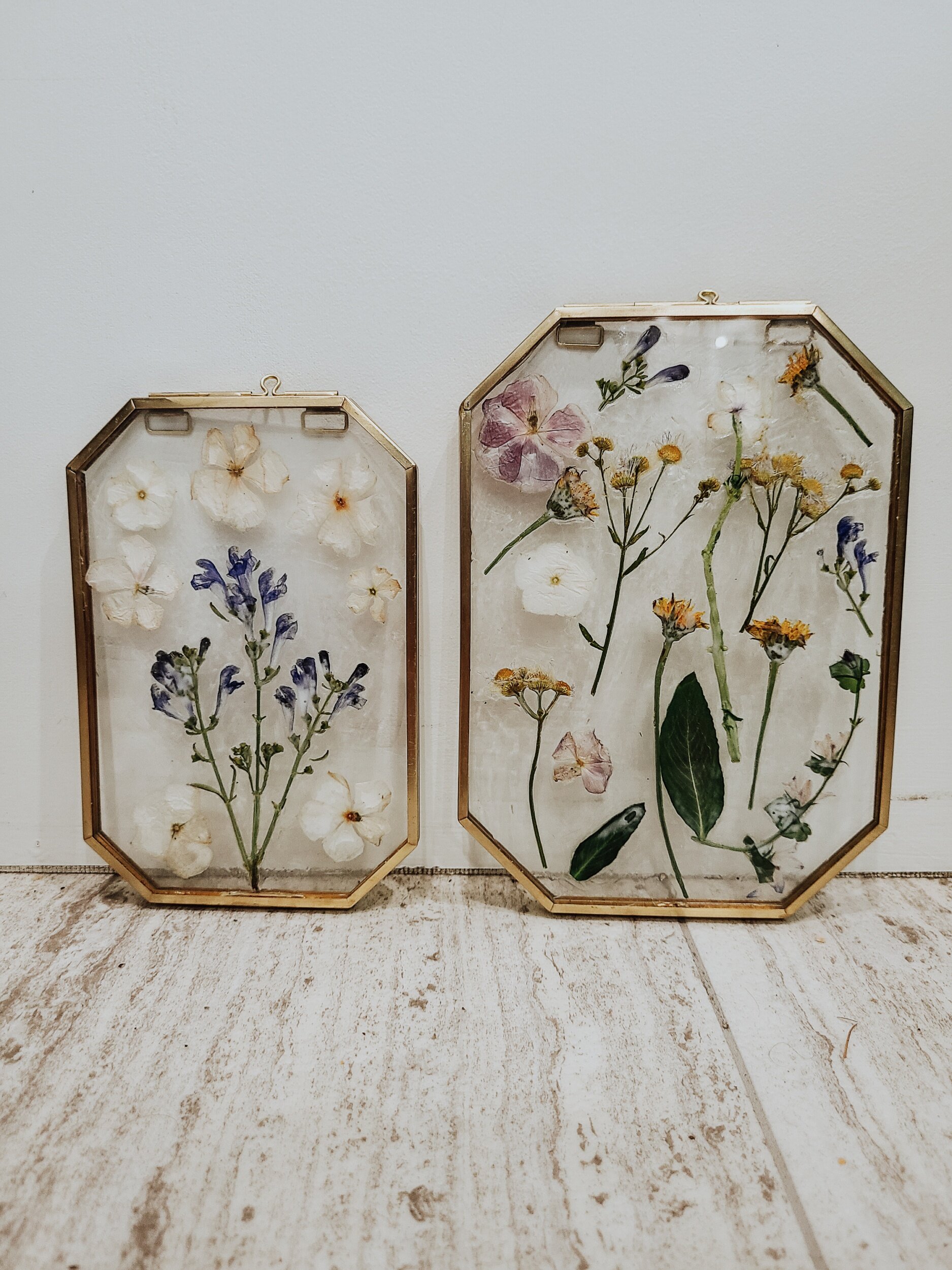
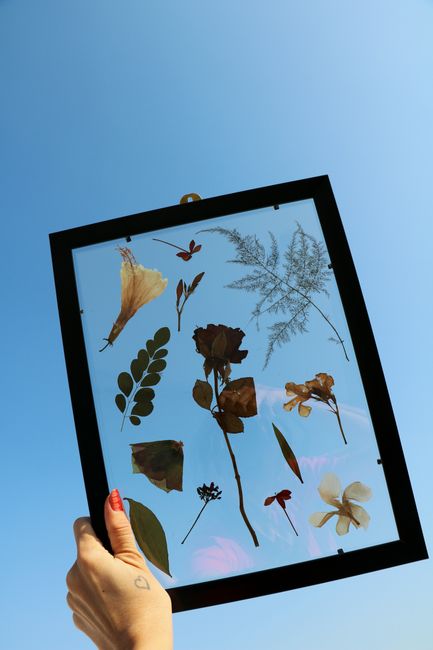
Creating a DIY pressed plant photo frame is a beautiful and accessible way to combine the delicate artistry of nature with the warmth of cherished memories. This project allows you to transform ordinary botanical specimens into enduring decorative pieces, adding a unique touch to your home décor. The process involves selecting and pressing flowers and leaves, then arranging them artistically within a frame to complement a photograph. This eco-friendly craft not only breathes new life into discarded natural elements but also provides a deeply personal way to display significant moments. From wildflowers gathered on a memorable hike to sentimental blooms from a special occasion, pressing plants offers a tangible connection to nature and the experiences they represent. The frames themselves can be customized to match any interior style, from rustic to modern, making this a versatile and rewarding DIY endeavor.
The selection of your botanical specimens is the foundational step for a successful pressed plant photo frame. Aim for flowers and leaves that are relatively flat and dry. Avoid anything overly thick or fleshy, as these tend to rot or become brittle during the pressing process. Ideal choices include:
- Flowers: Pansies, violas, cosmos, daisies, bachelor’s buttons, lavender, Queen Anne’s lace, and smaller varieties of roses. Delicate petals and intricate structures often press beautifully.
- Leaves: Maple, oak, fern fronds, eucalyptus, and ivy leaves offer a variety of shapes, sizes, and textures. Look for leaves with vibrant colors and interesting veins.
When collecting, do so on a dry day, preferably after the dew has evaporated. Gently gather your specimens, taking care not to crush or damage them. It’s a good practice to collect more than you think you’ll need, as some may not press as well as others, or you might find unexpected creative opportunities. For optimal results, press your plants as soon as possible after collection to retain their color and shape. If immediate pressing isn’t possible, store them temporarily in a dry, breathable container like a paper bag, away from direct sunlight and moisture. Consider the color palette and shape of your chosen plants in relation to the photograph you intend to use. Do you want the botanicals to be the star, or a subtle accent? This initial planning will guide your collection and arrangement choices.
The pressing process is crucial for preserving the natural beauty of your chosen plants. The goal is to remove moisture gradually and evenly to prevent mold and decay, and to flatten the specimens without distortion. The most common and effective DIY method utilizes heavy books and absorbent paper.
- Prepare Your Materials: You will need a selection of heavy books (dictionaries, encyclopedias, or any large, dense volumes work well), and absorbent paper. Blotting paper, unprinted newspaper, or even plain printer paper can be used. Avoid glossy paper, as it can stick to the plants.
- Arrange the Plants: Carefully place your chosen flowers and leaves between two sheets of absorbent paper. Ensure that the specimens are not overlapping, as this can lead to uneven pressing and sticking. Spread them out so each plant has adequate space.
- Layer and Compress: Place the paper-sandwiched plants inside a heavy book. You can layer multiple stacks of plants within a single book, provided there is enough weight to press them evenly. Place another heavy book on top of the stack. For very delicate specimens, you might want to start with slightly less weight and gradually increase it over the first few days.
- Drying Time: Allow the plants to press for at least two to three weeks. It’s essential to change the absorbent paper every few days, especially during the first week. This helps wick away moisture and prevents mold. Gently open the books, carefully lift the paper with the plants, and replace the damp paper with fresh, dry sheets. Close the book and continue pressing.
- Check for Dryness: Your plants are fully pressed when they feel papery and brittle to the touch, and no longer feel cool or damp. They should retain their color, though some natural fading is to be expected. The more patient you are with this process, the better the final outcome will be. For those seeking a faster method, a plant press can be purchased or constructed, offering more consistent pressure and air circulation. However, the book method is highly effective and requires no special equipment.
Once your botanical specimens are beautifully pressed and dried, it’s time for the creative stage: arranging them within your photo frame. This is where personalization truly shines. Consider the overall aesthetic you wish to achieve and how the plants will complement your chosen photograph.
- Choose Your Frame: Select a frame that suits your style and the size of your photograph. Shadow boxes or deep-set frames are ideal for pressed plants as they provide a natural recess to house the botanicals and prevent them from being crushed against the glass. Clear acrylic or glass frames are also popular. Consider frames with a neutral background to let the colors of the plants and photograph stand out.
- Prepare the Backing: Cut a piece of cardstock or sturdy paper to fit the back of your frame. This will serve as the base for your arrangement. You can choose a plain white or cream backing, or opt for a color that complements your plants and photograph.
- Position Your Photograph: Place your photograph on the backing first. Decide on its orientation and placement. Will it be centered, off to one side, or layered behind some of the pressed plants?
- Arrange the Pressed Plants: This is the most artistic part. Begin by placing larger or more prominent plants first, then fill in with smaller elements. Think about balance, symmetry, and visual flow.
- Focal Points: Use particularly striking flowers or leaves as focal points, drawing the eye to specific areas of the frame.
- Layering: Gently layer smaller leaves or petals over or under larger specimens to add depth and dimension.
- Color and Texture: Consider how the colors and textures of your pressed plants interact with each other and with the photograph.
- Negative Space: Don’t be afraid to leave some empty space; it can help your arrangement breathe and prevent it from looking too cluttered.
- Storytelling: Think about how the plants might relate to the photograph. For example, if it’s a wedding photo, use flowers from the bouquet. If it’s a travel photo, use plants collected during that trip.
- Secure the Plants: Once you are happy with your arrangement, carefully secure the pressed plants to the backing. A tiny dot of acid-free craft glue applied sparingly with a fine-tipped applicator or tweezers is the best method. Alternatively, for very delicate items, you can use double-sided acid-free tape. Be very precise with the application to avoid visible glue marks.
- Assemble the Frame: Once the glue has dried completely, carefully place the backing with the arranged plants and photograph into your frame. Secure the backing in place according to your frame’s design. If using a shadow box, you might need to position the plants within the box before placing the backing.
For a truly professional and long-lasting result, consider the materials you use, particularly for framing and assembly. Using acid-free materials is paramount for preserving both the pressed plants and the photograph. Acid migration from the backing paper, matting, or frame materials can cause yellowing and deterioration over time.
- Acid-Free Backing: As mentioned, cardstock or mat board specifically labeled as "acid-free" or "archival" is essential. This ensures the backing won’t damage your plants or photo.
- Acid-Free Adhesive: Opt for acid-free glues or tapes. Look for products designed for scrapbooking or photo mounting. Avoid standard craft glues which can yellow and degrade over time.
- UV-Protective Glass/Acrylic: If your frame allows, consider using UV-protective glass or acrylic. This will shield your pressed plants and photograph from damaging ultraviolet rays, which can cause fading and discoloration. This is especially important if the frame will be displayed in direct sunlight.
- Matting (Optional): For a more polished look, you can introduce matting. Ensure any mat board used is also acid-free. A mat can provide a visual separation between the plants and the photograph, or even be cut to create interesting shapes for the plants to peek through.
Cleaning and maintenance of your DIY pressed plant photo frame are straightforward, ensuring its longevity and continued beauty.
- Dusting: Gently dust the frame and glass using a soft, dry microfiber cloth. Avoid harsh chemicals or abrasive cleaners, as these can damage the delicate plants or scratch the glass. For stubborn dust inside the frame, a can of compressed air can be used carefully.
- Placement: Position your frame away from direct sunlight and sources of high humidity. Sunlight can cause the vibrant colors of the pressed plants to fade rapidly, and humidity can encourage mold growth. Avoid placing it in bathrooms or kitchens where moisture levels are naturally higher.
- Handling: When handling the frame, do so with clean hands. Oils and dirt from your fingertips can transfer to the glass and potentially the plants over time.
- Long-Term Storage (if necessary): If you need to store the frame for an extended period, wrap it carefully in acid-free tissue paper or place it in a protective archival box. This will further shield it from dust, light, and environmental fluctuations.
Beyond the basic pressed plant photo frame, there are numerous ways to elevate your DIY project and explore creative variations. These enhancements can make your creation even more striking and unique.
- Layered Arrangements: Instead of laying all plants flat, try creating a more three-dimensional effect by carefully layering them. You can use small pieces of foam board or cardstock as spacers to lift certain elements, creating depth and shadow.
- Thematic Designs: Curate your plant selection and arrangement to tell a story. For a wedding anniversary, press flowers from the bridal bouquet. For a travel memory, press leaves and small flowers from the destination.
- Mixed Media: Incorporate other small, lightweight decorative elements. This could include small fragments of lace, delicate ribbons, or even tiny handwritten notes related to the photograph. Ensure these additions are also archival if possible.
- Colored Backings: Experiment with different colored backing papers to create contrasting or complementary tones with your pressed plants and photograph.
- Painted or Decorated Frames: Personalize the frame itself. You can paint it, decoupage it with paper, or add embellishments that match your chosen theme.
- Clear Resin Casting: For a modern and robust finish, consider encasing your pressed plants and photograph in clear resin. This requires specialized materials and techniques but results in a durable, water-resistant piece. This method preserves the plants exceptionally well and offers a unique, glossy finish.
- Framing Without Glass: Some shadow box frames are designed to be displayed without glass, allowing the texture of the pressed plants to be more tactile. This requires careful adherence of the plants to prevent damage.
The SEO-friendly nature of this article is achieved through the strategic use of relevant keywords integrated naturally throughout the text. Terms such as "DIY pressed plant photo frame," "pressed flowers," "pressed leaves," "botanical art," "nature crafts," "preserving flowers," "DIY home décor," "memory keeping," and "custom photo frame" are employed in headings, subheadings, and within the body paragraphs. The comprehensive nature of the content, covering selection, pressing, arrangement, materials, and variations, ensures that users searching for detailed information on this topic will find the article valuable and informative. The inclusion of practical tips, material suggestions, and creative ideas also enhances its discoverability for users with varying levels of DIY experience. The structure is designed for readability and engagement, with clear sections that logically guide the reader through the entire process, making it an excellent resource for anyone looking to create their own unique pressed plant photo frame.

