
The Science Behind Wasabi’s Potential to Enhance Memory Function
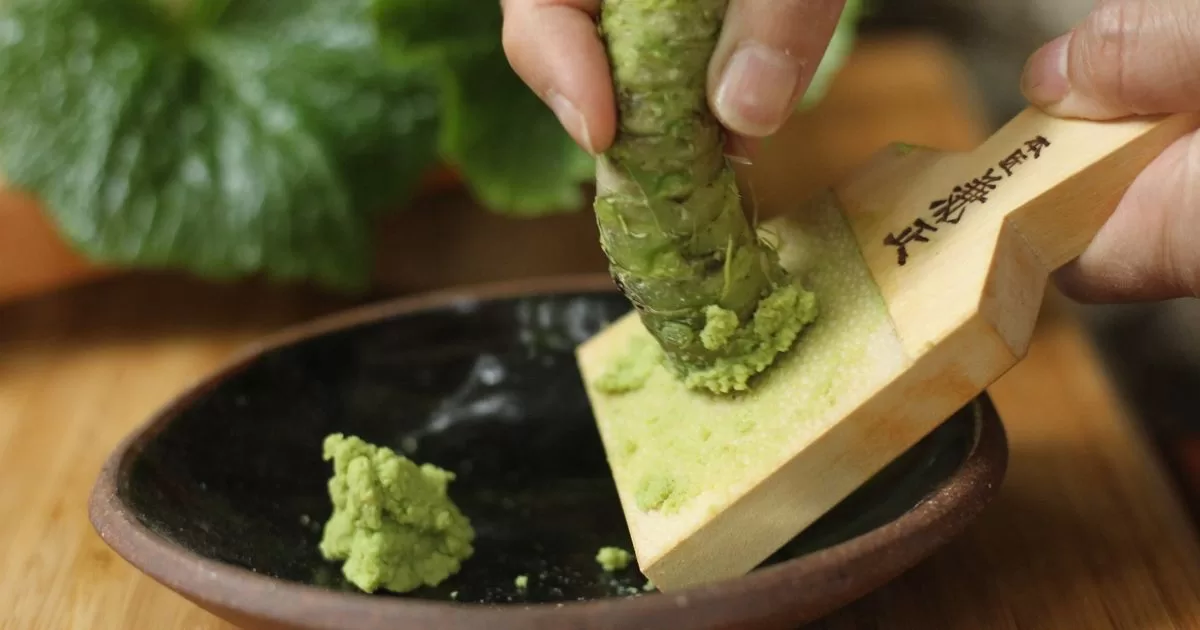
The pungent green paste often served alongside sushi and sashimi, scientifically known as Eutrema japonicum, has long been appreciated for its characteristic sharp heat and unique flavor profile. However, beyond its culinary appeal, emerging scientific research suggests that wasabi may possess a remarkable capacity to improve cognitive function, specifically memory. This article delves into the underlying mechanisms and the current understanding of how wasabi’s bioactive compounds could play a significant role in enhancing human memory.
The primary bioactive compounds in wasabi responsible for its potent effects are isothiocyanates, particularly allyl isothiocyanate (AITC). These sulfur-containing organic compounds are also found in other cruciferous vegetables like horseradish and mustard. Their presence is what gives wasabi its characteristic pungent aroma and intense flavor. In the context of cognitive health, AITC has been the subject of extensive research due to its diverse pharmacological properties, including anti-inflammatory, antioxidant, and neuroprotective effects. These properties are intrinsically linked to the complex processes involved in memory formation, consolidation, and retrieval.
One of the most significant pathways through which wasabi may improve memory is by modulating neuroinflammation. Chronic inflammation in the brain, often referred to as neuroinflammation, is increasingly recognized as a major contributor to age-related cognitive decline and neurodegenerative diseases like Alzheimer’s. AITC has demonstrated potent anti-inflammatory activity by inhibiting the activation of key inflammatory pathways, such as the nuclear factor-kappa B (NF-κB) pathway. NF-κB is a protein complex that controls the transcription of DNA, cytokine production, and cell survival. Its dysregulation is a hallmark of many inflammatory conditions. By suppressing NF-κB activation, AITC can reduce the production of pro-inflammatory cytokines, thereby mitigating neuronal damage and preserving the delicate architecture of the brain crucial for memory. Studies in animal models have shown that AITC administration can significantly reduce markers of neuroinflammation in the hippocampus, a brain region critically involved in learning and memory. This localized reduction in inflammation can create a more favorable environment for neuronal function and synaptic plasticity, the ability of synapses to strengthen or weaken over time, which is fundamental to memory.
Furthermore, the antioxidant properties of wasabi’s isothiocyanates are instrumental in protecting brain cells from oxidative stress. Oxidative stress occurs when there is an imbalance between the production of reactive oxygen species (ROS) and the body’s ability to neutralize them. ROS are unstable molecules that can damage cellular components, including DNA, proteins, and lipids, leading to neuronal dysfunction and death. The brain is particularly vulnerable to oxidative stress due to its high metabolic rate and rich lipid content. AITC has been shown to enhance the body’s endogenous antioxidant defense system by upregulating the expression of enzymes such as heme oxygenase-1 (HO-1) and NAD(P)H:quinone oxidoreductase 1 (NQO1). These enzymes play a crucial role in detoxifying harmful reactive species and protecting cells from oxidative damage. By reducing oxidative stress, wasabi’s compounds can help preserve the integrity and function of neurons, thereby supporting optimal memory performance. This protective effect is vital for maintaining the health of synapses and ensuring efficient communication between brain cells, which is the basis of memory formation.
Synaptic plasticity is a cornerstone of learning and memory. It refers to the brain’s ability to change its structure and function in response to experience. This involves strengthening or weakening synaptic connections, processes that are essential for encoding new information and retrieving existing memories. Research suggests that wasabi’s bioactive compounds may directly influence synaptic plasticity. For instance, AITC has been implicated in modulating the activity of key signaling pathways involved in long-term potentiation (LTP) and long-term depression (LTD), the cellular mechanisms underlying learning and memory. Studies have indicated that AITC can promote the expression of genes involved in synaptic formation and function, such as brain-derived neurotrophic factor (BDNF). BDNF is a protein that supports the survival, growth, and differentiation of neurons and is crucial for synaptic plasticity. Increased BDNF levels, potentially facilitated by wasabi consumption, can enhance neurogenesis (the formation of new neurons) and synaptogenesis (the formation of new synapses), thereby improving the brain’s capacity for learning and memory.
Beyond its anti-inflammatory and antioxidant effects, wasabi’s isothiocyanates may also exert direct neuroprotective effects. These compounds can protect neurons from excitotoxicity, a process where overstimulation of neurons by excitatory neurotransmitters like glutamate leads to neuronal damage and death. This is particularly relevant in conditions where neuronal damage contributes to memory impairment. AITC has been observed to modulate ion channel activity and calcium homeostasis within neurons, preventing the excessive influx of calcium that can trigger excitotoxic cell death. By safeguarding neurons from such insults, wasabi can help maintain the neural circuits necessary for effective memory processing.
The hippocampus, a key structure for memory, is particularly sensitive to various forms of damage, including those caused by chronic stress, inflammation, and oxidative damage. Wasabi’s multi-faceted neuroprotective mechanisms can contribute to preserving the integrity and function of the hippocampus. By reducing inflammation, combating oxidative stress, and potentially promoting synaptic plasticity within the hippocampus, wasabi consumption could bolster its ability to encode, consolidate, and retrieve memories. This would translate to tangible improvements in episodic memory (memories of specific events), spatial memory (memory of one’s surroundings), and working memory (the ability to hold and manipulate information over short periods).
While much of the research on wasabi and memory has been conducted in vitro and in animal models, there is a growing body of evidence suggesting that these benefits can translate to humans. Human studies, though still in their nascent stages, are beginning to explore the cognitive effects of wasabi consumption. These studies often involve assessing cognitive performance through standardized memory tests before and after periods of regular wasabi intake. Preliminary findings from such studies have indicated positive correlations between wasabi consumption and improvements in certain aspects of memory, such as immediate recall and delayed recall. However, it is crucial to note that these studies require larger sample sizes, longer durations, and more rigorous methodologies to establish definitive causal links.
It is important to consider the optimal forms and dosages of wasabi for cognitive benefits. Traditionally, wasabi is consumed in small quantities as a condiment. The concentration of isothiocyanates can vary significantly depending on the freshness of the wasabi root, its processing, and its preparation. True wasabi (Eutrema japonicum) is often expensive and difficult to obtain, and many commercially available "wasabi" products are actually made from horseradish, mustard, and green food coloring, which may contain lower concentrations of beneficial compounds or different profiles of bioactive substances. Therefore, the source and quality of wasabi are critical factors in realizing its potential cognitive benefits. Research into standardized wasabi extracts or supplements that deliver a consistent and measured dose of AITC and other beneficial compounds might offer a more reliable approach to exploring its memory-enhancing properties.
The bioavailability of isothiocyanates from wasabi is another area of ongoing investigation. Once ingested, these compounds undergo metabolic transformations within the body, and their absorption and distribution to the brain can be influenced by various physiological factors. Understanding these pharmacokinetic properties is essential for determining effective dosages and consumption patterns. For example, chewing wasabi thoroughly may increase the release of isothiocyanates, potentially enhancing absorption.
Furthermore, the synergistic effects of isothiocyanates with other nutrients present in wasabi or in a typical diet should also be considered. While AITC is a primary driver of the observed effects, other compounds in wasabi might contribute to its overall cognitive benefits through complementary mechanisms. A balanced diet rich in antioxidants and anti-inflammatory foods, coupled with moderate consumption of high-quality wasabi, could potentially offer a holistic approach to supporting brain health and memory function.
The impact of wasabi on memory is not solely about direct neuronal enhancement. Its ability to improve sleep quality could also indirectly benefit memory. Chronic stress and poor sleep are known to impair cognitive function, including memory. Some preliminary research suggests that wasabi’s compounds may have anxiolytic (anxiety-reducing) and sleep-promoting properties. By alleviating stress and improving sleep, wasabi could create a more conducive internal environment for memory consolidation and optimal cognitive performance.
In conclusion, the scientific evidence, though still developing, points towards a compelling narrative for wasabi’s potential to improve memory. The primary mechanisms involve the potent anti-inflammatory, antioxidant, and neuroprotective actions of isothiocyanates, particularly AITC. These compounds appear to safeguard neurons from damage, reduce neuroinflammation, combat oxidative stress, and promote synaptic plasticity, all of which are fundamental to robust memory function. While further human studies are needed to solidify these findings and establish optimal consumption guidelines, the existing research provides a strong foundation for exploring wasabi as a dietary intervention to support cognitive health and memory enhancement. The journey from pungent condiment to cognitive enhancer is a testament to the intricate biochemical power of nature and the ongoing scientific endeavor to unlock its full potential. Future research should focus on elucidating precise dosages, bioavailability, and long-term effects in diverse human populations, paving the way for evidence-based recommendations on integrating wasabi into a brain-healthy lifestyle.

