
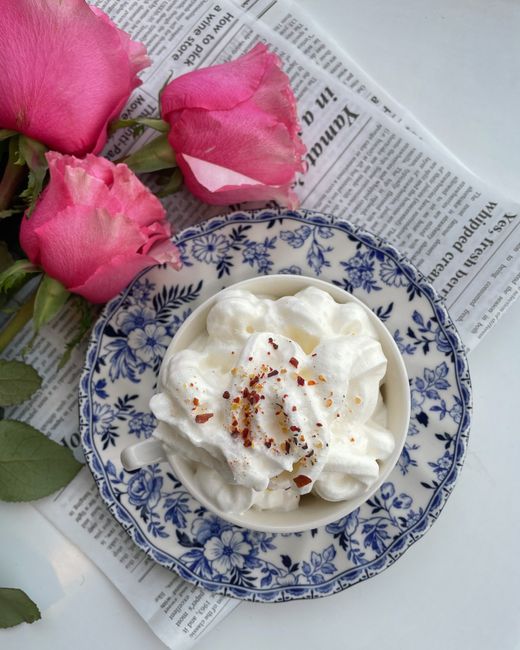
Whipped Rose Shaving Cream DIY: A Luxurious, Natural Alternative
Crafting your own whipped rose shaving cream is an empowering and satisfying endeavor, offering a luxurious, natural alternative to commercial products laden with synthetic fragrances and harsh chemicals. This DIY project allows for complete control over ingredients, ensuring a gentle, moisturizing, and beautifully scented shave. The foundation of effective shaving cream lies in its ability to create a slick barrier between the skin and the razor, minimizing friction and preventing irritation. Traditional shaving creams often rely on a cocktail of surfactants, humectants, and emollients. While commercial formulations aim for efficacy, they can sometimes compromise skin health. By making your own, you can selectively choose ingredients that not only provide superior glide but also nourish and protect your skin. The star ingredient, rose, adds an unparalleled olfactory experience and boasts inherent skincare benefits. Rose water, rose essential oil, and rosehip oil are all excellent additions, contributing to a calming, anti-inflammatory, and antioxidant-rich formula. This article will guide you through the process of creating your own whipped rose shaving cream, covering ingredient selection, recipe variations, and best practices for preparation and storage.
The efficacy of any shaving cream hinges on its ability to produce a stable lather that adheres to the skin and provides adequate lubrication. This is typically achieved through a combination of emulsifiers and foaming agents. In a DIY whipped rose shaving cream, we aim to replicate this functionality using natural ingredients. The base of our cream will likely consist of oils and butters that provide emollience and glide. Ingredients like shea butter and coconut oil are excellent choices due to their solid at room temperature but melt upon contact with skin properties, creating a smooth, buttery texture. Their inherent moisturizing capabilities also contribute to a more comfortable shave, leaving the skin feeling soft and hydrated rather than stripped. Liquid oils such as sweet almond oil, jojoba oil, or even olive oil can be incorporated to adjust the consistency and enhance glide further. These liquid oils also bring their own unique fatty acid profiles and vitamins, offering additional skin benefits like improved elasticity and barrier function. The "whipped" aspect of the cream is achieved through aeration, which incorporates air into the mixture, creating a light, fluffy texture. This aeration process is crucial for achieving the desired consistency and enhancing the spreadability of the cream. The choice of a good quality, unscented liquid soap or castile soap is also paramount. This acts as the primary surfactant, generating the foamy lather that lifts hair and allows the razor to glide smoothly. Selecting a gentle, plant-based liquid soap ensures that the shaving cream remains mild and suitable for sensitive skin.
The aromatic and therapeutic benefits of rose are well-documented and widely cherished. Incorporating rose into your shaving cream not only elevates the sensory experience but also harnesses its inherent skincare properties. Rose water, a byproduct of rose essential oil distillation, is a gentle toner and humectant. It helps to soothe the skin, reduce redness, and provide a subtle, natural fragrance. Its pH-balancing properties can further contribute to a calmer post-shave complexion. Rose essential oil, when used sparingly and properly diluted, offers potent anti-inflammatory and antioxidant benefits. It can aid in wound healing, reduce irritation, and impart a beautiful, delicate floral aroma. However, caution must be exercised with essential oils, as some individuals may have sensitivities. Always perform a patch test before widespread use. Alternatively, or in conjunction with rose water and essential oil, rosehip seed oil can be a valuable addition. Rich in essential fatty acids, vitamin A, and vitamin C, rosehip oil is renowned for its regenerative and scar-reducing properties. It can significantly improve skin texture, promote collagen production, and combat signs of aging, making it an excellent ingredient for a luxurious shaving cream. When selecting rose-derived ingredients, opt for high-quality, pure sources to maximize their benefits and ensure the absence of synthetic additives.
The foundational recipe for whipped rose shaving cream is relatively straightforward, but offers ample room for customization based on your skin type and preferences. A common starting point involves a ratio of solid butters, liquid oils, a foaming agent, and rose-derived ingredients. For a basic recipe, consider combining approximately 1/2 cup of shea butter or cocoa butter with 1/4 cup of coconut oil. These solid fats will form the base, providing the creaminess and stability. Gently melt these together over a double boiler or on a very low heat setting, ensuring not to overheat. Once melted, remove from heat and stir in 1/4 cup of a liquid carrier oil such as sweet almond oil, jojoba oil, or grapeseed oil. The liquid oil will help to achieve a smoother consistency and enhance glide. Allow this mixture to cool slightly before incorporating your foaming agent. A good quality, unscented liquid castile soap is ideal. Start with 1/4 cup and add more gradually if a richer lather is desired. Next, it’s time to infuse the rose elements. Add 2 tablespoons of rose water for hydration and subtle fragrance. For a more pronounced rose scent and therapeutic benefits, add 5-10 drops of rose essential oil. If using rosehip seed oil for its regenerative properties, incorporate 1 tablespoon at this stage.
The "whipping" process is critical for achieving the light, airy texture of this DIY shaving cream. After all ingredients have been combined and the mixture has cooled to room temperature (but not solidified completely), it’s time to whip. Using an electric hand mixer or a stand mixer with a whisk attachment, begin mixing on a low speed and gradually increase to high. Continue whipping for 5-10 minutes, or until the mixture has significantly increased in volume and developed a light, fluffy, mousse-like consistency. This aeration process is what transforms the dense oil and butter mixture into a cloud-like shaving cream. The air incorporated during whipping creates tiny pockets that hold the lather and contribute to the smooth glide. During the whipping process, it’s beneficial to periodically scrape down the sides of the bowl to ensure even incorporation. The final consistency should be firm enough to hold its shape but soft enough to scoop easily. If the mixture becomes too hard, you can gently warm it slightly and whip again. Conversely, if it remains too soft, you can refrigerate it for a short period before whipping. The goal is to achieve a stable emulsion that is both luxurious and functional.
To achieve optimal lather and glide, the choice of a quality liquid soap is paramount. Unscented liquid castile soap, made from saponified olive oil, is an excellent choice due to its gentle nature and effective lathering capabilities. It’s a natural surfactant that cleanses without stripping the skin’s natural oils. Brands like Dr. Bronner’s are widely available and a popular choice for DIY personal care products. When incorporating the liquid soap, it’s essential to do so after the oils and butters have cooled to a point where they are no longer hot. Adding soap to hot oils can cause it to break down or lose its lathering potential. Start with the recommended amount in the recipe and adjust to your preference. If you desire a richer, more abundant lather, gradually add a little more liquid soap during the mixing stage. Conversely, if you find the lather to be too much, you can reduce the amount in future batches. The interaction between the oils, butters, and the soap creates the emulsion that holds the lather together, providing the necessary lubrication for a smooth shave. The goal is to strike a balance where the cream is sufficiently lubricated without being overly slippery or difficult to rinse from the razor.
For those seeking an even more deeply moisturizing and skin-beneficial whipped rose shaving cream, consider incorporating specialty ingredients. Glycerin, a natural humectant, can be added to draw moisture to the skin, enhancing hydration and preventing dryness. A tablespoon or two of vegetable glycerin can be a beneficial addition. For enhanced antioxidant protection and a boost of vitamins, adding a small amount of vitamin E oil (typically 1/2 teaspoon) can be highly effective. Vitamin E also acts as a natural preservative, extending the shelf life of your DIY creation. If you have particularly dry or mature skin, a teaspoon of squalane oil can further enhance the moisturizing properties, providing a silky smooth finish. For a touch of luxury and to amplify the rose scent, consider using rose otto essential oil, which is considered a more potent and complex rose fragrance than standard rose absolute. However, be mindful of the higher cost and potency of rose otto and use it very sparingly. For a vegan-friendly option, ensure all your ingredients, including any emulsifiers or emulsifying waxes if you choose to incorporate them for a more stable emulsion (though not strictly necessary for a whipped cream), are plant-based. The beauty of DIY is the ability to tailor the formula to your specific needs, transforming a simple shave into a pampering skincare ritual.
The storage and shelf life of your homemade whipped rose shaving cream are important considerations to ensure its quality and prevent spoilage. Because this is a natural product made without synthetic preservatives, it’s crucial to store it properly. The ideal storage container is an airtight jar, preferably made of glass. This will prevent moisture from entering, which can lead to the growth of bacteria or mold. Keep the jar in a cool, dry place, away from direct sunlight and heat. A bathroom cabinet is often suitable, but avoid leaving it on the edge of the shower where humidity levels are high. Under refrigeration is the best option for extending shelf life, especially in warmer climates. Refrigeration will also help maintain the whipped texture. Generally, homemade shaving creams without added preservatives have a shelf life of 3-6 months when stored correctly. It’s always a good idea to label your jar with the date of creation to keep track of its age. Before each use, visually inspect the cream for any signs of spoilage, such as changes in color, odor, or texture. If you notice any off-putting characteristics, it’s best to discard the batch and make a fresh one. Proper hygiene during the preparation process, including using clean utensils and containers, will also contribute to a longer-lasting product.
When it comes to ingredient sourcing, opting for high-quality, natural, and ethically produced components is key to maximizing the benefits and ensuring the integrity of your whipped rose shaving cream. For your butters and oils, look for organic, unrefined, and cold-pressed options. Shea butter and coconut oil should be sourced from reputable suppliers who ensure fair trade practices and sustainable harvesting. Similarly, carrier oils like sweet almond, jojoba, and grapeseed oil should be of a high cosmetic grade. Rose water and rose essential oil are best obtained from reputable aromatherapy suppliers or specialized skincare ingredient vendors. Ensure that the rose essential oil is 100% pure and therapeutic grade, and always check its origin and extraction method. If you are incorporating rosehip seed oil, choose a premium quality, cold-pressed variety known for its high concentration of essential fatty acids. For liquid castile soap, opt for an unscented, organic variety. Online retailers specializing in natural cosmetic ingredients are excellent resources for finding these high-quality components. Reading product reviews and understanding the sourcing practices of your suppliers will help you make informed decisions and create a truly luxurious and beneficial shaving cream.
The application of whipped rose shaving cream differs slightly from traditional canned foams. Since it’s a concentrated, oil-based cream, a little goes a long way. Dampen your skin with warm water. Using clean fingertips or a shaving brush, scoop a small amount of the whipped cream and gently massage it onto the areas to be shaved. You will notice that it doesn’t foam up as dramatically as commercial products. Instead, it will spread into a thin, slick layer that adheres to the skin. The oils and butters provide the necessary glide, and the subtle lather from the castile soap helps to lift the hair. Allow the cream to sit on your skin for a minute or two to soften the hair and further prepare the skin for shaving. Use a sharp, clean razor and shave in the direction of hair growth, rinsing the blade frequently with warm water. After shaving, rinse your skin thoroughly with cool water to remove any residue. Pat your skin dry gently with a soft towel. You will likely notice that your skin feels incredibly smooth, moisturized, and free from irritation, a testament to the nourishing ingredients you’ve chosen. The subtle rose scent will also leave a lingering, pleasant aroma.
Beyond the basic recipe, consider exploring variations for specific skin concerns. For a more robust lather, you might experiment with adding a small amount of a natural emulsifying wax, such as Polysorbate 20 (though this is a synthetic emulsifier and some DIYers prefer to avoid it) or a more natural alternative like a lecithin-based emulsifier, carefully following usage guidelines. However, for a true whipped cream texture, the whipping process itself is often sufficient. If you experience razor bumps, consider adding a touch of salicylic acid (a derivative of willow bark, or a synthesized version) to the formulation, as it helps to exfoliate and prevent ingrown hairs. For very sensitive skin, it might be prudent to omit the rose essential oil altogether and rely solely on the rose water for its calming properties, or opt for a gentler floral hydrosol like chamomile or lavender. If you desire a tinted shaving cream, a tiny amount of cosmetic-grade mica powder can be added during the whipping stage, though this is purely for aesthetic purposes and does not contribute to the efficacy of the shave. The possibilities for customization are virtually endless, allowing you to create a truly personalized and effective shaving experience.
In conclusion, creating your own whipped rose shaving cream is a rewarding journey into the world of natural skincare. This DIY project offers a potent blend of luxury, efficacy, and personalization, empowering you to take control of the ingredients that touch your skin. By understanding the role of each component – from the emollient butters and oils that provide glide, to the gentle surfactants that create lather, and the beneficial rose derivatives that soothe and nourish – you can craft a shaving cream that not only delivers a superior shave but also enhances your skin’s health and well-being. The process is straightforward, allowing for creative expression and adaptation to individual needs. The resulting whipped rose shaving cream is a testament to the power of simple, natural ingredients, offering a fragrant, comforting, and exceptionally effective alternative to conventional shaving products. Embrace this DIY endeavor and transform your daily shave into a moment of self-care and botanical indulgence.

