Unlocking Your Potential: The Indispensable Power of Strong Hip Flexors
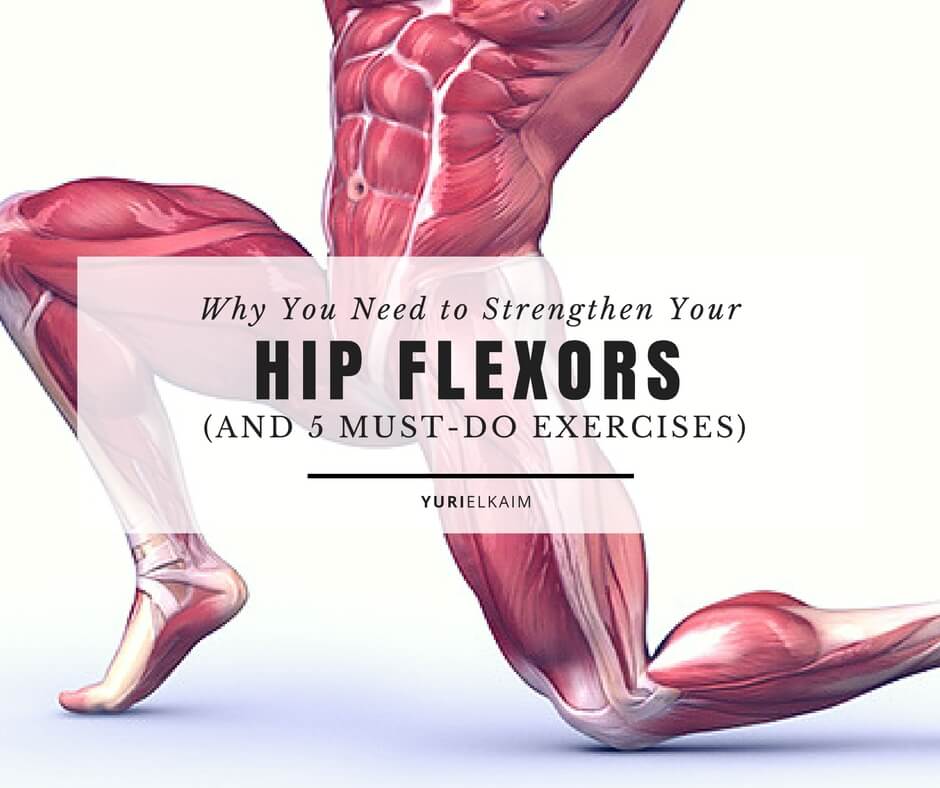
The hip flexors, a crucial group of muscles located at the front of your hip joint, are often overlooked in fitness routines, yet their strength and mobility are paramount for optimal athletic performance, daily function, and injury prevention. These muscles, primarily the iliacus and psoas major (collectively known as the iliopsoas), along with the rectus femoris, sartorius, and tensor fasciae latae, play a multifaceted role in movement. They are responsible for bringing your thigh towards your torso (hip flexion), a fundamental action required for walking, running, jumping, and virtually every lower body movement. Beyond flexion, they also contribute to pelvic stabilization, spinal support, and even hip external rotation. Neglecting their development and maintaining their suppleness leads to a cascade of detrimental effects, impacting everything from your posture and gait to your susceptibility to pain and injury. Understanding the profound impact of weak or tight hip flexors is the first step in recognizing the necessity of proactively strengthening and conditioning them. This article will delve into the specific reasons why prioritizing hip flexor health is not merely beneficial, but essential for anyone seeking to move better, feel better, and perform at their peak.
A primary consequence of underdeveloped hip flexors is compromised posture and spinal alignment. When these muscles are weak, they struggle to adequately support the pelvis. This can lead to an anterior pelvic tilt, where the pelvis is rotated forward, causing the lumbar spine (lower back) to excessively arch. This exaggerated curve, known as lordosis, places undue stress on the vertebrae, intervertebral discs, and surrounding ligaments and muscles. Over time, this chronic misalignment can manifest as persistent lower back pain, stiffness, and a general feeling of being "slumped" or imbalanced. The hips act as the foundation for the entire kinetic chain, and if this foundation is unstable due to weak hip flexors, the entire structure above it becomes compromised, leading to compensatory strategies and further imbalances throughout the body. Strong hip flexors, conversely, help to maintain a neutral pelvic tilt, promoting proper spinal curvature and alleviating strain on the lower back, contributing to a more upright and balanced posture.
Furthermore, weak hip flexors significantly impair athletic performance across a wide spectrum of disciplines. In running, for instance, the hip flexors are responsible for the "pulling" phase of the stride, drawing the leg forward for the next foot strike. Insufficient strength in these muscles results in a shorter, less efficient stride, limiting both speed and endurance. Athletes in sports requiring explosive power, such as jumping sports like basketball and volleyball, or sprinting disciplines in track and field, rely heavily on the rapid and forceful contraction of their hip flexors to generate upward and forward momentum. A deficit here translates directly to reduced vertical leap and acceleration. Similarly, in sports involving kicking, like soccer or martial arts, strong hip flexors are crucial for generating the power and range of motion necessary for effective kicks. Even in activities like cycling, where the pedaling motion involves hip flexion, weaker flexors can lead to inefficiencies and reduced power output.
The intricate interplay between hip flexor strength and core stability cannot be overstated. The hip flexors, particularly the iliopsoas, originate from the lumbar spine and insert onto the femur, effectively bridging the gap between the trunk and the lower extremities. This anatomical connection makes them integral components of the deep core musculature. When the hip flexors are weak, they are less capable of contributing to the stabilization of the pelvis and lumbar spine, placing a greater burden on other core muscles, such as the transversus abdominis and multifidus. This can lead to a feeling of core weakness or a lack of "connection" between the upper and lower body, hindering efficient force transfer during dynamic movements. Strengthening the hip flexors enhances their ability to co-contract with other core muscles, leading to improved overall core stability, which is fundamental for preventing injuries and optimizing athletic performance in virtually every sport and physical activity.
Conversely, it is equally important to address hip flexor tightness. Prolonged periods of sitting, a common occurrence in modern lifestyles, can lead to adaptive shortening of the hip flexors. This chronic tightness can also contribute to anterior pelvic tilt, exacerbating lower back pain and reducing the range of motion in the hip joint. When the hip flexors are tight, they restrict the ability of the gluteal muscles (buttocks) to fully activate and contract. The glutes are powerful extensors of the hip, essential for activities like walking, running, and standing up from a seated position. If the hip flexors are constantly pulling the pelvis forward, they can inhibit the glutes from doing their job effectively, leading to a phenomenon often referred to as "gluteal amnesia" or deactivated glutes. This further perpetuates imbalances and can lead to compensatory movements that strain other muscle groups.
The ramifications of tight and weak hip flexors extend to an increased risk of injury throughout the lower kinetic chain. As mentioned, anterior pelvic tilt caused by tight hip flexors can contribute to lower back pain. However, the impact doesn’t stop there. When the hip flexors are tight and limiting hip extension, the body may compensate by increasing movement at the knee or ankle joint. This can overload these joints, leading to issues like patellofemoral pain syndrome (runner’s knee), IT band syndrome, and even ankle sprains. Furthermore, weakened hip flexors struggle to control the deceleration phase of movement, such as when landing from a jump or stopping abruptly. This lack of control can result in hyperextension of the knee or excessive internal rotation of the tibia, increasing the risk of anterior cruciate ligament (ACL) tears and other knee injuries.
Improving hip flexor strength and flexibility is crucial for enhancing mobility and range of motion in the hip joint. A healthy hip joint allows for smooth and effortless movement in all planes. Tight hip flexors, by limiting hip extension, can restrict activities like walking with a longer stride, reaching overhead with coordinated hip movement, and even performing basic daily tasks with ease. Weakness further compounds this by making controlled movements within the available range difficult. Through targeted strengthening exercises, such as leg raises, hip flexor marches, and resisted hip flexion, and stretching techniques, including kneeling hip flexor stretches and couch stretches, individuals can restore proper muscle length and activation. This improved mobility translates to a more fluid and efficient gait, reduced stiffness, and the ability to perform a wider array of movements with greater comfort and control.
The role of hip flexors in gait mechanics is often underestimated. A properly functioning gait cycle relies on a coordinated sequence of muscle activations. The hip flexors initiate the swing phase by bringing the leg forward, while the glutes and hamstrings work to extend the hip during the stance phase. Weak hip flexors can result in a shortened swing phase, leading to a shuffling or dragging of the feet, which is a common characteristic of certain neurological conditions and also a symptom of general deconditioning. Tight hip flexors can lead to a reduced stride length and an increased degree of knee flexion during the swing phase, as the body attempts to compensate for the restricted hip extension. Strengthening and mobilizing the hip flexors can therefore lead to a more efficient and powerful gait, improving walking speed and reducing the energy expenditure required for locomotion.
Beyond the physical benefits, strong hip flexors contribute to a greater sense of overall bodily control and proprioception. Proprioception is the body’s awareness of its position and movement in space. The hip flexors, with their connection to the pelvis and spine, play a significant role in providing sensory feedback to the brain regarding the position of the trunk and lower limbs. When these muscles are weak or dysfunctional, this sensory feedback can be compromised, leading to a reduced sense of balance and coordination. Targeted hip flexor training can enhance this proprioceptive feedback, leading to improved balance, greater agility, and a more refined sense of motor control, which is vital for preventing falls and navigating complex environments.
The integration of hip flexor strengthening into a comprehensive fitness program is not a niche pursuit; it is a fundamental requirement for anyone seeking to optimize their physical well-being. This involves a multi-pronged approach that includes both strengthening exercises to build muscle capacity and flexibility exercises to maintain optimal muscle length and range of motion. Exercises like hanging leg raises, standing knee raises with resistance bands, and seated hip flexion machine work can effectively target the hip flexors. Complementary stretching routines, such as the kneeling hip flexor stretch, pigeon pose, and dynamic hip flexor activation drills, are crucial for counteracting the tightening effects of daily activities and promoting unimpeded movement. A balanced approach ensures that the hip flexors are both strong and supple, capable of performing their diverse roles without restriction or strain.
The importance of addressing hip flexor strength and flexibility extends to the realm of injury rehabilitation. Following injuries to the lower back, hips, or knees, weak or tight hip flexors can significantly impede the recovery process. Physical therapists often incorporate targeted hip flexor exercises into rehabilitation protocols to restore proper muscle function, improve mobility, and prevent re-injury. By strengthening these muscles, patients can regain functional movement patterns, reduce pain, and return to their pre-injury activity levels more effectively. Conversely, neglecting hip flexor rehabilitation can lead to chronic pain, persistent mobility deficits, and a higher likelihood of future injuries.
In conclusion, the strength and mobility of the hip flexors are foundational to numerous aspects of physical health and performance. Their influence extends from posture and spinal health to athletic prowess, core stability, and injury prevention. Neglecting these crucial muscles invites a host of problems, including lower back pain, reduced athletic capacity, impaired gait, and an increased risk of injuries throughout the lower kinetic chain. By understanding the multifaceted role of the hip flexors and committing to targeted strengthening and flexibility exercises, individuals can unlock their full movement potential, move with greater efficiency and power, and significantly reduce their susceptibility to pain and injury. Prioritizing hip flexor health is not an optional addition to a fitness regimen; it is an indispensable component for anyone aspiring to live a physically active and pain-free life.

