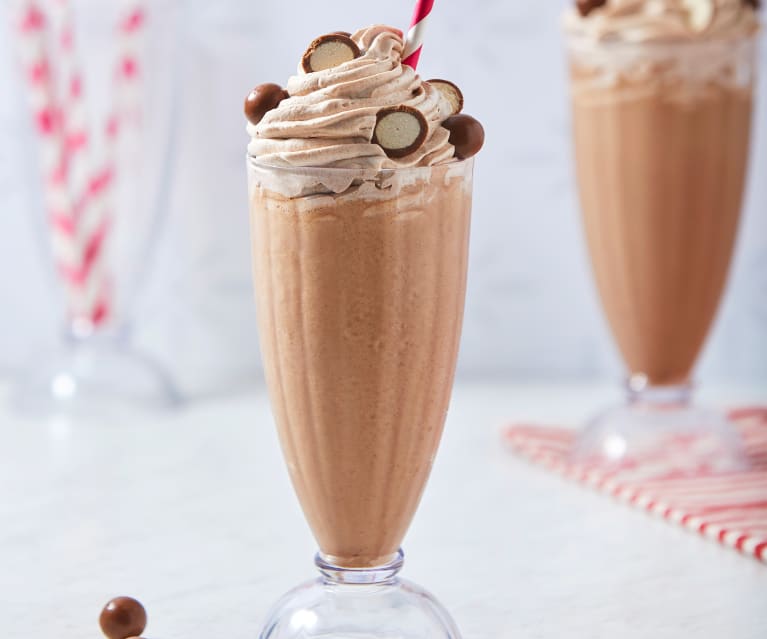
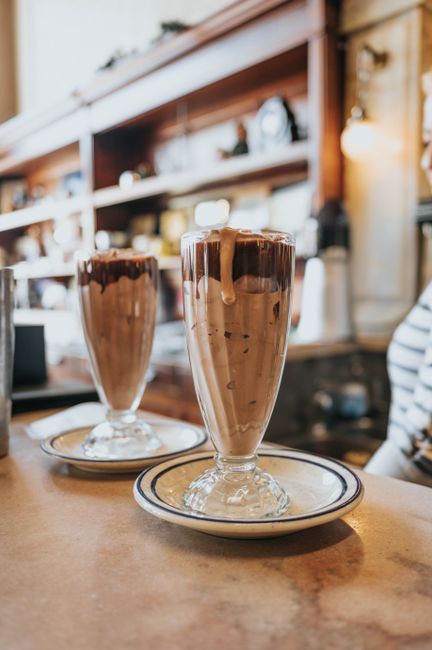
The Ultimate Guide to Crafting the Perfect Askinoise Chocolate Malt Milkshake
Elevating the classic chocolate malt milkshake to an artisanal experience begins with a foundational ingredient of unparalleled quality: Askinoise chocolate. Unlike conventional mass-produced chocolate, Askinoise is renowned for its single-origin, bean-to-bar approach. This meticulous process ensures a depth of flavor and a nuanced complexity that transforms a simple milkshake into a true indulgence. The distinct terroir of the cocoa beans, whether from Ecuador, the Philippines, or Madagascar, imparts unique tasting notes – floral, fruity, or earthy – that will subtly, yet profoundly, influence the final milkshake. When selecting your Askinoise bar, consider the percentage of cacao. A higher percentage, such as 70% or above, will yield a richer, more intense chocolate flavor, while a slightly lower percentage, perhaps 60-65%, might offer a more balanced sweetness that complements the malt. For the ultimate Askinoise chocolate malt milkshake, aiming for a bar with notes that harmonize with malt’s inherent toasted, slightly bitter profile is ideal. Think of dark chocolate with hints of coffee, roasted nuts, or even a touch of smokiness. The quality of the chocolate is not merely a component; it is the soul of this elevated beverage.
The malted aspect of this milkshake is equally crucial and demands attention beyond the readily available powdered malted milk. While convenient, commercial malt powders often contain fillers and artificial flavors that dilute the authentic malty essence. For a truly superior Askinoise chocolate malt milkshake, seek out high-quality malt extract or malted barley flour. Malt extract, often found in health food stores or specialty brewing supply shops, offers a concentrated, syrupy sweetness with a pronounced malty character. It’s available in both light and dark varieties, each imparting distinct nuances. Light malt extract will lend a softer, sweeter malty flavor, while dark malt extract will contribute a deeper, more roasted, and slightly more complex profile, akin to dark beer. Alternatively, malted barley flour, milled from roasted barley, provides a more rustic and nuanced malty flavor. This flour can be whisked directly into the milkshake base, adding both flavor and a subtle textural element. The key is to use these premium malt sources judiciously. Overpowering the delicate chocolate notes of the Askinoise with an excess of malt is a common pitfall. Start with a smaller amount and gradually increase to achieve the desired balance. The goal is a harmonious interplay where the malt enhances, rather than competes with, the exquisite chocolate.
The choice of ice cream serves as the creamy canvas for the Askinoise chocolate and malt symphony. While any good quality vanilla ice cream can serve as a base, opting for a premium, all-natural vanilla bean ice cream will elevate the milkshake further. Look for ice creams made with real vanilla beans, evident by the tiny black flecks suspended throughout. This provides a superior aromatic complexity and a more authentic sweetness compared to artificial vanilla flavoring. For an even more decadent experience, consider a rich, European-style ice cream with a higher butterfat content. This will contribute to a silkier, more luxurious mouthfeel, allowing the chocolate and malt flavors to linger on the palate. If you’re feeling particularly adventurous, explore artisanal ice cream makers that might offer a "sweet cream" or "plain" ice cream base. This will allow the Askinoise chocolate and malt to shine through without any competing vanilla notes. The temperature of your ice cream is also a critical factor in achieving the perfect consistency. Slightly softened ice cream, rather than rock-hard, will blend more easily and result in a smoother, less icy texture.
Milk is the binding agent that brings the ingredients of your Askinoise chocolate malt milkshake together into a cohesive, drinkable form. Whole milk is the undisputed champion here, providing the richest and creamiest base. Its higher fat content contributes to a more decadent texture and allows the flavors to emulsify beautifully. For those seeking a lighter option, consider whole milk with a reduced fat content, such as 2% milk. However, be mindful that this may slightly alter the overall richness of the milkshake. For individuals with lactose intolerance or dairy allergies, unsweetened, full-fat coconut milk or cashew milk can be viable alternatives. These plant-based options can impart subtle nutty undertones that can complement the chocolate and malt, but it’s essential to choose brands with minimal additives to avoid an artificial aftertaste. The quantity of milk used is a delicate dance of preference and desired consistency. Too little milk will result in a thick, almost spoonable concoction, while too much will yield a thin, watery beverage. Begin with a conservative amount and gradually add more until the desired pouring consistency is achieved.
The art of blending is paramount to achieving a smooth, homogenous Askinoise chocolate malt milkshake. The key is to blend just enough to incorporate all ingredients without over-blending, which can introduce too much air and create a frothy, less dense texture. A high-powered blender is an advantage, but even a standard blender can produce excellent results with careful technique. Begin by adding your softened ice cream, followed by the chopped or melted Askinoise chocolate, malt extract or flour, and then the milk. Pulse the blender a few times initially to break down larger pieces, then switch to a lower speed for continuous blending. Observe the mixture closely. You are aiming for a smooth, thick consistency with no discernible ice crystals or lumps of chocolate. If the mixture is too thick, add milk incrementally, blending briefly after each addition. Conversely, if it’s too thin, you can add a few more small scoops of ice cream and blend again until the desired thickness is reached. The temperature of your ingredients also plays a role. Chilled milk and slightly softened, but not melted, ice cream will contribute to a colder, more refreshing milkshake.
For the ultimate Askinoise chocolate malt milkshake, the preparation of the chocolate itself is a significant step. While you can melt the Askinoise bar and incorporate it, a more nuanced approach involves tempering the chocolate. Tempering realigns the cocoa butter crystals within the chocolate, resulting in a glossy finish, a satisfying snap, and a smoother melt-in-your-mouth experience. This process involves melting the chocolate to a specific temperature, cooling it, and then gently rewarming it. For a simplified approach that still enhances the chocolate’s texture within the milkshake, melt the Askinoise bar using a double boiler or in short bursts in the microwave, stirring frequently. Once melted, allow it to cool slightly before adding it to the blender. This prevents it from melting the ice cream too rapidly, thus maintaining the milkshake’s desired cold temperature and thick consistency. The quality of the melt directly impacts how seamlessly the chocolate flavor integrates into the milkshake, avoiding a grainy or separated texture.
The malting process, particularly when using malted barley flour, can be further enhanced through a light toasting. Gently toasting malted barley flour in a dry pan over low heat for a few minutes until fragrant can deepen its nutty, roasted notes. This is a subtle step but one that adds another layer of complexity to the malty flavor profile. Ensure the heat is low and constant to prevent burning, which would introduce an acrid, undesirable bitterness. The aroma released during this toasting is a good indicator of its readiness. This toasted flour should then be incorporated into the milkshake mixture as described previously. For malt extract, while toasting isn’t applicable, choosing a reputable brand that uses traditional malting processes will ensure a superior flavor compared to mass-produced alternatives. The origin and type of barley used in the malting process also contribute to the final flavor, with different barley varietals offering distinct sweet and roasted characteristics.
A truly exceptional Askinoise chocolate malt milkshake often benefits from the addition of a rich, house-made chocolate syrup. This allows for greater control over the sweetness and the intensity of the chocolate flavor. To create this, gently heat equal parts of good quality dark chocolate (ideally a single-origin bar similar to your chosen Askinoise) and heavy cream until the chocolate is fully melted and the mixture is smooth. You can then incorporate a touch of sugar if desired, but the natural sweetness of the chocolate might suffice. For an even more intense chocolate experience, a hint of cocoa powder can be whisked in. This homemade syrup, when blended into the milkshake, provides a concentrated burst of chocolate that complements the melted bar, creating a multi-dimensional chocolate profile. The consistency of the syrup should be pourable but not watery, ensuring it integrates well without thinning the milkshake.
The addition of a pinch of sea salt is a secret weapon for unlocking and intensifying the complex flavors in any dessert, including this Askinoise chocolate malt milkshake. A small amount of flaky sea salt, such as Maldon or Fleur de Sel, can subtly enhance the sweetness of the chocolate and the malt, while also providing a counterpoint to the richness. It doesn’t make the milkshake salty; rather, it amplifies the existing flavors, creating a more rounded and sophisticated taste experience. The salt crystals, when they remain partially undissolved, also offer delightful little bursts of salinity that cut through the sweetness, preventing palate fatigue. Start with a very small pinch and taste. You can always add more, but you can’t take it away. The quality of the salt is important; avoid iodized table salt, which can have an off-putting metallic taste.
For those seeking an even deeper malty character, a small quantity of brewer’s yeast or nutritional yeast can be introduced. While seemingly unconventional, these ingredients, when used in very small amounts, can contribute a savory, umami depth that complements the roasted notes of malt. Brewer’s yeast, in particular, has a distinct bready, nutty flavor. Nutritional yeast offers a more cheesy, savory profile, which can be surprisingly effective in balancing the sweetness of chocolate. It is crucial to use these ingredients sparingly, as they can quickly overpower the delicate balance of the milkshake. Their purpose is to add a subtle layer of complexity, not to dominate. Experimentation is key here; start with a tiny fraction of a teaspoon and taste before adding more.
The Askinoise chocolate malt milkshake, at its zenith, is a harmonious marriage of high-quality ingredients and thoughtful preparation. From the meticulously sourced single-origin chocolate to the carefully selected malt and premium ice cream, each component plays a vital role. The execution of the blending process, the subtle nuances of salt and perhaps even yeast, all contribute to a beverage that transcends the ordinary. This is not merely a sweet treat; it is an exploration of flavor, a testament to the power of exceptional ingredients, and a truly indulgent experience for the discerning palate, leaving a lasting impression that celebrates the art of both chocolate and malt.

