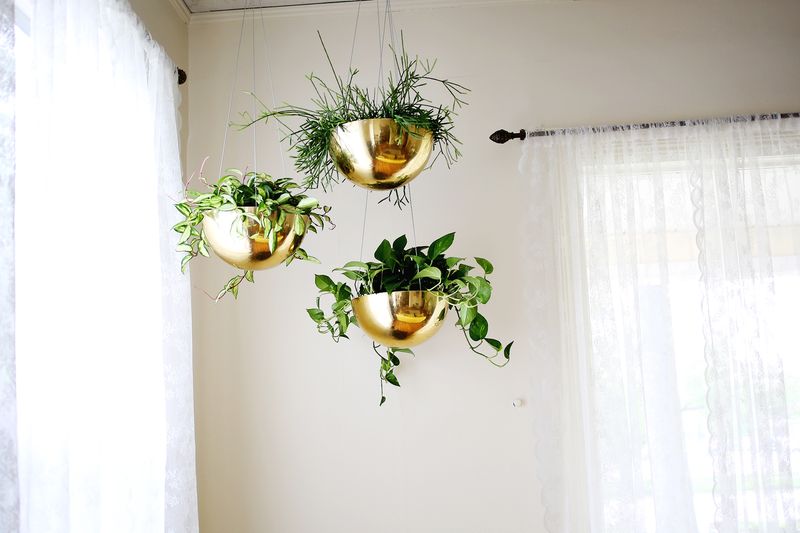

Elevating Interiors: A Comprehensive Guide to Hanging Vintage Brass Planters
Hanging vintage brass planters offer a unique and sophisticated approach to interior and exterior décor, seamlessly blending functionality with timeless aesthetic appeal. Their inherent patina, the subtle variations in tone, and the rich gleam of aged brass evoke a sense of history and curated elegance, transforming ordinary spaces into captivating displays of botanical artistry. This guide delves into every facet of incorporating these treasured pieces, from sourcing and preparation to strategic placement and the cultivation of thriving plant life, ensuring a successful and stylish integration into your living environment. Understanding the inherent qualities of vintage brass is paramount. Unlike their modern counterparts, vintage planters often showcase handcrafted details, intricate engravings, and a substantial weight that speaks to their enduring craftsmanship. The natural oxidation process imbues the brass with a unique character, developing a rich patina that ranges from deep gold to verdigris green, each hue telling a story of its past. This organic aging is not a defect but a desirable feature, adding depth and warmth to any design scheme.
Sourcing Your Vintage Brass Treasures
The hunt for the perfect vintage brass planter is an integral part of the experience. Antique shops, flea markets, estate sales, and specialized online marketplaces are fertile grounds for discovery. When searching, look for planters that resonate with your personal style. Consider the size and shape; do you envision delicate hanging baskets for trailing vines, or more robust vessels for statement foliage? Inspect for structural integrity. While some minor dents and scratches are part of the vintage charm, significant damage such as cracks or severe corrosion may compromise the planter’s longevity and ability to hold soil and water. Pay attention to the hanging mechanisms. Are they secure and robust? Do they require modification or reinforcement? Examine the interior for any residual soil or mineral buildup that might require thorough cleaning. Sometimes, hidden gems are found in unexpected places, so keep an open mind and a discerning eye. Documenting your finds, perhaps with photos, can also be helpful when comparing options or seeking advice from fellow collectors.
Preparation and Restoration: Unveiling the Brass’s Brilliance
Once acquired, vintage brass planters often benefit from a gentle restoration process to enhance their beauty and ensure their suitability for housing plants. Begin with a thorough cleaning. For general dirt and grime, a soft cloth dampened with warm, soapy water is usually sufficient. For more stubborn tarnish or discoloration, a mild brass cleaner can be employed. Always test the cleaner on an inconspicuous area first to ensure it doesn’t overly abrade the surface or remove desirable patina. Avoid abrasive scrubbers or harsh chemicals, as these can damage the brass and diminish its vintage character. If the planter has drainage holes, inspect them and clear any blockages. If they are absent, consider drilling them carefully. Proper drainage is absolutely crucial for plant health, preventing waterlogged soil and root rot. For planters that are intended for interior use and may not have a watertight seal, consider using an inner liner. A plastic pot that fits snugly inside the brass planter, or a heavy-duty plastic liner, will protect the brass from direct contact with water and soil, extending its lifespan and preventing potential water damage to surrounding surfaces. Ensure the liner allows for adequate drainage.
Strategic Placement: Maximizing Light and Aesthetic Impact
The strategic placement of hanging vintage brass planters is key to both plant well-being and visual harmony. Consider the light requirements of the plants you intend to house. Many plants thrive in bright, indirect light, making windowsills, alcoves near windows, or areas where light is filtered through sheer curtains ideal locations. For plants that prefer lower light conditions, consider hanging them further into the room, away from direct sunlight. The height at which you hang the planters is also important. Aim for a height that allows the plants to cascade naturally without overwhelming the space or becoming a tripping hazard. Hanging them at eye level or slightly above can create a pleasing visual balance. Consider the overall flow of your space. Hanging planters can be used to draw the eye, define zones, or add vertical interest to a room. Grouping multiple planters of varying sizes and with different plant species can create a stunning botanical display. Experiment with different heights and arrangements to find what best suits your décor and the architectural features of your space. For areas that receive direct sunlight, be mindful of potential scorching of delicate leaves. Sheer curtains or strategically placed accessories can help diffuse harsh rays.
Hanging Hardware: Securing Your Botanical Investments
The method of hanging vintage brass planters requires careful consideration to ensure safety and stability. The weight of the planter, filled with soil and a mature plant, can be substantial. Always opt for robust and appropriate hanging hardware. Ceiling hooks should be screwed directly into joists or beams for maximum support. If screwing into drywall, use heavy-duty drywall anchors specifically designed for significant weight loads. S-hooks, chains, or macrame hangers can be used to connect the planter to the ceiling hook, allowing for adjustability and visual appeal. Ensure the chain or cord is strong enough to support the weight. For wall-mounted planters, sturdy brackets that are securely fastened to wall studs are essential. Consider the aesthetic of the hanging mechanism itself. Aged chains, rustic metal S-hooks, or hand-knotted macrame can complement the vintage brass, enhancing the overall look. Regularly inspect your hanging hardware for any signs of wear or corrosion and replace it as needed to prevent accidents. The type of ceiling or wall material will dictate the most appropriate fastening method. Consulting a professional for installation in load-bearing areas is always a wise precaution.
Plant Selection: Complementing Brass with Greenery
The choice of plants to inhabit your vintage brass planters significantly influences the overall aesthetic. Consider plants that complement the warm, rich tones of brass and whose growth habits suit hanging arrangements. Trailing plants like Pothos (Epipremnum aureum), Spider Plants (Chlorophytum comosum), and String of Pearls (Senecio rowleyanus) are perennial favorites, their cascades creating a lush, overflowing effect. For a more structured look, consider upright plants that offer textural contrast, such as small ferns or certain varieties of peperomia. Plants with variegated foliage can add pops of color and visual interest, breaking up the uniform gleam of the brass. Think about the plant’s light and water needs and match them to the chosen planting location. A plant that requires frequent watering might be better suited to a planter with excellent drainage and a location where overwatering is less likely to cause damage. Conversely, drought-tolerant succulents or cacti can thrive in slightly less frequented areas, adding a sculptural element. Don’t be afraid to mix and match plant types, creating dynamic vignettes. Consider the scent of flowering plants as well, if your chosen location can accommodate them without being overpowering.
Maintenance and Care: Nurturing Your Living Art
Consistent care is essential to keep both your vintage brass planters and their inhabitants looking their best. Regular watering is crucial, but overwatering is a common pitfall. Always check the soil moisture before watering. Stick your finger about an inch into the soil; if it feels dry, it’s time to water. Ensure excess water can drain away. Fertilize your plants according to their specific needs, typically during the growing season. Dust the brass planters periodically with a soft cloth to maintain their gleam and prevent the buildup of grime. If the patina begins to darken or develop an undesirable tarnish, a gentle polishing with a suitable brass cleaner can be undertaken, always with a light hand to preserve the history. Rotate your hanging planters occasionally to ensure even growth and to expose all sides of the plant to light. Inspect your plants regularly for signs of pests or diseases and address any issues promptly. Pruning is also important for maintaining the desired shape and size of your plants, encouraging bushier growth and preventing them from becoming leggy. Deadheading spent flowers will promote further blooms and maintain the planter’s tidy appearance.
Beyond the Home: Exterior Applications
Vintage brass planters are not confined to indoor spaces; they can dramatically enhance exterior areas as well. Patios, balconies, entryways, and even garden pergolas can be transformed with the addition of hanging brass. In exterior settings, consider the impact of weather. Brass can develop a more pronounced patina outdoors due to exposure to the elements. This can be a desirable effect, adding to the aged, romantic charm. However, ensure that the hanging hardware is rust-resistant and that the planters themselves are secured against strong winds. Plants that are well-suited to your local climate and can withstand outdoor conditions are essential. Flowering vines like Mandevilla or Jasmine can create a fragrant and visually stunning display. Small citrus trees or herbs can also be successfully grown in larger hanging brass planters on patios. Consider the level of direct sunlight and prevailing winds when selecting plants for exterior locations. The warm gleam of brass can beautifully contrast with the vibrant greens and colors of outdoor foliage, creating an inviting and elegant ambiance for your outdoor living spaces. Think about how the planters will interact with natural light throughout the day, noting how shadows and highlights will shift and change.
Troubleshooting Common Issues
Despite best intentions, challenges can arise when working with vintage brass planters. If your brass is tarnishing too quickly, consider the humidity levels in your space. High humidity can accelerate oxidation. Using a dehumidifier or ensuring good ventilation can help. If plants are consistently drying out too quickly, it may indicate the planter is too small for the plant’s root system, or that the soil mixture isn’t retaining moisture effectively. Repotting into a slightly larger planter with appropriate potting soil can resolve this. Conversely, if the soil remains waterlogged, drainage is likely the culprit. Ensure drainage holes are adequate and that the soil is not too compacted. Yellowing leaves on plants can signal a variety of issues, including overwatering, underwatering, nutrient deficiency, or insufficient light. Careful observation and addressing the most probable cause based on your care routine are key. For pests, early detection is vital. Isolate affected plants and use natural pest control methods where possible, such as neem oil or insecticidal soap, to avoid damaging the brass. Persistent issues may warrant consulting a local nursery or horticultural expert.
The Enduring Appeal of Vintage Brass
Hanging vintage brass planters offer a timeless and elegant solution for adding botanical beauty and character to any environment. Their rich history, unique patina, and inherent warmth make them more than just containers for plants; they are decorative objects that tell a story and elevate the everyday. By understanding their sourcing, preparation, and care, you can unlock their full potential, creating captivating displays that are both aesthetically pleasing and a testament to enduring design. The interplay of light, shadow, and texture created by these pieces, combined with the vibrant life of the plants they hold, cultivates a sense of curated sophistication that is difficult to replicate with modern alternatives. Investing in vintage brass planters is an investment in enduring style and a unique opportunity to infuse your living spaces with personality and a touch of timeless allure.
