
Our First Completed Room Reveal: Embracing the Charm of the Smallest Space
Today, we’re incredibly excited to pull back the curtain on our first completed room in our new space – a significant milestone in our renovation journey. It might seem counterintuitive to tackle the smallest room first, but there’s a deliberate strategy behind this choice, and it’s certainly no coincidence. This intimate area presented a unique set of challenges and opportunities, forcing us to be exceptionally creative and resourceful with every design decision. Embracing the limitations of a compact footprint allowed us to experiment with bold ideas and refine our aesthetic without the overwhelming scale of larger projects. This initial success, even in a diminutive setting, fuels our enthusiasm and provides invaluable lessons that will undoubtedly inform the remaining rooms in our new home. The meticulous planning and execution involved in transforming this modest space have reinforced our commitment to thoughtful design and a functional, beautiful living environment. We believe that even the smallest rooms deserve to be treated with the same level of care and attention as their more expansive counterparts.
The strategic decision to begin with the smallest room in our new space was rooted in a desire to achieve a swift, tangible victory. This initial completion provides a crucial morale boost, demonstrating tangible progress and validating our vision for the entire renovation. Furthermore, smaller spaces often demand more precise and efficient design solutions. This forces a rigorous examination of every element – from furniture scale and placement to color palettes and lighting – ensuring that each component serves a purpose and contributes to the overall harmony. It’s an excellent proving ground for innovative storage ideas, multi-functional furniture, and space-saving techniques that might be overlooked in larger areas. By mastering the art of maximizing utility and aesthetic appeal in a confined volume, we gain a deeper understanding of how to apply these principles throughout our home. This initial success allows us to build momentum, learn from our experiences, and confidently approach the more significant projects that lie ahead. The psychological impact of completing even a small space cannot be overstated; it transforms abstract plans into a concrete reality, fostering excitement and anticipation for the rest of the renovation.
This particular room, due to its diminutive dimensions, became a playground for maximizing vertical space. We understood from the outset that sprawling furniture and horizontal clutter would quickly overwhelm the area. Therefore, our focus shifted upwards, utilizing the walls as our primary canvas for both storage and visual interest. This involved a carefully curated selection of floating shelves, strategically placed to avoid a cluttered feel while offering ample room for books, decorative items, and essential storage. We opted for sleek, minimalist shelf designs in a complementary material to the walls, ensuring they integrated seamlessly rather than appearing as an afterthought. Above the shelving, we introduced a series of vertical art pieces, drawing the eye upwards and creating an illusion of greater height. The choice of artwork was intentional, featuring motifs and colors that echoed the room’s overall theme, further enhancing its cohesive feel. Lighting also played a critical role in this vertical strategy. Instead of relying on a single, harsh overhead light, we incorporated a layered lighting approach. Wall-mounted sconces provided ambient light without occupying floor space, while a slim, floor-to-ceiling reading lamp near a designated seating area offered focused illumination. This thoughtful combination of vertical storage and lighting not only solved practical needs but also contributed significantly to the room’s perceived spaciousness. The visual effect is one of an elegant, well-organized space that feels larger than its actual square footage.
The color palette for this small room was another crucial element that contributed to its successful transformation. We deliberately chose a light and airy color scheme to visually expand the space. A soft, neutral base color was applied to the walls, creating a blank canvas that reflected light beautifully. This neutral foundation was then punctuated with strategic pops of color through accessories and smaller decorative elements. For instance, we introduced accent pillows and throws in a vibrant yet calming hue that contrasted subtly with the walls. This technique avoids overwhelming a small room with too much dominant color, instead offering visual intrigue and personality. The floor, too, played a role in this chromatic strategy. We opted for a light-colored flooring material, which further enhanced the feeling of openness. The way light interacts with color is paramount in compact spaces, and our choices were driven by this understanding. We avoided dark, heavy colors that could absorb light and make the room feel claustrophobic. Instead, we focused on hues that would bounce light around, creating a bright and inviting atmosphere. This careful consideration of color not only impacts the visual perception of size but also significantly influences the overall mood and energy of the space, making it feel more tranquil and welcoming.
Furniture selection for a small room requires a keen eye for multi-functionality and appropriate scale. We meticulously chose pieces that could serve multiple purposes and were sized to fit the space without overwhelming it. Instead of a bulky traditional sofa, we opted for a compact, yet comfortable loveseat upholstered in a durable, light-colored fabric. This choice allowed for ample seating without dominating the floor plan. Adjacent to the loveseat, we incorporated a small, round coffee table with a minimalist design. Its circular shape eliminated sharp corners, making it easier to navigate the room, and its open base prevented it from feeling too heavy. For additional seating and storage, we introduced a versatile ottoman. This piece could function as extra seating, a footrest, or even a makeshift coffee table when needed, and often featured hidden storage compartments for blankets or magazines. When considering larger pieces of furniture, like a bookshelf, we prioritized vertical storage solutions and streamlined designs. A tall, narrow bookshelf occupied minimal floor space while offering significant storage capacity. The key was to select pieces that were proportionate to the room’s size, avoiding anything that would make the space feel cramped or difficult to move around in. Every furniture item was chosen not just for its aesthetic appeal but also for its practical contribution to the room’s functionality and its ability to enhance the feeling of spaciousness.
The importance of natural light in a small room cannot be overstated, and we made conscious efforts to maximize its presence. We opted for lightweight, sheer curtains that diffused sunlight rather than blocking it. This allowed natural light to flood the room while still providing a degree of privacy. Where privacy was more of a concern, we implemented slatted blinds that could be adjusted to control the amount of light entering the space. Furthermore, we strategically placed mirrors throughout the room. A large statement mirror hung opposite the primary window served to reflect natural light deeper into the room, creating an illusion of greater depth and spaciousness. Smaller accent mirrors were also incorporated on shelving and above furniture, further amplifying the light and adding a touch of sparkle. The deliberate avoidance of heavy, dark window treatments was a crucial step in ensuring the room felt as open and airy as possible. Even in the evenings, the lighting design contributed to this sense of openness. We employed a layered lighting strategy, combining ambient, task, and accent lighting. Recessed ceiling lights provided general illumination, while a slim floor lamp offered focused light for reading. Small accent lights were strategically placed to highlight decorative elements and create a warm, inviting glow. This careful attention to both natural and artificial light ensures the room feels welcoming and spacious at all times of the day.
Organization and decluttering were paramount to the success of this small room transformation. The limited square footage demands a ruthless approach to what is kept and how it is stored. We implemented a "less is more" philosophy, ensuring that only essential items and carefully curated decorative pieces found a home within the space. This involved extensive decluttering of pre-existing belongings, donating or discarding anything that wasn’t truly necessary or loved. For the items that remained, we invested in smart storage solutions. This included woven baskets and decorative boxes for corralling smaller items on shelves and within cabinets. These containers not only helped to keep the space tidy but also added to the room’s aesthetic appeal. Drawer organizers were utilized within any existing cabinetry to maximize the efficiency of storage. The visual impact of a well-organized space is profound, especially in a small room. It eliminates the feeling of chaos and allows the carefully chosen design elements to shine. This disciplined approach to organization is a cornerstone of successful small-space design and has become a guiding principle for our ongoing renovation. Every item has its designated place, contributing to a sense of order and calm.
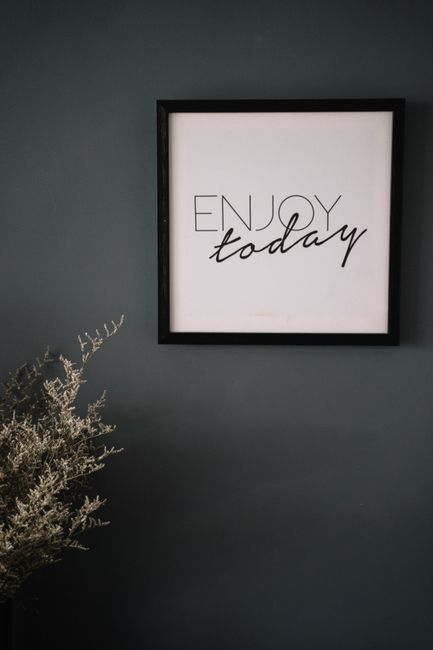
The selection of decorative accents for this first completed room was about adding personality and depth without overwhelming the space. We focused on quality over quantity, choosing a few impactful pieces that resonated with our overall design vision. This included a carefully selected piece of artwork that served as a focal point, drawing the eye and adding a splash of color. Textural elements were also incorporated through throws, pillows, and perhaps a small rug. These additions brought warmth and comfort to the space without adding visual bulk. Greenery, in the form of a small potted plant, was introduced to add life and a touch of nature. The key was to ensure that each decorative item served a purpose, whether it was aesthetic, functional, or emotional. Overcrowding the space with too many trinkets would have quickly led to a cluttered and smaller-feeling environment. Instead, we opted for a curated approach, allowing each element to breathe and be appreciated. This careful selection process ensures that the room feels personal and inviting, reflecting our style and creating a comfortable haven.
The process of completing this first room in our new space has been incredibly rewarding, offering invaluable insights that will shape the rest of our renovation. It has proven that with thoughtful planning, creative problem-solving, and a disciplined approach to design, even the most compact of spaces can be transformed into something beautiful and functional. This initial success is more than just a completed room; it’s a testament to our vision and a powerful motivator as we continue to embark on the journey of creating our dream home, one meticulously designed space at a time. We’ve learned that embracing limitations can often lead to the most innovative solutions, and that every square inch, no matter how small, holds the potential for significant impact. The lessons learned here will undoubtedly be applied with even greater confidence as we move on to larger areas, ensuring a cohesive and beautifully executed design throughout our entire new space. This room, though small, represents a significant leap forward and a promising start to our new chapter.
