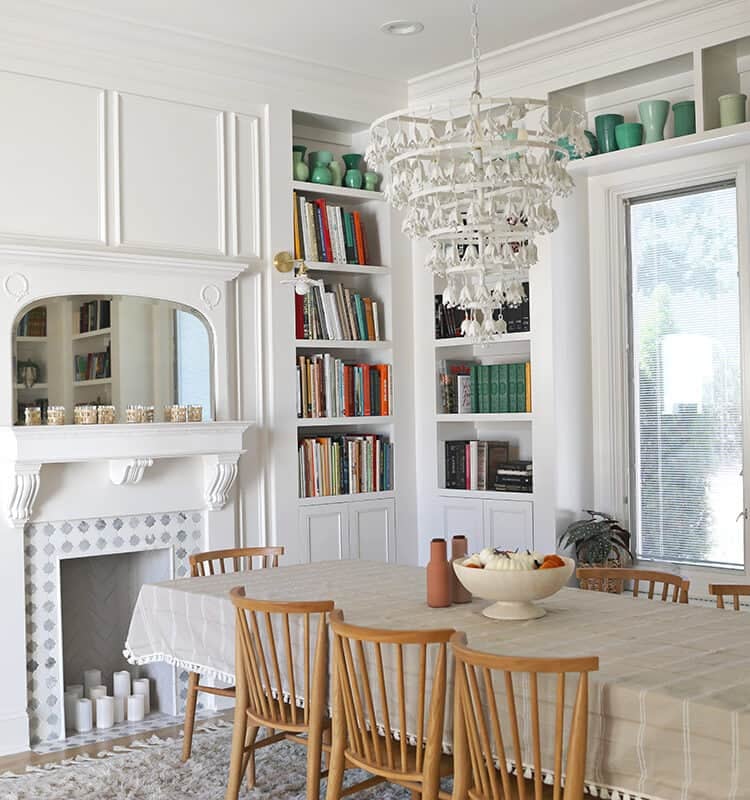

Elsie’s Dining Room: A Masterclass in Timeless Elegance and Culinary Inspiration
Elsie’s dining room stands as a testament to the power of considered design, where functionality gracefully intertwines with aesthetic appeal, creating a space that is both inviting for everyday meals and sophisticated enough for celebratory gatherings. This meticulously curated space transcends fleeting trends, instead embracing a timeless elegance that resonates with warmth and personal style. From the foundational elements of its architecture to the delicate touches of its decor, every aspect of Elsie’s dining room is a deliberate choice, contributing to an atmosphere that encourages conversation, fosters connection, and elevates the act of dining. The very essence of this room lies in its ability to evoke a sense of comfort while simultaneously exuding an undeniable refinement.
The architectural bones of Elsie’s dining room provide the initial framework for its sophisticated character. High ceilings, a hallmark of classic design, contribute to an open and airy feel, preventing the space from feeling claustrophobic even with substantial furnishings. Crown molding, intricately detailed, not only draws the eye upwards but also adds a layer of architectural depth and formality. These traditional elements, often overlooked in contemporary design, anchor the room in a sense of history and gravitas. Large, strategically placed windows are a crucial feature, bathing the space in natural light throughout the day. This inherent illumination is not only practical for mealtimes but also softens the overall ambiance, making the room feel more welcoming. The quality of the light entering the room is further enhanced by the window treatments. Heavy, floor-to-ceiling draperies, in a rich, deep velvet, not only provide effective light control and privacy but also introduce a luxurious texture and a sense of opulent warmth. The color of these draperies is carefully chosen to complement the existing color palette of the room, acting as a visual anchor. Subtle yet effective, the presence of these architectural details collectively sets a refined tone, preparing the stage for the carefully selected furnishings and decor that will define the room’s personality.
The centerpiece of any dining room is, unequivocally, the dining table. Elsie’s choice is a substantial, handcrafted piece, likely fashioned from a rich, dark wood such as mahogany or walnut. The inherent grain and subtle sheen of the wood speak to its quality and durability, promising to be a surface that can withstand generations of shared meals. The table’s design is likely to be a classic, perhaps a sturdy pedestal base or elegantly turned legs, avoiding overly ornate or fussy details. Its generous dimensions suggest an intention for hosting, comfortably accommodating a significant number of guests, fostering an environment of convivial gathering. Surrounding the table are the dining chairs, a vital component in both comfort and style. Elsie’s selection is likely a set of upholstered chairs, offering plush seating that encourages lingering conversations. The fabric of the upholstery is a key element – perhaps a durable yet luxurious linen blend or a subtle damask, chosen to complement the draperies and other soft furnishings. The chair backs might feature subtle tufting or a decorative nailhead trim, adding a touch of artisanal detail without overwhelming the overall aesthetic. The chairs are thoughtfully positioned, allowing ample space for movement and ensuring a comfortable dining experience for all. The synergy between the table and chairs is paramount; they are not merely individual pieces but a cohesive unit designed to facilitate shared experiences and comfortable sustenance.
The flooring in Elsie’s dining room plays a significant role in its overall warmth and sophistication. A classic, dark hardwood floor is a likely choice, its rich tones adding depth and grounding the space. The natural variations in the wood grain introduce organic texture and visual interest, creating a sense of timeless appeal. To further enhance comfort and to define the dining area, a substantial area rug is positioned beneath the table and chairs. The rug is likely to be made from natural fibers such as wool, known for its durability and luxurious feel. Its pattern and color are carefully considered to harmonize with the room’s color palette. A traditional Oriental rug with intricate patterns or a more contemporary geometric design in muted tones could both serve to elevate the space. The rug not only provides a soft landing for feet and helps to absorb sound, contributing to a more serene dining experience, but it also visually anchors the dining set, creating a distinct zone within the room. The interplay of the hardwood and the rug creates a layered effect, adding both visual and tactile richness to the foundation of the room.
Lighting is an art form in Elsie’s dining room, meticulously orchestrated to create distinct moods and highlight key features. The primary source of illumination is a magnificent chandelier, likely suspended directly above the dining table. This statement piece is more than just a light fixture; it’s a focal point, an objet d’art in itself. It could be a grand crystal chandelier, its facets scattering light into a dazzling array of prisms, or a more minimalist design in brushed brass or wrought iron, depending on the desired aesthetic. The chandelier’s scale is proportional to the room and the table, ensuring it commands attention without overpowering the space. In addition to the overhead lighting, strategically placed table lamps on nearby credenzas or sideboards offer softer, more ambient illumination. These lamps, with their elegantly designed bases and finely crafted lampshades, cast a warm, inviting glow, perfect for creating an intimate atmosphere during evening meals. Wall sconces, mounted at either end of the room or flanking a significant piece of art, provide accent lighting, highlighting architectural details or artwork. The use of dimmer switches is a crucial element, allowing Elsie to control the intensity of the light, adapting the ambiance from bright and cheerful for daytime meals to soft and romantic for evening gatherings. This thoughtful approach to lighting transforms the dining room from a purely functional space into one capable of evoking a range of emotional responses.
The color palette of Elsie’s dining room is a symphony of carefully chosen hues, designed to create a sense of warmth, sophistication, and visual harmony. A neutral base, perhaps a sophisticated greige or a soft, warm ivory, forms the foundation, allowing other elements to take center stage. This neutral backdrop provides a sense of calm and timelessness. Accent colors are introduced through the furnishings, artwork, and decorative accessories. Deep jewel tones like emerald green, sapphire blue, or ruby red might be present in the upholstery, draperies, or accent pillows, adding depth and richness. Alternatively, warmer earth tones such as terracotta, burnt orange, or deep mustard could be employed to create a cozier, more rustic feel. The careful balance of these colors prevents the room from feeling overwhelming, instead fostering a sense of curated elegance. The interplay of light and shadow, influenced by the color choices and the lighting design, further enhances the room’s depth and dimensionality. The overall effect is a space that feels both inviting and refined, a perfect setting for conversation and culinary enjoyment.
Decorative elements in Elsie’s dining room are not mere afterthoughts but integral components of its design narrative. Art plays a pivotal role, with carefully selected pieces adorning the walls. These could range from striking landscape paintings to abstract sculptures, each chosen for its ability to spark conversation or evoke emotion. The frames themselves are often works of art, complementing the artwork and adding to the room’s overall aesthetic. Mirrors are strategically placed to enhance the sense of space and to reflect light, making the room feel larger and brighter. An antique-framed mirror above a sideboard or a triptych of smaller mirrors can add a touch of glamour. The sideboard or buffet is a functional and decorative piece, offering valuable storage for linens, serving ware, and other dining essentials. Its surface is often adorned with carefully arranged decorative objects, such as ceramic vases, silver candlesticks, or framed photographs, each chosen to add a personal touch. Fresh flowers or elegant artificial arrangements in a beautiful vase add a natural element and a touch of freshness. The inclusion of personal mementos, such as family photographs or cherished heirlooms, infuses the space with a sense of history and individuality, transforming it from a purely decorative space into a reflection of Elsie’s life and personality.
The sensory experience of Elsie’s dining room extends beyond the visual. The subtle scent of beeswax from a flickering candle or the faint aroma of fresh flowers contributes to the overall ambiance. The tactile qualities of the materials – the smooth wood of the table, the plush upholstery of the chairs, the soft fibers of the rug – engage the sense of touch, enhancing the feeling of comfort and luxury. The acoustics of the room are also carefully considered. The presence of soft furnishings like draperies and rugs helps to absorb sound, creating a more intimate and less echoey environment, conducive to conversation. This holistic approach to design, where all senses are considered, creates a truly immersive and memorable dining experience.
Ultimately, Elsie’s dining room is more than just a collection of beautiful objects; it is a thoughtfully conceived space designed to facilitate connection and celebration. It embodies a philosophy of mindful living, where the act of dining is elevated to an occasion. The timeless elegance, the meticulous attention to detail, and the personal touches combine to create a room that is both inspiring and deeply welcoming, a true sanctuary for shared meals and cherished memories. The enduring appeal of this space lies in its ability to transcend trends, offering a sense of permanence and a quiet confidence in its aesthetic choices. It is a testament to the fact that true style is not about following the latest fads, but about creating a space that reflects one’s personality and fosters a sense of well-being. Elsie’s dining room serves as a powerful reminder that our homes are not merely structures, but canvases upon which we paint our lives, and that the dining room, in particular, is a vital space for nurturing relationships and creating lasting impressions.

