US Route 395: California’s Eastern Sierra – A Rugged, Unfiltered Majesty
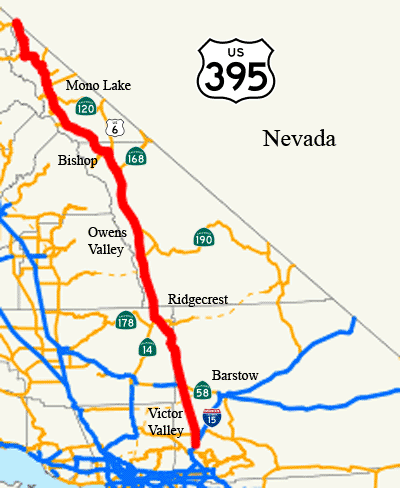
US Route 395, often overshadowed by the coastal allure of California, carves a path through the state’s dramatic eastern flank, revealing a landscape of stark beauty and untamed wilderness. This isn’t the sun-drenched, palm-fringed California of popular imagination; it’s a realm of towering granite peaks, vast desert expanses, and a pioneering spirit that clings to the dust of its mining past. Traveling 395 is an immersion into the raw, unvarnished heart of the Golden State, a journey that demands attention, rewards exploration, and offers a profound connection to the natural world.
The Sierra Nevada mountains, a colossal granite backbone, dominate the western horizon for much of 395’s run. This is the "other side" of California, a place where elevation dictates climate and life adapts to extreme conditions. Unlike the gentler slopes of their southern counterparts, the Eastern Sierra present a jagged, imposing face, a formidable barrier that has shaped both the geology and the human history of the region. The dramatic escarpment plunges thousands of feet to the Owens Valley, a vast, arid basin that stretches for miles, punctuated by ancient lakebeds and the ghosts of long-abandoned settlements.
Mono Lake, a saline soda lake, stands as a hauntingly beautiful testament to the region’s unique ecology and contentious water rights. Its tufa towers, mineral formations that rise like alien sculptures from the water’s edge, create an otherworldly panorama, particularly at sunrise and sunset. The lake’s hypersaline environment supports a unique ecosystem, attracting millions of migratory birds. Its story is intertwined with the history of Los Angeles, a stark reminder of the competition for California’s precious water resources. The Lee Vining Canyon, a gateway to Yosemite National Park’s Tioga Pass (when open seasonally), offers a glimpse into the grandeur that lies just beyond the 395 corridor, showcasing alpine meadows and cascading waterfalls that feed the Owens River.
Further south, the Owens Valley transforms into a landscape of vast, open spaces. The arid climate, while challenging, has fostered hardy desert flora and a resilient human population. The towns along 395, from Bishop to Lone Pine and Ridgecrest, retain a distinct character, a legacy of their origins in mining, agriculture, and Hollywood’s fascination with the dramatic western scenery. These are not sprawling metropolises; they are hardy outposts, providing essential services to travelers and residents alike, their economies often tied to the land and its resources.
Bishop, the largest town in the Owens Valley, serves as a central hub for exploring the northern Eastern Sierra. It’s the gateway to the John Muir Wilderness, a vast protected area offering unparalleled backcountry hiking and camping opportunities. The nearby Buttermilks, a world-renowned bouldering destination, draw climbers from across the globe, their efforts silhouetted against the immense granite walls. Bishop’s annual Mule Days celebration highlights the region’s historical connection to pack animals and traditional Western life.
South of Bishop, the landscape becomes even more dramatic. The Alabama Hills, a geological wonderland of rounded, weathered rock formations, lie at the base of Mount Whitney, the highest peak in the contiguous United States. These hills have served as the backdrop for countless Western films and television shows, their surreal shapes and stark beauty resonating with a sense of timelessness. Hiking through the Alabama Hills is like stepping onto another planet, with every turn revealing a new, awe-inspiring vista. The Whitney Portal, the trailhead for the arduous ascent of Mount Whitney, is a pilgrimage site for serious hikers, a place where determination meets raw nature.
Lone Pine, nestled at the foot of the majestic Sierra, is another town steeped in Hollywood history and the pursuit of the summit. The Museum of Western Film History celebrates the region’s cinematic legacy, while the surrounding landscape continues to draw filmmakers seeking authentic, dramatic backdrops. The Owens Valley Paiute-Shoshone Cultural Center in Lone Pine offers vital insights into the indigenous history of the region, a narrative often overlooked in the rush of modern development.
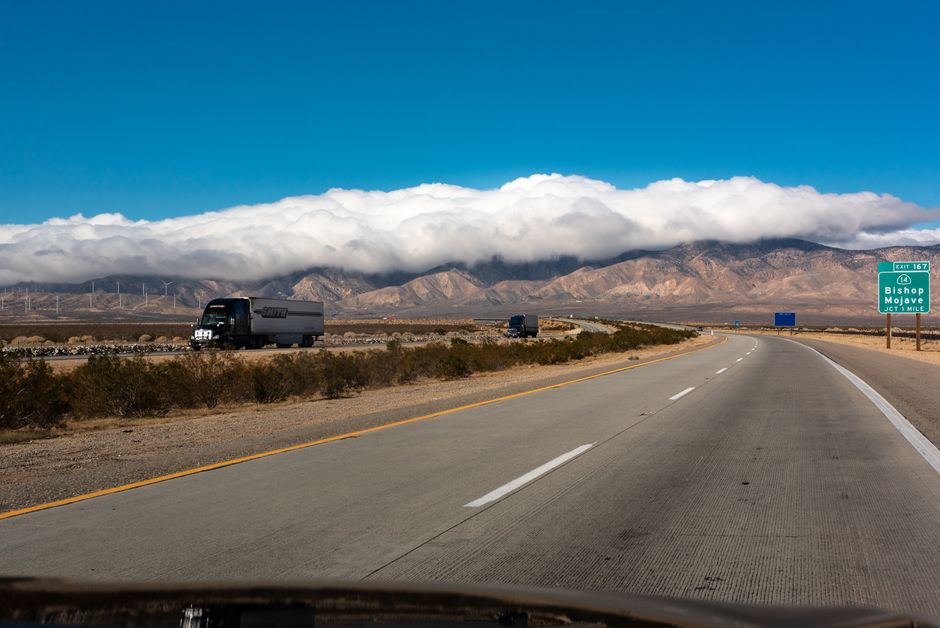
Continuing south, 395 leads into the Mojave Desert, a starkly beautiful and often misunderstood environment. The landscape shifts from rugged mountains to vast, undulating plains, dotted with Joshua trees and hardy scrub. The Manzanar National Historic Site, the former site of an internment camp for Japanese Americans during World War II, stands as a somber and essential stop along 395. The preserved barracks and interpretive displays offer a powerful and poignant reminder of a dark chapter in American history, a testament to the resilience of the human spirit in the face of injustice. The stark, wind-swept landscape of Manzanar amplifies the weight of its history, making it an unforgettable and deeply moving experience.
The desert’s beauty lies in its subtlety, its quiet resilience. The vibrant colors of the desert wildflowers that bloom after rare rainfall, the intricate patterns of the wind-sculpted sand dunes, and the vast, star-filled night skies all contribute to its unique allure. Death Valley National Park, a jewel of the National Park Service, lies accessible from 395, offering an extreme and unforgettable adventure. Badwater Basin, the lowest point in North America, the surreal salt flats, and the towering dunes of Stovepipe Wells are just a few of the iconic landscapes that draw visitors seeking the ultimate desert experience. The sheer scale of Death Valley, its extreme temperatures, and its stark, unforgiving beauty demand respect and careful preparation.
Further south, near Ridgecrest, the landscape opens up to the vastness of the Mojave. This area has a long history of military presence, with the Naval Air Weapons Station China Lake playing a significant role in defense research. The surrounding landscape, while appearing desolate, is a haven for unique desert wildlife and geological formations. The Argus Range Wilderness, accessible from 395, offers opportunities for solitude and exploration in a rugged desert environment.
Beyond the natural wonders, 395 is a corridor of rich human history. From the indigenous peoples who have inhabited the Eastern Sierra for millennia, to the prospectors and miners who flocked to the region seeking fortune, to the farmers and ranchers who tamed the arid lands, each town and vista along the route tells a story. The ghost towns, remnants of boom-and-bust cycles, whisper tales of ambition and abandonment. Towns like Bodie, a remarkably preserved ghost town near Bridgeport, offer a visceral connection to the past, allowing visitors to step back in time and imagine life on the untamed frontier.
The communities along 395, though small, are fiercely independent and deeply connected to their environment. They often possess a rugged pragmatism, born from generations of living in a challenging but rewarding landscape. Local diners, general stores, and independent businesses are the lifeblood of these towns, offering authentic experiences and a glimpse into the local culture. The absence of chain stores and the prevalence of local ownership foster a sense of genuine connection and community.
For outdoor enthusiasts, 395 is an adventurer’s paradise. Hiking, rock climbing, bouldering, fishing, hunting, skiing, snowboarding, and off-roading are all popular activities. The Eastern Sierra offers a diverse range of terrain, from alpine lakes and jagged peaks to vast desert canyons and ancient lava flows. The sheer accessibility of world-class outdoor recreation, often just a short drive from the highway, makes 395 an ideal base for exploration. The Eastern Sierra Avalanche Center provides crucial safety information for winter sports enthusiasts, underscoring the importance of preparedness in this mountainous terrain.
The stargazing opportunities along 395 are exceptional. Far from the light pollution of major cities, the desert skies come alive with an astonishing display of stars, planets, and the Milky Way. In places like Death Valley and the vast stretches of the Owens Valley, the sheer density of celestial bodies is overwhelming, offering a profound sense of perspective and wonder. The clear, dry air of the Eastern Sierra provides some of the best stargazing in the continental United States.
Traveling US Route 395 is more than just a road trip; it’s an education. It’s an immersion into a California that is wild, resilient, and profoundly beautiful. It’s a reminder that the most compelling landscapes are often the most challenging, and that the human spirit can thrive even in the harshest environments. This eastern corridor offers a powerful counterpoint to the popular image of California, showcasing a raw, unfiltered majesty that leaves an indelible mark on the soul. It’s a journey for those who seek genuine adventure, historical depth, and an unvarnished encounter with the power and beauty of the natural world. The lack of dense population centers and the vastness of the open spaces contribute to a sense of profound tranquility and connection. The journey along 395 is a call to explore, to learn, and to appreciate the multifaceted and often overlooked grandeur of California’s eastern frontier.

