
Crafting with Chaos: Integrating a Toddler into Your Office Creative Zone
The reality for many creatives, freelancers, and remote workers is that the home office isn’t a sanctuary of solitary focus. It’s a shared space, often with the smallest, most energetic inhabitant: the toddler. Integrating a toddler into your office craft space isn’t about surrender; it’s about strategic adaptation, creating a functional environment where both creativity and childhood exploration can coexist. This involves a multi-pronged approach encompassing physical space management, material selection, activity planning, and a mindset shift to embrace the beautiful mess. The goal is to foster a productive atmosphere for you while simultaneously nurturing your child’s developing fine motor skills, imagination, and love for exploration through art and craft. This isn’t just about making do; it’s about making it work, transforming potential conflict into collaborative opportunity, and ultimately enriching both your work and your child’s development. The key is to recognize that a toddler’s presence, while disruptive, also offers a unique perspective and a valuable learning experience for them, and potentially even for you if you’re open to it.
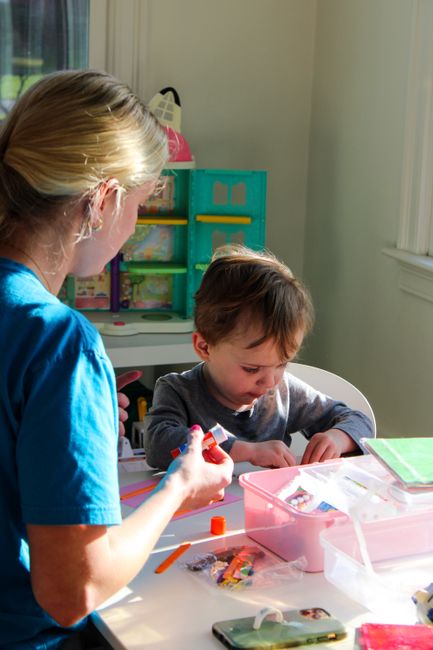
The foundational element of successfully sharing your office craft space with a toddler is a meticulously organized and physically demarcated zone. This means designating specific areas for "toddler crafting" that are visually and spatially distinct from your primary work area. Think in terms of zones, not just random placements. A dedicated craft table, ideally a low-to-the-ground, sturdy option like a children’s art easel or a dedicated toddler table and chairs set, is paramount. This table should be easily wipeable and preferably made of a material that won’t be easily damaged by paint, glue, or markers. Surround this table with accessible, open-topped storage bins. These bins should be labeled with clear, simple pictures or large, bold text that your toddler can begin to recognize. Think: "Markers," "Paper," "Stickers," "Playdough." Avoid deep bins that require extensive rummaging. The goal is for your toddler to be able to independently retrieve and put away their materials, fostering a sense of responsibility and autonomy. For materials you use less frequently, or those that are potentially messier or require closer supervision (like glitter or small beads), utilize higher shelves or drawers that are accessible only to you. This physical separation creates a clear visual cue for your child: this is their creative zone, and that is your work zone. The effectiveness of this demarcation lies in its consistency. Every time you enter the office, reinforce these boundaries through your actions and verbal cues.
Material selection is another critical area that demands careful consideration when a toddler is involved. Opt for non-toxic, washable, and age-appropriate supplies. Washable markers and crayons are non-negotiable. Look for chunky crayons that are easier for small hands to grip. For paints, tempera or finger paints that are specifically designed to be washable are ideal. Consider using paint sticks, which offer a less messy alternative to traditional liquid paints. Glue sticks are generally safer and easier to manage than liquid glues, although a non-toxic white craft glue can be used under close supervision. Large, colorful construction paper, cardstock, and even recycled materials like cardboard boxes and paper towel tubes offer a wealth of creative possibilities. Toddlers often have a fascination with sensory play, so incorporating materials like playdough, kinetic sand, or even natural elements like large, smooth stones or leaves can be highly engaging. When it comes to scissors, safety scissors with rounded blades and a spring-loaded mechanism are a must, but still require direct adult supervision. Similarly, small items like googly eyes, sequins, or pom-poms, while appealing, pose a choking hazard and should be reserved for times when you can offer undivided attention or omitted entirely until your child is older. Storage of these materials is as important as their selection. Rotating the available materials can also keep things fresh and exciting for your toddler, preventing boredom and encouraging them to explore different creative avenues.
Establishing a routine and offering structured, yet flexible, activities is key to managing the ebb and flow of toddler creativity within an office environment. Block out specific times for "crafting sessions." This could be for 30 minutes in the morning while you answer emails, or for an hour after lunch when your child is typically more settled. During these sessions, the goal is engagement, not perfection. Focus on the process, not the product. Offer open-ended prompts: "What colors do you want to use for your sun?" or "Let’s make a picture for Grandma." Avoid overly prescriptive instructions. Encourage exploration and experimentation. If your child wants to paint the table, redirect them gently to the paper. If they want to mix all the colors together, embrace it as a learning experience. Incorporate activities that align with their developmental stage. For younger toddlers, this might involve simple stamping with sponges or potato prints, finger painting, or sticking large pre-cut shapes onto paper. As they grow, introduce activities like tearing paper, rolling playdough into simple shapes, or using stickers. Consider incorporating sensory bins filled with rice, beans, or water beads (with supervision) along with scoops and containers. These activities not only occupy your toddler but also develop their fine motor skills, hand-eye coordination, and problem-solving abilities. Crucially, manage your own expectations. There will be mess. There will be interruptions. The goal is to create a positive and engaging experience for your child, and in doing so, you’ll often find that their focused engagement allows you to achieve a surprising amount of work.
The physical environment of your office craft space needs to be adapted to accommodate a toddler. This means prioritizing safety and accessibility. Furniture should be sturdy and anchored to the walls to prevent tipping. Avoid sharp corners or easily breakable items within reach. Consider investing in a large, durable play mat or a washable rug for the toddler’s craft zone. This not only defines the space but also provides a soft landing for dropped supplies and a comfortable surface for little ones to sit and play. Easy-to-clean surfaces are paramount. Think wipeable tabletops, linoleum flooring, or laminate. Keep electrical cords tucked away and secured. Storage solutions should be readily accessible to your toddler for their designated materials, but also secure enough to keep them out of reach of potentially hazardous items. Open shelving with clear bins is often ideal for this purpose. Think about the placement of your own work materials. If you have delicate electronics or important documents, ensure they are stored out of reach or behind closed doors. Consider utilizing a mobile charging station for your devices that can be easily moved when needed. The concept of "childproofing" your office craft space isn’t just about preventing accidents; it’s about creating an environment where your toddler can explore and experiment safely, which in turn allows you to focus more on your work.
Embracing the mess is perhaps the most significant mindset shift required for successfully sharing your office craft space with a toddler. It’s a departure from the pristine, perfectly organized workspaces often depicted in professional settings. The reality is that creativity, especially at the toddler stage, is inherently messy. Instead of viewing every spilled drop of paint or scattered crayon as a disaster, reframe it as a sign of engagement and exploration. Develop a consistent clean-up routine that involves your toddler. Make it a part of the "crafting ritual." When the session is over, say, "Time to tidy up!" and model the behavior by putting materials back in their designated bins. Toddlers are excellent imitators, and involving them in the clean-up process teaches valuable lessons about responsibility and order. Keep cleaning supplies readily accessible, including a good quality spray bottle of cleaner and plenty of rags or paper towels. Consider investing in a small hand-held vacuum for quick clean-ups of stray craft supplies. The goal is to manage the mess, not eliminate it entirely. A certain level of controlled chaos is inevitable, and learning to tolerate and even embrace it will significantly reduce your stress levels and allow for a more harmonious co-existence. This acceptance of mess also fosters a more relaxed and playful atmosphere, which can often be beneficial for creative work.
Creating a collaborative atmosphere, even with a toddler, can be surprisingly effective. This doesn’t mean your toddler is co-designing your marketing materials. It means incorporating them into your creative process in age-appropriate ways. For instance, while you’re sketching an idea, you could ask your toddler to "draw a monster for my picture." Or, while you’re organizing physical materials for a project, you could have them sort colorful scraps of paper. This sense of involvement, however small, can make them feel like a part of your work, reducing their desire to disrupt your solitary focus. It also provides opportunities for you to observe their problem-solving and creative approaches, which can be surprisingly insightful. Consider having a designated "toddler workspace" that is visible but separate from your main desk. This allows them to feel close to you while still having their own creative domain. Think of it as creating a symbiotic relationship, where their play indirectly fuels your productivity by providing a safe and engaging outlet for their energy. This shared creative space can also strengthen your bond, turning potential frustrations into shared moments of discovery and accomplishment.
The long-term benefits of integrating a toddler into your office craft space extend beyond mere logistical management. You are actively fostering a lifelong love of creativity and learning in your child. You are teaching them valuable skills like fine motor control, problem-solving, and the ability to express themselves through art. By demonstrating your own creative process, you are also modeling important work habits and the value of dedication. This shared experience can create lasting memories and a positive association with your work environment. The ability to manage a shared, dynamic space is also a crucial life skill that you are imparting. While it requires patience, flexibility, and a willingness to embrace the unexpected, the rewards of nurturing both your professional endeavors and your child’s burgeoning creativity are immeasurable. The office craft space, once a sanctuary of individual focus, can transform into a vibrant hub of shared discovery, where the laughter of a toddler and the hum of creative thought coexist, enriching both your life and theirs.

