The arrival of a "super" El Niño event has begun to fundamentally reorganize the geography of global marine life, creating a volatile environment of winners and losers across the international fishing industry. While the natural Pacific weather pattern is less than a month into its most active phase, the impacts are already being felt from the coastal waters of Peru to the Indian Ocean and the shores of Southern California. Characterized by warmer-than-average sea surface temperatures in the central and eastern tropical Pacific, this iteration of El Niño is proving particularly potent, disrupting established migration patterns, collapsing specific species populations, and driving record-breaking catches in unexpected regions.
For the global seafood market and the millions of people who depend on it for their livelihoods, the current climate phenomenon represents more than just a seasonal shift; it is an economic and ecological upheaval. In Peru, the government has taken the drastic step of effectively canceling the first anchovy fishing season of the year—a move with global ramifications for the supply of fish oil and animal feed. Simultaneously, in the Indian Ocean, authorities are bracing for a sharp decline in the size and abundance of mackerel. Conversely, fishers in the United States are experiencing a historic boon, with tuna yields reaching levels rarely seen in modern records.
The Mechanics of an Oceanic Shift
To understand the current scramble in the fisheries sector, one must look at the underlying oceanography of the El Niño-Southern Oscillation (ENSO). Under "neutral" or normal conditions, trade winds blow west along the equator, pushing warm surface water toward Asia and Oceania. This movement allows cold, nutrient-rich water from the deep ocean to rise to the surface along the western coast of South America—a process known as upwelling. This cold water acts as a fertilizer for the ocean, fueling the growth of phytoplankton and algae, which in turn support massive populations of forage fish like anchovies.
During a "super" El Niño, these trade winds weaken or even reverse. The pool of warm water that usually sits near Indonesia migrates eastward toward the Americas. This layer of warm water acts as a "cap," preventing the nutrient-rich deep water from reaching the surface. Without the influx of nutrients, the base of the food web collapses. Species that thrive in cold, nutrient-dense environments must either dive deeper to find cooler temperatures or migrate toward the poles. Those that cannot adapt face mass starvation and reproductive failure.
The name "El Niño," or "The Boy Child," was originally coined by Peruvian fishers in the 1600s. They noticed that every few years, around the Christmas season, the typically teeming waters would turn warm and the fish would vanish. What was once a localized observation has now become a central focus of global climate monitoring, as the stakes have grown to encompass a multi-billion-dollar global industry.
The Peruvian Crisis: A Blow to Global Agriculture
Peru is home to the world’s largest single-species fishery: the anchoveta (Peruvian anchovy). In a typical year, millions of tonnes of these small fish are harvested, but they rarely end up on dinner plates. Instead, they are processed into fishmeal and fish oil, essential components for global aquaculture (farmed salmon and shrimp) and terrestrial livestock (poultry and swine) industries.
In response to the current El Niño, the Peruvian Ministry of Production issued an indefinite ban on anchovy fishing for the April-to-July season. The decision followed research showing that anchovy stocks were not only dwindling but were also migrating to depths unreachable by standard industrial equipment. Industrial fishing adviser Humberto Speziani noted that sonar technology has located schools more than 100 meters below the surface. Standard purse seine nets, which are used to encircle schools of fish near the surface, typically only reach a depth of 50 meters.
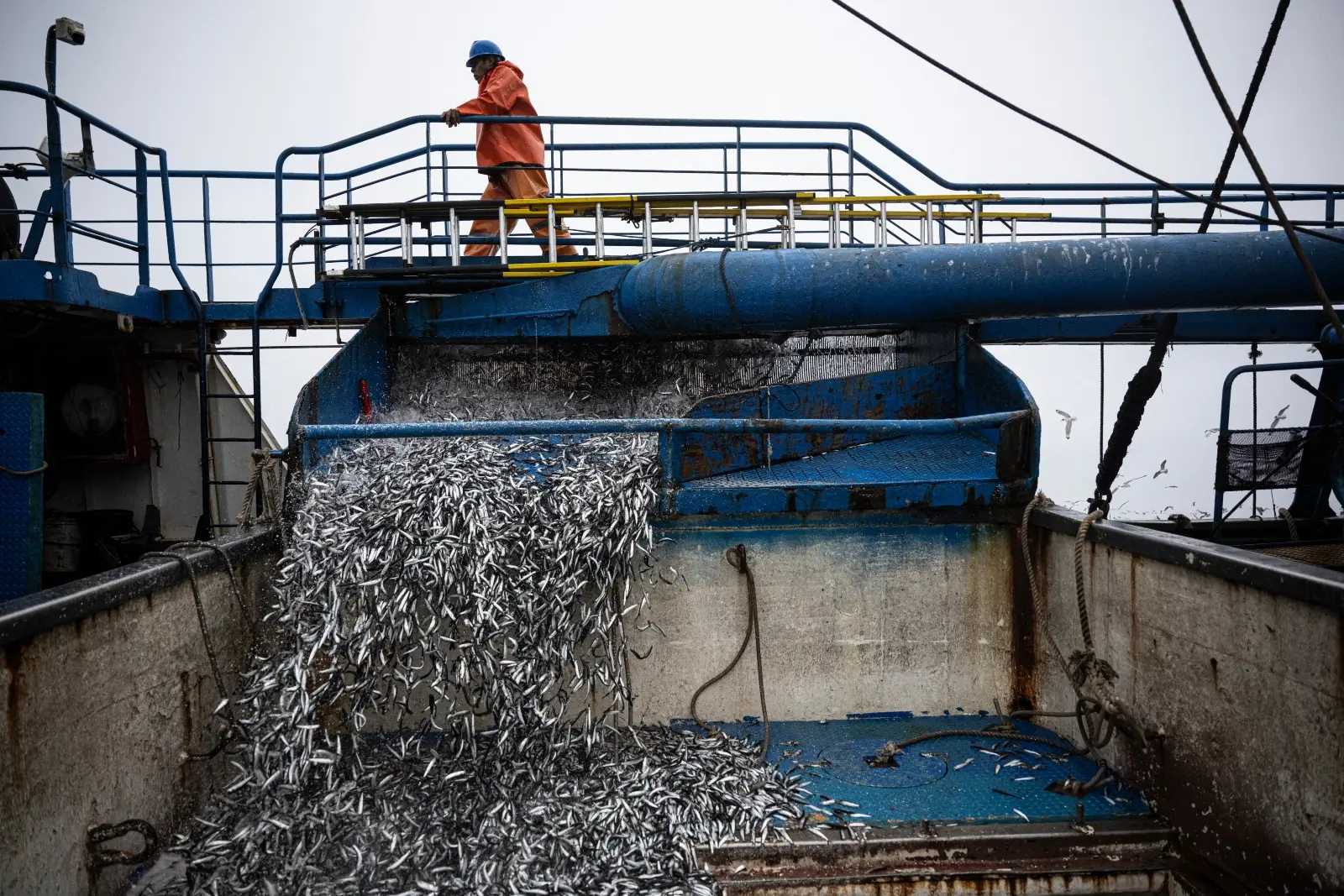
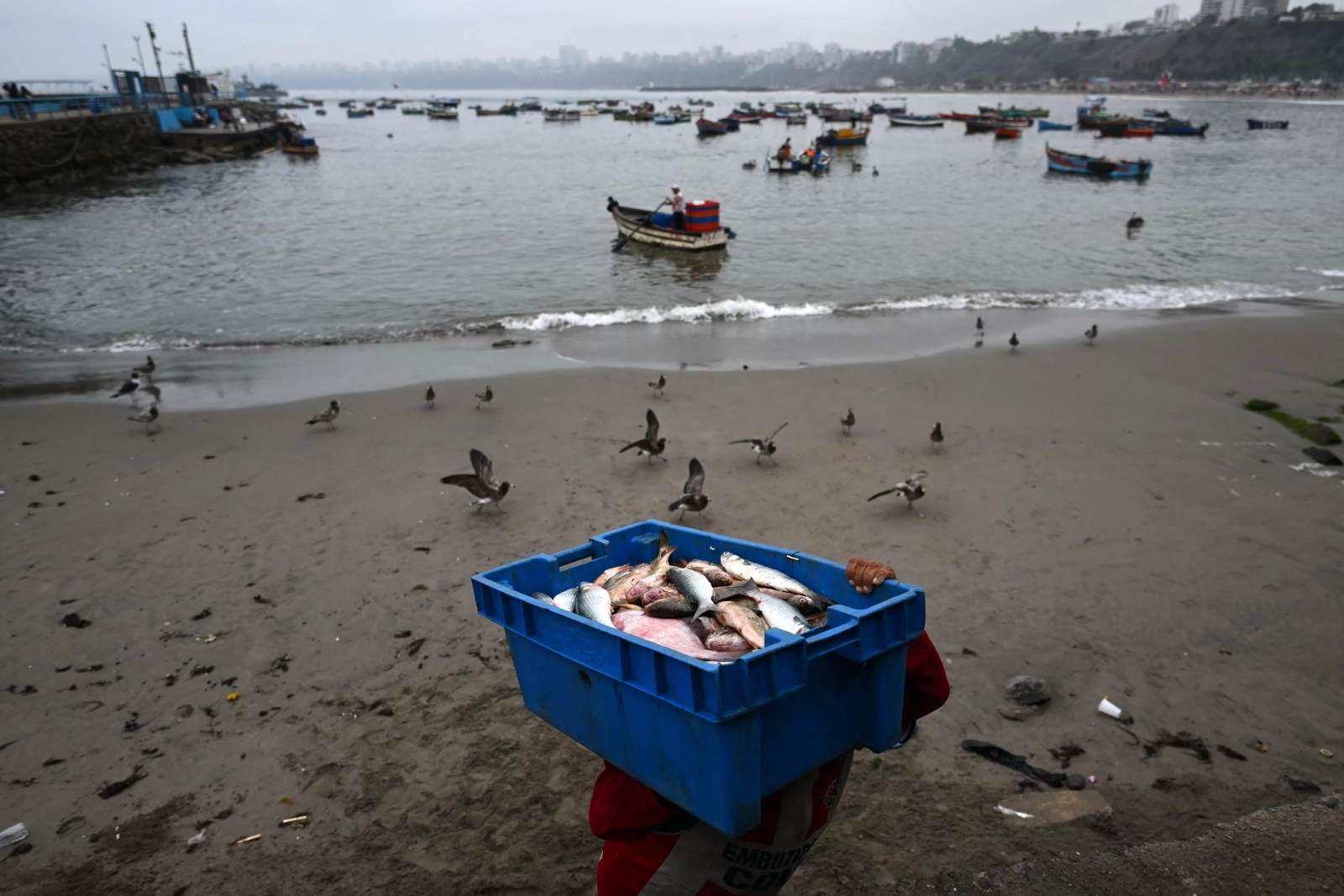
The cancellation of the season is expected to cause a significant spike in the price of fishmeal globally. As supply chains tighten, farmers in Europe, China, and the United States may face higher costs for animal feed, which could eventually manifest as higher prices for pork, chicken, and farmed seafood at the grocery store. Within Peru, the local impact is already visible. Prices for jack mackerel and corvina—staples of the Peruvian diet—have reportedly doubled in local markets, forcing many families to substitute fish with cheaper proteins like chicken.
The California Boon: A "Special Treat" for Anglers
While South American fisheries suffer, the northern hemisphere is witnessing a different side of the phenomenon. In Southern California, the influx of warm water has brought tropical and sub-tropical species much further north than usual. Recreational and commercial fishers in San Diego and Los Angeles are reporting "red-hot" conditions for species such as bluefin tuna, yellowfin tuna, yellowtail, and dorado (mahi-mahi).
Data from regional fishing trackers indicates that nearly 300,000 more bluefin tuna were caught off the California coast in the first half of this year compared to the same period in the previous year. This "unprecedented" yield began even before the official declaration of El Niño in June, as the ocean began its transition. For the local sports fishing industry, which contributes significantly to the regional economy, the El Niño is viewed as a "special treat" that brings world-class trophy fishing within a few miles of the shore.
However, experts warn that this bounty is a symptom of a broader imbalance. While tuna are easier to catch because they are concentrated in the warming coastal layer, the long-term health of these stocks depends on the availability of prey. If the forage fish populations (like sardines and anchovies) collapse due to the lack of upwelling, the larger predators may eventually suffer from malnutrition.
Regional Variations and Geopolitical Risks
The impact of El Niño is not limited to the Americas. In the Indian Ocean, the Indian government has issued warnings regarding the Indian mackerel and sardine populations. These species are highly sensitive to temperature fluctuations, and previous El Niño events have led to "shrinkage" in both the physical size of individual fish and the overall biomass of the schools.
Beyond the immediate economic concerns, the shifting migration of fish stocks carries significant geopolitical risks. As fish move out of their traditional territories to find cooler or more nutrient-rich waters, fishing vessels often follow them. This can lead to increased maritime incursions into the Exclusive Economic Zones (EEZs) of neighboring countries.
Research suggests that El Niño years correlate with a higher frequency of "fish wars" or diplomatic disputes over fishing rights. For instance, if Peruvian or Ecuadorian artisanal fleets move further south or further out to sea to find squid or tuna, they may encounter foreign industrial fleets—most notably from China—that hover at the edge of national waters. The lack of strict regulation for artisanal fleets, combined with the desperation to find alternative resources, creates a volatile recipe for international friction and overfishing of "refuge" areas where fish have fled to escape the heat.
Ecological Fragility and the "Snake" Salmon
The ecological consequences of a super El Niño extend into the very physiology of the marine life that survives. In the Pacific Northwest and British Columbia, wild salmon often struggle to find sufficient food during these warm-water events. The lack of fatty plankton leads to what biologists call "snake" salmon—fish that are unusually thin, elongated, and lack the necessary fat reserves to survive their grueling upstream migrations to spawn.
The decline in the quality and quantity of salmon has a cascading effect on the ecosystem, impacting everything from grizzly bears to orcas. For the fishing industry, "snake" salmon result in lower "ex-vessel" prices—the price fishers receive at the dock—because the meat quality is deemed inferior for the fresh market.
Furthermore, the sustained high temperatures associated with a "super" event can be catastrophic for stationary ecosystems. Coral reefs, which provide nurseries for an estimated 25% of all marine species, are highly susceptible to thermal stress. Widespread coral bleaching is often a hallmark of El Niño years. Similarly, kelp forests, which thrive in cold water, can deteriorate rapidly in warm conditions. This loss of habitat reduces the amount of dissolved oxygen in the water, further stressing the species that remain.
The Climate Change Multiplier
While El Niño is a natural cycle that has occurred for millennia, climate scientists are increasingly concerned about how it interacts with anthropogenic global warming. There is a growing consensus that a warming planet is making El Niño events more frequent and more intense.
"Our vulnerability is increasing," says Juan Carlos Sueiro, an economist and fisheries director for Oceana Peru. The concern is that the "recovery" periods between El Niño events—traditionally known as La Niña years, which bring colder water—may no longer be sufficient to allow fish stocks to fully rebound. If "super" El Niños become the new normal, the structural stability of the global fishing industry could be permanently compromised.
Arnaud Bertrand, a senior scientist at the French National Research Institute for Sustainable Development, points to the Humboldt squid as a primary example of this fragility. The squid is a vital resource for tens of thousands of artisanal fishers in South America. If the squid population collapses, those fishers will pivot to other species, placing immense pressure on parts of the ecosystem that are currently stable.
Outlook for the Coming Months
The full extent of this El Niño’s impact will be determined by its peak, which is expected toward the end of the calendar year. Meteorologists are closely monitoring sea surface temperatures; if they remain exceptionally high through September and October, this event could rival the catastrophic 1982-1983 or 1997-1998 El Niños, both of which caused billions of dollars in damage to global fisheries and infrastructure.
For now, the industry remains in a state of high alert. Fishers are being forced to diversify their catch, looking for warm-water "winners" like shrimp and scallops to offset the loss of "losers" like anchovy and mackerel. For consumers, the message is clear: the era of stable fish prices and predictable availability is being challenged by a warming ocean, and the current "super" El Niño is a stark preview of the volatility to come. As Bertrand concludes, in a world shaped by global warming, "the worst is the most probable," and the global fishing fleet must prepare for a future where the only constant is change.