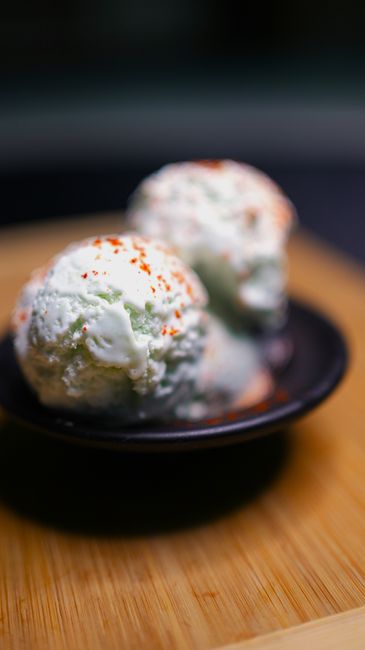
The Fiery Sweetness: A Comprehensive Guide to Spicy Ice Cream
The concept of spicy ice cream, once a niche curiosity, is rapidly evolving from a daring novelty into a sophisticated and sought-after dessert experience. This burgeoning trend, driven by adventurous palates and a desire for unique flavor profiles, is captivating consumers worldwide. Spicy ice cream transcends mere heat; it’s about the intricate dance between the cooling sensation of frozen dairy and the exhilarating prickle of capsaicin, creating a complex sensory journey that tantalizes taste buds and redefines dessert. The market for this unconventional treat is expanding, fueled by culinary innovation, social media buzz, and a growing appreciation for the interplay of contrasting flavors. From artisanal shops to mainstream brands experimenting with heat, spicy ice cream is no longer a fringe product but a legitimate and exciting category within the broader frozen dessert landscape.
The fundamental appeal of spicy ice cream lies in its ability to provoke a multi-sensory experience. The inherent coolness of ice cream provides an immediate palate cleanser, a soothing counterpoint to the building warmth of chili peppers. This contrast is key. As the ice cream melts, it amplifies the lingering heat, creating a dynamic flavor profile that evolves with each bite. The sweetness of the ice cream acts as a conductor, harmonizing with the spice rather than being overwhelmed by it. This isn’t about simply adding heat for heat’s sake; it’s about carefully balancing sweetness, creaminess, and a measured dose of spiciness to achieve a flavor that is both challenging and incredibly satisfying. Different types of chilies offer distinct flavor notes, from the fruity essence of habanero to the smoky depth of chipotle. This allows for a vast spectrum of spicy ice cream creations, catering to a wide range of spice tolerance and flavor preferences.
The science behind why spicy ice cream works is rooted in our perception of taste and temperature. Capsaicin, the compound responsible for the heat in chili peppers, binds to pain receptors in our mouths, specifically TRPV1 receptors. These receptors are also activated by heat, hence our physiological response to spicy food often includes sweating and a feeling of warmth. However, ice cream, by its very nature, is cold. This initial cold sensation dampens the immediate activation of the TRPV1 receptors, allowing the other flavor components of the ice cream to be perceived more clearly. As the ice cream melts, the temperature in the mouth increases, and the capsaicin begins to exert its full effect, creating a delayed and sustained heat that is both surprising and enjoyable. This interplay between cold and heat, sweet and spicy, creates a unique neurological response that is both stimulating and pleasurable. Furthermore, the fats in the ice cream can help to buffer the capsaicin, providing a smoother and more sustained release of heat compared to eating spicy ingredients in a water-based medium.
The culinary artistry involved in creating exceptional spicy ice cream is paramount. It’s not simply a matter of tossing a few chili flakes into a vanilla base. True spicy ice cream is a carefully balanced symphony of ingredients. High-quality dairy, whether cow’s milk, cream, or alternative bases like coconut or cashew milk, forms the foundation, providing a rich and creamy texture. Sweeteners, ranging from refined sugar to natural options like honey or maple syrup, are chosen to complement the specific spice used. The choice of chili is critical. For subtle warmth and fruity notes, mild peppers like jalapeños or poblanos are often employed. For a more intense kick and complex flavor, hotter varieties like habaneros, Scotch bonnets, or even ghost peppers can be incorporated. Beyond the chili itself, the method of infusion plays a significant role. Chilies can be steeped in the dairy base, roasted and pureed, or even candied to impart their unique characteristics. Complementary flavor pairings are also essential. The bright citrus notes of lime can cut through the richness and amplify the heat. The smoky undertones of dark chocolate or coffee provide a sophisticated counterpoint to the spice. Herbs like cilantro or mint can add an unexpected freshness. Fruits such as mango, pineapple, or berries can offer a sweet and tangy contrast that harmonizes beautifully with the heat. The goal is to create a well-rounded flavor profile where no single element overpowers the others, but rather they work in concert to deliver a memorable dessert.
The spectrum of spicy ice cream flavors is remarkably diverse, catering to a wide range of preferences and spice tolerances. At the milder end, one might find Chili Chocolate, a classic pairing where the rich, slightly bitter notes of cocoa are subtly enhanced by the gentle warmth of ancho or pasilla peppers, offering a sophisticated and approachable introduction to spicy desserts. Mango Habanero is another popular choice, leveraging the tropical sweetness of mango to mellow the fiery punch of habanero, resulting in a vibrant and refreshing flavor. Moving towards more assertive profiles, Spicy Strawberry can incorporate jalapeños for a sweet and subtly spicy kick, perfect for fruit-forward lovers. For those seeking deeper, more complex heat, Chipotle Caramel offers a smoky, savory dimension from the smoked jalapeño, beautifully intertwined with the sweet, buttery notes of caramel. Thai Chili Lime presents a zesty and invigorating combination, with the bright acidity of lime and the sharp heat of bird’s eye chilies creating a wake-up call for the palate. Even seemingly simple flavors can be elevated with a spicy twist. Spicy Vanilla Bean might feature a touch of cayenne or a whisper of Sichuan peppercorn for a tingling sensation that adds an unexpected layer to a familiar favorite. Beyond these common combinations, adventurous palates can explore options like Ghost Pepper Peach, a daring fusion of intense heat and sweet fruit, or Sriracha Honey, which balances the iconic garlic-chili sauce with the soothing sweetness of honey. The possibilities are limited only by the imagination of the creator and the willingness of the consumer to explore.
The manufacturing process for spicy ice cream involves several key considerations to ensure both flavor and safety. The selection of chilies is the first crucial step, requiring careful sourcing of fresh, high-quality peppers. These are then typically processed to extract their flavor and heat. This can involve roasting, dehydrating, pureeing, or infusing them into a liquid medium like water or alcohol. The chosen spice element is then incorporated into the ice cream base. This base is usually a mixture of milk, cream, sugar, and stabilizers, often pasteurized and homogenized for a smooth texture. During the churning process, the spice infusion is added, ensuring even distribution. Temperature control throughout the process is critical to preserve the delicate flavors and prevent spoilage. Quality control measures are essential, not only for taste consistency but also for accurately measuring and labeling the spice level. Accurate labeling is vital for consumer safety, allowing individuals to make informed choices based on their heat tolerance. Allergen information, common to all food products, must also be clearly stated. For commercially produced spicy ice cream, stringent food safety protocols are followed, including regular testing for microbial contamination.
The market for spicy ice cream is experiencing significant growth, driven by a confluence of factors. Millennials and Gen Z consumers, known for their adventurous palates and desire for novel experiences, are actively seeking out unique food trends, and spicy ice cream fits this perfectly. The rise of social media platforms has played a crucial role in popularizing the trend. Viral videos of people trying spicy ice cream challenges, often featuring extreme heat levels, have generated widespread curiosity and desire to experiment. Culinary innovation and the artisanal ice cream movement have also contributed. Small-batch producers are pushing boundaries, creating sophisticated and complex spicy ice cream flavors that appeal to a more discerning consumer base. This has, in turn, influenced larger, mainstream ice cream manufacturers to explore the spicy segment, introducing their own versions to capture a wider audience. The perception of spicy food as a health booster, with chilies containing beneficial compounds like capsaicinoids, may also subtly influence consumer choices, adding another layer of appeal. Furthermore, the global nature of food trends means that spicy ice cream, with its roots in various global cuisines that embrace heat, is resonating with a diverse international audience.
Marketing and branding for spicy ice cream require a strategic approach that balances the thrill of heat with approachability. Clear and descriptive labeling is paramount. Instead of simply stating "spicy," brands should indicate the type of chili used and offer a visual heat scale (e.g., mild, medium, hot, extra hot). This empowers consumers to make informed decisions and avoid unpleasant surprises. Storytelling is also effective. Highlighting the origin of the chilies, the inspiration behind the flavor combination, or the artisanal craftsmanship involved can create an emotional connection with consumers. Visually appealing packaging that hints at the heat without being intimidating is important. Vibrant colors, subtle chili motifs, or bold typography can all communicate the essence of the product. Leveraging social media is non-negotiable. Engaging content, including behind-the-scenes glimpses of the production process, customer testimonials, and creative recipe ideas, can build community and drive engagement. Partnerships with food bloggers, influencers, and chefs can amplify reach and credibility. Offering sampling opportunities at events or in-store allows consumers to experience the heat firsthand and discover their preferred level. Finally, education plays a role. Gently introducing consumers to the nuances of different chilies and how they interact with ice cream can demystify the product and encourage broader adoption.
The future of spicy ice cream appears robust and dynamic. As consumer palates continue to evolve and their demand for unique and exciting food experiences grows, the spicy ice cream category is poised for further expansion. We can anticipate a continued proliferation of flavor innovation, with chefs and manufacturers exploring increasingly complex and nuanced spice profiles. Expect to see more integration of global spice traditions, leading to fusion flavors that draw inspiration from cuisines around the world. The use of exotic and artisanal chili varieties will likely increase, offering consumers a wider spectrum of heat and flavor notes. Furthermore, advancements in ingredient technology may lead to more controlled and predictable heat delivery, potentially making spicy ice cream even more accessible to a broader audience. The development of plant-based spicy ice cream options will also continue to grow, catering to the increasing demand for vegan and dairy-free alternatives. As the trend matures, we may also see a greater emphasis on health and wellness aspects, with brands highlighting the potential benefits of capsaicin. Ultimately, spicy ice cream is set to move beyond a novelty and firmly establish itself as a sophisticated and enduring segment of the dessert market, offering a thrilling and delicious adventure for every palate.
