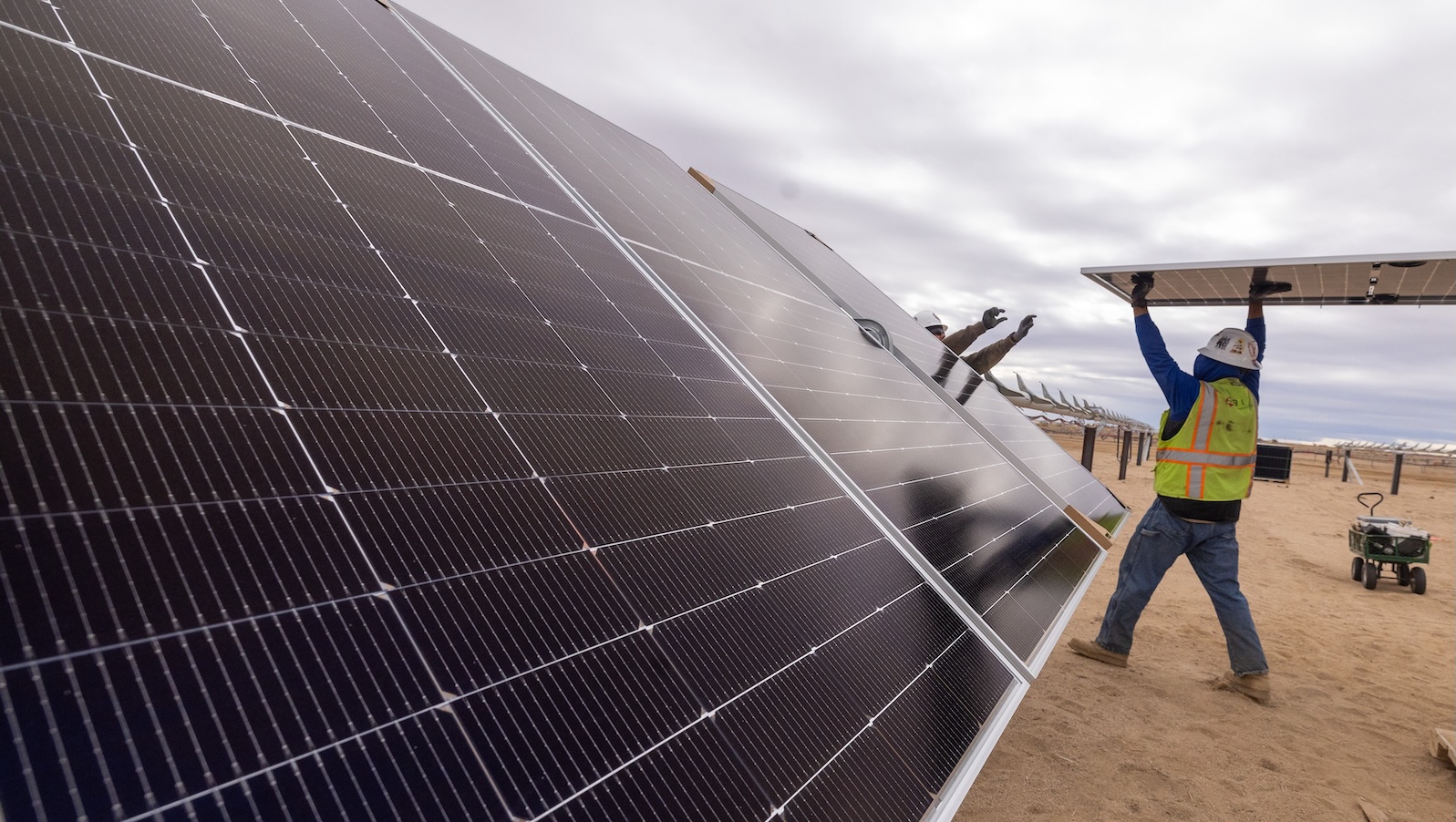
The United States Department of Energy has fundamentally altered the trajectory of a $1 billion federal investment intended to bolster Puerto Rico’s energy independence, shifting focus away from decentralized renewable energy for vulnerable citizens and toward the island’s centralized, fossil-fuel-dependent utility. Originally established by Congress in 2022 following a series of devastating hurricanes, the Puerto Rico Energy Resilience Fund was designed to provide rooftop solar and battery storage systems to roughly 40,000 low-income households. However, recent internal documents and agency directives reveal that the Trump administration has redirected a significant portion of these funds to the Puerto Rico Electric Power Authority (PREPA), the bankrupt government-owned utility, to support existing power plants and the construction of a new natural gas pipeline.
This policy shift marks a dramatic departure from the previous administration’s strategy, which prioritized "distributed energy resources"—small-scale solar and battery systems that can operate independently when the main grid fails. Under the new direction, the Department of Energy (DOE) is prioritizing grid stabilization through traditional infrastructure, a move that the administration argues will benefit a larger percentage of the population by shoring up the island’s primary power source. Critics, however, contend that the move disregards congressional intent and leaves the island’s most medically and economically vulnerable residents at the mercy of a grid that has proven historically unreliable.
A Legacy of Grid Fragility and the Origins of the Fund
The necessity of the $1 billion fund is rooted in the catastrophic failure of Puerto Rico’s electrical infrastructure over the last decade. In 2017, Hurricane Maria, a Category 4 storm, decimated the island’s power lines, leaving some residents without electricity for nearly a year. The disaster exposed the profound weaknesses of a centralized grid managed by PREPA, an agency that had already been struggling with billions of dollars in debt and decades of deferred maintenance.
In the years following Maria, the island’s more than 3 million residents have continued to face chronic outages. In 2024 alone, the average Puerto Rican resident experienced more than 70 hours of power interruptions. For those with medical conditions requiring oxygen concentrators, refrigerated medications, or dialysis machines, these outages are not merely an inconvenience but a life-threatening crisis.
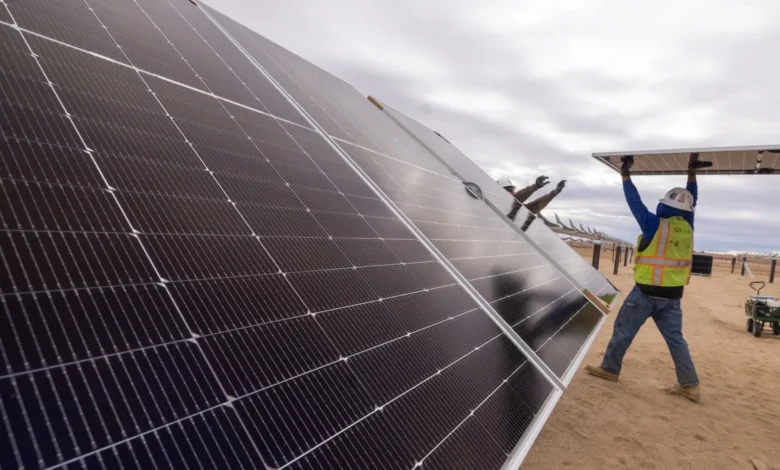
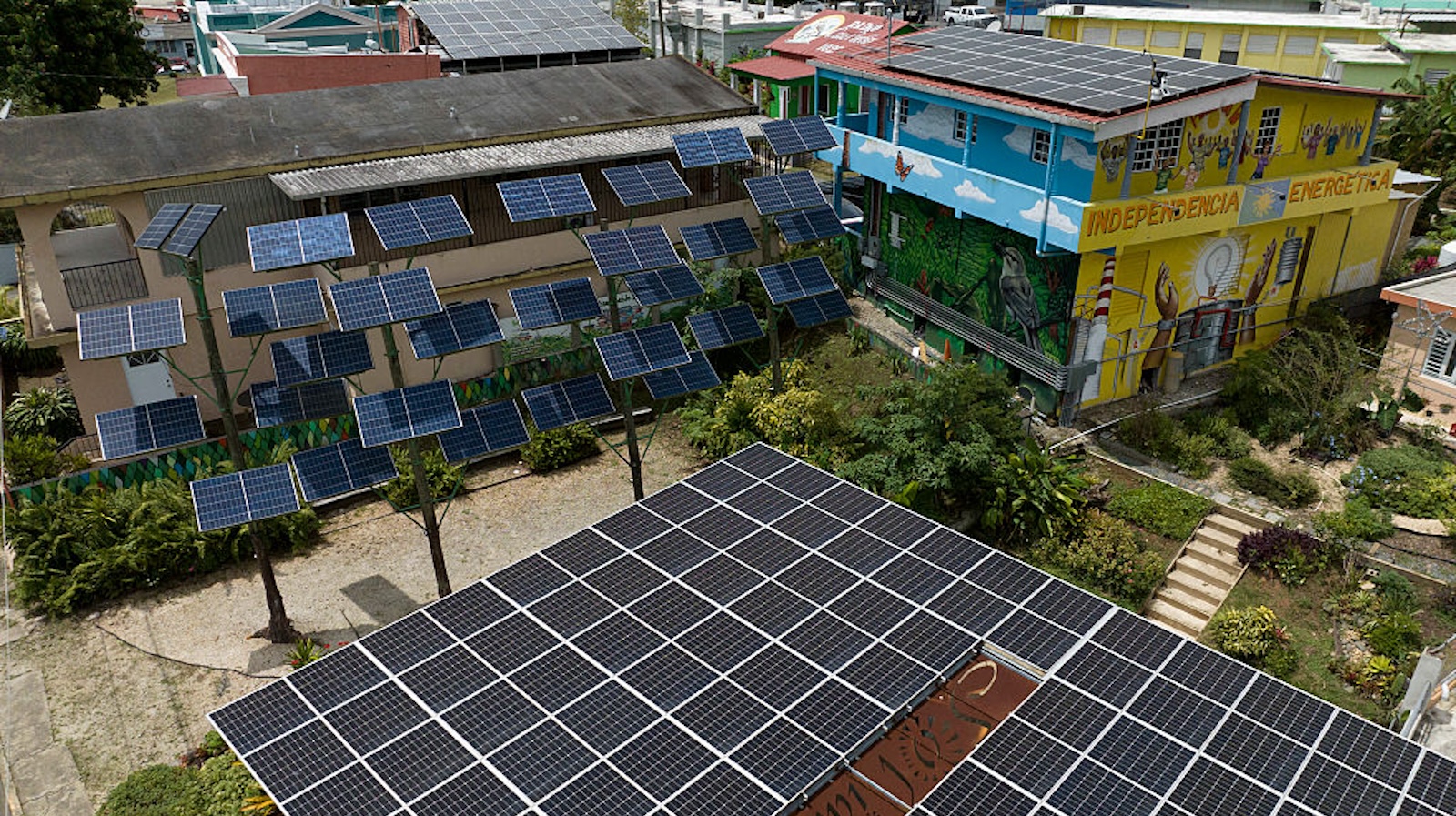
In response to this ongoing instability, Congress approved the Energy Resilience Fund in late 2022. The legislative intent was to create a "bottom-up" approach to energy security. By installing solar panels and batteries on individual homes, particularly those of low-income families and individuals with disabilities, the government aimed to ensure that even if the main grid collapsed during a storm, the most vulnerable citizens would retain power.
The Pivot: From Rooftop Solar to Centralized Fossil Fuels
Upon taking office, the Trump administration’s Department of Energy, led by Secretary Chris Wright, began re-evaluating the distribution of the $1 billion. Rather than continuing the rollout of residential solar systems, the agency moved to bypass competitive bidding processes to award funds directly to PREPA.
Internal DOE documents obtained via Freedom of Information Act (FOIA) requests show that the agency is now prioritizing "utility-scale" improvements. A significant portion of the redirected funding is slated to bolster PREPA’s aging fleet of power plants, which primarily burn oil and coal. Furthermore, the administration has allocated $50 million specifically for the construction of a natural gas pipeline. This pipeline is intended to connect fuel supplies between San Juan and the Palo Seco power plant, a distance of approximately nine miles.
The DOE has defended these decisions by citing the urgency of the island’s "energy emergency." In an official statement, a spokesperson for the DOE’s Office of Electricity argued that PREPA is the only entity with the legal mandate and asset ownership required to execute grid stabilization at the necessary scale. The administration maintains that improving the core grid is a more efficient use of taxpayer dollars than installing thousands of individual home systems, which they argue would take longer to deploy and serve fewer people in the short term.
FOIA Revelations: Bypassing Standards and "Unprecedented" Waivers
The documents obtained by the non-profit news organization Grist shed light on the internal mechanics of this policy shift, revealing what some former officials describe as highly irregular procurement practices. Typically, the DOE requires large grant recipients to provide a "cost-share," usually matching 50 percent of the federal award with their own funds. This requirement is intended to ensure that recipients are financially invested in the success of the project.
However, in the case of PREPA—a utility that generates nearly $4 billion in annual revenue despite its bankruptcy status—the DOE waived nearly the entire requirement. The agency accepted a cost-share of just 1 percent. Internal memos justified this by pointing to PREPA’s "significant financial stress" and the necessity of providing a "stable foundation" for long-term planning.
Former DOE officials have raised alarms over this waiver. "The 1 percent cost share is potentially unprecedented for a DOE award of this size to a recipient with this much cash flow," stated a former Biden administration official. The official noted that such waivers usually require a specific secretarial determination and are intended for indigent communities, not massive utility providers.
Additionally, the documents show that the DOE fast-tracked the review process and bypassed a standard 30-day congressional notice period. A section of an internal memo titled "Sensitivities" explicitly acknowledged that the decision to skip competitive bidding and redirect the funds might generate "negative commentary" and "objections to fairness," given that the money was originally intended for community-based healthcare facilities and low-income housing.
Chronology of the Energy Resilience Fund
- September 2017: Hurricane Maria destroys Puerto Rico’s grid; PREPA enters a long-term bankruptcy process.
- December 2022: Congress appropriates $1 billion for the Puerto Rico Energy Resilience Fund (PR-ERF) to support solar and battery storage.
- 2023: The Biden administration begins the "Solar Ambassador" program, identifying 40,000 eligible low-income and medically vulnerable households.
- January 2025: The Trump administration takes office; Secretary Chris Wright is appointed to lead the DOE.
- February 2025: Trump issues an executive order declaring an "energy emergency" in Puerto Rico.
- March 2025: Internal DOE memos reveal the redirection of funds to PREPA and the approval of a 1 percent cost-share waiver.
- April 2025: Over 40 congressional Democrats send a formal letter to Secretary Wright demanding transparency regarding the reallocation and the pipeline project.
The Natural Gas Pipeline and Economic Implications
The inclusion of a $50 million natural gas pipeline has become a focal point of the controversy. The DOE’s public-facing materials often describe this project using the euphemism "fuel supply security," but internal documents are more explicit about the infrastructure’s nature.
Environmental advocates and local community leaders argue that building a new pipeline locks Puerto Rico into a "methane trap." Because the island does not produce its own natural gas, it must import liquefied natural gas (LNG), leaving ratepayers vulnerable to global price fluctuations.
A letter signed by more than 40 Democratic lawmakers, led by representatives with ties to the Puerto Rican diaspora, expressed concern that this move would "force a liquefied methane pipeline project onto the people of Puerto Rico," effectively subsidizing fossil fuel imports at a time when the island has an abundance of solar potential. The lawmakers argued that rather than reducing electricity costs—which are already among the highest in the United States—the pipeline would likely keep prices "exorbitant for decades to come."
PREPA’s Track Record and Public Trust
Central to the debate is the reliability of PREPA as a steward of federal funds. Since 2017, Congress has allocated more than $17 billion in FEMA and HUD funding to modernize the Puerto Rican grid. However, progress has been notoriously slow. According to data from the Central Office for Recovery, Reconstruction and Resiliency (COR3), PREPA has completed only a small fraction of the permanent work projects planned with those funds.
The utility remains embroiled in a complex bankruptcy proceeding involving over $9 billion in debt. While the day-to-day operation of the grid was handed over to a private consortium, LUMA Energy, and the generation of power was handed to Genera PR, PREPA remains the legal owner of the assets and the entity receiving this specific $1 billion injection.
Critics point out that the DOE’s own internal memos acknowledge the "less than desirable financial condition" of all parties involved. This has led to questions about why the administration would choose to funnel more money into a centralized system that has failed to deliver results for nearly a decade, rather than empowering residents to generate their own power.
Broader Impact and the Future of Energy Resilience
The redirection of the Energy Resilience Fund represents more than just a change in procurement; it is a shift in the philosophy of disaster recovery. The "resilience" originally envisioned by Congress was centered on the individual’s ability to survive a grid failure. The "resilience" now being pursued by the DOE is centered on the survival of the utility itself.
For the 40,000 households that were expecting solar installations, the policy change is a significant blow. Many of these residents live in rural, mountainous areas where grid repair is often the slowest. Without rooftop solar and battery backups, these families remain at high risk during the Atlantic hurricane season, which meteorologists predict will become increasingly volatile due to rising sea temperatures.
As the 2025 hurricane season approaches, the tension between the federal government and congressional oversight committees is expected to intensify. Lawmakers have requested a full briefing on the "potentially illegal cancellation of contracts" related to the original solar rollout. For now, the $1 billion remains at the center of a tug-of-war between a centralized fossil-fuel past and a decentralized renewable future, with the energy security of Puerto Rico’s most vulnerable citizens hanging in the balance.