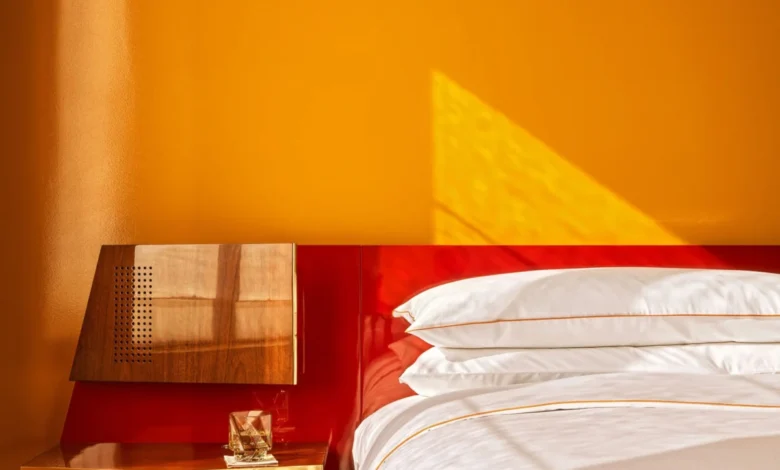
The global bedding market, valued at approximately $95 billion in 2023, is undergoing a significant transformation as consumer focus shifts toward sleep hygiene and high-quality materials. Within this burgeoning "sleep economy," the quest for the ultimate tactile experience has led industry experts and editors at Architectural Digest to conduct extensive longitudinal testing on the market’s leading textile offerings. Through a rigorous evaluation process that spans months and, in some instances, years, a definitive list of high-performance bedding has emerged, highlighting the intersection of material science, traditional craftsmanship, and modern sustainability.
The Evolution of Material Science in Bedding Textiles
The selection of bedding is no longer a matter of simple aesthetics; it has become a critical component of personal wellness. Industry data suggests that the average human spends approximately one-third of their life in bed, making the material composition of sheets a primary factor in skin health, temperature regulation, and overall sleep quality. The current market is bifurcated into several key material categories: long-staple cotton, bamboo-derived viscose, performance silk, and luxury fiber blends such as cashmere-infused cotton.
Architectural Digest editors have identified the Wamsutta Supreme Egyptian Cotton Sheet Set as the premier choice for overall softness. This selection underscores the enduring relevance of long-staple Egyptian cotton in the luxury sector. Long-staple fibers are significantly more durable and smoother than their short-staple counterparts, as they produce fewer "ends" when spun into yarn, resulting in a fabric that resists pilling and maintains its structural integrity through repeated laundering. Testing by shopping writer Julia Harrison confirmed that the 600-thread-count weave provides a non-abrasive surface ideal for sensitive skin, effectively preventing the hair breakage often associated with lower-quality percale.
The Rise of Sustainable and Cooling Alternatives
As global temperatures rise, the demand for cooling bedding has seen a sharp uptick. This shift has propelled bamboo-derived textiles into the mainstream. The Cozy Earth Bamboo Sheet Set has been identified by editors as a top-tier option for thermal regulation. Scientific analysis of bamboo fibers reveals a hollow structure that facilitates superior airflow compared to traditional cotton. This moisture-wicking capability is essential for "hot sleepers" or those residing in humid climates.
In addition to bamboo, the market has seen a resurgence in high-quality percale and sateen weaves. Quince’s Organic Crisp Percale Sheet Set represents the affordable luxury segment, utilizing 100% organic long-staple cotton. Percale, characterized by a one-over, one-under plain weave, is traditionally prized for its "crisp" hotel-like feel. However, editors noted that Quince’s version achieves a level of softness that rivals more expensive competitors while maintaining the breathability and wrinkle resistance necessary for a polished bedscape.

Conversely, the Boll & Branch Signature Hemmed Sheet Set serves as the benchmark for sateen-weave enthusiasts. Unlike percale, sateen employs a four-over, one-under weave, which exposes more thread surface. This creates a lustrous, silky sheen and a heavier drape. Contributor Rachel Fletcher’s five-year longitudinal study of the Boll & Branch set indicates that high-quality sateen actually improves with age, developing a "whipped butter" texture after multiple wash cycles.
Luxury Fiber Blends and Specialized Self-Care Textiles
The integration of non-traditional fibers into bedding has opened a new niche in the luxury market. The Brooklinen Heathered Cashmere Core Sheet Set, composed of 95% cotton and 5% Himalayan cashmere, offers a lightweight alternative to traditional flannel. This blend provides the insulation required for colder months without the excessive weight that can lead to overheating. Editors highlighted this as a significant innovation for transitional weather, offering a "fluffy" hand-feel that remains breathable.
Perhaps the most specialized entry in the modern bedding market is the Clementine Atelier Medica Silk Fitted Sheet. Beyond simple comfort, this product represents the "skinification" of bedding. Infused with hyaluronic acid and squalane, the GOTS-certified organic silk is designed to actively hydrate the sleeper’s skin. While silk has long been recognized for reducing friction on hair and skin, the infusion of dermatological ingredients represents a new frontier in functional textiles.
For those seeking a more rustic yet refined aesthetic, the Pom Pom at Home Kelly Linen Sheet Set and the Matouk Bergamo Bedding utilize high-end European flax and Giza Egyptian cotton yarns, respectively. Linen, traditionally known for its textured, slightly coarse feel, has been reimagined by brands like Pom Pom at Home through stonewashing processes that provide immediate softness upon first use.
Chronology of the Testing and Validation Process
The Architectural Digest editorial team employs a standardized testing protocol to ensure objective results. The process is divided into several distinct phases:
- Initial Procurement and Tactile Assessment: Each set is unboxed and evaluated for "out-of-the-bag" softness, checking for chemical odors or manufacturing defects.
- 30-Day Sleep Trial: Editors sleep on the sheets for a minimum of 30 consecutive nights. This phase tests for breathability, moisture-wicking capabilities, and how the fabric reacts to body heat.
- Laundering Durability Test: The sheets undergo at least ten machine wash and dry cycles. Testers monitor for color-fastness, shrinkage, loose threads, and the development of pills (small balls of fiber).
- Long-Term Resilience: In some cases, testing continues for several years to determine if the material thins or if the elastic in fitted sheets loses its tension.
This rigorous timeline ensures that the "softness" reported is not a temporary result of fabric softeners or temporary finishes applied during manufacturing, but a permanent characteristic of the textile’s quality.

Supporting Data: Understanding Thread Count and Weave
A common misconception in the bedding industry is that a higher thread count inherently signifies a better product. However, industry experts, including Katie Glusica of the Savannah College of Art and Design, suggest that the "sweet spot" for high-quality cotton sheets is generally between 200 and 600.
- 200–300 Thread Count: Ideal for percale weaves, offering maximum breathability and a crisp, matte finish.
- 300–600 Thread Count: The standard for luxury sateen and Egyptian cotton, providing a balance of softness, weight, and durability.
- Over 800 Thread Count: Often achieved through "multi-ply" yarns, which can actually make the sheets heavier, less breathable, and more prone to trapping heat.
The data suggests that the quality of the fiber (e.g., Supima or Giza cotton) and the finishing process are more accurate predictors of long-term satisfaction than thread count alone.
Broader Economic Impact and Consumer Trends
The shift toward premium bedding reflects a broader consumer trend toward "home-vesting"—investing in high-quality home essentials rather than luxury external goods. This trend was accelerated by the global pandemic but has remained steady due to the increased awareness of the health benefits associated with restorative sleep.
The rise of direct-to-consumer (DTC) brands like Brooklinen, Quince, and Buffy has disrupted the traditional department store model. By cutting out middle-market retailers, these companies offer high-thread-count, organic, and specialized materials at price points ranging from $114 to $350, making luxury bedding accessible to a wider demographic. At the same time, heritage brands like Matouk and Wamsutta continue to dominate the ultra-premium segment, with sets reaching prices of $900 or more, catering to consumers who view bedding as a long-term investment.
Furthermore, sustainability has become a non-negotiable factor for many modern consumers. The prevalence of GOTS (Global Organic Textile Standard) and OEKO-TEX certifications among the editors’ top picks indicates a market-wide move toward eliminating harmful chemicals and ensuring ethical labor practices in the textile supply chain.
Conclusion and Future Implications
The findings of the Architectural Digest editorial team highlight a significant maturation in the bedding industry. As material science continues to evolve, we can expect further innovations in temperature-regulating fabrics and "smart" textiles that monitor sleep patterns or deliver dermatological benefits. For the modern consumer, the "softest" sheets are no longer just a luxury; they are a vital tool in the management of health and productivity. The rigorous testing and diverse selection provided by industry experts serve as a roadmap for navigating a market that is increasingly focused on the science of comfort. By prioritizing fiber quality, weave structure, and long-term durability over marketing gimmicks, consumers can secure a sleep environment that supports both physical well-being and psychological rest.