Republican Arkansas Governor Sarah Huckabee Sanders has found herself at the center of a significant political firestorm following the release of a campaign advertisement aimed at promoting stricter work requirements for state welfare programs. The spot, which features a fictional, able-bodied young White man named "Brad" who is depicted as choosing to play video games rather than seek employment, has sparked a sharp and unexpected backlash from within the Governor’s own political base. While the intent of the advertisement was to highlight the Governor’s legislative push for increased accountability in public assistance programs, the choice of the protagonist’s demographic has triggered a fierce debate regarding political messaging, racial optics, and the core identity of the modern Republican Party.
The Genesis of the Controversy
The advertisement, released earlier this week, serves as a cornerstone of Governor Sanders’ reelection campaign. The narrative centers on "Brad," an archetype of an able-bodied individual without dependents who, according to the Governor’s narration, has turned "relaxing into a full-time profession." The ad positions this character as a burden on the hardworking taxpayer, with Sanders directly addressing the viewer: "Brad has turned relaxing into a full-time profession. But you—you actually work hard. You pay taxes to cover welfare for guys like Brad who just choose not to work."
The campaign’s stated goal is to build public support for proposed legislation that would mandate that all able-bodied, childless adults engage in work, vocational training, or volunteer service as a condition for continuing to receive taxpayer-funded government benefits. By framing the issue through the persona of "Brad," the campaign sought to personalize the abstract concept of welfare reform. However, the decision to portray this individual as a young White man proved to be a tactical miscalculation that resonated poorly with key segments of the conservative electorate.
Chronology of the Social Media Firestorm
The reaction to the ad was swift and largely concentrated on social media platforms, particularly X (formerly Twitter). Within hours of the video’s release, prominent conservative voices and commentators began to publicly denounce the ad, not for its policy goals, but for its creative execution.

The timeline of the backlash began almost immediately after the video was posted. By Monday evening, high-profile figures within the conservative movement, including Sean Davis, co-founder and CEO of The Federalist, labeled the ad as "dishonest and insulting." Critics argued that by utilizing a white male as the face of "welfare abuse," the campaign was alienating the very demographic that constitutes the bedrock of the Republican voting bloc.
Will Chamberlain, senior counsel for the Article III Project, was among the first to publicly call for a change in campaign personnel, urging the Governor to "fire the consultants who made this ad." The discourse intensified throughout the week, drawing in figures like Matt Walsh of The Daily Wire, who challenged the statistical accuracy of the portrayal, asserting that the demographic depicted in the ad is, in reality, the least likely to be a primary recipient of welfare benefits compared to other groups.
Statistical Context and Welfare Demographics
The debate has prompted a wider examination of the statistics surrounding public assistance in the United States. According to data from the U.S. Census Bureau and the Department of Health and Human Services, welfare participation rates are influenced by a complex array of socioeconomic factors, including household size, age, disability status, and regional economic conditions.
Critics of the ad have pointed to historical data suggesting that the narrative of the "lazy, able-bodied young man" as the primary driver of welfare spending is not supported by broad demographic trends. Data consistently shows that the majority of SNAP (Supplemental Nutrition Assistance Program) and Medicaid recipients are children, the elderly, or disabled individuals. Among working-age adults who receive benefits, a significant portion are either currently employed—often in low-wage positions that do not provide benefits—or are actively searching for work.
The backlash highlights a tension between political rhetoric and empirical reality. By focusing on a "choice" to not work, the ad simplifies the systemic barriers—such as lack of transportation, childcare, or local job availability—that many recipients face. For many conservative critics, the ad’s failure was in its decision to focus on an outlier demographic while ignoring the structural issues that typically lead to welfare dependency.
Official Responses and Defensive Strategy
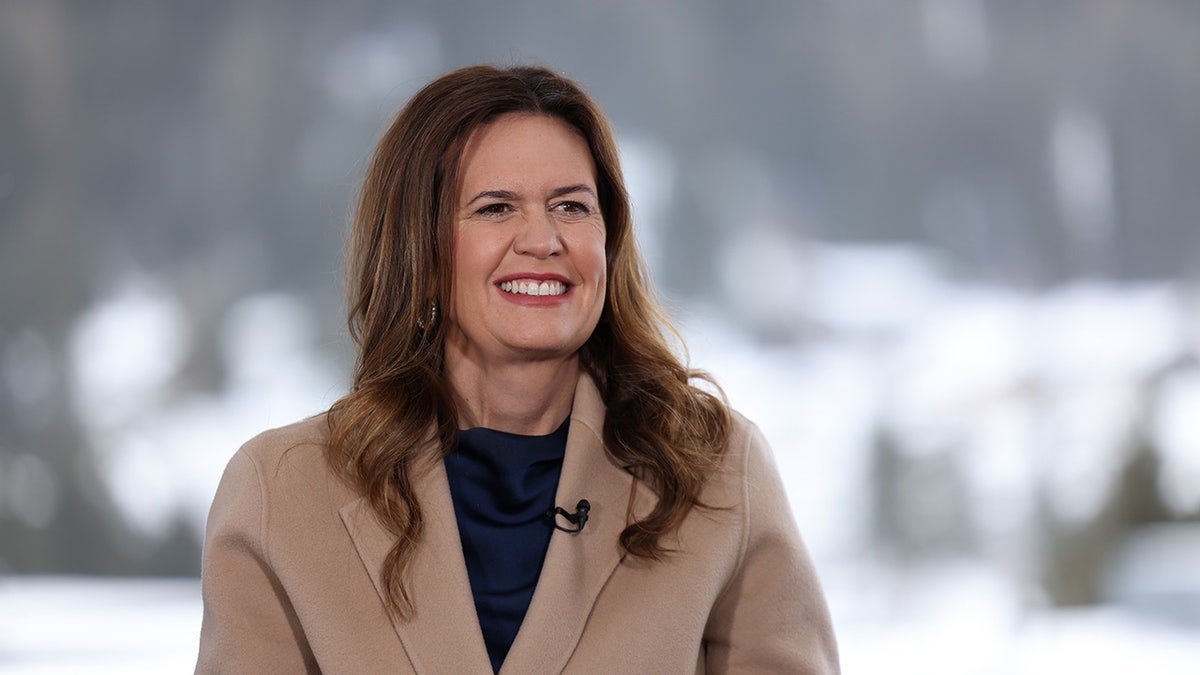
Despite the growing chorus of disapproval, Governor Sanders has remained steadfast in her commitment to the message. In a follow-up statement posted to social media, the Governor dismissed the criticism, framing it as an overreaction from "online critics." She maintained her position that the policy is fundamentally sound, stating, "If you are able-bodied you should not collect welfare simply because you choose not to work. Period."
The Governor’s office has largely declined to engage in a point-by-point rebuttal of the criticisms regarding the ad’s casting choices. This strategy of "doubling down" is a common approach in modern political communication, where the focus remains on the policy objective rather than the medium of the message. However, the refusal to acknowledge the internal criticism has led some commentators to question whether the campaign understands the current sentiment of the party’s grassroots base.
The Political Implications of Intra-Party Friction
The backlash against the Sanders ad has provided a rare opening for external observers to weigh in on the state of the Republican Party. Left-wing commentators and media figures, including Keith Olbermann and the staff at MeidasTouch, have seized on the conflict, suggesting that the anger directed at the Governor reveals a deep-seated racial sensitivity within the conservative movement.
These external critics argue that the controversy exposes a perceived double standard: that while many Republicans have long pushed for welfare reform, they are only comfortable doing so when the subjects of their criticism belong to minority groups. When the subject is a member of their own demographic, the narrative is viewed as a betrayal. This discourse has added a layer of complexity to the situation, as the original "policy-focused" intent of the ad has been entirely subsumed by a debate over identity politics.
Broader Policy Context: Welfare Reform in the States
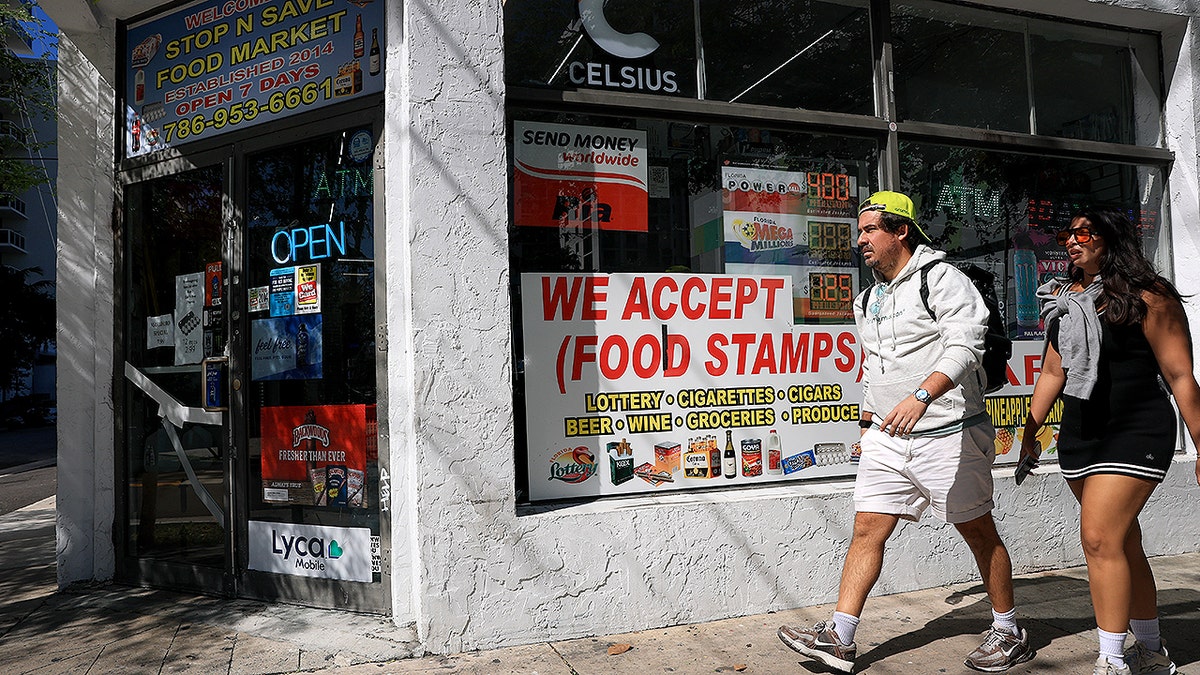
The controversy in Arkansas occurs against a backdrop of similar legislative efforts across the country. Florida, for example, has recently moved to restrict the use of welfare funds for specific purchases like tattoos and vaping products, aiming to curb what proponents call the "misuse" of public assistance. These state-level efforts are part of a broader national trend in which Republican governors are seeking to implement more rigorous oversight and work requirements for social safety net programs.
The political success of these policies often depends on the ability of state leaders to frame them as common-sense solutions to government waste. However, the "Brad" ad illustrates the risks inherent in such messaging. By creating a character that felt like a caricature rather than a reflection of reality, the campaign failed to achieve its primary objective: to build a consensus for policy change.
Conclusion: Lessons for Political Communication
As the 2026 election cycle approaches, the fallout from this campaign ad serves as a case study in the challenges of modern political messaging. It demonstrates that even when a policy objective—such as work requirements for welfare—is broadly popular within a party, the manner in which that policy is presented can derail the entire narrative.
For Governor Sanders, the challenge moving forward will be to refocus the conversation on the legislative merits of her welfare reform proposal while navigating the discontent within her own party. Whether this incident will have a lasting impact on her reelection prospects remains to be seen. However, the episode has clearly highlighted the volatile intersection of policy, identity, and digital media in contemporary American politics. The "Brad" incident is a reminder that in an era of heightened political awareness, the optics of a campaign advertisement are often scrutinized with as much intensity as the policies they aim to promote. As the political landscape continues to evolve, the ability to communicate complex policy ideas without inadvertently alienating one’s own base will likely become an increasingly vital skill for elected officials.