
The Department of Justice has officially utilized the Alien Terrorist Removal Court (ATRC) for the first time in its history, marking a significant escalation in the federal government’s approach to addressing national security threats posed by foreign nationals. This landmark legal action arrives amid heightened scrutiny of the vetting processes used during the Biden administration’s Operation Allies Welcome, which facilitated the entry of thousands of Afghan nationals into the United States following the 2021 withdrawal from Afghanistan.
The invocation of the ATRC—a specialized, secretive judicial body established under the Antiterrorism and Effective Death Penalty Act of 1996—underscores the gravity of the current threat landscape. While the DOJ has not provided extensive public detail on every individual subject to these proceedings, the move coincides with growing alarm regarding potential security gaps in the post-withdrawal asylum pipeline. This concern has been further exacerbated by the recent apprehension of Afghan nationals linked to alleged terror plots, most notably the foiled Election Day terror conspiracy involving Nasir Ahmad Tawhedi.
A Pattern of Vetting Deficiencies
A newly released report from the Department of Homeland Security (DHS) Office of Inspector General (OIG), dated September 23, has provided a critical look at the administrative failures within the asylum processing system. The OIG conducted a deep-dive review of 678 asylum applications filed by Afghan nationals who arrived through the Operation Allies Welcome program. The findings are sobering: federal inspectors identified documentation or vetting errors in 40% of the files reviewed.

The specific deficiencies cited in the report highlight a system that appears to have prioritized speed over security. Among the most glaring issues were 303 instances of missing aliases—information essential for effective background checks—and 23 cases where mandatory security screenings were entirely absent. Furthermore, inspectors documented over 150 additional administrative lapses. Of particular concern, the report identified at least two cases where applicants were granted asylum despite indications that they may have been inadmissible on terrorism-related grounds. In one of these instances, the documentation required to substantiate the government’s review was missing entirely, while in the other, the approval process was initiated by supervisors but never formally completed or recorded.
The Impact of Expedited Adjudication
The DHS press release accompanying the report points toward a "dangerous mismanagement" of the initiative. Officials suggest that a legal settlement, which mandated that U.S. Citizenship and Immigration Services (USCIS) adjudicate 90% of asylum applications within a 150-day window, created an environment where operational speed was favored over thorough investigation.
The pressure to meet these aggressive timelines created a bottleneck that, according to the inspector general, resulted in missed FBI name checks—which accounted for nearly 60% of the security check omissions identified in the sample. The report serves as a formal acknowledgment that the scale of the evacuation, combined with a rigid legal mandate for rapid processing, compromised the efficacy of the standard vetting protocols.
Chronology of Operation Allies Welcome
The challenges currently being debated have their roots in the final days of the U.S. presence in Afghanistan in August 2021.
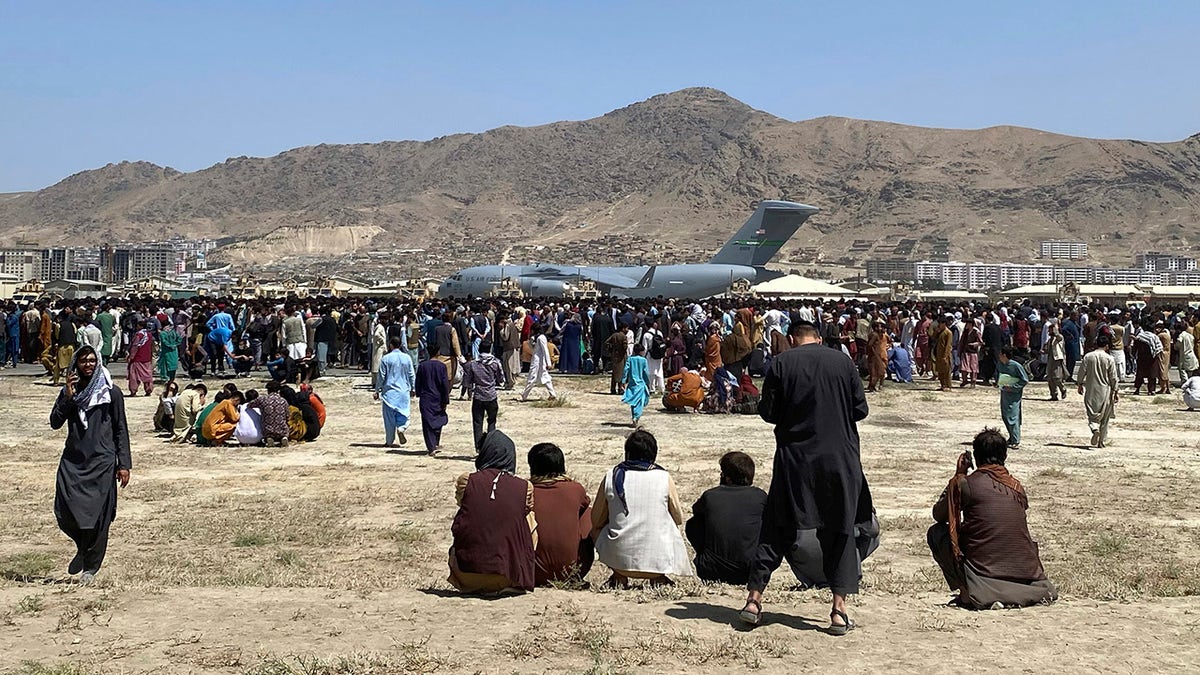
- August 2021: The fall of Kabul triggers a massive, chaotic evacuation effort. The U.S. military, alongside coalition partners, rushes to evacuate tens of thousands of personnel, citizens, and at-risk Afghans.
- Late 2021: Operation Allies Welcome is formalized as the primary vehicle for the resettlement of Afghan arrivals. Temporary processing hubs, or "lily pads," are established in third-party nations to manage the influx.
- 2022–2023: As the initial rush settles, the focus shifts to long-term asylum processing. USCIS faces increasing pressure to clear the backlog, leading to the settlement agreement that mandated 150-day processing windows.
- 2024: High-profile arrests of Afghan nationals—including an alleged ISIS-K supporter and an individual charged with making terroristic threats—trigger a wave of congressional oversight requests and internal government audits.
- September 2025: The OIG releases the report detailing the 40% error rate, providing empirical evidence of the concerns raised by critics regarding the integrity of the vetting process.
Expert Analysis and Political Consequences
Critics of the administration’s handling of the evacuation, including Mark Krikorian of the Center for Immigration Studies, have long argued that the vetting process was fundamentally flawed from the outset. Krikorian contends that the "lily pad" strategy provided only the illusion of thorough vetting. He argues that once the United States committed to airlifting these individuals, the practical ability to vet them effectively was lost, as third-party nations were never intended to be long-term housing for those denied entry.
"The fact that 40% of these applications have errors is alarming," Krikorian stated in a recent interview. "This IG report just underlines how superficial and even frivolous the vetting that we were assured was going on actually was." He further noted that the 40% figure likely represents a conservative estimate, as auditors could only evaluate what was present in the existing files, rather than conducting a full, independent re-vetting of the individuals themselves.
The political fallout has been significant. Lawmakers, particularly those who were critical of the withdrawal, have cited these findings as evidence of a systemic failure in national security protocol. The mention of individuals with over 100 known aliases appearing in the data set has fueled arguments that the U.S. government lost control over who was entering the country during the height of the crisis.
Institutional Responses and Recommendations
In response to the OIG report, USCIS has agreed to implement all five recommendations proposed by the inspectors. These include:

- Enhanced Alias Tracking: Developing a more robust method for capturing and verifying all known aliases for every applicant to ensure they cross-reference with global terror databases.
- Mandatory Security Check Verification: Implementing a "hard-stop" mechanism in the digital filing system that prevents a case from moving to the approval stage if the required FBI and intelligence community name checks are not electronically recorded.
- Improved File Oversight: Establishing a secondary audit layer for supervisors, ensuring that adjudication files are complete before final approval.
- Data Integrity Training: Retraining adjudicators on the specific risks associated with the Afghan applicant pool and the importance of documenting investigative steps.
- Retrospective Review: Initiating a broader internal review of applications that were processed during the peak of the 150-day mandate to identify any further instances of missing security documentation.
Broader Implications for National Security
The use of the Alien Terrorist Removal Court is a rare and severe measure. By utilizing this court, the DOJ can present classified evidence in a closed setting, allowing the government to deport individuals deemed a threat without jeopardizing intelligence sources and methods. The fact that the administration is now relying on this tool—and that it has arrived at this juncture—suggests that the government is grappling with the realization that the vetting gaps of 2021 have created a persistent, ongoing risk.
While the administration maintains that the vast majority of the evacuees were screened effectively, the OIG report provides a rare, objective look at the "front-line" reality of the program. The tension between the humanitarian imperative to assist allies and the national security imperative to screen arrivals remains a central theme in the ongoing debate over immigration policy.
As the government moves forward with stricter oversight, the shadow of the 2021 withdrawal continues to loom large. The case of the Alien Terrorist Removal Court’s first use is not merely a legal milestone; it is a signal of the hardening of the U.S. stance toward those who may have slipped through the cracks during one of the most complex logistical operations in recent military history. With ongoing investigations and the potential for further high-profile cases, the federal government faces a long road in reconciling the administrative shortcuts of the past with the security requirements of the future.