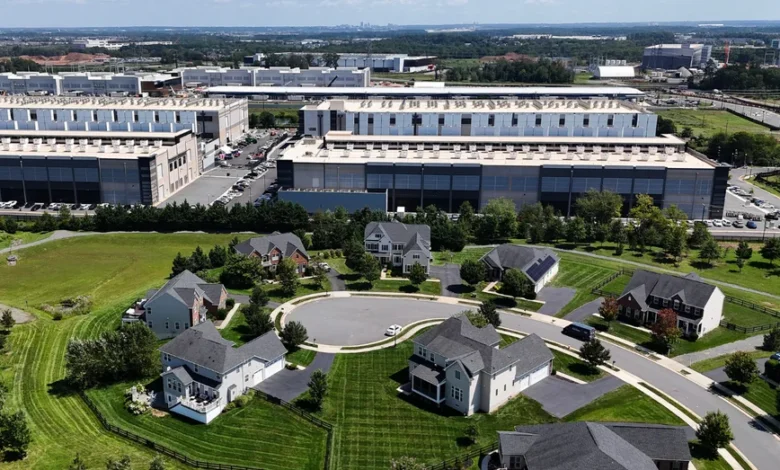
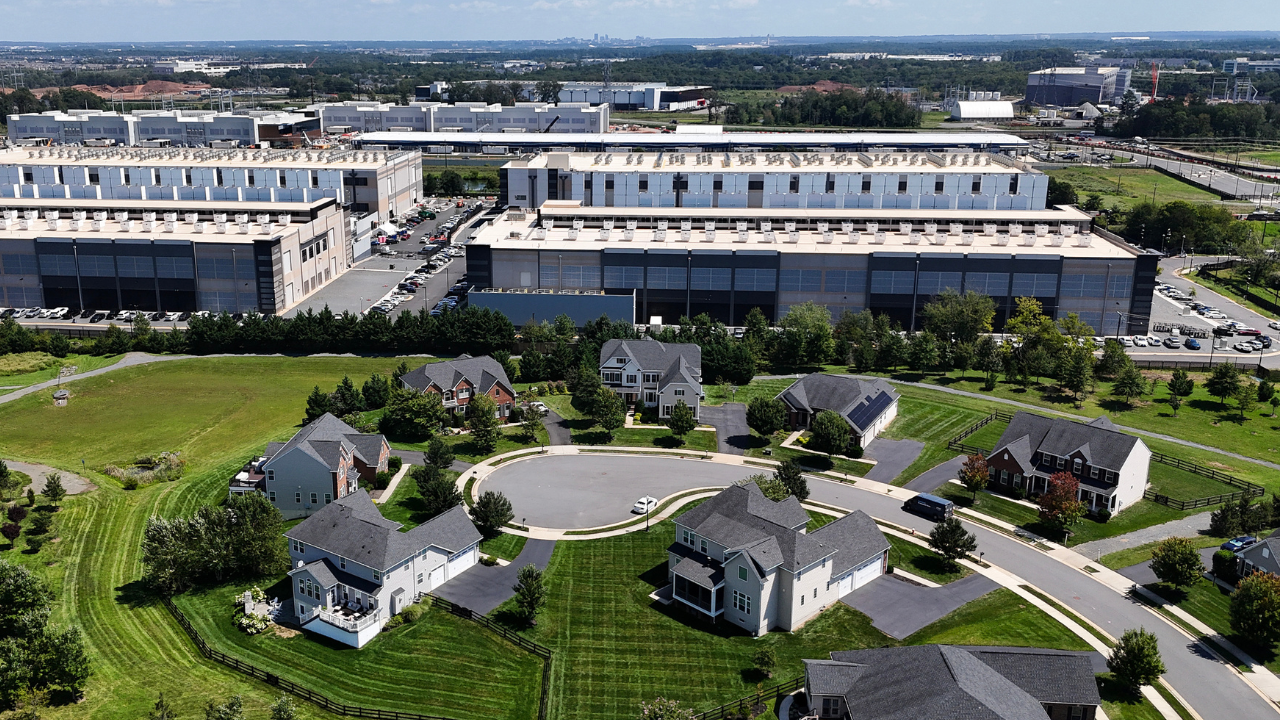
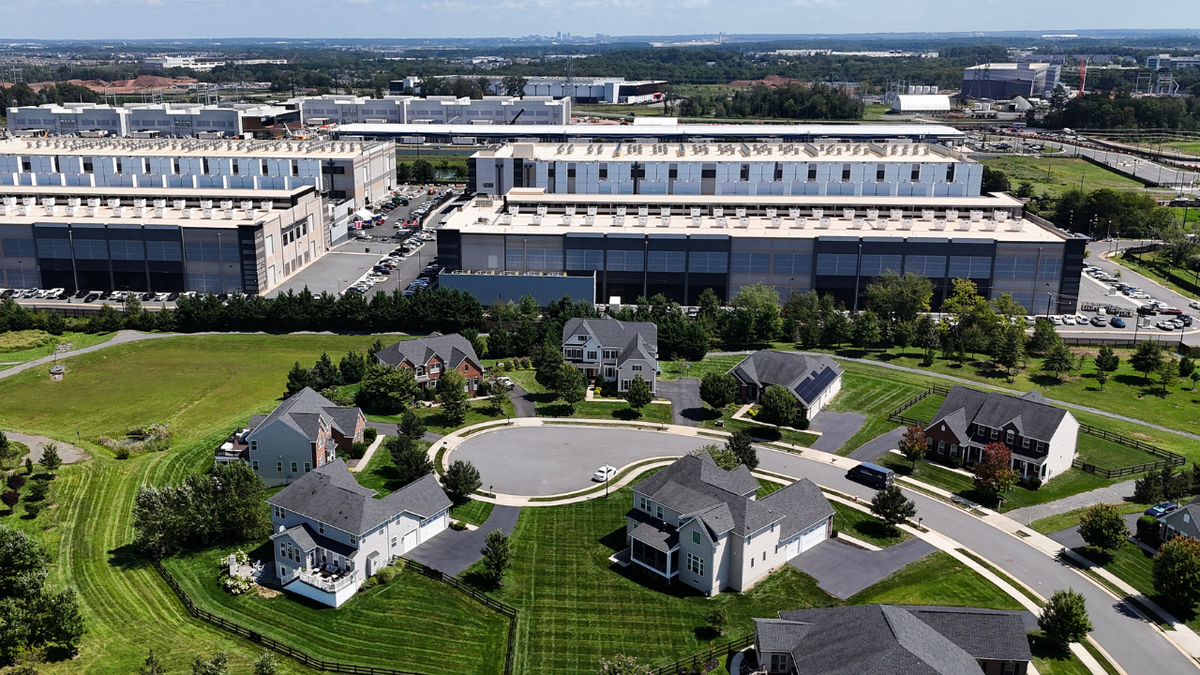
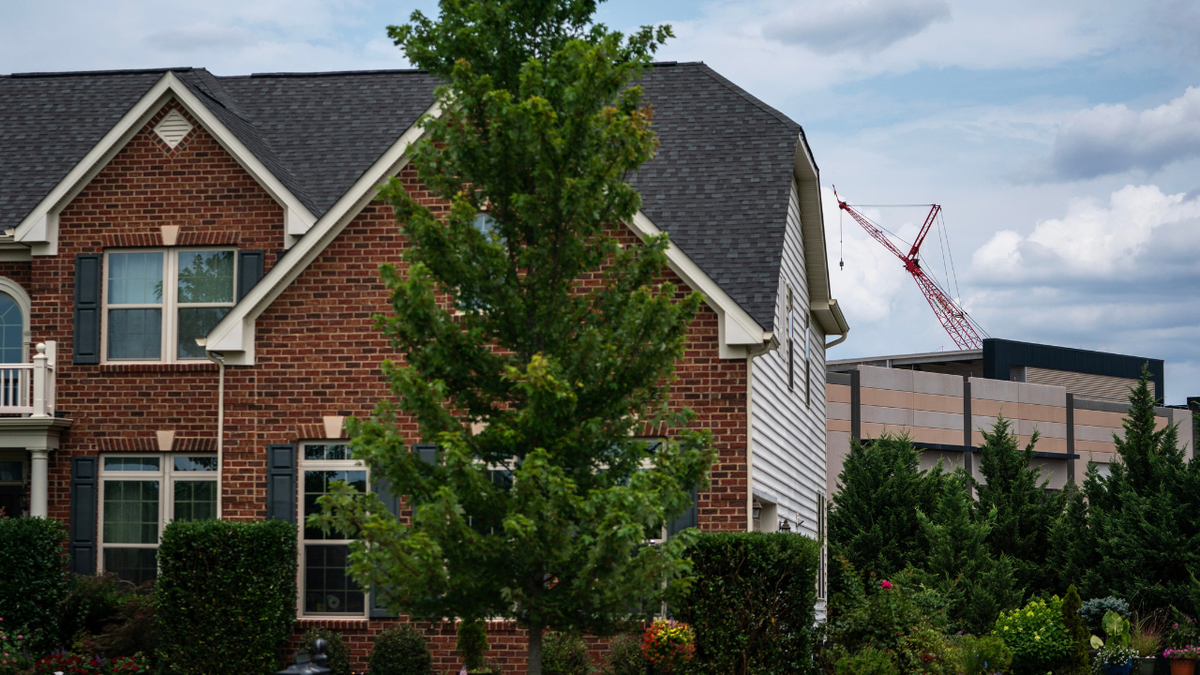
The quiet cul-de-sacs of Ashburn, Virginia, were once defined by the rhythmic peace of suburban life—backyard barbecues, the rustle of leaves in autumn, and the distant hum of traffic. Today, that tranquility has been supplanted by the relentless, low-frequency mechanical drone of the global artificial intelligence revolution. As the world races to build the infrastructure necessary to power generative AI, cloud computing giants like Amazon Web Services (AWS) and Microsoft have transformed Loudoun County into the "Data Center Capital of the World." For the residents of Statesboro Place, this technological progress is not an abstract benefit of the digital age; it is a towering, windowless reality located less than 150 feet from their property lines.
The Geography of the Digital Boom
Loudoun County, situated just outside the nation’s capital, has become the primary theater for the physical manifestation of the internet. The region’s strategic proximity to fiber-optic backbones and a robust electrical grid made it an ideal location for the massive server farms that underpin the modern economy. However, as the scale of these facilities has expanded to accommodate the energy-intensive requirements of AI, the buffer zones between industrial utility and residential living have evaporated.
What began as construction sites marked by red dust and heavy machinery has evolved into a permanent industrial landscape. For homeowners, the transition from open fields to massive, fortress-like structures has been jarring. The visual impact is matched only by the auditory one: a constant, non-stop mechanical hum generated by the massive cooling systems required to prevent thousands of servers from overheating.
A Chronology of Escalation
The transformation of Loudoun County into a data center hub was not an overnight development, but the current acceleration is unprecedented. The timeline of this expansion can be categorized by three distinct phases:
- The Foundation Era (2000–2015): During this period, Loudoun County began aggressively courting the technology sector, utilizing tax incentives to attract server farm investment. Data centers were largely tucked away in designated industrial parks, far from the view of residential neighborhoods.
- The Cloud Proliferation (2016–2022): As businesses shifted to cloud-based storage, the demand for space skyrocketed. Facilities grew in size and density, often encroaching on the edges of rapidly expanding residential zones.
- The AI Infrastructure Explosion (2023–Present): The integration of large-scale AI models necessitated a massive surge in computing power. This phase saw the deployment of "hyper-scale" data centers, characterized by larger footprints and significantly higher power consumption, leading to the current friction points in communities like Ashburn.
As of March 2026, the scale of this development is staggering: over 230 data centers are currently active or under construction across the county, with an additional 116 projects awaiting approval or in the planning pipeline.
The Economic Paradox: Taxes vs. Realities
The primary justification for this aggressive industrial growth is the significant tax revenue generated for the county. In fiscal year 2026, data centers accounted for $1.2 billion—or 39%—of the total county budget. Projections for fiscal year 2027 suggest this figure will climb to $1.3 billion. County officials argue that this revenue stream is essential for funding schools, public safety, and infrastructure, ultimately keeping property tax rates lower than they might otherwise be.
However, a segment of the local population reports a starkly different financial reality. Residents have presented tax records suggesting that despite the billions flowing into county coffers, their individual property tax burdens have continued to climb. One homeowner provided documentation showing their annual real estate tax bill surged from $17,391 in 2021 to $22,250 in 2026. While county officials point to rising property assessments as the culprit, residents argue that the presence of massive, industrial-scale facilities near their homes has failed to provide the promised relief, creating a disconnect between the county’s fiscal health and the homeowner’s pocketbook.
Corporate Response and Community Relations
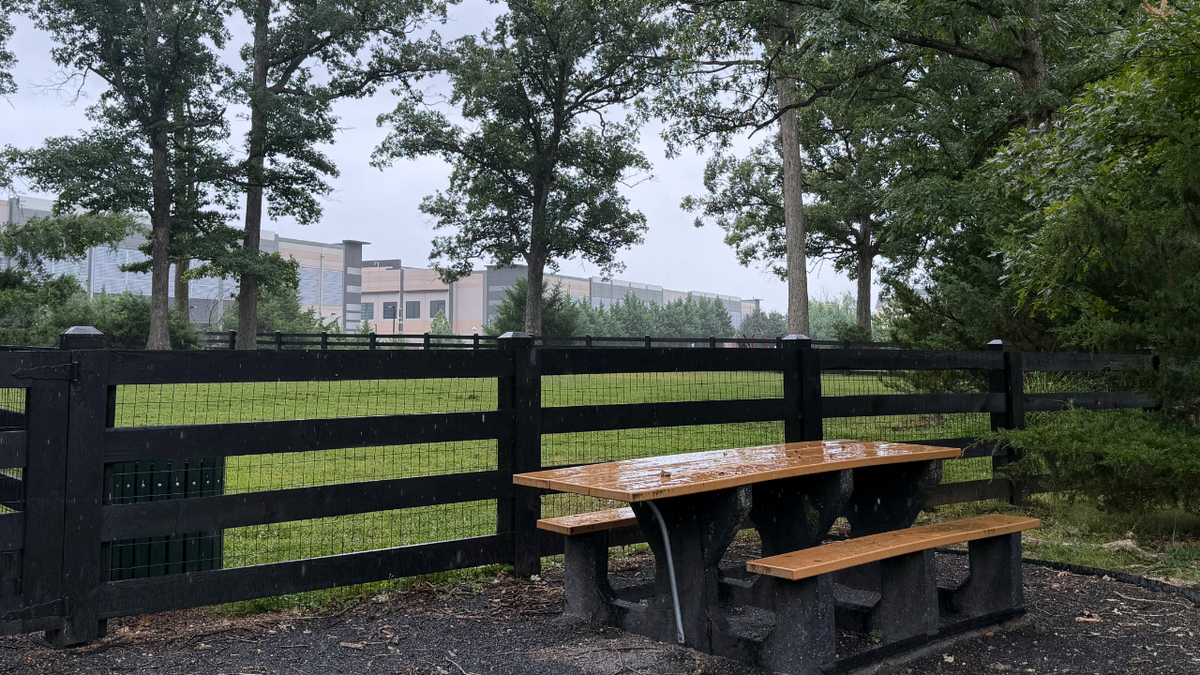
In response to growing tensions, both Amazon and Microsoft have issued statements emphasizing their commitment to being "good neighbors." A Microsoft spokesperson confirmed that the company is engaging with Homeowners Associations (HOAs) to discuss mitigation strategies, including improved landscaping to act as visual barriers, specialized lighting designs to reduce light pollution, and acoustic solutions to dampen the mechanical drone.
Amazon, which has maintained a presence in Loudoun County for two decades, similarly noted that its projects undergo rigorous local and state regulatory reviews. The company stated that its local teams are working directly with residents and HOA representatives to address specific concerns regarding construction noise and the long-term impact of facility operations. Despite these assurances, many residents remain skeptical, viewing the proposed solutions—such as planting trees—as insufficient for the scale of the noise and visual disruption.
The Policy Struggle: Quality of Life vs. Growth
The debate has now reached the halls of local government. Little River District Supervisor Laura TeKrony has emerged as a prominent voice for those concerned about the unchecked expansion. Since taking office in 2024, TeKrony has voted against every data center application presented to the board, arguing that the county must prioritize its residents’ quality of life over further industrial growth.
"There are some things that matter more than additional tax revenue: our land, our water, our quality of life, and our community character," TeKrony stated in an interview. This perspective reflects a broader movement within the county to shift the planning paradigm, suggesting that future data center development should be strictly confined to dedicated industrial zones, rather than being permitted to encroach upon residential areas.
Broader Implications of the AI Gold Rush
The situation in Loudoun County serves as a case study for the friction between national technological ambition and local community interests. As the United States positions itself as the global leader in artificial intelligence, the physical infrastructure required to support that leadership—massive data centers—must be placed somewhere.
Experts in urban planning note that the "Loudoun model" of rapid, dense development is increasingly unsustainable as communities reach a breaking point. The reliance on these facilities for a significant portion of the municipal budget creates a "golden handcuffs" scenario, where local governments become dependent on a single industry for their survival, limiting their ability to regulate that industry effectively.
Furthermore, the environmental and infrastructure strain extends beyond noise. The energy consumption of these facilities is pushing the limits of the regional power grid, and the sheer scale of the buildings creates significant heat-island effects. For the people living on Statesboro Place, the question is not whether the internet should exist, but who should bear the burden of the physical reality that makes it possible.
Moving Toward a Resolution
Residents are increasingly calling for concrete policy changes. Their demands go beyond aesthetic fixes like trees. Proposals currently circulating among community groups include:
- Sound Barrier Walls: Residents have suggested the installation of high-density acoustic barriers, similar to those used on interstate highways, to mitigate the constant low-frequency hum.
- Property Tax Rebates: Given the direct impact on their property values and quality of life, some residents are calling for a 50% reduction in property taxes for those living in the immediate vicinity of these industrial sites.
- Ongoing Monitoring: There is a strong push for the county to implement independent, long-term noise and environmental monitoring, with results made available to the public.
As the AI boom continues to accelerate, the struggle in Loudoun County provides a cautionary tale for other municipalities across the nation currently chasing similar industrial windfalls. The challenge for policymakers will be to reconcile the insatiable demand for digital infrastructure with the fundamental necessity of protecting the residential character that defines a community. For now, the hum of the servers remains the backdrop of daily life in Ashburn—a sound that serves as a constant, grinding reminder of the hidden costs of the digital age.