
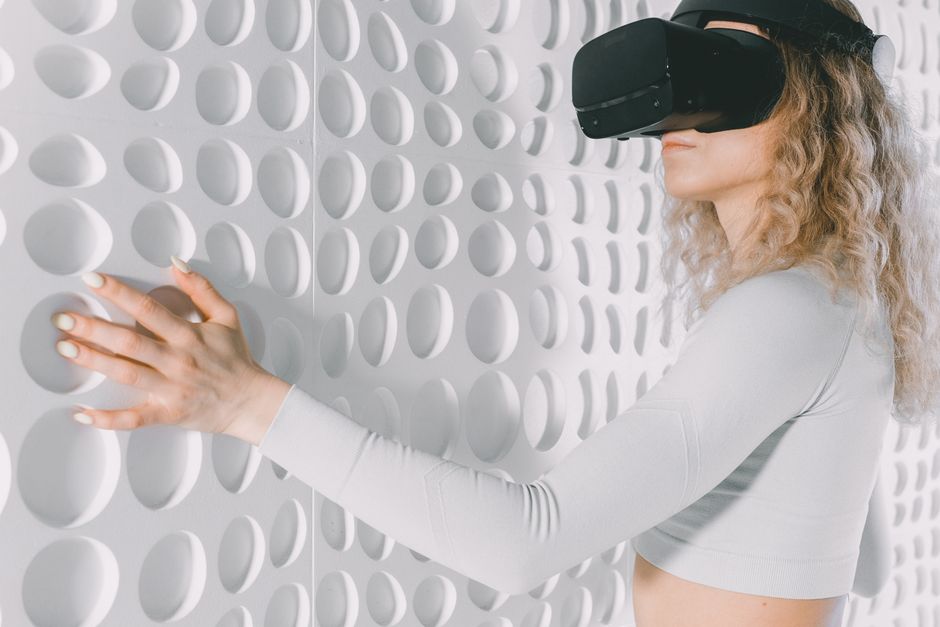
ARVR Weekly Mixed Reality Plinko: Redefining the Arcade Experience Through Immersive Technology
Mixed reality, a revolutionary fusion of augmented reality (AR) and virtual reality (VR), is rapidly transforming entertainment and gaming. Among the most exciting developments in this burgeoning field is ARVR Weekly’s innovative take on the classic arcade game, Plinko. This iteration transcends the traditional physical Plinko board by leveraging mixed reality technology to create an unparalleled interactive experience. By seamlessly blending digital elements with the real world, ARVR Weekly’s Mixed Reality Plinko offers players a dynamic, engaging, and visually stunning gameplay loop that appeals to both seasoned gamers and casual enthusiasts. The core concept remains familiar: dropping a chip from the top of a pegboard and watching it bounce its way down to a variety of prize slots at the bottom. However, the mixed reality layer injects an entirely new dimension of interactivity and spectacle, making each drop a unique event.
The technological underpinnings of ARVR Weekly’s Mixed Reality Plinko are crucial to its immersive appeal. The system typically utilizes advanced AR headsets, such as the Microsoft HoloLens or Magic Leap, which overlay digital graphics onto the player’s physical environment. This allows for the creation of a virtual Plinko board that appears to occupy the player’s actual space, complete with realistic physics simulations for the falling chips and interactive pegs. High-fidelity 3D models of the chips and board, coupled with sophisticated rendering techniques, contribute to a sense of tangible presence. Beyond visual fidelity, spatial audio plays a vital role. The sound of the chip hitting pegs, the subtle rustling as it descends, and the triumphant chime of landing in a winning slot are all meticulously crafted to enhance the feeling of immersion. Furthermore, the system often incorporates hand-tracking or controller input, enabling players to physically pick up and drop their chips, adding a layer of direct interaction that is absent in purely virtual or traditional Plinko. The real-world environment, such as the player’s living room or a designated gaming space, acts as the canvas upon which the digital Plinko board is projected, creating a personalized and contextually relevant gaming experience. The interplay between the digital and physical is managed by sophisticated software that ensures accurate tracking and rendering, allowing the virtual elements to feel anchored to the real world, a hallmark of true mixed reality.
The gameplay mechanics of ARVR Weekly’s Mixed Reality Plinko are designed to be intuitive yet offer surprising depth. Players begin by acquiring virtual chips, often through in-game currency or as rewards for gameplay. The act of dropping a chip is not merely a passive action. Through the mixed reality interface, players can often interact with the chip itself, perhaps flicking it with a gesture or positioning it precisely before release. The physics engine is a critical component, simulating the chaotic yet predictable descent of the chip as it bounces off an array of pegs. The trajectory of each chip is influenced by subtle variations in its release and the precise angles of the pegs, leading to a sense of organic unpredictability. The prize slots at the bottom of the board are not static; they can be dynamically varied, offering different multipliers, bonus games, or even virtual rewards like cosmetic items or in-game boosts. This variability keeps players engaged, as each drop presents a fresh possibility and a chance for a significant payout. The visual feedback is immediate and impactful, with winning slots often lighting up with celebratory animations and sounds. The system can also introduce dynamic events during gameplay, such as a sudden gust of virtual wind that slightly alters a chip’s path or the appearance of special bonus pegs that can redirect chips to high-value slots, further enhancing the excitement and replayability. The challenge lies not just in luck, but in understanding the subtle nuances of chip trajectory and the potential impact of in-game modifiers.
ARVR Weekly’s Mixed Reality Plinko excels in its ability to foster social interaction and competition. Unlike traditional solo Plinko experiences, this mixed reality version can be enjoyed by multiple players simultaneously, even if they are in different physical locations. Through online multiplayer modes, players can compete against each other, with their avatars or virtual representations appearing within the shared mixed reality space. This allows for a sense of presence and direct competition, where players can see each other’s progress and react to each other’s successes or failures in real-time. Leaderboards and tournament structures are often integrated, encouraging friendly rivalry and a pursuit of top scores. The social aspect is further amplified by features like spectator modes, where friends can watch the gameplay unfold in their own mixed reality environments, or through integrated communication tools like voice chat, allowing for banter and shared excitement. The ability to experience a shared virtual space, even when physically apart, is a transformative aspect of mixed reality gaming, and Plinko, with its inherently social and competitive nature, is an ideal candidate for this kind of collaborative and competitive engagement. Imagine a virtual arcade where you and your friends, each in your own homes, can gather around a shared Plinko board, cheering each other on as chips descend.
The potential for monetization and in-game economies within ARVR Weekly’s Mixed Reality Plinko is substantial. Beyond the initial purchase of the game or hardware, developers can implement various revenue streams. These include the sale of virtual chips, allowing players to continue playing or to enter special high-stakes rounds. Cosmetic upgrades for chips, such as unique designs, trails, or special effects, offer a non-intrusive way for players to personalize their experience and for developers to generate revenue. Furthermore, the introduction of premium prize slots with higher potential payouts or exclusive rewards can incentivize players to invest. The integration of blockchain technology for unique digital assets, such as rare chip skins or collectible virtual trophies, could also open up new avenues for player ownership and trading within a secure ecosystem. The introduction of season passes or battle passes, offering tiered rewards for consistent play and engagement, is another proven monetization strategy that can be adapted for this mixed reality title. The key is to strike a balance between offering value to players and ensuring the long-term sustainability of the game’s development and operation. The focus is on creating a vibrant in-game economy that enhances the player experience rather than detracting from it.
The future trajectory of ARVR Weekly’s Mixed Reality Plinko is intrinsically linked to the broader advancements in mixed reality hardware and software. As AR headsets become more powerful, affordable, and accessible, the fidelity and complexity of mixed reality experiences will undoubtedly increase. Higher resolution displays will lead to sharper visuals and more intricate details on the Plinko board and chips. Improved tracking capabilities will enable more responsive and precise player interactions. The development of more sophisticated AI for game management, such as dynamic difficulty adjustments or personalized challenges, will further enhance replayability. The integration of haptic feedback technologies, allowing players to feel the impact of chips and the texture of virtual elements, will add another layer of sensory immersion. As the metaverse concept matures, mixed reality Plinko could become a social hub within virtual worlds, allowing players to congregate, play games, and interact in innovative ways. The potential for cross-platform play, enabling users on different AR/VR devices and even traditional platforms to participate, will broaden the game’s reach significantly. The ongoing evolution of game development tools and engines tailored for mixed reality will empower creators to build even more ambitious and engaging experiences. The ongoing research and development in areas like eye-tracking and gesture recognition will lead to even more intuitive and natural ways for players to interact with the virtual Plinko board.
The educational and therapeutic applications of mixed reality Plinko, while perhaps less obvious than its entertainment value, are also worth exploring. The game’s mechanics, involving cause and effect, probability, and strategic decision-making, can be adapted for learning environments. For younger players, it can teach basic counting, reward systems, and the concept of risk versus reward in a fun and engaging manner. In therapeutic settings, mixed reality Plinko can be utilized for cognitive rehabilitation, helping patients to improve focus, attention span, and motor skills through the precise actions required for chip manipulation. The calming and repetitive nature of the gameplay, combined with the visual and auditory feedback, can also have therapeutic benefits for individuals experiencing stress or anxiety. The ability to customize the game’s parameters, such as the speed of the falling chips or the complexity of the pegboard, allows for tailored experiences to meet specific therapeutic or educational goals. The immersive nature of mixed reality can also help to distract from pain or discomfort, making it a useful tool in certain medical contexts. The controlled environment of a mixed reality simulation allows for safe exploration of concepts like chance and consequence without real-world risks.
The search engine optimization (SEO) strategy for content related to ARVR Weekly’s Mixed Reality Plinko hinges on targeting a diverse range of keywords that reflect user intent at various stages of discovery. Primary keywords will include "mixed reality Plinko," "AR Plinko," "VR Plinko," "ARVR Weekly," and "immersive arcade games." Long-tail keywords will be crucial for capturing niche searches, such as "best mixed reality arcade games 2024," "how to play Plinko in VR," "AR Plinko multiplayer experience," "future of arcade gaming with AR," and "ARVR Weekly Plinko game mechanics." Content should be structured with clear headings and subheadings (H2, H3) that naturally incorporate these keywords. Meta descriptions should be compelling and keyword-rich, encouraging click-through rates from search engine results pages (SERPs). Image alt text should also be descriptive and include relevant keywords. Building backlinks from reputable gaming and technology websites will be vital for establishing authority and improving search rankings. Engaging in online communities and forums where mixed reality and arcade game enthusiasts gather will also drive organic traffic and brand awareness. Furthermore, creating video content, such as gameplay walkthroughs, developer interviews, and highlight reels, and optimizing these videos for YouTube search will be a significant component of the SEO strategy. Consistent content creation, focusing on the unique selling propositions of ARVR Weekly’s Mixed Reality Plinko, will be key to long-term SEO success. Analyzing search trends and adapting the keyword strategy accordingly will ensure ongoing relevance and discoverability. The goal is to cater to both those actively searching for mixed reality Plinko experiences and those exploring the broader landscape of immersive gaming.
The integration of ARVR Weekly’s Mixed Reality Plinko into broader metaverse platforms represents a significant opportunity for future growth and user engagement. As these virtual worlds continue to evolve, offering persistent social spaces and economies, games like Mixed Reality Plinko can serve as popular attractions and interactive experiences. Imagine a virtual casino or entertainment district within a metaverse where players can gather to play Plinko, compete for virtual prizes, and socialize with others. This could foster a strong sense of community and provide a consistent source of entertainment for users. The ability to port the game across different metaverse platforms would further expand its reach and accessibility. Developers can leverage the unique capabilities of each metaverse, such as advanced social interaction tools or persistent world elements, to enhance the Plinko experience beyond its current iteration. This could involve player-created Plinko boards, community-driven tournaments with unique metaverse-specific rewards, or even narrative-driven Plinko challenges integrated into larger metaverse storylines. The economic potential within a metaverse context is also immense, with opportunities for virtual land ownership, in-world advertising, and the creation of player-owned businesses centered around the game. The concept of owning and trading unique digital assets related to the game, such as rare chip designs or custom pegboard configurations, could thrive within a decentralized metaverse environment. This strategic positioning within the evolving metaverse landscape is crucial for ensuring the long-term relevance and success of ARVR Weekly’s Mixed Reality Plinko.
The core technology enabling ARVR Weekly’s Mixed Reality Plinko relies on sophisticated spatial mapping and tracking systems. These systems, built into AR headsets, create a real-time 3D understanding of the player’s physical environment. This allows the virtual Plinko board to be accurately anchored to surfaces like tables or floors, making it appear as though it is physically present. The algorithms then process this environmental data to ensure that virtual objects, like the falling chips, interact realistically with the virtual pegs and the boundaries of the projected board. Advanced rendering pipelines are employed to display these digital elements with high fidelity, taking into account lighting, shadows, and reflections to further enhance the illusion of presence. The physics engine plays a critical role in simulating the complex interactions of multiple bouncing objects, ensuring that each chip’s descent is unique and visually engaging. Input methods, whether through hand gestures detected by the headset’s cameras or through dedicated controllers, are translated into actions within the virtual space, allowing players to feel a direct connection to the game. The latency between player input and visual/auditory feedback is minimized through highly optimized software and hardware, crucial for maintaining immersion and preventing motion sickness. The network infrastructure for multiplayer modes is also a key consideration, ensuring smooth synchronization of game states between multiple players across potentially vast geographical distances, with robust solutions for mitigating lag and packet loss.
The user interface (UI) and user experience (UX) design for ARVR Weekly’s Mixed Reality Plinko are paramount to its accessibility and enjoyment. Given the potentially novel interface of mixed reality, intuitive controls and clear visual cues are essential. Designers must consider how users will navigate menus, select chips, and interact with the game environment without feeling overwhelmed. This often involves leveraging natural gestures and voice commands, minimizing the need for complex button inputs. Visual feedback should be immediate and informative, clearly indicating a chip’s trajectory, potential prize zones, and any special game events. The placement and scale of the virtual Plinko board within the user’s real-world environment can be dynamically adjusted to suit different user preferences and physical spaces. Sound design is a critical component of UX, providing auditory confirmation of actions and enhancing the overall sensory experience. Accessibility features, such as adjustable text sizes, colorblind modes, and customizable control schemes, should be integrated to ensure the game can be enjoyed by a wide range of users. The onboarding process, guiding new players through the controls and mechanics of mixed reality Plinko, should be clear, concise, and engaging, making the transition into the immersive experience as smooth as possible. The goal is to create a seamless and enjoyable interaction with the digital elements, making the technology fade into the background and allowing the player to focus on the fun of the game.

