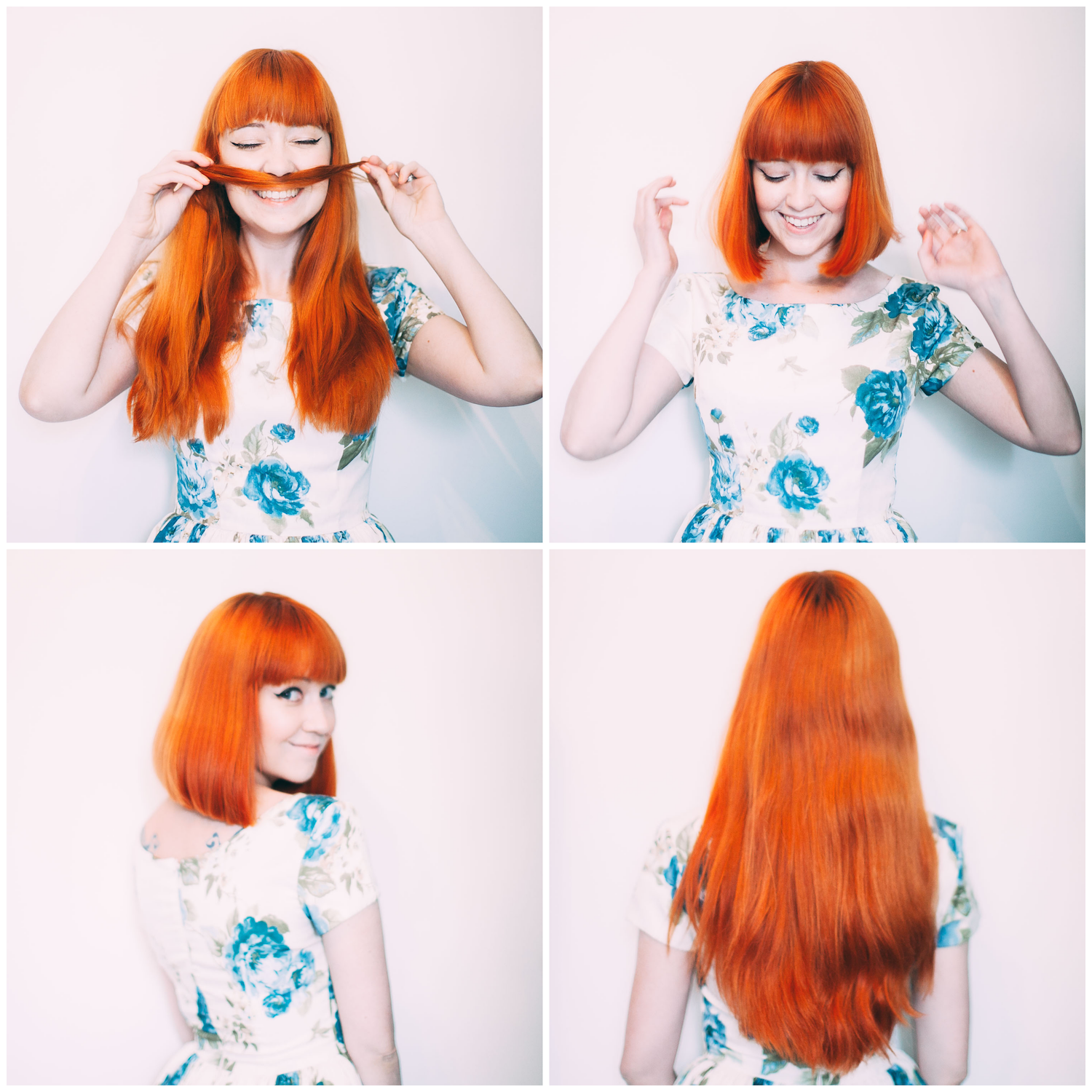

Navigating the Chop: Essential Tips for Surviving a Major Hair Change
The decision to undergo a significant hair transformation, whether it’s a drastic cut, a bold color change, or a complete style overhaul, can be both exhilarating and terrifying. This article provides a comprehensive, SEO-optimized guide to help individuals navigate this process with confidence and minimize potential regret. We will explore pre-change preparation, the emotional rollercoaster of adaptation, and strategies for maintaining your new look, ensuring a smooth and successful transition. Understanding the psychological impact of hair changes is as crucial as the practical aspects, and this guide aims to address both.
Pre-Change Preparation: The Foundation of a Successful Transformation
Thorough research is paramount before booking an appointment for a major hair change. This involves more than just browsing Pinterest boards. Seek out stylists who specialize in the specific type of transformation you’re considering. If you’re aiming for a vibrant, unconventional color, find a colorist with a portfolio showcasing such work. For a dramatic haircut, look for stylists known for precision cutting and understanding of hair texture. Utilize online platforms like Instagram, salon websites, and review sites to scrutinize stylists’ portfolios and client testimonials. Pay attention to before-and-after photos, noting the consistency of their results and their ability to adapt to different hair types and concerns.
Consultation is the cornerstone of a successful hair change. Schedule a dedicated consultation appointment before your actual service. This allows ample time for discussion without the pressure of immediate change. Bring visual aids: printouts of hairstyles you love, and importantly, photos of hairstyles you absolutely dislike. This second set is often more telling, helping your stylist understand your aesthetic boundaries and what to avoid. Be honest about your hair history – previous chemical treatments, coloring, and even heat styling habits. This information is vital for the stylist to assess your hair’s health and determine the feasibility of your desired outcome. Discuss your lifestyle. Do you have time for daily styling? Are you committed to regular salon visits for maintenance? A low-maintenance cut and color for someone with a demanding schedule will lead to frustration. Conversely, if you enjoy spending time styling your hair, a more intricate cut might be a rewarding choice.
Understand the commitment involved with your chosen change. A dramatic color shift, especially from dark to light, will require significant lightening, potentially compromising hair integrity. This often necessitates more frequent toning and conditioning treatments. Similarly, a very short haircut may require more frequent trims to maintain its shape. Discuss the upkeep with your stylist. Ask about recommended products, styling techniques, and the expected frequency of salon visits. This proactive approach to understanding maintenance requirements will prevent surprises and ensure you’re prepared for the ongoing commitment.
Manage your expectations realistically. While inspiration photos are helpful, remember that everyone’s hair is different. Factors like hair texture, density, natural color, and previous treatments all influence the final result. A skilled stylist will assess your hair and explain what is achievable and what might require compromise. Avoid the “instant gratification” mindset. Dramatic changes often take time and multiple sessions, especially with color. Patience is key.
The Emotional Impact: Navigating the "Hair Shock"
The immediate aftermath of a major hair change can trigger a range of emotions, often referred to as "hair shock." This is a perfectly normal reaction and can manifest as excitement, elation, but also anxiety, doubt, and even regret. It’s crucial to acknowledge and validate these feelings. Don’t dismiss them as trivial. Hair is deeply connected to our identity and self-perception.
The "new hair feeling" can be disorienting. You’re looking in the mirror and seeing someone slightly, or significantly, different. This adjustment period requires patience with yourself. Give yourself time to get used to your new reflection. Avoid making snap judgments within the first few days. Your brain needs time to reacquaint itself with your altered appearance.
Seek positive reinforcement. Surround yourself with people who are supportive of your change. Share photos with trusted friends and family and ask for their genuine opinions. However, be mindful of who you seek validation from. If certain individuals are prone to negativity, limit their exposure to your new look during the initial adjustment phase.
Focus on the positive aspects of your transformation. What motivated this change in the first place? Did you want a fresh start? To express your creativity? To feel more confident? Remind yourself of these initial desires. Revisit the inspiration photos that led you to this decision.
If you experience significant regret, don’t panic. Most hair changes are not permanent. Discuss your concerns with your stylist. They can offer advice on minor adjustments, styling tips to make the change more palatable, or even discuss the possibility of gradual reversal. For color changes, there are often toning or darkening options. For haircuts, you can embrace a slightly longer style over time or consider extensions.
Develop new styling routines. Your old styling habits might not work with your new hair. Experiment with different products and techniques. This is an opportunity to learn new skills and discover products that enhance your new look. Watch tutorials online, ask your stylist for demonstrations, and don’t be afraid to experiment.
Maintaining Your Masterpiece: Long-Term Strategies for Lasting Impact
The commitment to a major hair change extends beyond the salon chair. Consistent maintenance is essential to keep your new look looking its best and to protect the health of your hair.
For color-treated hair, invest in high-quality, color-safe shampoo and conditioner. These products are formulated to prevent color fading and maintain vibrancy. Avoid washing your hair with hot water, as this can strip color and moisture. Opt for lukewarm or cool water. Minimize washing frequency. Over-washing can also contribute to color loss. Dry shampoo can be your best friend for extending the life of your wash.
Regular salon visits for touch-ups and treatments are non-negotiable for many major hair changes. For colored hair, expect root touch-ups every 4-6 weeks, depending on your natural hair growth and the color. For dramatic cuts, a trim every 6-8 weeks may be necessary to maintain the desired shape. Deep conditioning treatments and protein masks are crucial for restoring moisture and strength, especially after chemical processes like bleaching.
Invest in good quality styling tools and heat protectants. If your new style involves heat styling, always use a heat protectant spray to shield your hair from damage. Consider investing in tools with adjustable temperature settings to avoid excessive heat exposure. Learn proper blow-drying and styling techniques to minimize friction and breakage.
Embrace the evolution of your look. Even with the best maintenance, hair color will fade, and haircuts will grow out. This is an opportunity to experiment with subtle variations. For example, a balayage can evolve into a more blended ombré. A bob can be styled longer as it grows. This flexibility can help you extend the life of your initial transformation and keep your look feeling fresh.
Consider lifestyle adjustments. If your new hair requires more specific care, you might need to adjust your daily routine. For example, a silk or satin pillowcase can help reduce friction and prevent frizz, especially with textured or chemically treated hair. Protective hairstyles, like braids or buns, can be beneficial during periods of growth or for protecting your hair from environmental damage.
Finally, stay in communication with your stylist. They are your greatest resource. Don’t hesitate to reach out with any concerns or questions about maintaining your hair. They can offer personalized advice, recommend specific products, and suggest future treatments to keep your hair healthy and your style looking its best. A strong client-stylist relationship is invaluable for navigating the long-term care of a major hair transformation.
