
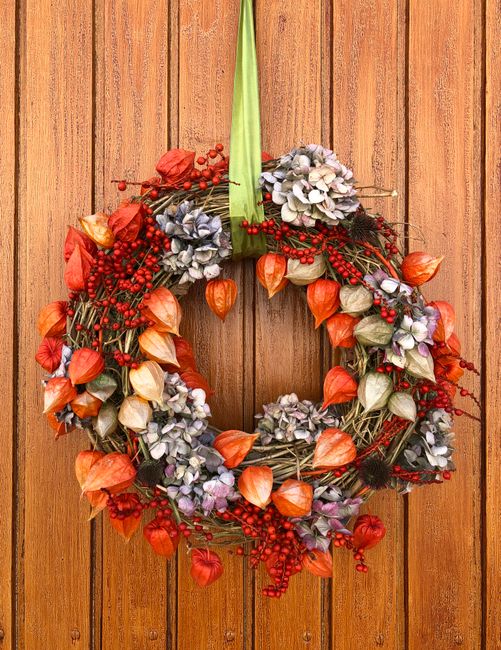
DIY Autumn Floral Wreath: A Comprehensive Guide for Stunning Seasonal Decor
Autumn floral wreaths are a cornerstone of fall decorating, offering a vibrant and welcoming statement for entryways, mantels, and interior spaces. This comprehensive guide details the process of creating your own bespoke autumn floral wreath, focusing on material selection, arrangement techniques, and longevity, all while optimizing for search engine visibility. Understanding keyword relevance and user intent is crucial for maximizing the reach of this DIY project. Terms like "DIY autumn wreath," "fall floral arrangements," "seasonal door decor," "handmade harvest wreath," and "crafting fall centerpieces" are vital for attracting crafters and home decorators. The appeal of an autumn floral wreath lies in its ability to encapsulate the season’s rich color palette and natural bounty. From deep burgundies and burnt oranges to golden yellows and earthy browns, these hues evoke a sense of warmth and abundance. The textures of dried elements, berries, and faux foliage add depth and visual interest, transforming a simple hoop into a work of art. This guide will empower individuals to create personalized wreaths that reflect their unique style and complement their existing decor, while also providing practical advice for ensuring the wreath’s durability and visual appeal throughout the fall season.
The foundation of any successful DIY autumn floral wreath is the base. Wreath bases come in various materials, each offering distinct advantages for floral arrangement. Grapevine wreaths are a popular choice due to their natural, rustic aesthetic and inherent flexibility, allowing for easy insertion of stems. They also offer a sturdy framework that can support a significant amount of floral material. Wire forms, often covered in burlap or moss, provide a more structured base, ideal for heavier embellishments or when a cleaner, more uniform look is desired. Foam wreath forms, especially those designed for artificial flowers, are lightweight and easy to work with, but may require additional support for larger arrangements. Metal wreath forms offer durability and a modern feel, though they can be more challenging to attach natural elements to. For an autumn theme, consider bases that complement the season’s natural textures. A natural grapevine or a moss-covered form can enhance the earthy feel of your floral selections. The size of the wreath base is also a critical consideration. Standard sizes range from 10 to 24 inches in diameter, with larger wreaths making a more dramatic statement for front doors and smaller ones suitable for interior accents. When selecting your base, think about the intended placement and the desired visual impact. A larger wreath will naturally draw more attention and can be seen from a greater distance, making it ideal for an entryway. A smaller wreath, on the other hand, can add a charming touch to a bookshelf, mantel, or even as part of a gallery wall. The key is to choose a base that is proportional to the space it will occupy.
The selection of floral and filler elements is paramount to achieving an authentic and visually appealing autumn floral wreath. For a truly autumnal feel, prioritize elements that embody the season’s rich color palette and diverse textures. Faux fall foliage is an excellent starting point, offering vibrant shades of red, orange, yellow, and brown that are characteristic of fall leaves. Look for high-quality artificial leaves with realistic textures and veining for maximum impact. In addition to leaves, consider faux berries in deep reds, purples, and oranges to add pops of color and visual interest. Dried natural elements like pinecones, acorns, dried seed pods, and wheat stalks bring an organic, rustic charm. These elements can be sourced from craft stores or even foraged from nature (ensure they are thoroughly dried and pest-free). For a touch of softness and contrast, incorporate faux flowers in fall-appropriate colors such as deep burgundy dahlias, burnt orange chrysanthemums, golden sunflowers, and rich brown roses. Thistle, dried hydrangeas, and eucalyptus in muted tones can also add depth and a sophisticated touch. When choosing your faux elements, consider their scale in relation to the wreath base and other components. Overcrowding can lead to a chaotic appearance, while sparse arrangements might lack visual appeal. Aim for a balance of sizes and shapes to create a dynamic and engaging composition. Don’t be afraid to mix and match different types of foliage and flowers to create a unique and personalized look. The interplay of textures – the smooth leaves, the rough pinecones, the delicate petals – is what truly brings an autumn wreath to life.
The art of floral arrangement for an autumn wreath involves strategic placement and layering to create a harmonious and visually appealing composition. Begin by establishing anchor points. These are typically larger or more prominent elements that will define the overall structure of your wreath. For an autumn wreath, these could be several large faux sunflowers, a cluster of pinecones, or a significant spray of faux maple leaves. Secure these anchor points firmly to your chosen wreath base using hot glue or floral wire. Next, begin layering in your filler elements. This includes smaller leaves, berries, and complementary foliage. Work your way around the wreath, distributing these elements evenly to create a balanced look. Avoid placing all similar elements together; instead, intersperse them to create a more natural and organic flow. Consider the directionality of your stems. Pointing some stems inward and others outward can add depth and dimension. For a more dynamic arrangement, create focal points. These are areas where you intentionally group several elements to draw the viewer’s eye. A cluster of berries and a few vibrant leaves can create a striking focal point. Alternatively, a large faux flower surrounded by complementary foliage can serve as a beautiful centerpiece. When working with faux flowers, trim the stems to an appropriate length and use floral wire to secure them if the existing stem is not sturdy enough for hot glue. For natural elements like pinecones, hot glue is usually sufficient. Think about the overall shape you want to achieve. Some wreaths are designed to be fuller and more rounded, while others have a more asymmetrical, cascading design. Experiment with different placements until you achieve a look that you are pleased with.
To ensure your DIY autumn floral wreath stands the test of time and maintains its aesthetic appeal throughout the season, proper finishing and protection techniques are essential. Once your arrangement is complete, carefully inspect it for any loose elements. Reinforce any areas that seem unstable with additional hot glue or floral wire. For wreaths that will be exposed to the elements, particularly if hung outdoors, consider a sealant. A spray sealant designed for artificial flowers or crafts can provide a protective barrier against moisture and UV rays, helping to prevent fading and degradation. Apply the sealant in a well-ventilated area, following the manufacturer’s instructions for application and drying time. It’s important to note that sealants may slightly alter the sheen of some materials, so test on a small, inconspicuous area first if possible. For wreaths made primarily with natural dried elements, the lifespan will be shorter and they are best suited for indoor display. Even indoors, prolonged exposure to direct sunlight can cause fading. If your wreath features a significant amount of natural dried elements and you’re concerned about fragility, you can use a light coat of hairspray to help stabilize them. When hanging your wreath, use sturdy hooks or nails that can support its weight. If your wreath is particularly heavy, consider reinforcing the hanging mechanism with additional hardware. Proper storage during the off-season is also crucial for longevity. If possible, store your wreath in a cool, dry place, ideally in a protective bag or box to prevent dust and damage. For very delicate wreaths, consider wrapping them in bubble wrap or tissue paper before placing them in storage.
Integrating SEO best practices into the creation and promotion of your DIY autumn floral wreath project will significantly enhance its discoverability online. The title of this article, "DIY Autumn Floral Wreath: A Comprehensive Guide for Stunning Seasonal Decor," is crafted to include primary keywords that users are likely to search for. Throughout the content, relevant keywords and phrases such as "fall wreath ideas," "how to make an autumn wreath," "DIY fall decor," "seasonal door decorations," "crafting fall crafts," "best autumn wreath materials," and "fall floral arrangement techniques" are naturally incorporated. Using these terms in headings, subheadings, and throughout the body text helps search engines understand the article’s focus and rank it higher for relevant queries. Utilizing descriptive alt text for any accompanying images is another vital SEO element. For instance, an image of a finished wreath could have alt text like "Handmade autumn floral wreath with sunflowers, berries, and fall leaves." This not only improves accessibility but also provides search engines with more context about the visual content. Backlinking strategy is also important. Linking to reputable craft supply websites, flower wholesalers, or other relevant DIY blogs can add authority to your content. Conversely, earning backlinks from other websites that feature your wreath project will also boost its SEO ranking. Social media promotion is a powerful tool for driving traffic and increasing visibility. Sharing your DIY tutorial on platforms like Pinterest, Instagram, and Facebook, using relevant hashtags such as #FallWreath, #DIYAutumn, #SeasonalDecor, #HarvestWreath, and #CraftingCommunity, will expose your project to a wider audience. Engaging with your audience by responding to comments and questions on blog posts and social media fosters community and encourages further interaction, which search engines often interpret as a positive signal. Creating video tutorials on platforms like YouTube, demonstrating the wreath-making process step-by-step, can also significantly boost engagement and SEO. Optimize video titles and descriptions with relevant keywords, and include a link to your full blog post. Analyzing website traffic and user behavior through tools like Google Analytics can provide valuable insights into what content resonates most with your audience, allowing you to further refine your SEO strategy and create more of what users are searching for.
The versatility of autumn floral wreaths extends beyond mere door decoration, offering opportunities for creative interior design and event styling. Consider incorporating a smaller, more delicate autumn wreath as a centerpiece for a dining table or coffee table. Adorn it with flickering pillar candles or a cluster of decorative gourds for a festive and inviting atmosphere. For a more dramatic statement in a living space, a large, lush autumn wreath can be hung on a fireplace mantel, layered with additional fall foliage, or placed above a sofa. Its rich colors and textures can become a focal point, instantly transforming the ambiance of the room. In a bedroom or study, a subtly styled autumn wreath can add a touch of seasonal elegance without overwhelming the space. Consider using muted tones and more delicate elements like dried hydrangeas or wispy grasses. For special occasions like Thanksgiving dinners, fall weddings, or harvest parties, custom autumn floral wreaths can serve as stunning decorative accents. They can be incorporated into backdrops for photo booths, used as elegant signage for entryways, or even as part of a table setting for place cards. For a unique touch, consider creating mini autumn wreaths that can be hung on individual chairs or used as charming gift toppers. The process of creating these varied applications is largely the same as for a standard door wreath, with adjustments made in scale, complexity, and material selection to suit the intended purpose. For instance, a centerpiece wreath might benefit from the inclusion of flameless candles or a slightly more compact design to avoid obstructing views across a table. Event wreaths might require more durable construction to withstand potential handling or movement. Experimentation and a willingness to adapt the basic techniques are key to unlocking the full decorative potential of autumn floral wreaths.
The therapeutic and rewarding nature of crafting a DIY autumn floral wreath is a significant draw for many individuals. The tactile experience of working with natural and faux materials, the focus required to arrange elements harmoniously, and the satisfaction of creating something beautiful from scratch contribute to a sense of accomplishment and mindfulness. In an era where screen time often dominates, engaging in a hands-on craft project like wreath making offers a welcome respite and an opportunity to reconnect with creative instincts. The process itself can be a form of active meditation, allowing individuals to de-stress and unwind. The ability to personalize each wreath, selecting colors, textures, and elements that resonate with individual tastes and preferences, adds another layer of fulfillment. It’s an opportunity to infuse a piece of one’s personality into their home decor. Furthermore, the DIY aspect allows for budget-friendly decorating. While pre-made autumn wreaths can be expensive, creating one yourself often involves a more economical investment in materials, especially if you incorporate foraged or repurposed items. The sense of pride that comes from displaying a handmade item, knowing you brought it to life yourself, is invaluable. This inherent satisfaction is a powerful motivator for individuals seeking creative outlets and tangible results from their leisure time. The enduring appeal of autumn floral wreaths lies not only in their visual beauty but also in the enriching experience of their creation.

