
Blog QA Networking Etiquette: Building Bridges in the Quality Assurance Community
Effective networking within the Blog QA (Quality Assurance) community is crucial for professional growth, knowledge sharing, and collaborative problem-solving. Navigating this space requires adherence to specific etiquette to foster positive relationships, demonstrate professionalism, and maximize the benefits of these interactions. This article delves into the core principles and practical applications of blog QA networking etiquette, empowering QA professionals to build strong connections and enhance their standing within the industry.
Understanding the Landscape: Where Blog QA Networking Happens
Blog QA networking primarily occurs across various online platforms. Dedicated QA blogs, industry-specific forums, social media platforms like LinkedIn and Twitter, and even comment sections of relevant articles serve as fertile ground. Recognizing these spaces and their inherent cultures is the first step. Each platform has its own unwritten rules and expectations. For instance, LinkedIn is generally more professional, while Twitter can be more conversational and immediate. Understanding the nuances of each environment allows for tailored engagement, ensuring your contributions are well-received and your networking efforts are impactful.
The Foundation: Respect and Authenticity
At the heart of all effective networking lies genuine respect for others and their contributions. In the blog QA space, this translates to acknowledging the expertise of others, valuing their time, and approaching discussions with a collaborative spirit. Authenticity is equally vital. Presenting yourself honestly, sharing your genuine thoughts and experiences, and avoiding overly promotional or disingenuous tactics builds trust. When you’re authentic, people are more likely to engage with you, share their own insights, and offer support. This genuine approach is a cornerstone of sustainable, long-term networking success.
Engaging with Content: Thoughtful Contributions
One of the most direct ways to network on blogs is through thoughtful engagement with their content. This goes beyond a simple "great post!" While positive feedback is appreciated, truly impactful engagement involves offering constructive criticism, asking insightful questions, or adding valuable perspectives that extend the discussion. When commenting on a blog post, ensure your comment is relevant, well-written, and contributes to the overall conversation. Avoid generic statements that could apply to any article. Instead, reference specific points made by the author, share your own relevant experiences, or pose questions that demonstrate your understanding and curiosity. This shows you’ve invested time in understanding the content and are actively participating in the community.
Proactive Outreach: Making the First Move
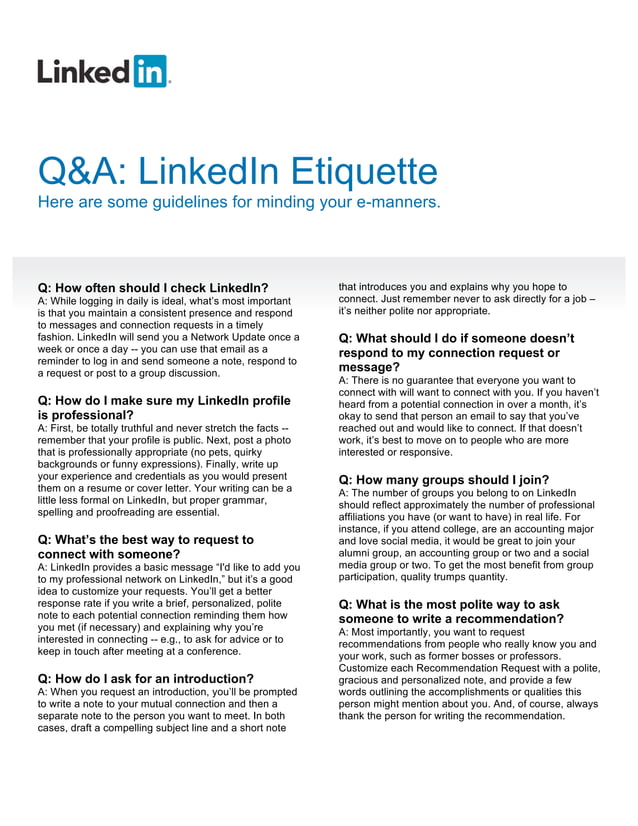
While responding to existing discussions is important, proactive outreach can also be highly effective. This involves identifying QA professionals or thought leaders whose work resonates with you and initiating contact. On LinkedIn, this might mean sending a personalized connection request that references a shared interest, a recent article they’ve written, or a common connection. Avoid generic requests; a personalized message significantly increases the likelihood of acceptance and sets a positive tone for future interactions. When reaching out via email, be concise, clearly state your purpose, and respect the recipient’s time. A well-crafted outreach message can open doors to mentorship, collaboration, and valuable learning opportunities.
Sharing Your Expertise: Becoming a Value Provider
Networking is a two-way street. To be a valuable participant in the blog QA community, you need to be willing to share your own expertise and insights. This can be done through writing your own blog posts, contributing guest posts to established QA blogs, or actively participating in forum discussions. When sharing your knowledge, strive for clarity, accuracy, and practicality. Offer actionable advice, case studies, or lessons learned from your experiences. By consistently providing value, you establish yourself as a knowledgeable and helpful resource, attracting others who seek to learn from you and collaborate. This positions you as a valuable contributor, rather than just a consumer of content.
Navigating Discussions: Constructive Debate and Respectful Disagreement
In any community, disagreements are inevitable. In the blog QA space, discussions can become lively, and it’s important to handle differing opinions with grace and professionalism. When disagreeing with someone’s point of view, focus on the ideas, not the person. Use phrases like "I see your point, however, from my experience…" or "That’s an interesting perspective, but I believe there are also…" Avoid personal attacks, condescending language, or dismissive tones. The goal is to foster understanding and explore different facets of a topic, not to "win" an argument. Respectful disagreement can lead to deeper insights and stronger community bonds, demonstrating your maturity as a professional.
The Art of the Follow-Up: Nurturing Connections
Networking doesn’t end with a single interaction. Nurturing connections is crucial for building lasting relationships. This involves following up on conversations, revisiting previous discussions, and staying in touch. If you’ve had a valuable exchange with someone, a brief follow-up message a few weeks later, perhaps referencing a new development or a shared interest, can be very effective. Consider sharing relevant articles or resources with your connections that you think they might find interesting. Consistently engaging and showing genuine interest in their work and progress keeps your connections active and strengthens your network over time.
Leveraging Social Media Ethically: Twitter and LinkedIn Best Practices
Social media platforms like Twitter and LinkedIn are powerful tools for blog QA networking. On Twitter, engage in relevant hashtags, retweet valuable content with insightful commentary, and participate in Twitter chats. Keep your tweets concise and to the point. On LinkedIn, optimize your profile to showcase your QA expertise, actively engage with posts from your connections and relevant groups, and share your own articles and insights. Avoid excessive self-promotion or sending unsolicited sales pitches. Focus on building relationships and providing value. Remember that your online presence is a reflection of your professional brand.
Attending Virtual and In-Person Events: Maximizing Engagement
Virtual conferences, webinars, and in-person meetups offer excellent opportunities for blog QA networking. During these events, actively participate in Q&A sessions, engage in breakout discussions, and connect with speakers and fellow attendees. If attending in person, be approachable, make eye contact, and have a brief, compelling introduction ready that highlights your area of expertise and interest within QA. Exchange contact information thoughtfully and follow up afterward to reinforce the connection. The key is to be present, engaged, and to make the most of the limited interaction time.
Giving and Receiving Feedback: A Cornerstone of Growth
The blog QA community thrives on feedback. When commenting on a blog post or engaging in a discussion, be open to providing constructive criticism that is helpful and actionable. Conversely, be receptive to feedback on your own contributions. If someone offers a suggestion on your writing or your technical approach, listen with an open mind. Frame your responses constructively, acknowledging their perspective and explaining your reasoning if necessary. The ability to both give and receive feedback effectively fosters a culture of continuous improvement and strengthens the collective knowledge of the community.
Avoiding Common Pitfalls: What Not to Do
Several common pitfalls can hinder effective blog QA networking. These include:
- Spamming: Repeatedly posting promotional content or irrelevant links is highly frowned upon.
- Dominating conversations: Allowing others to contribute and avoiding monopolizing discussions is crucial.
- Being negative or overly critical without offering solutions: Constructive criticism is valuable, but constant negativity without suggestions is detrimental.
- Ignoring comments or messages: Promptly responding to interactions demonstrates respect and engagement.
- Failing to proofread: Typos and grammatical errors can undermine your credibility.
- Generic outreach: As mentioned, personalized communication is essential.
- Expecting immediate results: Building a strong network takes time and consistent effort.
Building a Personal Brand: Visibility and Credibility
Effective blog QA networking contributes to building a strong personal brand. By consistently sharing valuable content, engaging thoughtfully in discussions, and maintaining a professional online presence, you establish yourself as a credible expert in the field. This visibility can lead to new opportunities, such as speaking engagements, freelance projects, or even job offers. Your online footprint becomes a testament to your skills, knowledge, and contributions to the QA community.
The Long-Term Benefits: Mentorship and Collaboration
The most significant benefits of effective blog QA networking often emerge over the long term. Strong connections can evolve into mentorship opportunities, where experienced professionals guide and support newer ones. They can also lead to valuable collaborations on projects, research, or the development of new QA tools and methodologies. By actively participating and contributing to the community, you build a support system and a network of peers who can offer advice, share challenges, and celebrate successes. This interconnectedness is invaluable for navigating the ever-evolving landscape of quality assurance.
Conclusion: A Continuous Journey of Engagement
Blog QA networking etiquette is not a static set of rules but a dynamic and evolving practice. It’s about fostering genuine connections, contributing value, and participating in the community with respect and authenticity. By understanding the platforms, embracing thoughtful engagement, and consistently nurturing your relationships, you can unlock the full potential of the blog QA community, advancing your career and contributing to the collective growth of quality assurance professionals worldwide. It’s a continuous journey of engagement, learning, and mutual support.

