
Dear Public Company CFO, the world of finance is your domain. You are the steward of a company’s financial health, responsible for navigating the complexities of financial reporting, managing cash flow, and driving strategic growth. Your role is crucial in ensuring the company’s success and its ability to thrive in a competitive market.
This blog post will delve into the multifaceted responsibilities of a public company CFO, exploring the key areas that demand your expertise and strategic vision. From managing financial risks and ensuring compliance to fostering investor relations and driving strategic partnerships, we’ll examine the critical elements that shape the success of a public company CFO.
The Role of a Public Company CFO
The Chief Financial Officer (CFO) of a public company plays a pivotal role in the success and sustainability of the organization. They are responsible for overseeing all financial aspects of the company, ensuring financial stability, and driving strategic decision-making.
Dear Public Company CFO, I know you’re always looking for the next big thing to invest in, and while I’m not suggesting you jump headfirst into the metaverse, you might want to take a look at the potential of virtual reality experiences like Google’s Virtual Reality Goodfest Daydream.
The possibilities for training, marketing, and even employee engagement are vast, and with the right investment, VR could be a game-changer for your company. Just sayin’!
Financial Reporting Obligations
The CFO is accountable for ensuring accurate and timely financial reporting to shareholders and regulatory bodies. This involves:
- Preparing and filing financial statements in accordance with Generally Accepted Accounting Principles (GAAP) or International Financial Reporting Standards (IFRS).
- Compiling and distributing quarterly and annual reports to shareholders, providing a comprehensive overview of the company’s financial performance.
- Ensuring compliance with all applicable accounting and reporting regulations, including those mandated by the Securities and Exchange Commission (SEC) in the United States.
- Communicating financial information to investors, analysts, and other stakeholders through conference calls, presentations, and other channels.
These reports are essential for investors to assess the company’s financial health, make informed investment decisions, and hold the management accountable.
Strategic Decision-Making
Beyond financial reporting, the CFO plays a critical role in strategic decision-making, including:
- Evaluating potential acquisitions and mergers, assessing their financial viability, and negotiating terms.
- Developing and implementing capital budgeting plans, allocating resources to projects that align with the company’s strategic goals.
- Managing cash flow, optimizing working capital, and ensuring the company has sufficient liquidity to meet its financial obligations.
- Developing and monitoring financial risk management strategies, mitigating potential financial risks through hedging, insurance, and other measures.
The CFO’s financial expertise and understanding of the company’s business enable them to make informed decisions that drive long-term value creation.
Financial Management in a Public Company: Dear Public Company Cfo
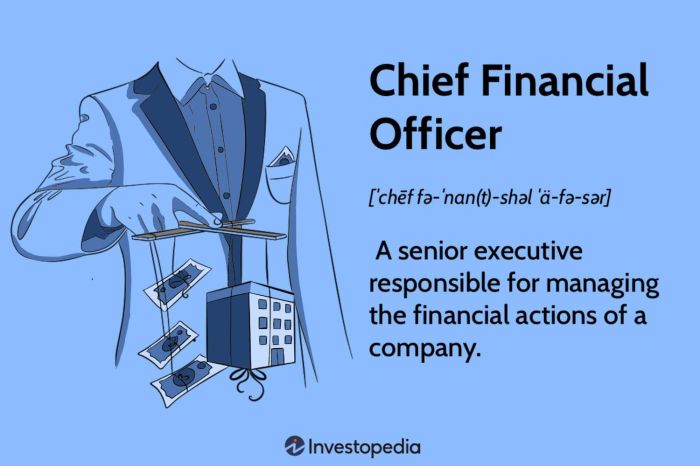
The CFO plays a crucial role in managing the financial health of a public company, ensuring its long-term viability and growth. This involves overseeing various aspects of financial management, including cash flow, working capital, financial forecasting, and budgeting.
Dear public company CFO, I know you’re busy crunching numbers, but sometimes it’s important to take a break and focus on your own well-being. Treat yourself to some luxurious comfort with Cosabella lingerie that’s cute and comfortable , and you’ll be back to analyzing those financial statements with a fresh perspective.
Cash Flow and Working Capital Management, Dear public company cfo
Effective cash flow and working capital management are essential for public companies. CFOs are responsible for ensuring that the company has sufficient liquidity to meet its short-term obligations and invest in growth opportunities.
“Cash flow is the lifeblood of any business.”
This involves monitoring cash inflows and outflows, optimizing working capital cycles, and managing short-term financing needs. CFOs use various techniques to manage cash flow and working capital, such as:
- Cash Flow Forecasting:Accurately predicting future cash inflows and outflows to ensure sufficient liquidity.
- Working Capital Optimization:Managing inventory levels, accounts receivable, and accounts payable to minimize cash tied up in these areas.
- Short-Term Financing:Utilizing short-term debt or lines of credit to meet temporary financing needs.
Financial Forecasting and Budgeting
Financial forecasting and budgeting are essential for public companies to plan for the future, allocate resources effectively, and manage risks. CFOs are responsible for developing comprehensive financial forecasts and budgets that align with the company’s strategic goals.
Dear public company CFO, in the whirlwind of quarterly reports and shareholder expectations, it’s easy to lose sight of the bigger picture. Take a moment to embrace the “sister style slow down” https://exploreinsights.net/sister-style-slow-down/ approach to decision-making. This mindful practice can help you gain clarity and make more informed choices that benefit your company in the long run.
Remember, a steady hand on the tiller is often more effective than a frantic scramble for short-term gains.
- Revenue Forecasting:Predicting future sales based on historical data, market trends, and economic conditions.
- Expense Budgeting:Planning for anticipated costs, including operating expenses, salaries, and capital expenditures.
- Financial Modeling:Utilizing financial models to analyze different scenarios and assess the impact of various decisions on the company’s financial performance.
Leveraging Financial Data for Operational Efficiency and Growth
CFOs play a vital role in using financial data to drive operational efficiency and growth. They analyze financial metrics, identify areas for improvement, and implement strategies to enhance profitability.
- Cost Reduction Initiatives:Identifying opportunities to reduce costs through process improvements, supply chain optimization, and negotiating better pricing with suppliers.
- Performance Measurement:Tracking key performance indicators (KPIs) to monitor progress towards financial goals and identify areas requiring attention.
- Investment Decisions:Using financial data to evaluate potential investments and allocate capital effectively.
Investor Relations and Communication

The CFO plays a pivotal role in investor relations, acting as the primary communicator between the company and its investors. This involves building relationships with analysts and shareholders, ensuring transparency in financial reporting, and effectively communicating the company’s financial performance and future prospects.
Communicating with Analysts and Shareholders
The CFO is responsible for engaging with analysts and shareholders, providing them with accurate and timely information about the company’s financial performance and future outlook. This involves participating in investor conferences, earnings calls, and roadshows, where the CFO presents the company’s financial results, answers questions from analysts and investors, and discusses the company’s strategy and growth plans.
- Analyst Meetings:Regular meetings with analysts provide an opportunity for the CFO to discuss the company’s performance, address concerns, and answer questions. These meetings help build trust and transparency with the investment community.
- Earnings Calls:After the release of financial results, the CFO leads earnings calls, where analysts and investors can ask questions about the company’s performance. These calls are essential for providing timely and comprehensive updates to investors.
- Roadshows:Roadshows are presentations made to investors in various locations to promote the company and its investment opportunities. The CFO plays a key role in these presentations, highlighting the company’s financial strength, growth prospects, and strategic direction.
Presenting Financial Information
Clear and concise communication of financial information is crucial for investor relations. The CFO is responsible for ensuring that financial reports and presentations are easily understandable and provide investors with the necessary insights to make informed investment decisions.
- Transparency:The CFO must ensure that financial reports and presentations are transparent and provide a complete picture of the company’s financial position. This includes disclosing any risks or uncertainties that may affect the company’s performance.
- Conciseness:The CFO should focus on presenting the most important financial information in a clear and concise manner. This includes using simple language, avoiding technical jargon, and focusing on key metrics that are relevant to investors.
- Visual Aids:Using charts, graphs, and other visual aids can make financial information more accessible and engaging for investors. The CFO should use these tools strategically to highlight key trends and insights.
Hypothetical Investor Presentation
Let’s imagine a hypothetical investor presentation for a public company in the technology sector. The presentation would focus on the company’s recent financial performance, growth strategy, and key financial metrics.
- Introduction:The CFO would start by providing an overview of the company’s business, its mission, and its key markets. This would be followed by a brief discussion of the company’s recent financial performance, highlighting key revenue and earnings growth trends.
- Growth Strategy:The CFO would then present the company’s growth strategy, outlining its plans for expanding into new markets, developing innovative products, and investing in strategic partnerships. This section would focus on key initiatives and their expected impact on the company’s future performance.
- Key Financial Metrics:The CFO would then present a series of key financial metrics that investors should focus on. These metrics would include revenue growth, earnings per share, operating margins, and cash flow. The CFO would explain the significance of each metric and provide insights into the company’s performance in relation to these metrics.
- Q&A:The presentation would conclude with a question-and-answer session, where analysts and investors could ask questions about the company’s performance, strategy, and outlook.
The CFO’s role in investor relations is crucial for building trust and transparency with investors. By effectively communicating financial information, the CFO can help investors make informed decisions and support the company’s long-term growth.
Risk Management and Compliance
The role of a CFO extends beyond financial reporting and analysis; it encompasses a critical responsibility for managing risks and ensuring compliance with relevant regulations. Public companies face a unique set of financial risks, and CFOs play a crucial role in identifying, assessing, and mitigating these risks to protect the company’s financial health and reputation.
Key Financial Risks Faced by Public Companies
CFOs must be adept at identifying and managing a range of financial risks that can impact a public company’s profitability, growth, and overall value. These risks can be categorized into various groups, including:
- Market Risk: This risk arises from fluctuations in market conditions, such as changes in interest rates, currency exchange rates, and commodity prices. For example, a company heavily reliant on imported raw materials could face significant financial losses if the value of the foreign currency appreciates.
- Credit Risk: This risk stems from the possibility of customers or suppliers failing to meet their financial obligations. Companies with large outstanding receivables or significant credit exposures are particularly vulnerable to credit risk.
- Operational Risk: This risk encompasses a wide range of potential disruptions to a company’s operations, such as natural disasters, cyberattacks, or supply chain disruptions. For instance, a manufacturing company facing a factory fire could suffer significant financial losses and production delays.
- Regulatory Risk: This risk arises from changes in laws, regulations, or accounting standards that can impact a company’s financial reporting and operations. For example, a company operating in a highly regulated industry may face significant costs and delays in complying with new environmental regulations.
- Liquidity Risk: This risk relates to a company’s ability to meet its short-term financial obligations. A company with limited cash on hand or difficulty accessing capital markets could face liquidity challenges during periods of financial stress.
CFO’s Role in Risk Management
CFOs are responsible for developing and implementing a comprehensive risk management framework to address these potential financial risks. This framework typically involves the following key steps:
- Risk Identification: The CFO, along with other key stakeholders, must systematically identify all potential financial risks that could impact the company. This involves conducting thorough risk assessments, analyzing historical data, and considering industry trends and economic conditions.
- Risk Assessment: Once identified, each risk must be assessed based on its likelihood and potential impact. This allows the CFO to prioritize risks and allocate resources accordingly.
- Risk Mitigation: The CFO develops and implements strategies to mitigate or reduce the impact of identified risks. These strategies can include diversifying operations, hedging against market fluctuations, improving internal controls, and obtaining insurance coverage.
- Risk Monitoring: The CFO continuously monitors the effectiveness of risk mitigation strategies and makes adjustments as necessary. This involves tracking key risk indicators, conducting periodic reviews, and staying informed about changes in the external environment.
Ensuring Compliance with Financial Regulations and Reporting Requirements
CFOs play a critical role in ensuring that public companies comply with all applicable financial regulations and reporting requirements. This involves:
- Understanding and Interpreting Regulations: CFOs must stay abreast of all relevant accounting standards, securities laws, and other financial regulations that apply to their company. This requires ongoing training, participation in industry conferences, and close collaboration with legal and compliance professionals.
- Establishing Internal Controls: CFOs are responsible for establishing and maintaining a robust system of internal controls to ensure the accuracy and reliability of financial reporting. This includes implementing controls over financial transactions, accounting records, and financial reporting processes.
- Preparing and Filing Financial Statements: CFOs oversee the preparation and filing of accurate and timely financial statements, including quarterly and annual reports, in accordance with applicable accounting standards and regulatory requirements. This involves working closely with accounting staff, auditors, and legal counsel.
- Communicating with Regulators: CFOs are responsible for communicating with regulators, including the Securities and Exchange Commission (SEC), regarding financial reporting matters. This includes responding to inquiries, providing information, and ensuring compliance with regulatory requirements.
Common Financial Risks and Mitigation Strategies for Public Companies
| Risk | Mitigation Strategy |
|---|---|
| Market Risk (Interest Rate Fluctuations) | Hedging using interest rate swaps or futures contracts |
| Credit Risk (Customer Default) | Diversifying customer base, conducting thorough credit checks, and implementing robust collection procedures |
| Operational Risk (Supply Chain Disruption) | Establishing multiple suppliers, maintaining adequate inventory levels, and developing contingency plans |
| Regulatory Risk (Changes in Accounting Standards) | Staying informed about regulatory changes, engaging with accounting professionals, and developing compliance plans |
| Liquidity Risk (Cash Flow Shortfall) | Maintaining adequate cash reserves, optimizing working capital management, and securing access to credit lines |
Strategic Partnerships and Growth
In the dynamic landscape of public companies, strategic partnerships and acquisitions play a crucial role in driving growth and achieving long-term objectives. The CFO, with their deep understanding of financial metrics and market trends, is instrumental in identifying and evaluating these opportunities.
The CFO’s Role in Identifying and Evaluating Strategic Partnerships and Acquisitions
The CFO’s role in strategic partnerships and acquisitions extends beyond financial analysis. They act as a strategic advisor, evaluating the potential benefits and risks of each opportunity. This involves:* Market Research and Analysis:The CFO analyzes market trends, competitive landscapes, and potential growth opportunities to identify potential partners or acquisition targets.
Financial Due Diligence
The CFO leads the financial due diligence process, scrutinizing the target company’s financial statements, cash flow projections, and other relevant data.
Valuation and Negotiation
The CFO plays a critical role in determining the fair value of a potential acquisition or partnership and negotiating the terms of the transaction.
Integration Planning
The CFO participates in the planning and execution of the integration process, ensuring a smooth transition and maximizing value creation.
CFO’s Contribution to Long-Term Growth Strategy
The CFO is a key contributor to the development of a company’s long-term growth strategy. They bring a financial perspective to strategic planning, ensuring that growth initiatives are aligned with the company’s financial goals. * Financial Modeling and Projections:The CFO uses financial modeling to assess the financial impact of different growth strategies, including partnerships and acquisitions.
Capital Allocation
The CFO plays a crucial role in allocating capital to growth initiatives, ensuring that resources are deployed effectively to maximize returns.
Risk Management
The CFO considers the financial risks associated with growth initiatives and implements strategies to mitigate these risks.
Communication and Transparency
The CFO communicates the financial implications of growth strategies to the board of directors, investors, and other stakeholders, ensuring transparency and accountability.
Leveraging Financial Expertise to Drive Strategic Growth
CFOs leverage their financial expertise to drive strategic growth initiatives in several ways:* Cost Optimization:CFOs identify opportunities to reduce costs and improve operational efficiency, freeing up resources for growth initiatives.
Financial Engineering
CFOs use financial instruments and strategies to raise capital, manage debt, and optimize financial performance.
M&A Expertise
CFOs utilize their expertise in mergers and acquisitions to identify, evaluate, and execute strategic transactions.
Data Analytics
CFOs leverage data analytics to gain insights into market trends, customer behavior, and operational performance, informing strategic decisions.