
Elsie’s Hallway Bathroom: A Comprehensive Before & After Analysis of a Challenging Space
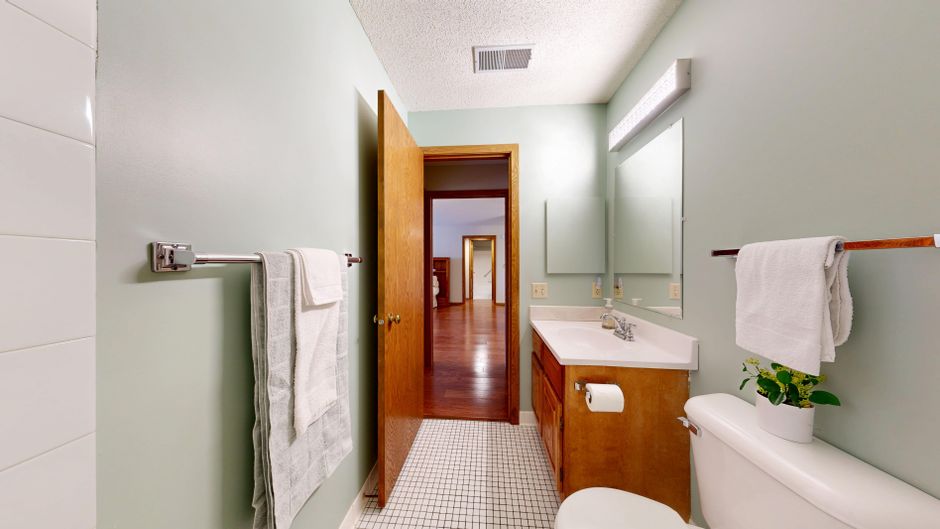
Elsie’s hallway bathroom presented a classic challenge: a compact, utilitarian space often relegated to secondary importance but which, in Elsie’s case, demanded a significant upgrade. The "before" state of this bathroom was characterized by a series of design choices that prioritized functionality over aesthetics and, frankly, functionality that was also showing its age. The immediate impression was one of cramped inefficiency and a general lack of cohesion. The existing layout, a common feature in older homes, felt cramped and awkwardly proportioned. The toilet was placed directly opposite the door, creating an immediate visual obstacle upon entry. To its left, a builder-grade vanity, likely installed decades prior, stood as a monument to outdated design. Its laminate countertop was chipped and stained, its cabinetry a bland, off-white hue that had yellowed with time. The sink was small and functional, but offered minimal counter space, a perennial problem in smaller bathrooms. The mirror above it was equally unimpressive: a basic, frameless rectangle that did little to enhance the room.
The shower-tub combination occupied the far end of the hallway bathroom. The bathtub itself was an old cast-iron model, serviceable but dated, with a chipped enamel finish and a general dinginess that no amount of scrubbing could fully eradicate. The surrounding tile, a pale beige, was not only aesthetically uninspired but also grout-lined, a constant source of potential mildew and a pain to keep clean. The shower curtain rod was a standard chrome affair, and the curtain itself, likely a generic plastic model, did little to elevate the space. Lighting was another significant deficiency. A single, flush-mount fixture on the ceiling provided a harsh, unflattering glare that did nothing to create a welcoming atmosphere. There were no accent lights, no vanity lights, and the overall illumination made the small space feel even smaller and more oppressive. Storage was also a critical issue. Beyond the limited space within the vanity, there was virtually no dedicated storage. This meant toiletries, cleaning supplies, and spare linens were likely relegated to other parts of the house, contributing to the general disarray that often plagues small, under-designed bathrooms.
The flooring was a nondescript linoleum, a pale beige again, that had seen better days. It was scuffed, scratched, and in some areas, peeling at the edges, presenting a tripping hazard and detracting further from any sense of cleanliness or modern style. The color palette, or rather the lack thereof, was overwhelmingly neutral to the point of being sterile. The beige tiles, the off-white vanity, the pale linoleum – it all blended into a dull monotony that lacked personality and visual interest. Even the architectural features, or the lack of them, contributed to the problem. There were no decorative molding, no interesting trim work, nothing to break up the flat surfaces and add dimension. The plumbing fixtures – the toilet, sink faucet, and showerhead – were all basic chrome models that, while functional, were aesthetically unremarkable and showed signs of mineral buildup and wear. The overall impression of Elsie’s hallway bathroom "before" was a space that was more of a necessity than a pleasure to use. It was a functional box that served its purpose but failed to inspire, to comfort, or to contribute positively to the overall living environment of the home.
The lack of ventilation was a contributing factor to potential moisture issues. While not overtly visible, the absence of a proper exhaust fan in a bathroom of this size is a recipe for long-term problems, leading to mildew growth and a general feeling of dampness. The door itself was a simple hollow-core interior door, standard and unremarkable, with a basic knob. Even the door hardware contributed to the overall feeling of a space that was overlooked and under-invested in. The walls were painted a neutral, almost institutional beige, further reinforcing the lack of personality. The baseboards were simple, unpainted wood, showing nicks and scuffs. The base of the toilet had a slight, almost imperceptible, rocking motion, indicating it was not as securely fastened as it should be, a small but telling detail about the general state of maintenance and installation. The overall impression was a space that had been done rather than designed. It was a collection of necessary components assembled in a functional but uninspired way, a far cry from the potential a well-appointed bathroom can offer in terms of comfort, hygiene, and even adding value to a property.
The decision to undertake a renovation in such a space, particularly a hallway bathroom which often serves multiple users and is a high-traffic area, is a significant undertaking that requires careful planning and consideration of numerous factors. Understanding the "before" state in meticulous detail is crucial for any successful renovation project, as it highlights precisely what needs to be addressed and sets a benchmark against which the success of the "after" can be measured. This extensive "before" analysis serves as the foundation upon which the subsequent transformation of Elsie’s hallway bathroom will be built, aiming to rectify every deficiency and elevate the space from a mere necessity to a functional and aesthetically pleasing asset. This deep dive into the "before" is essential for any homeowner or designer looking to understand the challenges and opportunities present in a typical, underperforming hallway bathroom. It provides a roadmap of what to avoid and what elements require immediate attention, paving the way for a truly transformative "after" experience. The visual clutter, the lack of storage, the dated finishes, and the poor lighting all coalesced to create an environment that was decidedly uninviting. The "before" state was a testament to the fact that even the smallest rooms in a home deserve thoughtful design and attention to detail.
The existing layout of Elsie’s hallway bathroom presented a series of spatial inefficiencies that contributed significantly to the feeling of being cramped. The placement of the toilet directly opposite the entrance meant that upon opening the door, the user was immediately confronted with the most utilitarian fixture in the room, a design choice that lacks any consideration for visual flow or a welcoming first impression. This direct confrontation with the toilet is a common issue in older homes where bathroom layouts were often dictated by plumbing constraints rather than user experience. To the left of this awkwardly placed toilet was the vanity. This wasn’t a sleek, modern unit; rather, it was a builder-grade relic with a laminate countertop that bore the scars of years of use. Chipped edges and indelible stains were clear indicators of its age and the wear and tear it had endured. The cabinetry beneath was a faded, off-white hue, a color that had likely been considered neutral at one point but had long since succumbed to the effects of time and exposure, taking on a yellowish tint that further detracted from any sense of cleanliness or modernity. The sink itself was a basic, undermount or perhaps self-rimming model that was functional but offered a paltry amount of counter space. This scarcity of counter space is a perennial problem in smaller bathrooms, where every square inch counts for storing toiletries, placing soap dispensers, and performing daily grooming routines.
The shower-tub combination was situated at the far end of the hallway, a standard configuration but one that in Elsie’s case, was far from inspiring. The bathtub was an old, cast-iron model. While cast-iron tubs are known for their durability, this particular one had seen better days. The enamel finish was chipped in several places, revealing the darker material beneath, and the overall surface had a persistent dinginess that resisted even the most vigorous cleaning efforts. Above the tub, the tiling was a pale beige, a color that did little to add visual interest and was a grout-lined expanse, a notorious breeding ground for mildew and a constant source of cleaning frustration. The shower curtain rod was a simple, unadorned chrome pole, and the shower curtain itself was likely a standard plastic model, a functional barrier but an aesthetic void.
Lighting in Elsie’s hallway bathroom was severely lacking. A single, flush-mount fixture on the ceiling provided a harsh, overhead illumination that cast unflattering shadows and did nothing to create a comfortable or inviting ambiance. There were no additional light sources, such as vanity lights flanking the mirror or task lighting for specific areas, exacerbating the feeling of a sterile and uninviting environment. This poor lighting made the already small space feel even more claustrophobic and unwelcoming. Storage was another critical failing. Beyond the limited capacity of the vanity, there was virtually no dedicated storage for essential bathroom items. This meant that toiletries, cleaning supplies, and spare towels were likely dispersed throughout the house, contributing to a general sense of disorganization and making the bathroom feel even less functional.
The flooring material was a nondescript linoleum, again in a pale beige that contributed to the overall dullness of the space. This flooring was scuffed, scratched, and in some areas, had begun to peel at the edges, presenting not only an unappealing visual but also a potential tripping hazard. The color palette, or rather the absence of a thoughtful one, was overwhelmingly neutral to the point of being sterile. The beige tiles, the off-white vanity, the pale linoleum – these elements blended into a monotonous backdrop that lacked any sense of personality or visual excitement. Even the architectural details, or the lack thereof, contributed to the overall deficiency. There were no decorative moldings, no interesting trim work, and no elements that broke up the flat surfaces of the walls and ceiling to add dimension or character.
The plumbing fixtures, including the toilet, sink faucet, and showerhead, were all basic chrome models. While they performed their intended functions, they were aesthetically uninspired and showed clear signs of mineral buildup and wear. These were not statement pieces; they were purely utilitarian, further reinforcing the impression that the bathroom had been an afterthought. The overall impression of Elsie’s hallway bathroom in its "before" state was one of a space that was merely a functional necessity rather than a pleasant part of the home. It was a utilitarian box that served its basic purpose but failed to inspire, to provide comfort, or to contribute positively to the overall living experience. The lack of ventilation was a silent but significant issue. The absence of a properly functioning exhaust fan in a bathroom of this size is a long-term risk, creating an environment conducive to moisture buildup, mildew growth, and a general feeling of dampness. The door itself was a standard, uninspired hollow-core interior door with a basic doorknob, adding nothing to the aesthetic appeal. Even the baseboards were simple, unpainted wood, showing the typical nicks and scuffs that are accumulated over time. A small but telling detail was the slight, almost imperceptible rocking motion of the toilet, indicating it was not as securely fastened as it should be, hinting at a general state of maintenance that was less than ideal. The "before" state was a clear illustration of a space that had been assembled rather than thoughtfully designed. It was a collection of necessary components, installed in a functional but uninspired manner, a stark contrast to the potential a well-appointed bathroom can offer in terms of comfort, hygiene, and increasing a home’s value. The decision to undertake a renovation on such a space, particularly a hallway bathroom that serves as a high-traffic area for multiple users, is a significant undertaking. It requires meticulous planning and careful consideration of a multitude of factors. A thorough understanding of the "before" state, down to the smallest details, is absolutely crucial for the success of any renovation project. It establishes a clear benchmark against which the success of the "after" can be accurately measured and evaluated. This deep dive into the "before" is indispensable for any homeowner or designer aiming to comprehend the challenges and opportunities inherent in a typical, underperforming hallway bathroom. It provides a concrete roadmap of what to avoid and which elements demand immediate and focused attention, ultimately paving the way for a truly transformative and impactful "after" experience. The visual clutter, the scarcity of storage, the dated finishes, and the inadequate lighting all converged to create an environment that was decidedly uninviting and unwelcoming. The "before" state was a powerful testament to the principle that even the most utilitarian and smallest rooms within a home are deserving of thoughtful design and meticulous attention to detail.

