Elsie’s Kids Shared Bedroom Reveal: Transforming a Small Space into a Functional and Fun Haven
The challenge of designing a shared bedroom for multiple children, especially in a smaller footprint, is a common hurdle for many families. This Elsie’s Kids Shared Bedroom reveal showcases a masterful transformation, demonstrating how thoughtful design, strategic furniture choices, and creative storage solutions can turn a potentially cramped and chaotic space into a harmonious and stimulating environment. The objective was not simply to house two children, but to create individual sanctuaries within a shared zone, fostering independence while encouraging shared experiences. This article delves deep into the planning, execution, and ingenious elements that define this successful shared bedroom makeover, offering practical advice and inspiration for anyone facing a similar design dilemma.
The initial assessment of the room’s existing condition likely revealed common issues in shared children’s spaces: insufficient storage, a lack of defined personal areas, and a general sense of clutter. The cornerstone of this renovation was to address these fundamental problems head-on. The approach was multi-faceted, prioritizing functionality without sacrificing aesthetic appeal. The key was to maximize vertical space, implement modular and adaptable furniture, and introduce visual cues that delineate personal zones without creating harsh divisions. This meticulous planning phase, crucial for any successful renovation, set the stage for the remarkable outcome that Elsie’s Kids Shared Bedroom embodies.
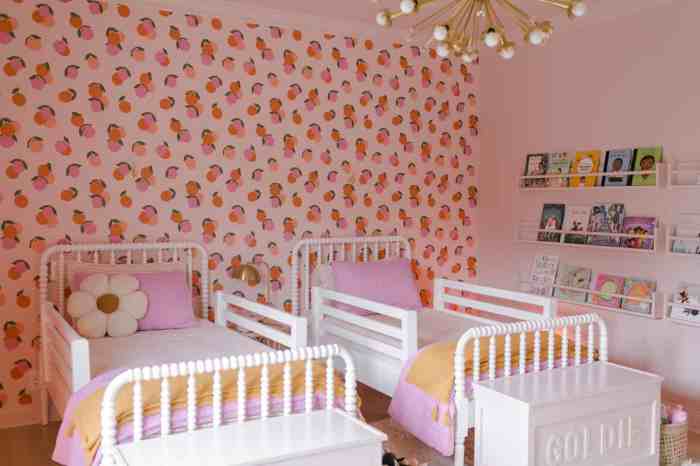
One of the most impactful decisions in this shared bedroom reveal is the strategic choice of bunk beds. Opting for a stylish and sturdy bunk bed system was not just about maximizing sleeping capacity in a small room. It was about creating an elevated sleeping area that frees up valuable floor space below. This liberated floor space becomes the canvas for other essential functions, such as play zones, study nooks, or additional storage. The chosen bunk bed likely features a clean, modern design, perhaps with a neutral color palette that doesn’t overwhelm the room. Safety features, such as secure guardrails and a non-slip ladder, would have been paramount. The configuration of the bunk beds, whether a traditional stacked design or an L-shaped arrangement to accommodate different room layouts, plays a significant role in the overall flow and feel of the space. The visual impact of bunk beds immediately signals a shared sleeping arrangement, setting the tone for the rest of the room’s design.
Storage is arguably the most critical element in any shared children’s room, and Elsie’s Kids Shared Bedroom excels in this regard. The reveal likely highlights an abundance of integrated storage solutions. This could include under-bed drawers, perfect for stowing away seasonal clothing, extra bedding, or toys. The bunk bed frame itself might have built-in shelving or compartments, providing easily accessible spots for books, small toys, or decorative items. Beyond the beds, freestanding storage units are likely employed, but with a deliberate focus on multi-functionality. Tall, narrow bookshelves or modular drawer units can be placed against walls, minimizing their footprint while maximizing their storage capacity. The use of decorative storage bins and baskets, in coordinating colors and patterns, not only corrals clutter but also adds to the room’s visual appeal, making tidying up a more engaging activity for the children. The key here is accessible storage, designed at heights children can reach, encouraging independence in maintaining order.
Defining individual zones within a shared space is paramount for fostering a sense of personal ownership and privacy for each child. This reveal likely showcases clever ways to achieve this without making the room feel segmented or claustrophobic. One effective technique could be the use of different colored accents or décor within each child’s "station." For example, one child’s side of the room might feature predominantly blue accessories, while the other has green. This subtle visual cue helps each child identify their personal territory. Another approach could involve strategically placed furniture. A small desk or a reading chair positioned in a particular corner can designate a private study or relaxation area for each child. The arrangement of the bunk beds themselves can also contribute to this separation, with each bed occupying a distinct quadrant of the room. Even the bedding choices can play a role, with each child selecting their own unique duvet cover or pillowcases that reflect their individual personalities.
The color palette and overall aesthetic of Elsie’s Kids Shared Bedroom are crucial for creating a cohesive and inviting atmosphere. The reveal likely features a thoughtful and balanced color scheme. This might involve a neutral base color for the walls, such as a soft white, grey, or a light pastel, providing a calming backdrop. Pops of vibrant color are then introduced through accessories, bedding, and décor, injecting energy and personality into the space. The choice of colors should consider the ages of the children and their preferences, aiming for a palette that is both stimulating and conducive to rest. The materials used throughout the room are also important. Natural materials like wood, often seen in furniture, add warmth and a timeless quality. Soft textiles, such as rugs and cushions, contribute to comfort and coziness. The overall style likely leans towards modern, Scandinavian, or a whimsical theme that appeals to children without being overly juvenile, ensuring the room can grow with them.
Lighting plays a vital role in shaping the ambiance of any room, and this shared bedroom reveal likely demonstrates a well-thought-out lighting plan. In addition to the primary overhead lighting, which would be practical and provide general illumination, accent lighting is key. This could include bedside lamps for each child, allowing them to read or have a soft light source at night without disturbing their sibling. String lights or fairy lights can add a touch of magic and create a cozy atmosphere, particularly in the evenings. The placement of these lights is important, ensuring they are accessible and safe for children. Natural light is also a precious commodity, and this reveal likely emphasizes maximizing its presence. Sheer curtains or blinds that can be easily adjusted would allow for control over light levels while maintaining privacy. The interplay of light and shadow can also be used to define zones and create visual interest within the room.
Personalization is what truly transforms a shared bedroom from a functional space into a home. This reveal undoubtedly showcases how Elsie’s Kids’ individual personalities shine through. This could be through wall art, photographs of family and friends, or display shelves showcasing cherished collections. Each child might have a designated bulletin board or magnetic board to pin up their artwork, drawings, or important notices. The inclusion of items that reflect their hobbies and interests – perhaps a small easel for an aspiring artist, a collection of stuffed animals for a younger child, or a globe for a budding explorer – adds a deeply personal touch. The goal is to create a space where each child feels seen, celebrated, and comfortable expressing themselves. This level of personalization is crucial for fostering a positive relationship with their shared living environment.
The reveal likely highlights practical considerations that enhance the functionality of the shared bedroom. This could include durable and easy-to-clean surfaces, especially for flooring and furniture, given the active nature of children. The choice of paint colors might be washable and stain-resistant. The layout of the furniture would be optimized for ease of movement, ensuring there are clear pathways and no awkward dead spaces. Safety features, beyond those on the bunk beds, are likely integrated throughout. This might include rounded corners on furniture, secure window latches, and ensuring electrical outlets are safely covered. The accessibility of toys and books, with systems designed for easy retrieval and put-away, is another practical consideration that contributes to a more harmonious living environment.
The success of Elsie’s Kids Shared Bedroom reveal lies in its ability to balance multiple needs and desires. It addresses the practical demands of shared living – maximizing space, providing ample storage, and ensuring safety – while simultaneously catering to the emotional and developmental needs of children. The creation of individual zones fosters independence and a sense of personal identity, while the overall design promotes a sense of unity and shared experience. The room is a testament to the fact that a small shared bedroom can be a vibrant, functional, and beautiful space that nurtures creativity, encourages a love of learning, and provides a comforting sanctuary for its young inhabitants. The principles demonstrated in this reveal offer a valuable blueprint for anyone seeking to optimize their children’s shared living quarters.

