Create Your Own Holiday Pajamas: A Comprehensive Guide to Custom Comfort and Festive Flair
The appeal of holiday pajamas extends far beyond mere sleepwear; they represent a tangible manifestation of festive spirit, a comforting ritual, and a personalized touch to seasonal celebrations. Creating your own holiday pajamas offers an unparalleled opportunity to infuse your personal style into this beloved tradition. This guide delves into the multifaceted process of designing and producing custom holiday sleepwear, covering everything from conceptualization and fabric selection to design techniques and garment construction. Whether you’re aiming for classic comfort, whimsical designs, or a coordinated family look, this comprehensive resource will equip you with the knowledge to bring your dream holiday pajamas to life.
I. The Foundation of Festive Comfort: Fabric Selection
The tactile experience of holiday pajamas is paramount, and fabric choice dictates comfort, durability, and aesthetic. For optimal coziness, particularly during colder months, natural fibers reign supreme. Cotton, in its various forms, is a perennial favorite. Flannel cotton, with its brushed surface, provides exceptional warmth and a luxuriously soft hand. Look for high-quality, tightly woven flannel for enhanced durability and minimal pilling. Organic cotton offers an eco-conscious alternative, often boasting a superior feel and reduced environmental impact. Jersey knit cotton, known for its stretch and breathability, is an excellent choice for warmer climates or for those who prefer a lighter feel. Its inherent drape makes it forgiving for various body types.
Beyond cotton, consider blends that offer enhanced performance. A cotton-polyester blend can increase wrinkle resistance and durability, though it may sacrifice some of the natural breathability of pure cotton. For a touch of luxury, silk or satin pajamas offer unparalleled smoothness and a glamorous sheen, though they are less forgiving in terms of care and can be more prone to snagging. For children’s pajamas, flame-retardant fabrics are a critical safety consideration. Manufacturers must adhere to strict regulations, and it’s essential to check labels for compliance. When selecting fabrics for custom holiday pajamas, consider the intended recipient’s age, the climate, and the desired level of comfort and ease of care. Print availability is also a significant factor; many fabric retailers offer pre-printed holiday-themed designs.
II. Unleashing Creativity: Design Concepts and Inspiration
The true joy of creating your own holiday pajamas lies in the boundless design possibilities. Begin by brainstorming themes that resonate with your personal definition of the holidays. Classic motifs such as snowflakes, reindeer, Christmas trees, candy canes, and holly berries are timeless choices. For a more contemporary feel, explore abstract patterns, geometric designs, or even minimalist interpretations of holiday symbols.
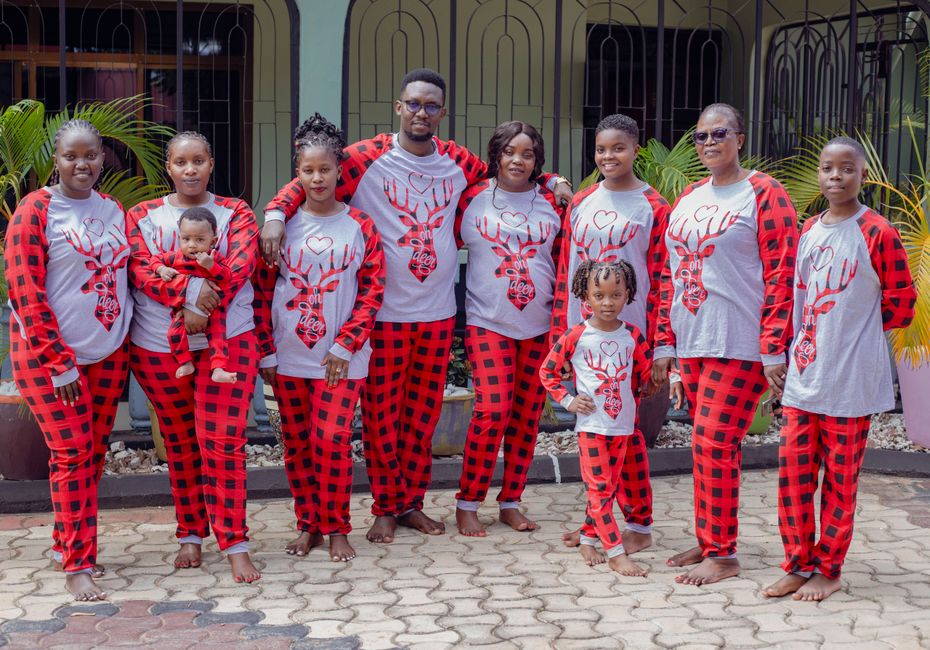
Consider the color palette. Traditional holiday colors like red, green, white, and gold evoke a sense of nostalgia. However, don’t shy away from experimenting with alternative palettes. Deep blues and silvers can create a sophisticated winter wonderland, while pastels can offer a softer, more whimsical aesthetic. For family pajamas, consider a unifying theme or color scheme that can be subtly varied across different sets. This creates a cohesive look without being overly matchy-matchy.
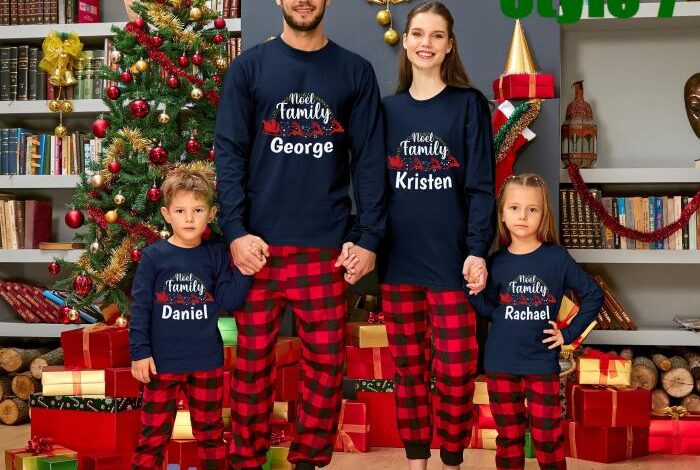
Personalization is a key differentiator for custom pajamas. Incorporate names, initials, or significant dates into the design. This can be achieved through embroidery, appliqué, or custom printed fabrics. For children, consider incorporating their favorite characters or motifs from beloved holiday stories. Think about the overall mood you want to convey: cozy and comforting, playful and whimsical, or elegant and sophisticated. Document your ideas with sketches, mood boards, or digital design tools. Explore online platforms like Pinterest and Instagram for a wealth of inspiration from other creators and brands.
III. Translating Vision to Fabric: Design Techniques
Once your design concepts are solidified, the next step is to determine the best techniques for translating them onto fabric. Several methods are available, each with its own advantages and suitability for different design complexities and fabric types.
A. Fabric Printing: This is arguably the most versatile and popular method for creating custom holiday pajamas, especially for intricate patterns and full-coverage designs.
- All-Over Prints: This involves printing a repeating pattern across the entire fabric yardage. This is ideal for intricate motifs, complex color gradients, and creating a consistent visual theme. Companies specializing in custom fabric printing can accommodate a wide range of design specifications, including resolution, color matching, and repeat size. You can upload your own artwork or work with their design services.
- Placement Prints: This technique involves printing a specific design onto a pre-cut piece of fabric, often positioned to align with specific garment elements like the chest pocket, waistband, or cuffs. This is perfect for single, prominent graphics or text.
- Digital Printing: Modern digital printing technologies allow for high-resolution, vibrant prints with excellent color accuracy. They are suitable for both small and large print runs and are environmentally friendly due to less water and chemical usage.
- Screen Printing: A more traditional method, screen printing involves applying ink through stencils (screens). It’s highly durable and cost-effective for large quantities of a single design, especially with a limited color palette. However, complex, multi-color designs can become more expensive and time-consuming.
B. Appliqué: This technique involves sewing pieces of fabric onto a base fabric to create a design.
- Cut-and-Sew Appliqué: Pre-cut shapes of contrasting or coordinating fabrics are meticulously stitched onto the pajama fabric. This creates a tactile and visually distinct effect, ideal for bold graphics, letters, or simple shapes.
- Felt or Fleece Appliqué: For an extra cozy and dimensional feel, felt or fleece can be used for appliqué. This is particularly effective for children’s pajamas, adding a plush texture.
C. Embroidery: This method involves stitching designs directly onto the fabric using a sewing machine or by hand.
- Machine Embroidery: Modern embroidery machines offer precise and intricate stitch work, allowing for detailed logos, monograms, or even small graphics. This is an excellent choice for personalization like names or initials.
- Hand Embroidery: For a truly artisanal and personal touch, hand embroidery can be used to create unique, one-of-a-kind designs. This requires time and skill but results in a highly cherished piece.
D. Heat Transfer Vinyl (HTV): This involves cutting designs from vinyl sheets and then using a heat press to adhere them to the fabric.
- Versatile and Durable: HTV is a popular choice for DIY projects due to its ease of use and durability. It can create sharp lines, vibrant colors, and even metallic or glitter effects.
- Layering: Multiple colors of HTV can be layered to create more complex designs. However, excessive layering can make the garment stiff.
E. Fabric Painting: Using fabric paints allows for freehand drawing and artistic expression directly onto the fabric.
- Artistic Freedom: This method offers the most artistic freedom, allowing for unique, hand-painted designs.
- Durability: Ensure you use high-quality fabric paints designed for textiles and follow the manufacturer’s instructions for heat setting to ensure longevity.
When choosing a technique, consider the complexity of your design, the type of fabric you’re using, your budget, and your skill level. For intricate, full-coverage patterns, custom fabric printing is often the most efficient and professional solution. For simpler graphics or personalization, appliqué, embroidery, or HTV can be excellent DIY options.
IV. From Pattern to PJs: Garment Construction
The construction of your custom holiday pajamas is the final step in bringing your vision to fruition. You have several options, ranging from utilizing pre-made patterns to complete custom tailoring.
A. Utilizing Commercial Pajama Patterns: This is the most accessible route for home sewers. Numerous sewing patterns are available for various pajama styles, from classic button-down sets to comfortable pull-on pants and t-shirt tops.
- Pattern Selection: Choose a pattern that aligns with your desired pajama style and the fabric you’ve selected. Consider the fit; pajama patterns often have a relaxed fit for comfort.
- Sizing: Accurately measure yourself or the intended recipient and choose the corresponding size. It’s often advisable to err on the side of a slightly larger size for pajamas to ensure maximum comfort.
- Fabric Suitability: Ensure the pattern is designed for the type of fabric you intend to use. For example, a pattern designed for wovens might not be suitable for knits without modification.
- Instructions: Follow the pattern instructions meticulously. Pay attention to seam allowances, interfacing requirements, and finishing techniques.
B. Modifying Existing Pajamas: For those with limited sewing experience or a desire for a quicker turnaround, modifying a well-fitting existing pajama set can be a practical approach.
- Deconstruction: Carefully take apart a favorite pajama set to use as a template. This allows you to replicate the fit and style precisely.
- Design Application: Once you have your fabric pieces, apply your chosen design elements (printing, appliqué, embroidery) before reassembling the garment.
- Reassembly: Sew the pieces back together using your sewing machine.
C. Custom Tailoring/Professional Services: For a truly bespoke and perfectly fitting garment, consider utilizing custom tailoring services or partnering with a seamstress.
- Measurements and Design Consultation: You’ll provide detailed measurements and discuss your design specifications.
- Professional Finish: This option guarantees a high-quality, professionally constructed garment with impeccable attention to detail.
- Cost: Be aware that custom tailoring is typically the most expensive option.
V. The Finishing Touches: Details that Delight
The details are what elevate ordinary pajamas to extraordinary holiday attire. Consider these elements to enhance the festive appeal and overall comfort of your custom creations.
- Cuffs and Collars: The style of cuffs (elasticated, buttoned, cuffed) and collars (notch collar, crew neck, V-neck) significantly impacts the pajama’s aesthetic. Contrast piping along these edges can add a sophisticated touch.
- Buttons and Drawstrings: Choose buttons that complement your design. For drawstring waists, consider using festive-colored drawstrings or adding decorative tassels.
- Pockets: A well-placed pocket can add functionality and visual interest. Consider adding a contrasting pocket lining for a pop of color.
- Trim and Embellishments: Ribbons, lace, pom-poms, or even small bells can add playful or elegant embellishments. Ensure any added embellishments are secure and comfortable for sleep.
- Personalization: As mentioned earlier, embroidered initials, names, or meaningful dates are a hallmark of custom holiday pajamas. This adds a deeply personal and sentimental touch.
VI. Caring for Your Custom Creations
To ensure your custom holiday pajamas remain a cherished part of your festive traditions for years to come, proper care is essential.
- Fabric-Specific Washing: Always refer to the care instructions for the specific fabrics you used. Cotton flannels generally benefit from cold water washes and low heat drying to prevent shrinkage. Jersey knits can often be machine washed and tumble dried on a gentle cycle.
- Delicate Cycles: For delicate fabrics like silk or satin, or for garments with intricate embroidery or appliqué, use a gentle cycle on your washing machine.
- Hand Washing: For the most delicate items or to prolong their lifespan, hand washing in cool water with a mild detergent is recommended.
- Drying: Air drying is always the gentlest option for preserving fabric integrity and preventing shrinkage. If using a dryer, opt for the lowest heat setting.
- Ironing: Iron on the appropriate heat setting for your fabric, and iron on the reverse side of printed or embroidered areas to protect the design.
- Storage: Store your holiday pajamas in a cool, dry place, preferably in a breathable garment bag to prevent dust and moisture damage.
Creating your own holiday pajamas is a rewarding endeavor that blends creativity, craftsmanship, and the spirit of the season. By carefully considering fabric, design, construction, and finishing touches, you can craft sleepwear that is not only comfortable and stylish but also imbued with personal meaning and festive joy. From the initial spark of an idea to the final stitch, this comprehensive guide provides the framework to embark on your journey to custom holiday pajama perfection.

