
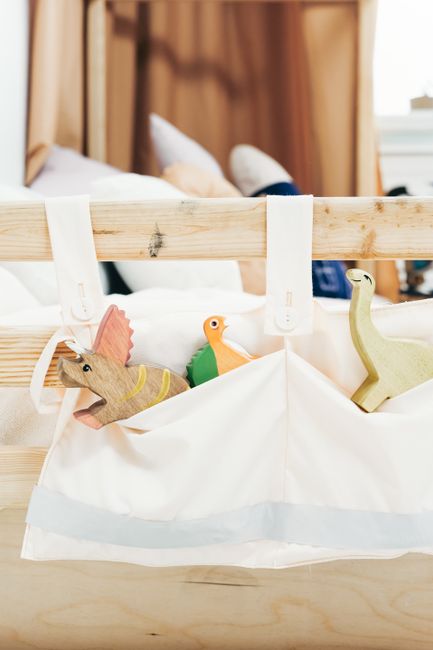
Felt Planter Beds with Hidden Toy Storage: The Ultimate Space-Saving Solution for Kids’ Rooms
The challenge of maintaining an organized and functional children’s bedroom is a universal one for parents. Toys, books, and clothes inevitably find their way into every available crevice, leading to clutter and frustration. Simultaneously, many families are embracing the benefits of introducing plants into their living spaces, recognizing their positive impact on air quality and overall well-being. This article explores a brilliant and innovative solution that seamlessly combines these two seemingly disparate needs: felt planter beds with integrated hidden toy storage. This dual-purpose furniture piece offers a practical, aesthetically pleasing, and space-saving approach to optimizing kids’ rooms, catering to both the need for a comfortable sleeping area and the persistent demand for effective toy organization. We will delve into the materials, design considerations, benefits, and practical applications of these unique furniture items, providing a comprehensive guide for parents seeking to transform their children’s bedrooms into more serene and functional environments.
The core of this innovative furniture lies in its construction and material choices. The primary material, felt, offers a unique set of advantages for a children’s product. Unlike traditional wood or metal bed frames, felt is soft, pliable, and inherently safer, significantly reducing the risk of bumps and bruises. This makes it an ideal choice for a child’s environment where active play is a given. Furthermore, felt is a breathable material, which can contribute to better air circulation around the bed. For the planter aspect, the felt is engineered to be durable and water-resistant, capable of housing plants without compromising the structural integrity of the bed or its storage components. The integration of planters directly into the bed frame is a design masterstroke. This can be achieved through various methods, such as dedicated compartments built into the headboard, footboard, or even along the sides of the bed. These planter sections are typically designed with drainage solutions to prevent waterlogging and protect the underlying structure. The depth and size of these planters can vary, accommodating a range of plant types, from small succulents and herbs to larger foliage plants, depending on the overall bed dimensions.
The hidden toy storage component is where the true genius of these felt planter beds shines. The storage is ingeniously concealed, often within the bed frame itself, accessible through discreet panels or drawers. This clever design allows toys, books, blankets, and other clutter to be tidily stowed away, instantly creating a cleaner and more organized room. Common storage configurations include: pull-out drawers integrated into the base of the bed, offering ample space for larger items; lift-up mattress platforms that reveal a hidden storage compartment underneath; and integrated cubbies or shelves within the headboard or footboard, often masked by decorative panels or the planter sections themselves. The felt material plays a crucial role here as well. Its natural flexibility and quiet nature mean that drawers glide smoothly and silently, minimizing noise disruptions. The soft texture also makes it a pleasant surface to touch and interact with, adding to the overall child-friendly appeal. The color palette for felt furniture is exceptionally versatile, ranging from muted earth tones that complement the natural aesthetic of plants to vibrant and playful colors that appeal to children’s imaginations. This allows parents to select a bed that not only serves a practical purpose but also enhances the room’s décor.
The benefits of incorporating felt planter beds with hidden toy storage into a child’s room are multifaceted and significant. Firstly, and perhaps most obviously, is the space-saving advantage. In smaller bedrooms, or rooms that are shared by multiple children, maximizing every square inch is paramount. This furniture piece effectively combines sleeping, planting, and storage into a single unit, freeing up valuable floor space that would otherwise be occupied by separate beds, plant stands, and toy chests. This reclaimed space can then be utilized for play, study, or simply to create a more open and less crowded environment. Secondly, these beds promote organization and tidiness. The readily accessible hidden storage encourages children to put away their toys and belongings, fostering a sense of responsibility and order from a young age. The act of "hiding" toys can also be a fun game for children, making the process of tidying up more engaging. Thirdly, the educational and developmental benefits associated with the planter element are considerable. Having live plants in a child’s room provides a unique opportunity for learning. Children can actively participate in watering, observing growth, and understanding the life cycle of plants. This hands-on experience can foster a connection with nature, promote environmental awareness, and develop a sense of nurturing. It can also spark curiosity and encourage scientific observation.
Furthermore, the aesthetic appeal of felt planter beds is undeniable. The soft, tactile nature of felt, combined with the natural element of plants, creates a cozy and inviting atmosphere. The integrated planters can add a touch of greenery and life to the room, breaking up the monotony of typical bedroom furniture. The modular nature of some designs allows for customization, enabling parents to select the number and placement of planter sections and storage compartments to best suit their child’s needs and the room’s layout. This adaptability ensures that the bed can evolve with the child’s changing requirements. For parents concerned about allergies and air quality, felt can be a beneficial material. It is generally hypoallergenic and can help to absorb some airborne particles. The presence of plants, of course, actively improves indoor air quality by producing oxygen and filtering out certain pollutants. The safety aspect of felt cannot be overstated, particularly for younger children. The soft, padded surface minimizes the risk of injury from accidental bumps and falls, offering parents peace of mind.
When considering the practical aspects of integrating felt planter beds into a child’s room, several factors come into play. Plant selection is a crucial consideration. It’s important to choose plants that are safe for children, non-toxic, and can thrive in the specific conditions of the bedroom, such as light levels and temperature. Low-maintenance options like succulents, snake plants, or spider plants are often excellent choices. Parents should also ensure that the chosen plants are not prone to shedding leaves or flowers excessively, which could contribute to clutter. Watering and maintenance of the plants will require a routine. Educating the child about responsible plant care can be a valuable part of the experience. The design of the planter compartments should facilitate easy watering and drainage. Cleaning the felt itself is generally straightforward. Most felt is stain-resistant, and spills can often be blotted up immediately. For deeper cleaning, specific felt cleaning products or gentle upholstery cleaners can be used. It’s advisable to check the manufacturer’s care instructions for the specific felt used in the bed.
The durability and longevity of felt planter beds are also important factors. High-quality felt is robust and can withstand the rigors of daily use in a child’s room. The integrated design means that the storage and planter elements are built to last, unlike standalone storage solutions that might be easily tipped over or damaged. Assembly of these beds can vary depending on the manufacturer. Some may come fully assembled, while others might require basic assembly. It’s advisable to check assembly instructions and the necessary tools before purchase. The size and scale of the bed should be appropriate for the child’s age and the room’s dimensions. Most manufacturers offer a range of sizes, from toddler beds to twin and even full-sized beds. The number and size of planter and storage units can also be tailored to specific needs.
From an SEO perspective, incorporating relevant keywords throughout the article is essential for discoverability. Terms like "felt planter bed," "kids’ room storage," "hidden toy storage," "space-saving bed," "organizer bed," "children’s furniture," "indoor plants for kids room," "bed with planters," "creative bedroom ideas," and "child-friendly furniture" should be strategically placed. Furthermore, the use of descriptive language and a clear, logical structure will improve readability and user engagement, which are also factors in SEO rankings. The article aims to address common parental pain points and offer a comprehensive solution, making it a valuable resource for individuals searching for practical and innovative ways to improve their children’s living spaces.
The psychological impact of an organized and calming environment on a child’s development cannot be overstated. A clutter-free bedroom can reduce anxiety, improve focus, and promote better sleep. By providing integrated storage, felt planter beds contribute directly to this positive outcome. The presence of plants can also foster a sense of calm and connection to nature, which can be particularly beneficial for children who spend a lot of time indoors. The dual functionality of these beds encourages a mindful approach to space utilization, teaching children the value of multi-purpose furniture and efficient organization. The aesthetic appeal, with the soft textures and natural elements, creates a sanctuary-like atmosphere, making the bedroom a more inviting and nurturing space for rest and play.
In conclusion, felt planter beds with hidden toy storage represent a forward-thinking and highly practical solution for contemporary family living. They address the perennial challenges of space constraints and toy clutter while simultaneously embracing the growing trend of incorporating nature into domestic environments. The combination of safety, functionality, educational potential, and aesthetic appeal makes these innovative furniture pieces a wise investment for any parent seeking to create an optimized, organized, and enriching bedroom for their child. The ability to seamlessly integrate sleeping, planting, and storage into a single, stylish unit offers a unique and compelling advantage that is difficult to match with traditional furniture arrangements. As families continue to prioritize both practicality and well-being in their living spaces, the popularity and adoption of solutions like felt planter beds with hidden toy storage are set to grow, revolutionizing the way we approach children’s bedroom design.

