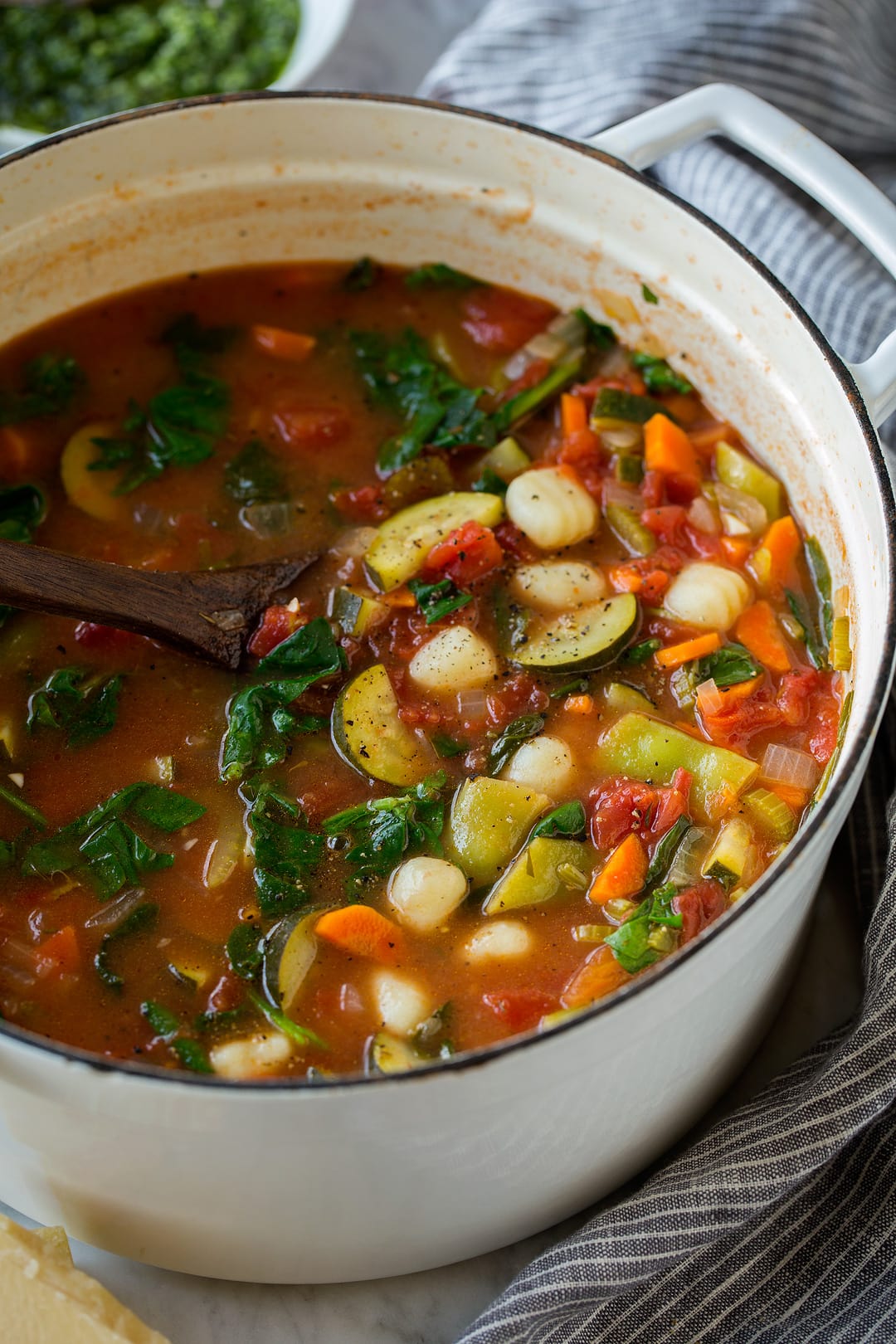

The Ultimate SEO-Friendly Guide to Gnocchi and Vegetable Soup: A Hearty, Customizable Meal
Gnocchi and vegetable soup represents a cornerstone of comforting, nourishing, and remarkably versatile cuisine. This dish, often perceived as simple, offers a profound depth of flavor and texture, making it a perennial favorite. At its heart, it combines pillowy soft gnocchi, a traditional Italian dumpling, with a medley of vibrant, nutrient-rich vegetables simmered in a savory broth. The beauty of this soup lies in its adaptability, allowing for endless customization based on seasonal availability, dietary preferences, and individual taste. This guide will delve into the intricacies of creating exceptional gnocchi and vegetable soup, exploring ingredient choices, preparation techniques, SEO considerations for discoverability, and the inherent nutritional benefits. Understanding these elements is crucial for anyone looking to master this beloved dish and ensure it ranks highly in online searches for recipes and culinary inspiration.
The foundation of any great gnocchi and vegetable soup is the broth. Whether opting for a homemade stock or a high-quality store-bought version, the broth dictates the soup’s fundamental flavor profile. A rich vegetable broth, simmered with mirepoix (onions, carrots, and celery), garlic, and bay leaves, provides a robust vegetarian base. For a more profound umami depth, a chicken or beef broth can be employed, though this shifts the soup from a purely vegetarian offering. The process of making homemade broth is a worthwhile endeavor, yielding a superior flavor that store-bought options often struggle to replicate. Simmering vegetable scraps – carrot peels, onion skins, celery ends – alongside aromatic vegetables and herbs for several hours extracts maximum flavor. Straining this broth thoroughly ensures a clear and refined base for the soup. The quality of the broth directly impacts search engine visibility; recipes emphasizing "homemade broth," "rich vegetable stock," or "savory chicken broth" will naturally attract users actively seeking these specifics.
The gnocchi component is equally critical. While readily available pre-made in most supermarkets, crafting homemade gnocchi elevates the soup experience significantly. Traditional potato gnocchi, made with mashed potatoes, flour, and egg, offer a delicate, melt-in-your-mouth texture. The key to perfect gnocchi lies in avoiding overworking the dough, which can result in a tough, rubbery dumpling. Russet potatoes are ideal for their high starch content, which contributes to a lighter texture. Boiling and then ricing or mashing the potatoes while still warm ensures a fluffy consistency. The ratio of potato to flour is a delicate balance; too much flour will make the gnocchi dense, while too little will prevent them from holding their shape. A common starting point is roughly one part flour to two parts potato by weight. Rolling the dough into ropes and cutting them into small, pillowy pieces, often then rolled over a fork to create ridges that capture sauce, is the classic method. The SEO impact here comes from terms like "homemade gnocchi recipe," "potato gnocchi," "easy gnocchi dumplings," and "authentic Italian gnocchi."
The "vegetable" in gnocchi and vegetable soup is where immense diversity and nutritional power reside. A well-rounded vegetable selection ensures a spectrum of flavors, colors, and textures, contributing to both visual appeal and nutritional completeness. The classic mirepoix – onions, carrots, and celery – forms the aromatic base, providing sweetness, earthiness, and a subtle bitterness. Garlic, minced and sautéed, adds pungent depth. Beyond the mirepoix, a wealth of options exist. Leafy greens such as spinach, kale, or Swiss chard wilt down beautifully, adding vibrant color and a boost of vitamins and minerals. Heartier vegetables like zucchini, bell peppers, broccoli, cauliflower, and sweet potatoes can be chopped into bite-sized pieces and simmered until tender. Root vegetables like parsnips and turnips offer a unique sweetness and earthiness. The selection of vegetables can be tailored to seasonal availability, making the soup a dynamic and ever-changing dish. For SEO purposes, incorporating specific vegetable names is paramount: "gnocchi and spinach soup," "kale and gnocchi stew," "gnocchi with root vegetables," and "hearty vegetable gnocchi soup" are all highly searchable phrases. Highlighting the nutritional benefits of individual vegetables – "vitamin-rich spinach," "fiber-filled kale," "antioxidant-rich bell peppers" – further enhances discoverability for health-conscious consumers.
The process of building the soup’s flavor profile extends beyond the initial broth and aromatics. Sautéing the mirepoix and garlic until softened and slightly caramelized unlocks their inherent sweetness and depth, a crucial step often overlooked in faster preparations. This step is vital for SEO keywords like "caramelized onions for soup" or "flavorful mirepoix base." Deglazing the pan with a splash of white wine after sautéing the vegetables can add a layer of acidity and complexity. Herbs play a pivotal role in infusing the soup with aromatic notes. Fresh herbs like parsley, thyme, rosemary, and basil can be added during simmering or as a finishing garnish. Dried herbs, while less potent, are also effective and more readily available. The combination of herbs can significantly alter the soup’s character; a Mediterranean-inspired soup might feature oregano and basil, while a heartier winter soup could benefit from thyme and rosemary. Terms like "herbed gnocchi soup," "rosemary and thyme gnocchi stew," or "Mediterranean vegetable gnocchi" will attract specific culinary interests.
For SEO optimization, it’s essential to consider common search queries and incorporate relevant keywords naturally throughout the content. Beyond specific ingredients, broad terms like "easy gnocchi soup recipe," "quick vegetable soup," "comfort food recipe," and "one-pot meal" are frequently searched. Phrases that address common user needs, such as "healthy gnocchi soup," "low-calorie vegetable soup," or "vegan gnocchi soup" (if a vegan preparation is discussed or offered as an alternative), are also critical for attracting a wider audience. The inclusion of "how to make" and "best" variations – "how to make the best gnocchi and vegetable soup," "best vegetable soup recipe with gnocchi" – further refines targeting.
The cooking method for gnocchi in this soup is typically a gentle simmer. The gnocchi are usually added towards the end of the cooking process, as they cook relatively quickly. Overcooking them will lead to them breaking apart and losing their desirable texture. They are ready when they float to the surface. This delicate addition is a key differentiator for this soup; simply dropping pre-cooked gnocchi into a boiling broth will yield a less satisfying result. The SEO advantage here is in detailing the "best way to cook gnocchi in soup" or "preventing mushy gnocchi in soup."
Nutritional considerations are increasingly important for consumers, and this soup excels in this regard. Gnocchi, primarily potatoes, provides carbohydrates for energy. The vegetables, however, are the true nutritional powerhouses, offering a wide array of vitamins, minerals, and fiber. Spinach and kale are rich in vitamins A, C, and K, as well as iron and calcium. Carrots are packed with beta-carotene, essential for eye health. Celery provides hydration and fiber. Depending on the broth used, the soup can be a good source of protein and essential minerals. Highlighting these benefits caters to a health-conscious audience and improves SEO through terms like "nutritious gnocchi soup," "high-fiber vegetable soup," "vitamin-packed gnocchi stew," and "healthy comfort food."
Variations and dietary adaptations significantly broaden the appeal and SEO reach of gnocchi and vegetable soup. For a vegan rendition, egg-free gnocchi can be prepared using a simple dough of flour and water or with mashed sweet potato or pumpkin as a binder. Vegetable broth is the natural choice, and the soup can be enriched with plant-based proteins like white beans or lentils. Gluten-free gnocchi can be made using a blend of gluten-free flours. These adaptations are crucial for targeting specific dietary groups: "vegan gnocchi and vegetable soup," "gluten-free gnocchi soup," "plant-based gnocchi stew," and "dairy-free vegetable soup" are essential search terms.
The final touches and presentation also contribute to the soup’s appeal and online discoverability. A drizzle of good quality olive oil, a generous sprinkle of fresh parsley or basil, a pinch of red pepper flakes for a touch of heat, or a dollop of pesto can transform the soup’s appearance and flavor. The visual aspect is critical for engagement on platforms like Pinterest and Instagram, which are significant drivers of recipe traffic. High-quality photography featuring vibrant colors and appealing textures is key. SEO benefits from descriptions that emphasize these elements: "beautiful gnocchi vegetable soup," "colorful vegetable stew," and "garnished gnocchi soup."
In conclusion, gnocchi and vegetable soup is more than just a meal; it’s a canvas for culinary creativity and nutritional abundance. By meticulously selecting high-quality ingredients, mastering preparation techniques, and strategically incorporating relevant keywords, this humble soup can achieve remarkable online visibility and widespread appreciation. The SEO-friendly approach involves understanding user intent, utilizing specific ingredient and benefit-driven terminology, and presenting a comprehensive, adaptable recipe that caters to diverse tastes and dietary needs. The enduring appeal of this dish, combined with a well-executed SEO strategy, ensures its place as a sought-after recipe for home cooks worldwide.

