The political landscape surrounding tech mogul Elon Musk has reached a new level of intensity following reports that former Secretary of State Hillary Clinton has publicly suggested that Musk should be compelled to testify before Congress should he receive a presidential pardon from Donald Trump. This latest development comes against the backdrop of a coordinated series of demonstrations targeting Musk’s residences and corporate interests, organized by a coalition of far-left nonprofits.
On a recent Saturday, a demonstration described by organizers as a “People Over Billionaires Election After Party” took place near Elon Musk’s residence in West Lake Hills, Texas. The event, which featured chartered buses, music, and theatrical props, was facilitated by three prominent tax-exempt organizations: VOCAL-TX, a project of the New York-based 501(c)(3) nonprofit VOCAL-NY; the Brooklyn-based Center for Popular Democracy (CPD); and the Chicago-based 501(c)(4) political nonprofit People’s Action.
A Chronology of Escalating Tensions
The recent protest is the latest in a multi-year campaign of organized activism targeting Musk, his companies, and his political affiliations. The trajectory of these demonstrations suggests a shift from sporadic local disapproval to a sophisticated, nationalized protest infrastructure.
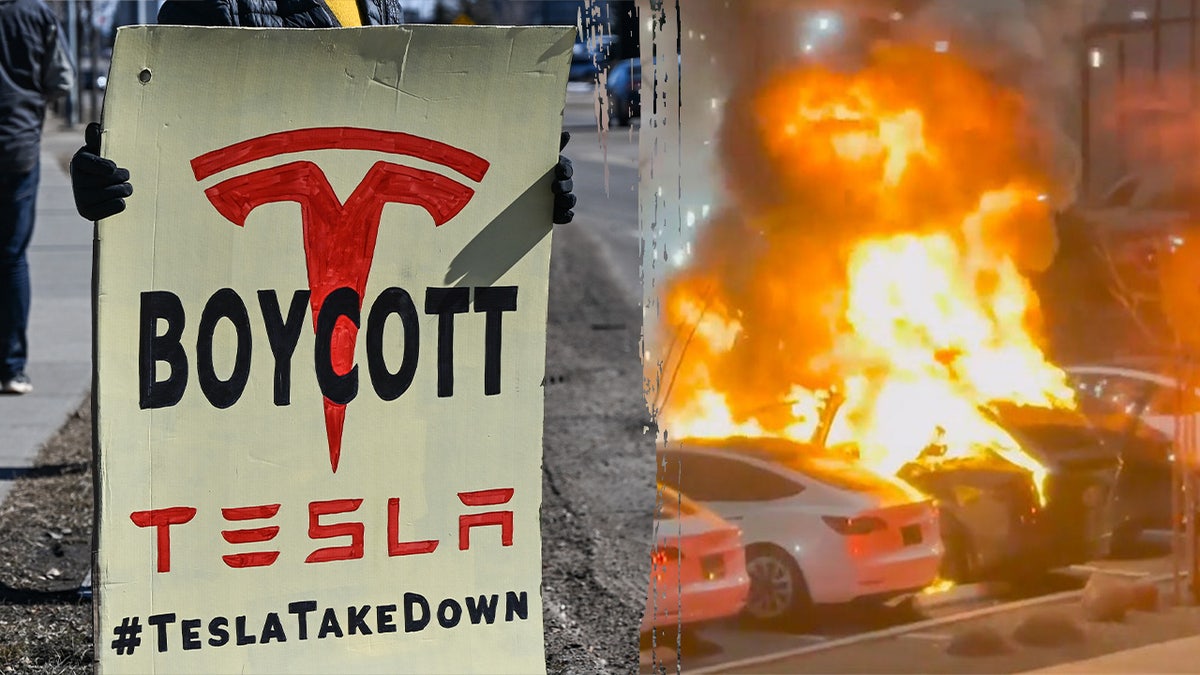
- Early 2025: The “Tesla Takedown” protests initiate, featuring demonstrations at dealerships across the United States. These events, according to investigative reports, involved over 250 organizations and were marked by both peaceful assembly and instances of vandalism against company property.
- May 1, 2025: A significant May Day protest occurs in Washington, D.C., blocks from the White House. Socialist and communist organizations, including the Party for Socialism and Liberation, utilize professionally produced, mass-distributed posters to frame Musk as a primary political antagonist.
- Late 2026: Following the 2026 election cycle—during which Musk’s political spending became a focal point of national debate—the demonstrations expanded to target his private residence in Texas, signaling a tactical transition toward more personal and localized pressure campaigns.
The Financial Architecture of Modern Activism
The organizations behind these protests operate with significant financial resources. According to tax filings from 2024, the three primary groups involved in the Texas demonstration—VOCAL-NY, the Center for Popular Democracy, and People’s Action—reported combined annual revenues of approximately $56.1 million.
The scale of these operations suggests that the “grassroots” label often applied to these events may mask a more formal, top-down organizational structure. The Center for Popular Democracy alone reported $40.9 million in revenue in 2024. Compensation for leadership at these entities often exceeds that of the average American worker; for instance, the co-executive directors of the Center for Popular Democracy received an average total compensation of over $234,000 in 2024, nearly four times the median national earnings for a full-time, year-round employee.

These groups are part of a larger ecosystem of activist networks, such as “May Day Strong,” which claims to represent a constellation of over 600 labor and community organizations. These networks provide logistical support, including transportation, messaging, and event platforms, which are then deployed to create the appearance of localized, spontaneous public outcry.
Strategic Symbolism and Media Amplification
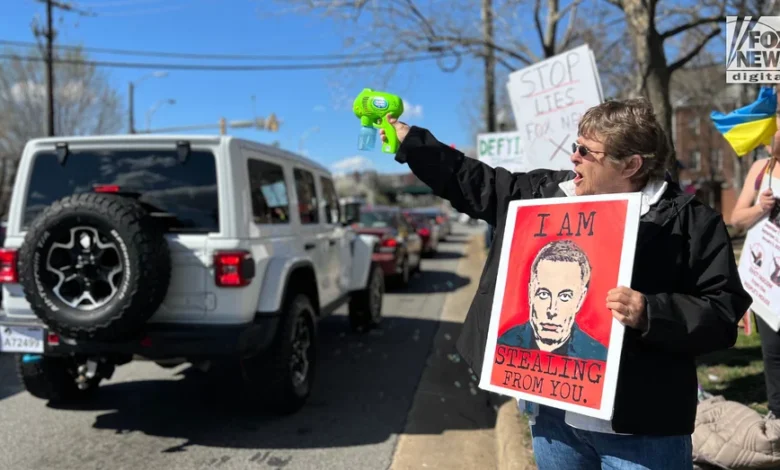
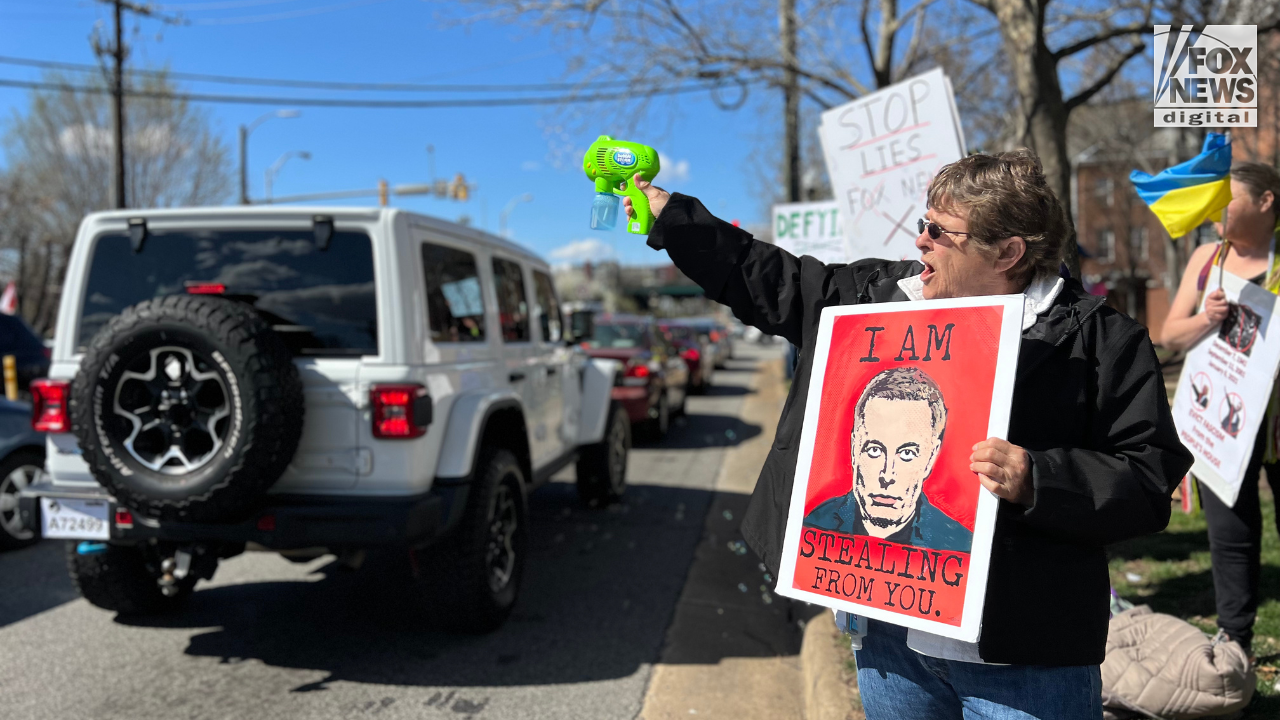
A key element of the current anti-Musk campaign is the standardization of imagery. The “I AM STEALING FROM YOU” poster, featuring a distorted image of Musk, has become a ubiquitous symbol at these rallies. This is not an organic artistic creation, but a commissioned asset.
The Progressive Change Institute, a 501(c)(3) organization affiliated with the Progressive Change Campaign Committee (PCCC), has taken credit for commissioning the art. The group actively sells these posters in bulk to donors, with prices ranging from $30 for a single unit to $250 for a ten-pack. This strategy aims to ensure that the visual branding of the protest movement remains consistent across different regions, from Paris to Portland. The effectiveness of this campaign is reflected in its widespread coverage by mainstream media outlets, which have consistently featured the posters in their reporting, thereby granting the activist message significant exposure.
Official Responses and Political Implications
While organizers of the West Lake Hills event insisted it was a “family-friendly” and peaceful gathering, the broader rhetoric employed by these movements has drawn scrutiny from researchers. The Network Contagion Research Institute has previously noted that the demonization of specific public figures during protests can establish a “permission structure” for more severe political unrest.
The political environment is further complicated by the ongoing scrutiny of donors and funding sources. Congressional lawmakers and federal investigators are currently looking into the financial ties of Neville Roy Singham, a Shanghai-based tycoon, regarding his support for various pro-communist groups in the U.S. Some of the organizations linked to these protest networks, such as the Party for Socialism and Liberation and CodePink, have been identified as recipients of support that intersects with these broader investigations.
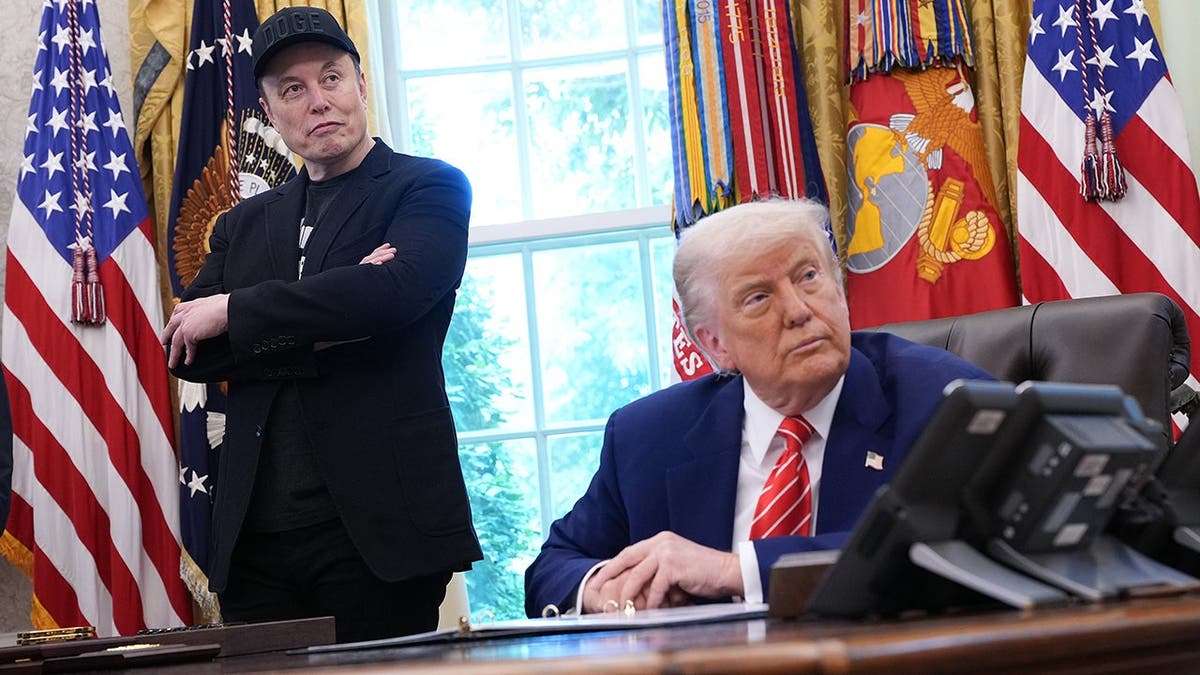
For his part, Elon Musk has maintained a defiant stance, blaming current geopolitical tensions and domestic political friction on a range of factors, including the policies of the U.S. military and the current administration. His involvement in the Department of Government Efficiency (DOGE) has made him a primary target for Democratic lawmakers who have signaled their intent to launch intensive probes into his corporate and political activities following recent electoral shifts.

Broader Societal Impact
The transition of protest culture toward highly professionalized, well-funded, and centralized campaigns raises fundamental questions about the nature of political participation in the modern era. The reliance on “astroturfing”—the practice of masking the sponsors of a message to make it appear as if it originates from and is supported by grassroots participants—is becoming an increasingly common feature of American political life.
When activists use these tactics to target private citizens, even those as influential as a tech billionaire, it sets a precedent for how political discourse is conducted. The use of “party buses,” conga lines, and piñatas to facilitate protests at private homes represents a departure from traditional forms of political petitioning. Critics argue that this approach prioritizes spectacle over substance, potentially deepening social polarization.
Conversely, supporters of these movements argue that given the influence of massive campaign contributions—such as the roughly $445 million to $474 million reportedly spent by Musk during the 2026 cycle—extra-parliamentary pressure is a necessary tool to check the power of the ultra-wealthy. They contend that the public has a right to express grievances against those they believe have outsized control over government policy, particularly regarding public services and civil liberties.
Conclusion and Future Outlook
As the political divide in the United States continues to widen, the tactics used by both sides are becoming increasingly sophisticated. The intersection of nonprofit advocacy, international funding, and high-tech messaging has created a new paradigm for protest. Whether these demonstrations will succeed in their stated goal of influencing policy or whether they will simply serve to harden existing political positions remains to be seen.
With figures like Hillary Clinton now openly discussing the potential for legislative action against Musk, the theater of the streets is likely to move into the halls of Congress. The next phase of this conflict will likely involve legal and regulatory battles, as the investigation into corporate political influence gains momentum. For now, the small, highly organized groups that gather outside private homes and corporate headquarters continue to play a significant role in defining the front lines of the American culture war.