For decades, nutritional science has delivered a straightforward, albeit incomplete, message regarding plant-based diets: eat more fiber. Public health campaigns worldwide have long championed dietary fiber as the cornerstone of gastrointestinal wellness, attributing the vast benefits of fruits, vegetables, grains, and legumes primarily to this indigestible carbohydrate. However, a pair of landmark studies led by researchers at the Princeton Branch of the Ludwig Institute for Cancer Research has upended conventional nutritional wisdom. The findings suggest that fiber is only a fraction of a much more complex biological equation.
According to new research spearheaded by scientist Jenna AbuSalim and Joshua Rabinowitz, director of the Princeton Branch of the Ludwig Institute, certain plant proteins that resist human digestion play an equally critical, yet historically overlooked, role. These proteins actively shape the composition of the gut microbiome—the trillions of microorganisms residing in the human intestinal tract—and dictate whether these microbes churn out health-promoting compounds or toxic byproducts. Furthermore, a companion study has challenged a foundational dogma of modern gastroenterology, revealing that many chemical metabolites previously thought to be manufactured exclusively by gut bacteria are actually produced by the human body’s own cells.
These dual discoveries, published in the Proceedings of the National Academy of Sciences (PNAS) and Nature Metabolism, promise to rewrite textbooks, reshape nutritional guidelines, and potentially alter how physicians approach microbiome-targeted therapies for metabolic diseases, kidney failure, and cancer.
The Evolving Landscape of Microbiome Science
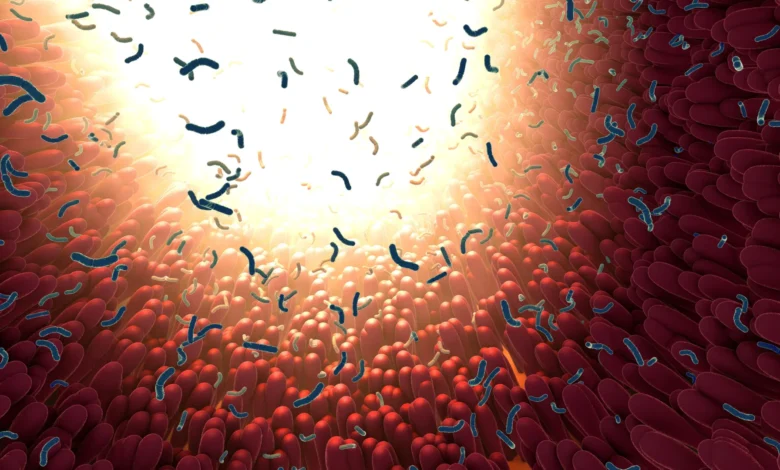
The human gastrointestinal tract is home to a dense, diverse ecosystem of bacteria, fungi, and viruses that collectively weigh between two and five pounds. This intricate microbial community performs vital physiological tasks that the human body cannot execute independently, ranging from synthesizing essential vitamins to fermenting complex carbohydrates into short-chain fatty acids. Over the past twenty years, advances in genetic sequencing and metabolomics have illuminated the profound influence of the gut microbiome on human health, linking microbial imbalances—known as dysbiosis—to obesity, inflammatory bowel disease (IBD), cardiovascular complications, and oncological disorders.
Diet remains the most potent tool available for modulating this internal ecosystem. Historically, scientists focused heavily on how dietary fiber feeds beneficial bacteria, producing metabolites that support immune function and metabolic homeostasis. Yet, the precise chemical cascades occurring when microbes digest complex plant matrices have remained largely opaque.
The new research initiatives led by AbuSalim and Rabinowitz sought to pierce this veil of complexity by deploying advanced isotope tracing techniques. By labeling specific nutritional components with stable, non-radioactive isotopes, the research team was able to track the exact journey of food proteins and amino acids through the digestive systems of animal models and human cellular cultures. The resulting data paint a far more sophisticated picture of host-microbiome interactions than previously understood.
Unlocking the Secrets of Prifs: Indigestible Plant Proteins
The first major revelation centers on what the researchers have dubbed "proteins imitating fiber," or Prifs. While dietary fiber has been extensively scrutinized, scientists have paid scant attention to the fraction of plant proteins that successfully bypass human enzymatic breakdown in the upper gastrointestinal tract, arriving intact in the large intestine.
In their PNAS study, the researchers investigated phenol metabolites—small molecules formed when the body or gut microbes process the amino acids tyrosine and phenylalanine. The human health implications of these specific metabolites are starkly dichotomous. Phenylalanine-derived metabolites, such as phenylpropionate and hippuric acid, correlate strongly with healthy body weights, robust metabolic function, and optimal intestinal barrier integrity. Conversely, tyrosine-derived metabolites like p-cresol sulfate and phenol sulfate are widely recognized uremic toxins that exacerbate chronic kidney disease and have been linked to adverse outcomes in cancer patients.
Through rigorous isotopic tracking, AbuSalim and her colleagues discovered that both fiber and Prifs actively suppress the generation of harmful tyrosine-derived metabolites while supercharging the production of beneficial phenylalanine-derived compounds.
"Our studies showed that both the fiber and the indigestible proteins from plants shift the balance of phenol metabolites from the harmful kind made from tyrosine to the healthful variety derived from phenylalanine," AbuSalim explained.
This cooperative mechanism introduces an entirely new dimension to plant-based nutrition. It implies that the nutritional efficacy of a plant-based diet depends not merely on fiber content, but also on the quantitative and qualitative profile of proteins that escape human digestion to feed the microbiome.
Protecting the Gut Barrier: Fiber and Protein Synergy
To understand how these dietary components alter microbial behavior, the research team investigated the precise raw materials gut bacteria utilize when producing these metabolites. Using stable isotope labeling in murine models, the investigators made a critical observation regarding the origins of harmful phenols.
When fiber intake is insufficient, starving gut microbes resort to desperate measures: they begin metabolizing host-derived proteins, specifically those comprising the mucosal lining of the intestines. This protective mucus layer serves as a vital physical barrier separating trillions of luminal bacteria from the delicate epithelial cells lining the gut wall. The breakdown of this barrier by hungry microbes can trigger local inflammation, increase gut permeability—commonly referred to as leaky gut—and elevate systemic levels of harmful, tissue-damaging metabolites.
The introduction of dietary fiber physically suppresses this destructive microbial foraging, effectively starving the bacteria of host mucus and halting the production of toxic phenols. Simultaneously, the newly identified Prifs supply an alternative, non-harmful nutrient source for the microbial population. By providing abundant dietary protein that resists human digestion, Prifs encourage microbes to synthesize health-promoting metabolites without eroding the host’s physiological defenses.
"We think Prifs represent an emerging class of dietary nutrients that shape the composition of the gut microbiome and could have a far-reaching influence on metabolic health," noted AbuSalim.
The implications of this discovery stretch far beyond academic journals. According to Rabinowitz, the food industry may eventually need to adapt its labeling standards. "Food packaging may eventually list Prif right below fiber," he suggested, signaling a paradigm shift in how consumers evaluate the nutritional value of plant-based products.
Challenging Dogma: Mammalian Cell Metabolism
While the PNAS study redefined the role of plant proteins in the gut, the companion study published in Nature Metabolism in June dismantled a long-standing assumption in microbiome research regarding indole metabolites.
Indoles are chemical derivatives of tryptophan, an essential amino acid found abundantly in dietary proteins. Because indoles participate heavily in immune regulation, inflammatory pathways, and neurodegenerative processes—and have been implicated in the progression and metastasis of various cancers—they have become prime targets for therapeutic intervention. For years, the scientific community operated under the unverified assumption that gut microbes were the exclusive manufacturers of these influential compounds. This belief fueled the booming market for probiotics, prebiotics, and specialized dietary regimens designed to manipulate microbial populations to maximize indole output.
However, the Princeton-led team questioned whether intestinal microbes truly held a monopoly on indole and phenol production. Utilizing isotope tracing across mice, rats, and human cellular lines, the researchers sought to verify the true biological origin of these metabolites.
The results sent ripples through the scientific community: mammalian cells are fully capable of generating numerous phenol and indole metabolites independently of any microbial assistance. Specifically, compounds such as indole-3-lactate and indole-3-acetate—long celebrated as products of beneficial bacterial fermentation—were found to be synthesized substantially by the host’s own cellular machinery.
To confirm these findings, the researchers analyzed subjects whose gut microbiomes had been severely depleted through broad-spectrum antibiotic administration, including clinical samples from cancer patients undergoing antibiotic regimens. If these metabolites depended entirely on bacterial populations, their circulating levels should have plummeted to near zero. Instead, many key metabolites remained at substantial concentrations in the blood. Only a select few compounds, such as indole-3-propionate and p-cresol sulfate, vanished following antibiotic treatment, confirming their strictly microbial origins.
Broader Implications for Medicine and Nutrition
The convergence of these two studies establishes a more nuanced framework for understanding the intricate interplay between human biology, nutrition, and microbial ecology.
For decades, the medical and nutritional fields have treated the gut microbiome as a separate entity that could be universally manipulated to cure disease. The revelation that the human body independently synthesizes many metabolites previously credited to bacteria introduces a profound layer of complexity. Future therapeutic interventions—whether utilizing precision prebiotics, targeted probiotics, or engineered microbial consortia—must carefully account for the host’s endogenous metabolic output rather than focusing solely on microbial populations.
Furthermore, the identification of Prifs as active modulators of intestinal chemistry opens up fresh avenues for dietary therapeutics. By understanding precisely how specific plant proteins interact with fiber to protect mucosal barriers and steer metabolic output, clinicians and dietitians may soon design highly customized nutritional protocols tailored to patients suffering from chronic kidney disease, metabolic syndrome, and gastrointestinal malignancies.
Despite the groundbreaking nature of these insights, researchers urge caution. Much of the empirical evidence gathered thus far stems from controlled animal models and cellular assays. Rigorous human clinical trials will be necessary to translate these molecular mechanisms into validated, long-term dietary recommendations.
Even so, the path forward is clear. As science peers deeper into the biochemical symbioses of the human gut, the old adage advising individuals to simply "eat your vegetables" is giving way to a much more sophisticated molecular understanding of food.
"A clearer picture of how different foods interact with the microbiome to modulate the production of bacterial metabolites will help sharpen the guidance nutritionists and doctors can give to people for disease prevention and therapy," Rabinowitz concluded.
Funding for these foundational studies was generously provided by the Ludwig Institute for Cancer Research, the National Institutes of Health, the National Institute of Diabetes and Digestive and Kidney Diseases, the Princeton Alliance for Collaborative Research and Innovation, and Princeton University. Joshua Rabinowitz serves as Director of the Princeton Branch of the Ludwig Institute for Cancer Research, Professor in the Department of Chemistry & Lewis-Sigler Institute for Integrative Genomics, and member of the Rutgers Cancer Institute.