The Galápagos Islands, globally revered as an irreplaceable laboratory of evolution and a premier ecotourism destination, are currently managing the recovery process following a severe weather event that struck the archipelago at the end of October 2026. Torrential rainfall swept across Santa Cruz Island on October 30 and 31, causing local waterways to overflow, flooding residential neighborhoods, compromising infrastructure, and impacting thousands of residents. This localized disaster has elevated anxieties within the global travel community, prompting immediate questions regarding the safety of visiting the islands, the status of ongoing cruise and hotel bookings, and the broader implications of an active El Niño weather cycle extending into early 2027.
While major tourism hubs have largely resumed standard operations, the incident underscores the vulnerability of isolated island ecosystems to intensifying global climate anomalies. Local authorities, park rangers, and hospitality operators have mobilized to balance community recovery with the continuity of sustainable tourism, emphasizing that informed, flexible, and respectful travel is vital for the region’s economic and social stability.
Chronology of the Event and Immediate Emergency Response
The crisis began unfolding in the late hours of October 30, 2026, when unseasonal and torrential downpours battered Santa Cruz Island—the primary inhabited island and the logistical anchor for tourism in the archipelago. Over the course of 48 hours, excessive precipitation overwhelmed natural drainage systems, transforming roadways into rushing streams and inundating homes in low-lying residential sectors.
By October 31, the local government officially declared a state of emergency. Reports confirmed that more than 2,000 residents across Santa Cruz, particularly in Puerto Ayora and the highland agricultural parish of Bellavista, experienced direct property damage, power outages, and temporary displacement. Essential roadways connecting the island’s interior to Baltra Airport—the primary aviation gateway for visitors—were severely compromised by mudslides and standing water.
In response, municipal authorities and national emergency committees (COE) deployed heavy machinery to clear blocked arteries and restore critical municipal services. Reconstruction efforts moved swiftly, allowing the vital roadway connecting Santa Cruz to the Baltra Airport corridor to reopen by November 5. Parallel engineering works continue to stabilize vulnerable sections, ensuring that incoming commercial flights and passenger transfers can proceed safely.
Geographic Impact Across the Archipelago: Factoring Island by Island

A common misconception among prospective travelers is that an emergency declaration on one island implies total disruption across the entire province. On-the-ground reports and natural history guides clarify that the impacts varied significantly across the archipelago.
Santa Cruz Island bore the brunt of the property damage. However, local tourism entrepreneurs note that the hardest-hit zones were residential neighborhoods situated well away from the primary hotel strips, restaurants, and tour operator headquarters. As a result, commercial tourism infrastructure on Santa Cruz recovered rapidly, with most operations resuming within days of the heaviest rainfall.
Conversely, neighboring islands experienced vastly different conditions. In San Cristóbal, celebrated for its robust sea lion colonies and volcanic topography, naturalist guide Whitman Cox reported no structural flooding within the primary town or tourist sectors. Similarly, Isabela and Floreana experienced varying degrees of localized precipitation without the catastrophic urban flooding seen in Puerto Ayora. Nevertheless, access to specific beaches, trails, and visitor sites across the archipelago has been tightly regulated based on ongoing safety evaluations by the Galápagos National Park Directorate.
Current Safety Status and Visitor Site Access
As of mid-November 2026, air travel to both Baltra and San Cristóbal airports is operating on standard, uninterrupted schedules. Cruise vessels and land-based tour operators have successfully adapted itineraries to bypass temporarily restricted sectors, ensuring that travelers continue to experience the archipelago’s unique wildlife and landscapes.
The Galápagos National Park Directorate has adopted a phased reopening strategy following thorough geotechnical and environmental safety assessments:
- Santa Cruz Island: Playa El Garrapatero has fully reopened to the public. However, high-traffic visitor sites including Las Grietas, El Chato, and El Puntudo remain under temporary restriction. Additionally, Tortuga Bay is scheduled for a brief precautionary closure from November 9 through November 18 due to seasonal tide fluctuations and localized environmental monitoring.
- San Cristóbal Island: Coastal visitor sites such as La Lobería and Punta Carola have resumed normal operations, while surfing and snorkeling zones like Puerto Chino and Playa Baquerizo remain temporarily closed.
- Isabela Island: The ecologically sensitive Los Humedales sector remains closed to visitors while park authorities monitor environmental recovery.
International travel advisories, including an update issued by the UK Foreign, Commonwealth & Development Office (FCDO) on November 1, reflect these developments. The advisory recommends that travelers monitor local weather updates, strictly adhere to municipal instructions, avoid flooded zones, and maintain open channels of communication with their respective airlines, cruise lines, and tour providers.
Understanding El Niño: Climate Context and Future Outlook

The late-October deluge is directly linked to an active El Niño climate phenomenon. Characterized by the sustained warming of surface ocean temperatures across the equatorial Pacific Ocean, El Niño alters atmospheric circulation patterns, frequently bringing above-average rainfall, elevated humidity, and warmer coastal waters to Ecuador and the Galápagos Islands.
According to data from Ecuador’s National Institute of Meteorology and Hydrology (INAMHI), the current El Niño cycle remains active and is projected to strengthen over the coming months, with meteorological forecasts indicating that heavier-than-average precipitation patterns could persist through February 2027.
While severe weather events pose undeniable logistical challenges, scientific and operational leaders emphasize that El Niño is a natural, cyclical event. Charles Wittmer, president of the Association of Boat Operators in the Galápagos (ADATUR), notes that the archipelago has weathered similar climatic shifts across decades.
"Nature is unpredictable, and if anything, this is a unique chance to observe how endemic species adapt to changing weather conditions," Wittmer explains. "Remember: this is a natural laboratory of evolution."
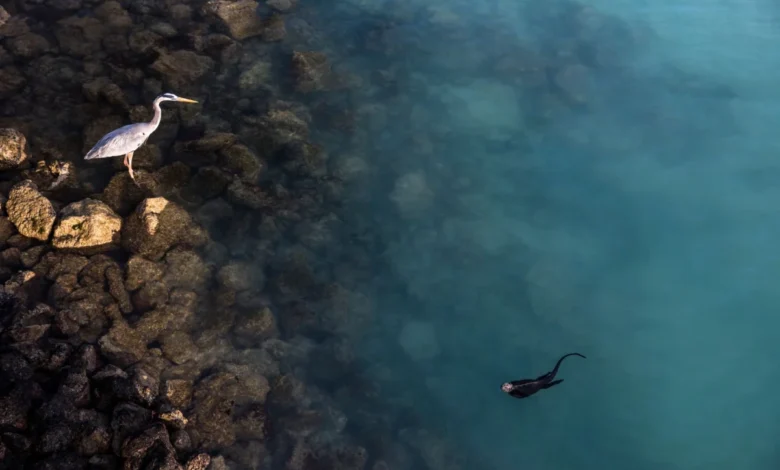
Marine biologists note that while warming ocean temperatures can temporarily influence the foraging behavior of marine iguanas, Galápagos penguins, and flightless cormorants, these shifts often stimulate marine ecosystem activity, occasionally enhancing underwater visibility and the variety of pelagic species encountered during snorkeling and diving excursions.
Practical Guidance for Travelers with Upcoming Itineraries
Industry professionals emphasize that travelers should not panic or cancel their dream trips, but rather approach their journeys with heightened preparation, patience, and adaptability. To ensure a seamless travel experience during an active El Niño phase, experts recommend the following best practices:
- Maintain Direct Communication: Prior to departure, confirm flight statuses directly with airlines and verify accommodation and excursion itineraries with tour operators. Daily check-ins with licensed local guides provide the most accurate, real-time intelligence once on the ground.
- Secure Comprehensive Travel Insurance: Purchase policies that specifically cover weather-related transportation delays, medical emergencies, trip interruptions, and unexpected accommodation costs.
- Build Flexibility into Itineraries: Recognize that temporary site closures or marine conditions may require itinerary adjustments. Embrace alternative excursions recommended by knowledgeable local guides.
- Pack Purposefully: Prepare for variable weather by bringing lightweight, breathable rain protection, quick-drying apparel, and waterproof dry bags to safeguard electronics, cameras, and important travel documents.
- Monitor Official Channels: Follow real-time meteorological forecasts and park updates issued directly through INAMHI and the Galápagos National Park social media channels and official websites.
The Economic and Social Imperative of Responsible Tourism

Beyond the preservation of travel itineraries, tourism serves as the lifeblood of the Galápagos economy. The flooding on Santa Cruz disrupted not only residential households but also the livelihoods of independent farmers, artisans, and small business owners who rely entirely on visitor commerce.
Local stakeholders emphasize that responsible tourism is needed now more than ever to facilitate community-led recovery. Travelers can directly support local families by choosing locally owned guesthouses and boutique hotels, hiring certified local naturalist guides, dining at independent family-run restaurants, and purchasing authentic crafts from local artisans.
Furthermore, visitors must exercise cultural sensitivity, recognizing that affected residential neighborhoods are not tourist attractions. Exploring damaged areas or capturing photographs of residents navigating flood recovery without explicit permission should be strictly avoided.
How to Contribute to Recovery Efforts
For travelers wishing to provide direct humanitarian assistance upon arrival, local hotels and guides can coordinate the safe delivery of donated items such as water purification tablets, basic first-aid supplies, personal hygiene kits, and pet food to official municipal relief collection points.
For individuals wishing to support relief and reconstruction efforts from afar, several established institutions have mobilized formal fundraising initiatives:
- Charles Darwin Foundation: Participating in emergency fundraising campaigns dedicated to directing financial resources to the Santa Cruz emergency response committee (COE) to address urgent municipal and infrastructural needs.
- San Francisco de Quito University (USFQ): Operating an active "SOS Galapagos" relief fund, collecting financial donations and humanitarian aid through institutional channels.
- Fundación Torraja: A localized civic organization administering community kitchens and distributing meals and essential supplies directly to families who lost personal belongings during the floods.
Ultimately, while climatic anomalies like El Niño test the resilience of the Galápagos Islands, the enduring spirit of its local communities, combined with the timeless wonder of its evolutionary treasures, ensures that the archipelago remains one of the world’s most compelling and profoundly rewarding destinations for the conscientious traveler.