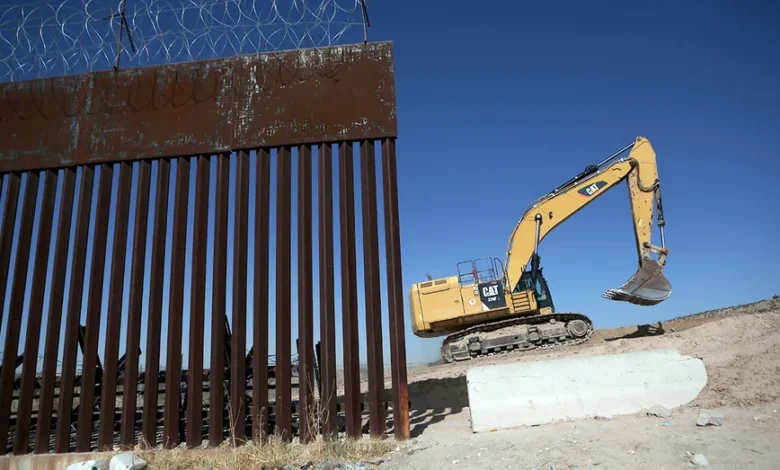
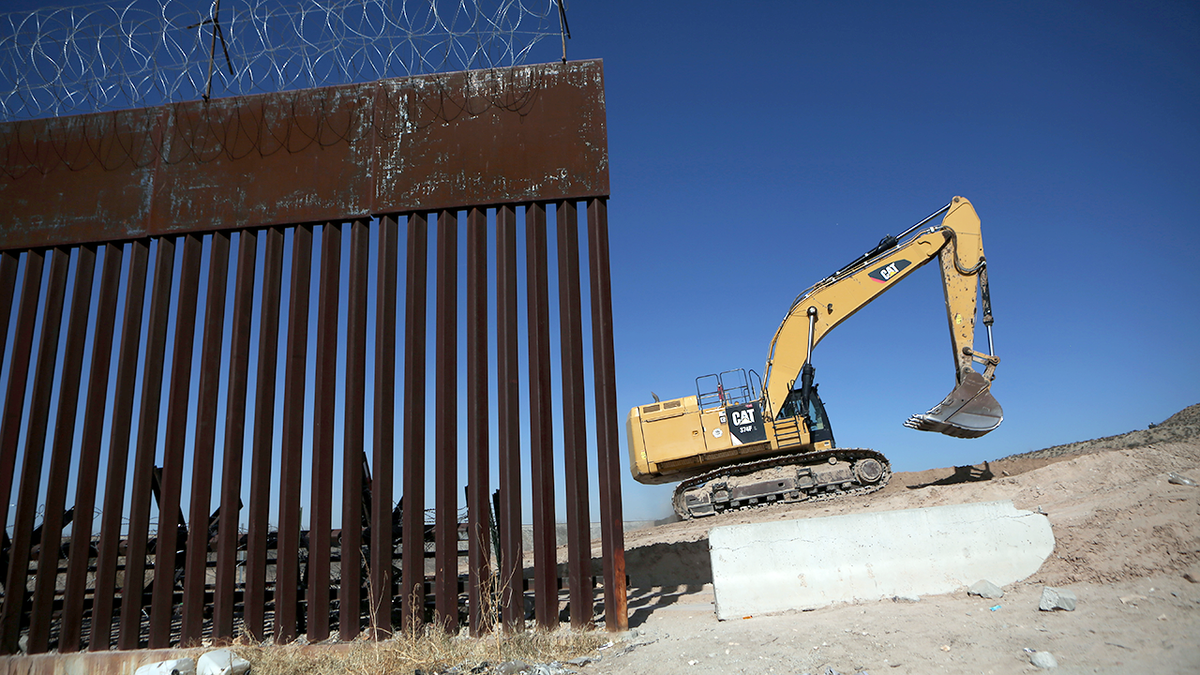
The United States Supreme Court issued a significant procedural victory for the Trump administration this week, effectively removing a judicial roadblock that had stalled construction of the border wall in West Texas. By granting an emergency request from the federal government, the justices have allowed work to resume in the Big Bend Sector, overturning a preliminary injunction previously handed down by a federal district judge in El Paso. This ruling represents a pivotal moment in the ongoing legal tug-of-war between the executive branch’s border security initiatives and various advocacy groups seeking to challenge the scope of federal authority.
The High Court’s intervention comes at a time when the administration is aggressively pursuing its infrastructure goals along the southern frontier. While the legal challenge brought by environmental groups and local property owners remains active, the Supreme Court’s decision to stay the lower court’s injunction signals that the project can proceed while the merits of the case are litigated. Justice Ketanji Brown Jackson noted for the record that she would have denied the emergency stay, though she did not issue a formal written dissent, leaving the majority’s decision to proceed without a detailed explanation of their reasoning.
A Chronology of the Big Bend Border Dispute
The legal impasse in the Big Bend region has been characterized by shifting judicial rulings. The dispute began when a coalition of environmental organizations and local residents filed suit, alleging that the Department of Homeland Security (DHS) had overstepped its constitutional authority. The plaintiffs argued that the construction project lacked explicit authorization from Congress and failed to comply with long-standing federal environmental regulations.
Last month, a federal district judge in El Paso sided with these plaintiffs, issuing a preliminary injunction that halted construction activity in the sector. The government, citing the urgent need to secure the border and mitigate the influence of transnational criminal organizations, immediately sought relief from the higher courts. By bringing the matter to the Supreme Court on an emergency basis, the administration successfully bypassed the lengthy appellate process that would have otherwise left the construction site dormant for months.

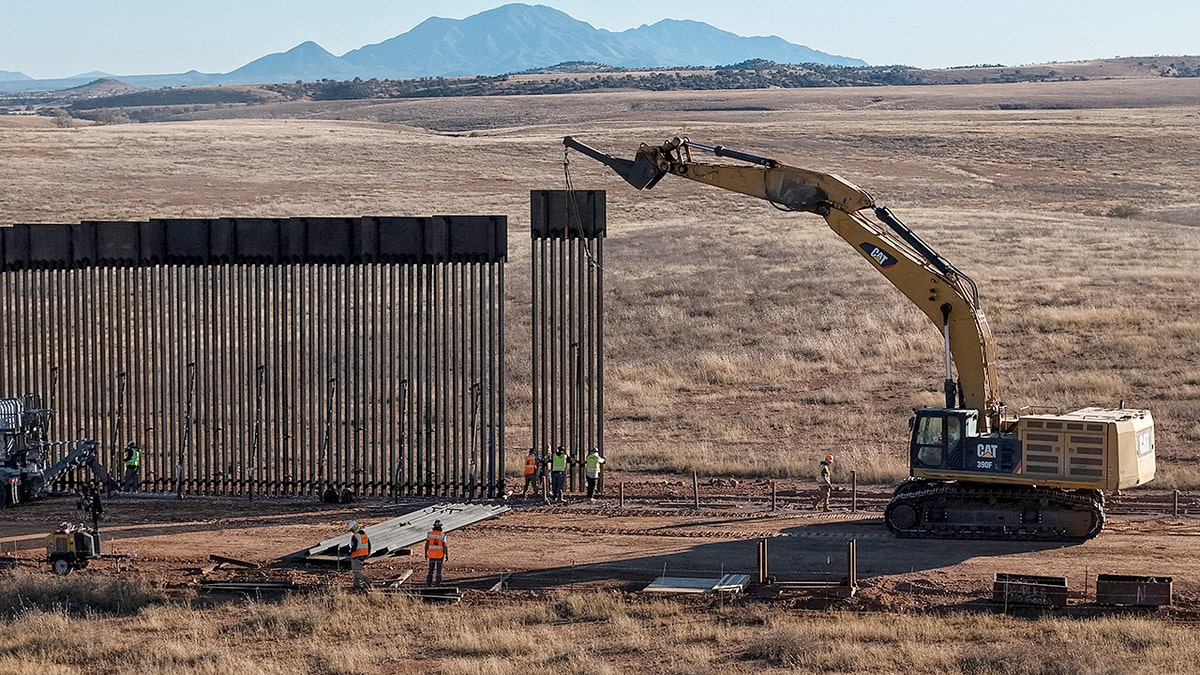
This incident is part of a broader timeline of border wall development that spans several years. Since 2025, the administration has prioritized the rapid completion of both primary and secondary barrier systems. According to statements made by Congressional allies, the primary wall is projected to be completed by June 2027, with secondary infrastructure scheduled to follow in the summer of 2028.
Strategic Objectives and Security Rationales
The administration has consistently framed the wall construction not merely as a physical barrier, but as a critical tool for national security and law enforcement. Officials from the Department of Homeland Security have frequently pointed to the persistent activity of drug cartels operating just south of the border as a primary justification for the project.
The Big Bend Sector, while representing roughly 25% of the total U.S.-Mexico border, has historically seen lower volumes of illegal crossings compared to sectors like El Paso or the Rio Grande Valley. Data from 2025 indicates that this sector accounted for approximately 1.3% of total border apprehensions. However, administration proponents argue that the strategic value of the wall is not measured solely by encounter statistics, but by the deterrent effect it creates and its ability to channel traffic toward areas where Border Patrol agents can more effectively monitor and apprehend illicit actors.
The plan for the Big Bend region involves a 17-mile barrier. Notably, officials have clarified that this section will differ in design from the 30-foot steel pedestrian fencing installed in more high-traffic zones, acknowledging the unique geographic and environmental constraints of the national park area.
Legal and Environmental Tensions
The opposition to the wall remains deeply rooted in concerns over ecological impact and private property rights. Many of the parcels slated for construction fall on privately owned land, leading to complex eminent domain battles that have complicated the project’s timeline. Environmental groups argue that the construction process disrupts fragile ecosystems and migratory corridors for endangered species, claiming that the government’s efforts to waive environmental reviews are an affront to the Administrative Procedure Act and other foundational legal statutes.
Legal analysts point out that this case is part of a recurring pattern where the Supreme Court is asked to weigh in on the "emergency docket." This practice has drawn criticism from some justices, who argue that the court is increasingly asked to intervene in high-stakes political matters before the lower courts have fully vetted the legal arguments. Liberal justices have frequently voiced concerns that this fast-tracking mechanism deprives the public of a full, transparent deliberation process.
Broader Implications for Immigration Policy
The Supreme Court’s decision is part of a wider trend in current immigration policy. Beyond the physical construction of the wall, the administration has been actively working to reform asylum processes and Temporary Protected Status (TPS) designations. Legal scholars observe that the judiciary is increasingly playing a decisive role in defining the limits of the executive branch’s power to manage the nation’s borders.
The debate surrounding these policies is deeply polarized. Supporters of the administration’s approach argue that activist judges appointed by previous administrations have, for years, intentionally blocked enforcement efforts to facilitate a more permissive border environment. They contend that the surge in criminal activity and the strain on public resources are the direct consequences of these judicial interventions. Conversely, critics argue that the bypass of environmental and administrative regulations undermines the rule of law and risks permanent damage to the border region’s unique environment.
The Role of Technological Integration
While the wall remains the most visible aspect of the administration’s border strategy, it is being augmented by significant investments in technology. Customs and Border Protection (CBP) continues to modernize its air and marine operations, utilizing advanced surveillance technology, drone patrols, and rapid response capabilities to secure areas where physical barriers may be less effective or impossible to construct.
The integration of these "smart border" technologies, combined with the physical wall, is intended to create a multi-layered defense system. The administration argues that this approach is essential for preventing the smuggling of illicit substances, particularly synthetic opioids like fentanyl, which represent a major component of the current national security discourse.
Future Outlook and Political Context
As construction resumes in the Big Bend Sector, all eyes are on the potential for further legal challenges. The underlying lawsuit against the Department of Homeland Security is still pending, and its outcome could eventually force a return to the Supreme Court for a final, substantive ruling on the administration’s authority to bypass congressional funding or regulatory requirements.
Furthermore, the project serves as a key touchstone in the national political narrative. For President Trump, the wall is a signature policy initiative that remains highly popular with his base. The administration’s ability to secure legal victories on this front is often portrayed as a validation of its broader strategy to shift the balance of power back to the executive office regarding border control.
The ongoing construction in 2026 and 2027 will likely serve as a barometer for the administration’s ability to execute its long-term infrastructure vision. With the 2028 completion target for secondary barriers in sight, the federal government appears committed to completing the project despite the persistent, multi-front opposition it faces. The Supreme Court’s recent decision ensures that the machinery of construction will continue to move forward, keeping the issue of border security at the forefront of the American legislative and legal agenda for the foreseeable future.
In summary, the high-court ruling acts as a significant catalyst for the administration’s border objectives. By staying the injunction, the justices have provided the necessary legal clearance to maintain the momentum of one of the most controversial and significant infrastructure projects in modern U.S. history. Whether this momentum can be sustained through the remaining legal challenges will depend on the final rulings of the lower courts and the administration’s continued ability to defend its executive actions in the face of rigorous constitutional scrutiny.