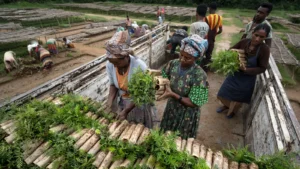
From the rugged highlands of Nepal to the dense rainforests of the Amazon and the sweeping grasslands of Brazil, Indigenous communities are finding themselves at the epicenter of a rapidly changing climate. The era of predictable weather patterns has vanished, replaced by an alarming succession of catastrophic storms, wildfires, and floods. These events are no longer occurring in isolation; they are increasingly manifesting as overlapping, compound crises that test the limits of human resilience. A new, comprehensive report from the nonprofit Land Is Life suggests that while the international community has begun to acknowledge the value of Indigenous ecological knowledge, it has largely failed to respect or support the governance structures that make this knowledge actionable.
The report, released during New York Climate Week, synthesizes data from over 200 survey responses across 46 countries, encompassing six distinct ecosystems: forests, mountains, drylands, freshwater systems, grasslands, and coastal zones. The findings are stark: over 80 percent of respondents reported facing two or more simultaneous climate-related crises, while 90 percent noted a marked increase in the frequency of these disasters over the past decade.
The Architecture of Resilience: Governance as a Catalyst
For decades, the global scientific community has documented the efficacy of Indigenous land stewardship in preserving biodiversity and sequestering carbon. However, the Land Is Life report argues that this focus on "knowledge" often ignores the "governance" required to implement it. Resilience is not merely the possession of data; it is the organizational capacity to mobilize, allocate resources, and make decisions under duress.
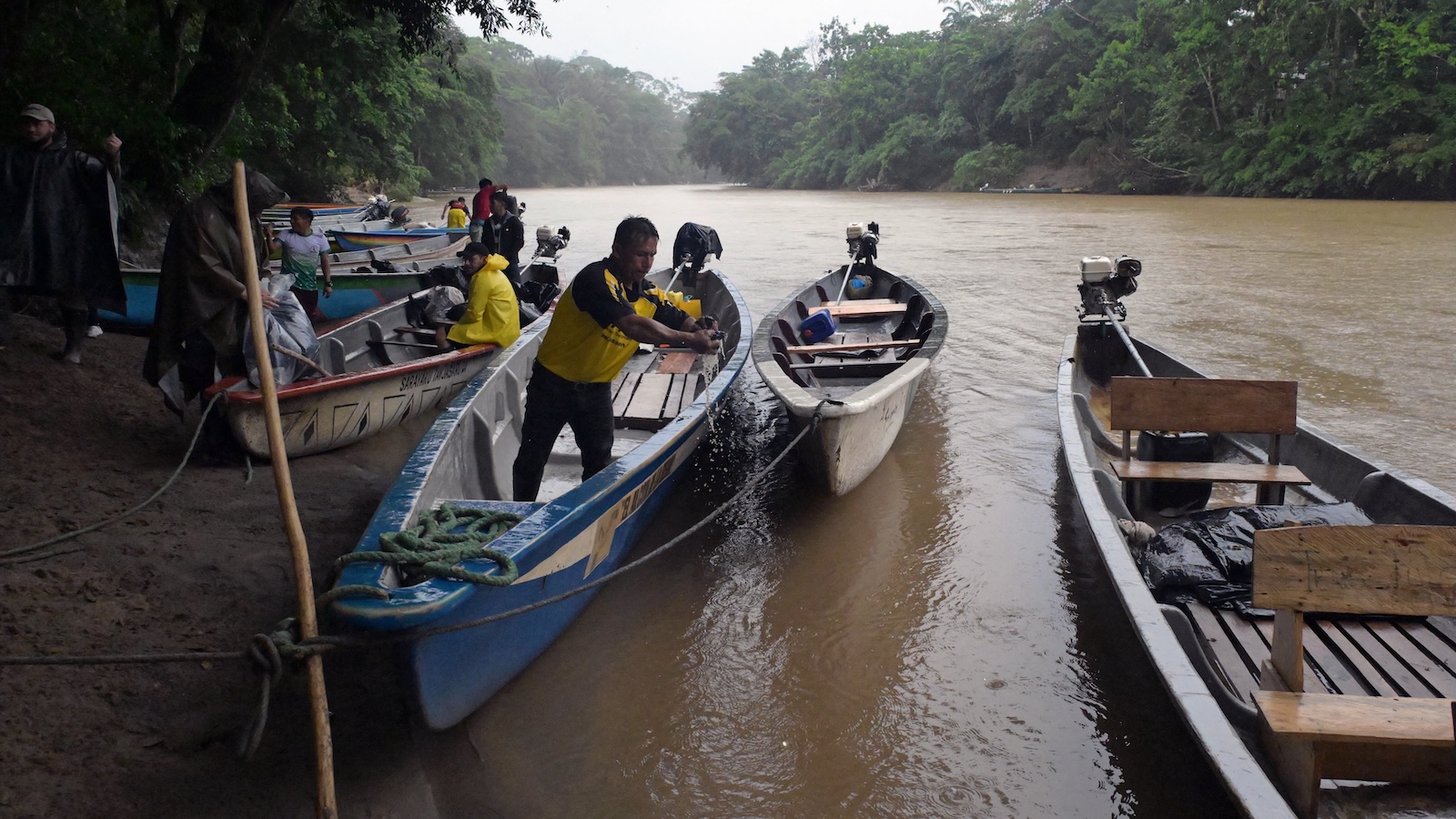
Take, for instance, the Kichwa People of Sarayaku in the Ecuadorian Amazon. In 2019, when the Bobonaza River surged, causing catastrophic flooding, the community did not wait for external intervention. Their response was immediate, guided by centuries-old decision-making frameworks and the cultural ethos of minga—a term for collective responsibility and solidarity. Because the community possessed established leadership hierarchies and communication protocols, they were able to relocate families, salvage food stores, and manage emergency housing with minimal casualties.
"This organization makes it possible to confront any problem and any threat," said Daniel Santi, president of the Sarayaku community. The report posits that the Sarayaku model is not an outlier but a template for successful adaptation. By empowering local governance, the community effectively transformed its ancestral knowledge—such as monitoring lightning and rainfall patterns at river headwaters—into a functioning early-warning system.
A Chronology of Escalating Risk and Institutional Failure
The timeline of global climate neglect reveals a widening gap between rhetoric and reality. While the 2015 Paris Agreement emphasized the importance of Indigenous participation in climate strategies, the subsequent decade has seen a stagnation in actual resource transfer.
- 2015-2018: Initial global recognition of Indigenous land rights as a climate mitigation tool gains traction in academic circles.
- 2019: Major weather events, including the Sarayaku floods, demonstrate that local, self-determined responses consistently outperform top-down government interventions in speed and efficiency.
- 2020-2022: The COVID-19 pandemic highlights the vulnerability of remote communities, further straining the already limited resources of Indigenous governance structures.
- 2023-2024: Global economic pressures, including the diversion of funds toward geopolitical conflicts in Eastern Europe and the Middle East, lead to a contraction in climate financing, leaving frontline communities disproportionately exposed.
Despite these challenges, there have been successful pockets of integration. In Peru’s Ausangate Regional Conservation Area, Quechua communities have forged partnerships with conservationists that prioritize Indigenous-led monitoring. By blending traditional ecological observations with Western scientific research, these communities have successfully managed local biodiversity even as high-altitude ecosystems face severe pressure from shifting weather patterns.
Supporting Data: The Funding Disconnect
The most significant obstacle identified by the report is the persistent "funding gap." While billions of dollars in climate finance are pledged annually by G20 nations and international financial institutions, the proportion that reaches Indigenous communities is negligible.
According to data compiled by Land Is Life, the current system of climate finance is hindered by three major structural failures:
- Intermediary Dilution: Funds are frequently routed through large, non-Indigenous NGOs and multilateral agencies, which consume significant portions of the capital for administrative costs, leaving little for on-the-ground implementation.
- Short-termism: Most climate grants are structured for 12 to 24-month cycles, which are incompatible with the long-term, landscape-scale stewardship required for true climate adaptation.
- Legal Erasure: In many nations, the lack of legal recognition for Indigenous land rights prevents communities from accessing formal credit markets or government disaster-relief funds, effectively criminalizing their efforts to manage their own territories.
Anisha Buda, a program officer at the National Indigenous Women Forum in Nepal, emphasized that this is not merely a logistical failure but a systemic one. "There are so many projects that are supposed to be for Indigenous peoples, but they are implemented by non-Indigenous organizations," Buda noted. This sentiment is echoed by researchers who point out that when Indigenous self-governance is bypassed, projects often fail because they lack the "buy-in" and cultural context necessary to survive local ecological shifts.
Analysis: Why Traditional Knowledge Needs Traditional Power
The report offers a sobering analysis of why mainstream climate policy often falters. Many Western-led initiatives focus on technical fixes—such as technological monitoring systems or carbon credit schemes—that do not account for the social fabric of the landscape.
When a community is stripped of its right to self-governance, it loses the ability to adapt. For example, in Brazil, the Coordination of Indigenous Organizations of the Brazilian Amazon (COIAB) acts as a regional defense network, organizing fire management teams that operate with more precision than state-run agencies. These organizations function because they are rooted in the community’s own social hierarchy. By ignoring this, international policymakers often impose "solutions" that are incompatible with the local reality.
Luisa Castañeda Quintana, executive director of Land Is Life, emphasizes that the goal is not to reinvent the wheel. "We don’t really need to create new structures or systems," she said. "We just need to see what is working." The evidence suggests that "what is working" is the marriage of traditional, place-based knowledge with legitimate, local authority.
The Path Forward: A Call for Direct Investment
As the world heads toward future COP summits and climate conferences, the message from the report is clear: the most cost-effective investment for global climate security is the legal and financial empowerment of Indigenous peoples.
The report recommends three critical shifts in policy:
- Direct Financing: Removing the barriers between global climate funds and Indigenous-led organizations to ensure that resources reach the frontlines without passing through multiple bureaucratic tiers.
- Legal Recognition: Pressuring national governments to grant formal, secure land titles to Indigenous communities, which serves as a prerequisite for long-term stewardship.
- Partnership, Not Paternalism: Moving away from the "consultation" model toward a "partnership" model where Indigenous leaders have an equal say in the design and implementation of regional climate projects.
Gisela Hurtado, the report’s author, suggests that the urgency of the climate crisis leaves no room for outdated models of environmental management. "They are the ones that are much more connected with the Earth to know what is going to happen in the future," she said.
As climate change accelerates, the survival of these ecosystems—and the people who protect them—will be the primary indicator of the global community’s success or failure in meeting the climate challenge. By failing to support Indigenous governance, the international community is not just ignoring a human rights issue; it is actively dismantling its own most effective defense against an increasingly unstable planet. The data is clear: the solutions are already being implemented by those most affected, provided the world is willing to stop imposing, and start supporting.