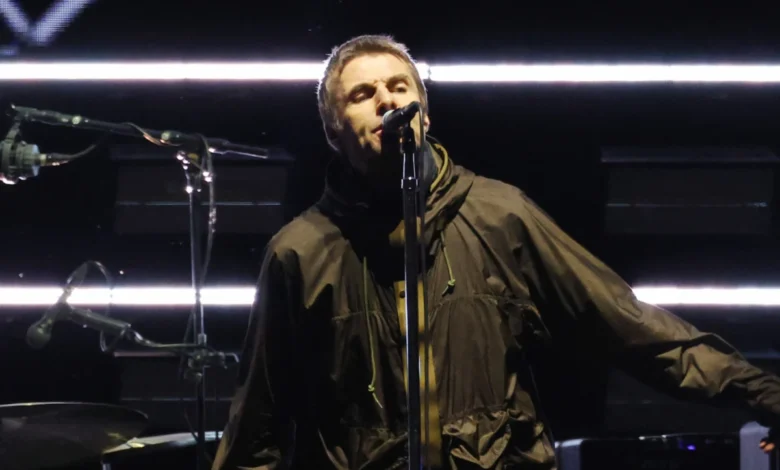
The culmination of the FIFA World Cup, a global spectacle watched by billions, was not universally met with applause, particularly when it came to the highly anticipated halftime entertainment. While the final match between Spain and Argentina drew immense attention, the musical interlude on the pitch ignited a fiery critique from none other than Oasis frontman Liam Gallagher. The notoriously outspoken rock icon took to social media platform X (formerly Twitter) to express his profound displeasure, likening the eclectic lineup of performers to a disorienting and unwelcome hallucinatory experience.
A Galaxy of Stars, a Universe of Criticism
The halftime show, designed to be a grand celebration of music and football culture, featured an ambitious and diverse array of talent. Headlining the event was pop superstar Madonna, who delivered a two-song performance that included a reimagined version of her 2000 hit "Music" and a rendition of "Danceteria," a track from her recently released album Confessions II. Her performance was notably marked by her unconventional arrival, cruising through the stadium’s underground tunnels in a golf cart chauffeured by Brazilian football legends Ronaldo and Ronaldinho.
The spectacle continued with a brief cameo from K-Pop sensations BTS, who offered a few seconds of their global smash "Dynamite." Adding a touch of Hollywood charm, actor Jason Sudeikis reprised his beloved character, Coach Ted Lasso, alongside his on-screen deputy Coach Beard (Brendan Hunt). Their appearance served as a motivational interlude, culminating in a performance by pop sensation Justin Bieber, who sang his track "Everything Hallelujah."
The musical tapestry was further woven with performances by Nigerian Afrobeat star Burna Boy and Colombian superstar Shakira, who collaborated on a song titled "Dai Dai." Adding a unique educational element, the PS 22 Chorus, a choir composed of fourth and fifth graders from a Staten Island public elementary school, joined Coldplay frontman Chris Martin to perform a song co-written by the band called "We Dance." This ambitious medley, intended to bridge musical genres and generations, ultimately proved to be too much for the Oasis singer.
Gallagher’s Scathing Verdict: "This is like a bad trip."
Liam Gallagher, a figure known for his unfiltered opinions and deep-seated passion for football, did not hold back his assessment of the halftime show. In a post on X, he declared, "This is like a bad trip." He further elaborated on the unsettling nature of the performance, stating, "It’s a good job I’ve got my spiritual socks on or that halftime entertainment could have tipped me over the edge." The remark, delivered with his characteristic bluntness, immediately garnered significant attention from fans and media outlets alike, highlighting the stark contrast between the event’s intended celebratory mood and Gallagher’s visceral reaction.
Context: A World Cup Finale and an Oasis Anthem
Gallagher’s strong feelings about the World Cup were palpable throughout the tournament. His disappointment likely stemmed, in part, from England’s exit from the competition prior to the final. Oasis’s iconic anthem "Wonderwall" had unexpectedly become the unofficial soundtrack for the England team’s journey, with Gallagher himself championing its popularity and even leading chants of "Cmon England cmon Wonderwall" in the lead-up to crucial matches. The band’s connection to the tournament’s narrative made the eventual outcome and the subsequent halftime show a particularly sensitive topic for the singer.
The FIFA World Cup, held every four years, is the most prestigious association football tournament in the world. This particular final, between Spain and Argentina, was anticipated to be a clash of titans, showcasing some of the sport’s most celebrated athletes and tactical prowess. The halftime show, traditionally a moment of spectacle designed to entertain a global audience during the brief respite of the match, has often featured prominent musical artists to enhance the event’s entertainment value. Past halftime shows have included legendary performers like Michael Jackson, Prince, and Jennifer Lopez and Shakira, setting a high bar for subsequent installments.
A Multifaceted Halftime Extravaganza: Breakdown of Performances
The organization of such a diverse lineup for a single halftime performance presented a logistical and artistic challenge. The intention was clearly to offer something for everyone, reflecting the global reach of both football and contemporary music.
-
Madonna’s Grand Entrance: The Queen of Pop’s performance began the show, aiming to set a powerful and iconic tone. Her choice to perform a new track alongside a classic suggested an effort to bridge her enduring legacy with her current artistic endeavors. The presence of football legends like Ronaldo and Ronaldinho was a clear attempt to link the musical performance directly to the sporting event. The choice of Confessions II as the source for "Danceteria" suggests a deliberate effort to promote her latest work within this massive global spotlight.
-
K-Pop’s Global Reach: BTS’s brief appearance, while short, underscored the immense international popularity of K-Pop and its growing influence on global entertainment. Their inclusion was a strategic move to tap into a massive and dedicated fanbase, further extending the show’s appeal beyond traditional Western audiences.
-
Hollywood Meets the Pitch: The appearance of Jason Sudeikis as Ted Lasso provided a humorous and universally appealing interlude. The character’s inherent optimism and motivational spirit aligned with the aspirational nature of the World Cup. His interaction with Justin Bieber, a global pop phenomenon in his own right, aimed to create a unique crossover moment. Bieber’s performance of "Everything Hallelujah" offered a more introspective musical moment within the otherwise high-energy show.
-
Global Rhythms and Youthful Voices: The collaboration between Burna Boy and Shakira represented a fusion of African and Latin American musical influences, showcasing the diverse sounds that contribute to the global music landscape. The inclusion of the PS 22 Chorus and Chris Martin brought a heartwarming and educational dimension, highlighting young talent and the collaborative power of music. The song "We Dance," written by Coldplay, likely carried a message of unity and celebration, resonating with the spirit of the World Cup.
The "Bad Trip" Phenomenon: Artistic Intent vs. Audience Reception
Gallagher’s description of the show as a "bad trip" suggests a perceived disconnect between the disparate elements of the performance and a lack of cohesive artistic vision. While the intention may have been to create a vibrant and eclectic mosaic of musical talent, the execution may have felt jarring or overwhelming to some viewers. The rapid transitions between artists, the variety of genres, and the sheer number of performers could have contributed to a sense of disorientation, leading to Gallagher’s strong negative reaction.
This divergence in reception is not uncommon for large-scale entertainment events. What one viewer finds innovative and exciting, another might perceive as chaotic or unfocused. The "bad trip" analogy, while colorful, points to a potential issue with the show’s pacing, thematic coherence, or overall artistic direction. The inclusion of characters from a television show alongside seasoned musicians and a children’s choir, while ambitious, could be seen as a departure from a more traditional, musically focused halftime performance.
Implications and Broader Impact
Liam Gallagher’s public critique, amplified by his significant following and a history of provocative statements, brings attention to the challenges of curating entertainment for a global audience with diverse tastes. It raises questions about the balance between appealing to a broad demographic and maintaining artistic integrity.
-
The Power of Social Media: This incident underscores the potent influence of social media platforms like X in shaping public discourse around major events. A single tweet can quickly snowball into widespread news coverage, influencing public perception.
-
Artistic Vision vs. Commercial Appeal: The halftime show at the World Cup represents a delicate balancing act between artistic ambition and commercial appeal. The organizers aim to create a spectacle that is both critically acclaimed and broadly popular, a feat that is notoriously difficult to achieve.
-
The Oasis Legacy: For fans of Oasis and Liam Gallagher, this critique aligns with his established persona and his vocal support for more traditional rock and roll aesthetics. It serves as a reminder of his enduring influence as a cultural commentator.
-
Future Halftime Shows: The reaction to this particular performance may prompt future organizers to reconsider the structure and content of halftime shows, perhaps leaning towards more cohesive thematic presentations or fewer, more impactful individual performances.
The FIFA World Cup final halftime show, with its ambitious lineup and subsequent controversial critique, serves as a fascinating case study in the complexities of modern entertainment. While the athletes battled on the field, the musical stage became a battleground of artistic opinion, with Liam Gallagher emerging as a vocal dissenter against a spectacle that, for him, missed the mark entirely. The event, intended to unite the world through sport and music, instead highlighted the diverse and often divergent perspectives that define our global cultural landscape.