Choosing the ideal weekend retreat following an exhaustive professional period requires balancing proximity, isolation, and domestic comfort. For many urban residents in the United Kingdom, particularly those based in London, the ideal getaway demands a destination within a manageable two-hour driving radius, complete isolation from urban noise, and immediate access to rural tranquility without the labor of subsistence cooking. In April, this search increasingly converges on the historic villages of the Cotswolds, an Area of Outstanding Natural Beauty (AONB) spanning nearly 800 square miles across south-central England. Among the myriad properties catering to this demand, Strawtop Cottages—a pair of 16th-century Grade II-listed thatched dwellings in the Oxfordshire village of Adderbury—has emerged as a notable benchmark for high-end heritage hospitality.
Historical Preservation Meets Modern Luxury
The architectural lineage of Adderbury dates back centuries, with properties like Strawtop Cottages reflecting the vernacular building traditions of the early modern period. Originally constructed in the 1500s utilizing local limestone, timber framing, and traditional straw thatch, these structures represent a distinct era of English rural architecture. Maintaining such historic assets involves navigating stringent regulatory frameworks established by English Heritage and local planning authorities. Under English property law, Grade II-listed buildings are protected for their special architectural and historic interest, requiring owners to secure listed building consent for any substantial alterations.

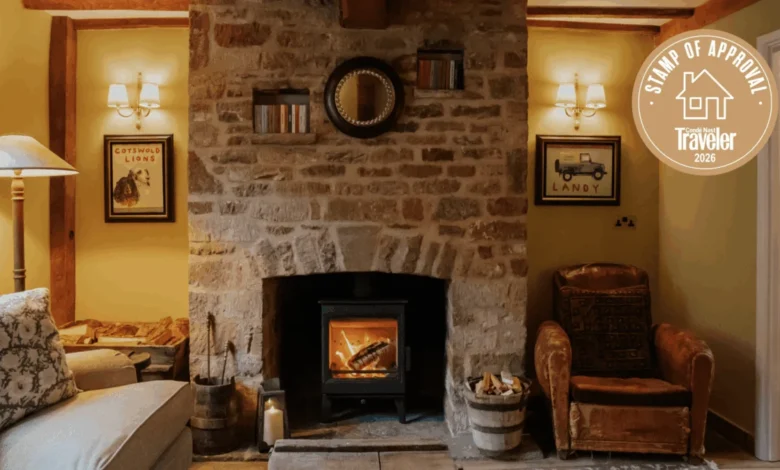
The current custodians of the property, digital content creator Josie Irons and property manager Charlie Irons, undertook a comprehensive restoration project to modernize the cottages while strictly preserving their historical integrity. According to architectural conservation guidelines, the balance between historical authenticity and contemporary domestic convenience is delicate. The Irons family’s intervention focused on retaining original features—such as exposed ceiling beams, inglenook fireplaces, and timber-framed partition walls—while integrating high-end amenities expected by modern luxury travelers. This dual approach has positioned the cottages at the intersection of heritage tourism and boutique hospitality.
The Evolution of the UK Domestic Tourism Market
The popularity of properties like Strawtop Cottages mirrors broader economic and travel trends within the United Kingdom. Following disruptions to international travel patterns in the early 2020s, the domestic tourism sector—often referred to as the "staycation" market—experienced unprecedented growth. According to data from VisitEngland, domestic overnight trips generated billions of pounds for the economy, with rural and countryside destinations capturing a significant share of visitor expenditure.
Travel analysts attribute this shift to several demographic and economic factors:

- Reduced Friction: Travelers increasingly seek low-friction travel options that eliminate airport delays, long-haul flights, and complex transit itineraries.
- Experiential Accommodation: Consumers are shifting away from standardized hotel chains in favor of unique, design-forward properties that offer a narrative connection to local history.
- The "Slow Travel" Movement: A growing emphasis on mental health and burnout recovery has driven demand for rural accommodations that facilitate digital disconnection and restorative sleep.
The micro-hospitality model demonstrated by Strawtop Cottages—where properties are individually styled, professionally managed, and paired with bespoke local curation—captures this high-end demographic. Rather than offering a purely transactional rental experience, the property functions similarly to a boutique hotel, providing curated welcome hampers featuring regional producers such as Daylesford Organic, high-end bath products by Bamford, and a personalized concierge service.
Anatomy of a Modern Countryside Escape
The operational success of high-end short-term rentals relies heavily on meticulous guest experience management. At Strawtop Two, the integration of bespoke concierge services—managed directly by Charlie Irons—addresses a common friction point of self-catering accommodation: the labor of researching local dining options. By providing pre-arrival itineraries and securing reservations at regional establishments such as The Yurt at Nicholsons, The Norman Knight, and The Duke of Cumberland’s Head, the property bridges the gap between the independence of a holiday rental and the service standards of a luxury hotel.
Industry experts note that this hybrid model of hospitality significantly enhances guest retention and positive reviews in competitive digital marketplaces. As property platforms like Airbnb and Vrbo continue to mature, listings that invest in professional styling, high-thread-count linens, premium appliances (such as Dyson hair dryers and Steamery fabric steamers), and localized recommendations command higher nightly rates and maintain superior occupancy levels throughout the shoulder seasons.

Broader Economic Implications for Rural Communities
The influx of high-spending travelers to villages like Adderbury has a measurable economic impact on local micro-economies. Rural retail, independent hospitality, and artisanal agriculture benefit directly from visitors seeking authentic regional goods. Establishments highlighted in guest itineraries—ranging from local farm shops to rural gastropubs—experience sustained foot traffic that helps insulate them against broader inflationary pressures affecting the UK hospitality sector.
However, this growth also presents challenges. Local planning authorities frequently monitor the balance between residential housing stock and short-term holiday lets to ensure that rural communities remain vibrant year-round rather than turning into seasonal ghost towns. Sustainable management by local property owners, therefore, plays a critical role in maintaining community relations and preserving the social fabric of historic villages.
Outlook for Heritage Hospitality

As the market for domestic experiential travel matures, properties that successfully merge historical architecture with contemporary luxury are expected to remain resilient. Strawtop Cottages illustrates how meticulous restoration, combined with digital marketing and high-touch hospitality, can transform centuries-old vernacular architecture into commercially viable, highly sought-after retreats. For travelers seeking respite from urban density, these spaces offer a temporary connection to a slower, more deliberate pace of life—underpinned by the quiet efficiency of modern property management.