In an era of rapid energy transition, the electric vehicle parked in a suburban driveway is beginning to represent more than just a clean alternative to the internal combustion engine; it is becoming a critical component of the American power grid. While most observers see an electric vehicle (EV) as a consumer of energy, a new coalition of energy and technology leaders is working to prove that these vehicles possess a "superpower"—the ability to function as mobile batteries that can feed electricity back into the grid during times of peak demand. This concept, known as vehicle-to-grid (V2G) technology, has moved from theoretical pilot programs into a significant real-world application in Massachusetts, signaling a potential shift in how the nation manages its energy resources.
On Thursday, a coalition including major utility providers Eversource and National Grid, along with industry specialists EnergyHub, Sunrun, and The Mobility House, announced the launch of an early-stage V2G test program. The initiative aims to integrate EV batteries into the Massachusetts energy ecosystem, allowing utility customers to monetize their vehicles’ idle capacity while helping the state maintain a more stable and cost-effective electrical network. This program represents one of the most ambitious attempts to date to harmonize the needs of the transportation and utility sectors, providing a blueprint for how the technology might eventually scale nationwide.
The Mechanics of Vehicle-to-Grid Integration
At its core, V2G technology allows for a bidirectional flow of energy. While standard EV charging involves pulling power from the grid into a vehicle’s battery, V2G-enabled systems allow that energy to be pushed back into the home or the wider municipal grid. This is particularly valuable during "demand response" events—periods when the grid is under extreme stress, such as during a summer heatwave when air conditioning use spikes across a region.
The Massachusetts program utilizes an existing framework known as ConnectedSolutions. Previously used to manage residential stationary batteries (like the Tesla Powerwall) and smart thermostats, ConnectedSolutions is now expanding to include EVs. Participants who opt into the program agree to let the utility draw a small amount of power from their vehicle during these peak events. In exchange, the drivers receive financial compensation, effectively creating a new revenue stream for EV owners.
The scale of this "mobile" energy storage is substantial. A typical EV battery holds approximately six times the energy capacity of a standard residential backup battery unit. When hundreds or thousands of these vehicles are aggregated, they form what engineers call a "Virtual Power Plant" (VPP). By tapping into these distributed resources, utilities can avoid the need to fire up "peaker plants"—expensive, often high-pollution gas plants that only operate a few dozen hours a year to prevent blackouts.
Addressing the Challenges of a Modernizing Grid
The urgency behind V2G technology is driven by several overlapping challenges facing the American utility sector. First, the demand for electricity is projected to rise at an unprecedented rate. This growth is fueled by the proliferation of power-hungry data centers, the ongoing shift from gasoline-powered cars to EVs, and the transition from gas furnaces to electric heat pumps. In Massachusetts and throughout the Northeast, the push toward electrification is a central pillar of state climate goals, yet it puts significant pressure on aging infrastructure.
Simultaneously, the grid is becoming more reliant on renewable energy sources like wind and solar. While these sources are essential for decarbonization, they are inherently intermittent; the sun does not always shine when demand is highest in the evening, and wind speeds fluctuate. V2G provides a flexible storage solution that can "bank" renewable energy when it is abundant and release it when it is scarce, effectively smoothing out the variability of clean power.
"It’s great to have Massachusetts stepping into the lead here and doing this because these learnings are what’s going to allow this technology to scale," said Chip Silverman, director of grid services at Sunrun. The partnership highlights a growing recognition among utilities that EVs, often viewed as a burden on the grid, can actually be its salvation if managed correctly.
Economic Implications for Consumers and Utilities
One of the most compelling arguments for V2G is its potential to lower electricity costs for all consumers, including those who do not own an electric vehicle. Currently, utility companies must spend billions of dollars on infrastructure improvements—such as burying power lines to prevent wildfires or building new transmission lines—costs that are ultimately passed on to ratepayers.
By utilizing the existing battery capacity already sitting in people’s garages, utilities can defer or eliminate the need for some of these massive capital expenditures. Russell Vare, vice president of vehicle-grid integration at The Mobility House North America, noted that the cost of flexible energy storage provided by V2G is likely the cheapest available to the grid. Because the batteries are already bought and paid for by the vehicle owners for transportation purposes, the "marginal cost" of using them for grid storage is remarkably low compared to building dedicated utility-scale battery facilities.
For the individual owner, the financial incentives can be significant. Depending on the utility and the frequency of demand events, participants in programs like ConnectedSolutions can earn hundreds of dollars annually. This helps offset the higher upfront cost of EVs and bidirectional charging hardware, making clean transportation more accessible to a broader range of the population.
The Evolution of Hardware and Standardization
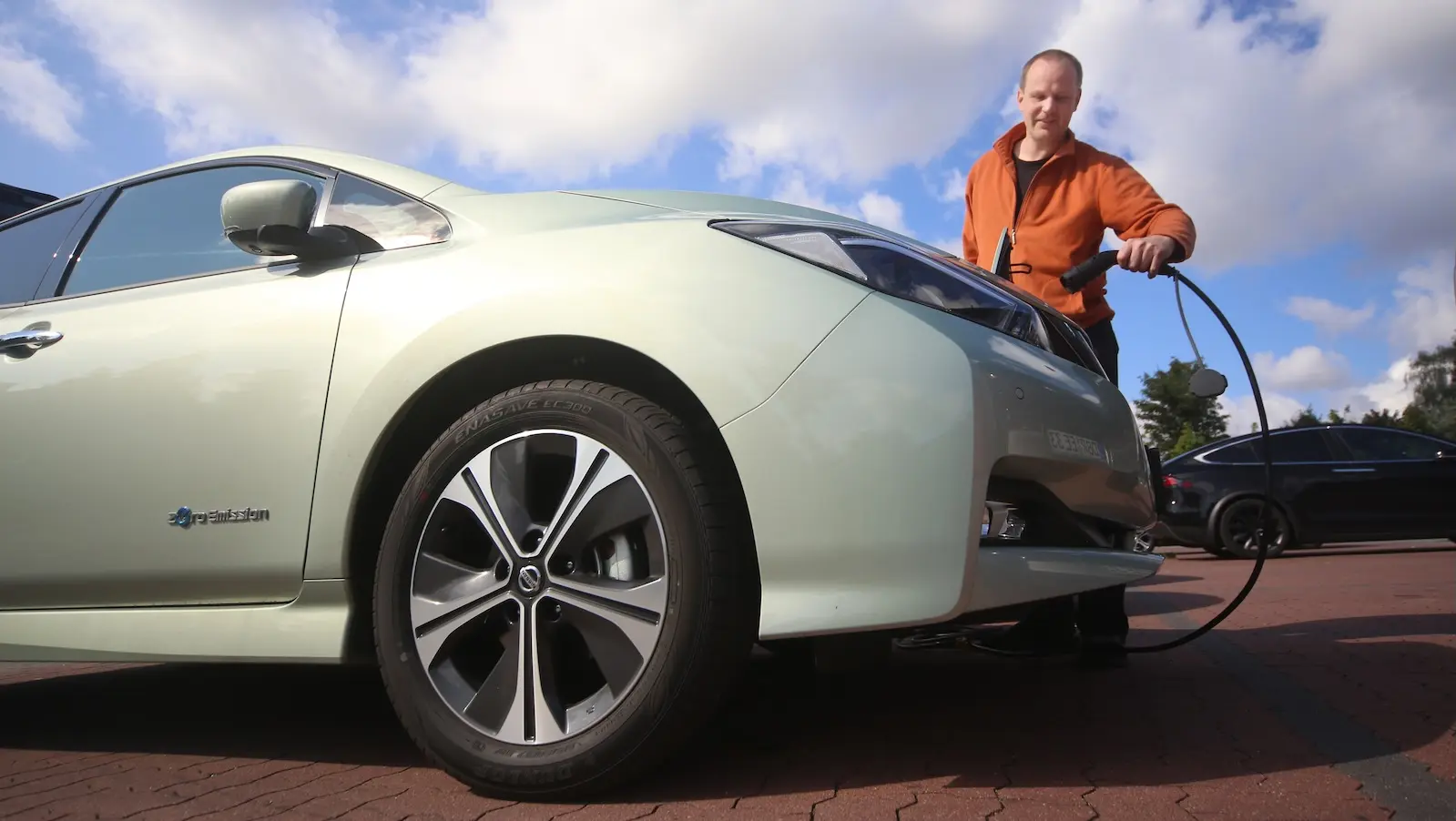
While the potential of V2G is vast, the technology is still in its infancy regarding hardware availability. Not every electric vehicle on the road today is capable of bidirectional charging. Historically, the Nissan Leaf was the primary proponent of this technology in the U.S. market, using the CHAdeMO charging standard. However, the industry is rapidly shifting toward the Combined Charging System (CCS) and the North American Charging Standard (NACS), with manufacturers like Ford, General Motors, and Hyundai beginning to integrate bidirectional capabilities into their newer models.
The Ford F-150 Lightning, for instance, has gained significant attention for its "Intelligent Backup Power" feature, which can power a home for several days during an outage. The Massachusetts pilot project aims to standardize how these various vehicles talk to the grid, ensuring that a Volkswagen, a Ford, and a Nissan can all contribute to the same Virtual Power Plant seamlessly.
"As hardware costs come down, installation becomes simpler, and standards continue to mature, we expect vehicle-to-grid to become dramatically more accessible over the next several years," stated Seth Frader-Thompson, president of EnergyHub. The maturation of these standards is critical for the "magic" of aggregation, where thousands of small discharges are synchronized into a single, massive grid resource.
Chronology of V2G Development and Future Outlook
The journey to the Massachusetts pilot has been a decade in the making. The early 2010s saw the first laboratory tests of V2G, primarily in university settings and small-scale Department of Defense projects. By the mid-2010s, "V1G" or "managed charging" became more common, where utilities could remotely pause a vehicle’s charging during peak times, but could not yet pull power back out.
The current decade marks the transition to true V2G. In 2022 and 2023, several smaller pilots were launched in California and New York, focusing primarily on electric school buses. School buses are ideal candidates for V2G because they have massive batteries and highly predictable schedules, often sitting idle during the very hours when summer grid demand is highest.
The Massachusetts initiative represents the next step: moving into the residential sector at scale. The program’s design includes sophisticated software and apps that allow drivers to maintain control. A participant can specify that they need their car fully charged by 7:00 a.m. for their commute; the system then calculates the best time to discharge power for the grid and the best time to recharge the vehicle during the "off-peak" hours of the night.
This "active managed charging" ensures that the grid is never overwhelmed by a sudden surge of vehicles plugging in at 10:00 p.m. Instead, the charging is staggered, further stabilizing the electrical load.
Analysis: A Strategic Shift in Energy Management
The launch of this pilot suggests a fundamental shift in the relationship between energy providers and consumers. For over a century, the power grid was a one-way street: utilities generated power and consumers used it. The rise of rooftop solar began to change that dynamic, and V2G is poised to complete the transformation into a truly decentralized, two-way network.
From a policy perspective, the success of the Massachusetts program could lead to new mandates or incentives at the federal level. If V2G can be proven to reduce the frequency of blackouts and lower the cost of the green energy transition, it will likely become a standard requirement for new EV models and charging infrastructure.
Ultimately, the goal is a more resilient grid. As the planet warms and extreme weather events become more frequent, the ability to tap into millions of mobile batteries could provide the "black start" capabilities and emergency reserves needed to keep the lights on during a crisis. Far from being a strain on the system, the growing fleet of electric vehicles is proving to be one of the most versatile tools in the fight for a sustainable and reliable energy future.