Methane, a colorless and odorless hydrocarbon, has emerged as one of the most significant hurdles in the global effort to stabilize the Earth’s climate. As the primary component of natural gas and a byproduct of both biological and geological processes, methane (CH4) is currently responsible for approximately one-third of the total global warming experienced since the Industrial Revolution. While carbon dioxide (CO2) remains the most abundant greenhouse gas, methane’s unique chemical properties make it a far more potent driver of short-term temperature increases. Over a 20-year period, methane is roughly 86 times more effective at trapping heat than CO2, though its atmospheric lifespan is considerably shorter, averaging about 12 years. This combination of high potency and short duration has led climate scientists and policy experts to identify methane reduction as the single fastest way to slow the rate of global warming in the coming decade.
The Scientific Profile and Measurement of Methane
Methane consists of one carbon atom bonded to four hydrogen atoms. It is formed through two primary pathways: geological and biological. Geologically, it is produced over millions of years as heat and pressure act on organic matter trapped deep underground, creating the fossil fuel deposits currently extracted by the oil and gas industry. Biologically, methane is produced through methanogenesis, a process where microorganisms known as archaea break down organic matter in oxygen-poor environments. This occurs naturally in wetlands and the digestive tracts of ruminant animals, as well as in human-managed environments like landfills and rice paddies.

The challenge of managing methane begins with the difficulty of measuring it. Historically, emissions have been calculated using "bottom-up" methods, which involve taking a localized source—such as a single cow or a specific valve at a gas plant—and multiplying its emission rate by the total number of similar sources in a region. However, recent scientific advancements have highlighted significant discrepancies in this data. "Top-down" measurement techniques, utilizing high-altitude aircraft and advanced satellite systems like MethaneSAT and GHGSat, have revealed that actual emissions are often far higher than official estimates. For instance, research has shown that methane leaks from U.S. oil and gas operations are frequently 60% higher than figures reported by the Environmental Protection Agency (EPA). These discrepancies are often attributed to "super-emitters"—specific facilities or incidents, such as massive leaks or equipment failures, that account for a disproportionate share of total emissions but are often missed by ground-based sampling.
A Chronology of Rising Atmospheric Concentrations
The trajectory of atmospheric methane reveals a stark correlation with human industrial and agricultural expansion. In the pre-industrial era, methane concentrations hovered around 722 parts per billion (ppb). By 2023, that figure had surged to a record 1,934 ppb, representing a 265% increase.
The timeline of this increase shows distinct phases:

- 1750–1900: Slow, steady growth as early industrialization and expanded livestock farming began.
- 1950–1990: Rapid acceleration driven by the global post-war economic boom, increased coal mining, and the birth of the modern natural gas industry.
- 1990–2006: A period of relative stabilization, where the growth rate of atmospheric methane slowed significantly.
- 2007–Present: A renewed and mysterious surge. Since 2007, methane levels have climbed at an accelerating pace. While the exact cause is debated, scientists point to a combination of increased fracking, expanded tropical wetlands due to climate-driven rainfall changes, and rising emissions from the waste sector in developing economies.
Major Sources of Human-Caused Emissions
Human activities are responsible for approximately 60% of annual methane emissions, with three sectors dominating the landscape: agriculture, fossil fuels, and waste management.
The Agricultural Sector
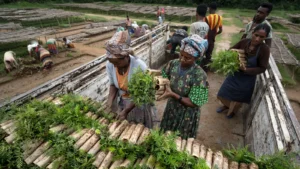
Agriculture is the largest source of anthropogenic methane, contributing roughly 40% of the total. The majority of this comes from "enteric fermentation"—the digestive process of ruminant animals like cattle and sheep. As these animals digest fibrous plants, microbes in their stomachs produce methane, which is primarily released through burping. Additionally, the flooding of rice paddies creates anaerobic conditions perfect for methane-producing archaea, contributing about 8% of human-caused emissions.
The Fossil Fuel Industry
Fossil fuel operations account for about 35% of human-caused methane. This occurs across the entire lifecycle of coal, oil, and gas. In coal mining, methane trapped in coal seams is released during extraction. In the oil and gas sector, methane is lost through intentional venting, flaring, and unintentional leaks in pipelines and processing facilities. The rise of liquefied natural gas (LNG) has introduced new risks, as the energy-intensive cooling and transport process provides numerous opportunities for "fugitive" methane to escape into the atmosphere.

Waste Management
Landfills and wastewater treatment plants contribute approximately 20% of emissions. As organic waste—such as food scraps and paper—decomposes in the oxygen-starved environments of a landfill, it produces significant volumes of biogas, which is roughly 50% methane. As global populations grow and urbanization continues, the volume of solid waste is projected to increase by 73% by 2050, threatening to drive these emissions even higher.
The "Bridge Fuel" Myth and the LNG Controversy
For decades, natural gas was promoted as a "bridge fuel" that could help transition the global energy system from carbon-heavy coal to renewable energy. The logic was based on the fact that burning natural gas produces about 50% less CO2 than burning coal for the same amount of energy. However, this narrative has been increasingly challenged by lifecycle emission studies.
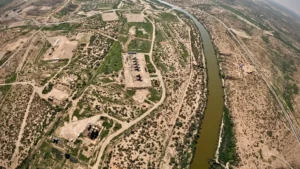
If even a small percentage of methane leaks during the extraction and transport process, the climate benefits of switching from coal to gas are negated. Recent data suggests that a leak rate of just 0.2% is enough to make natural gas as damaging as coal over a 20-year horizon. Some studies of the U.S. Permian Basin have found leak rates as high as 3% to 9%. Furthermore, the expansion of LNG infrastructure locks in fossil fuel dependency for decades, potentially displacing investment in zero-emission renewables like wind and solar rather than displacing coal.

Broader Impacts: Health and Tipping Points
Beyond its role in global heating, methane has severe implications for public health. Methane is a primary precursor to ground-level ozone, a hazardous air pollutant. Unlike the protective ozone layer in the stratosphere, ground-level ozone is a powerful oxidant that damages lung tissue and exacerbates respiratory conditions like asthma. It is estimated that methane-driven ozone is responsible for approximately 500,000 premature deaths annually and results in tens of millions of tons of crop losses each year.
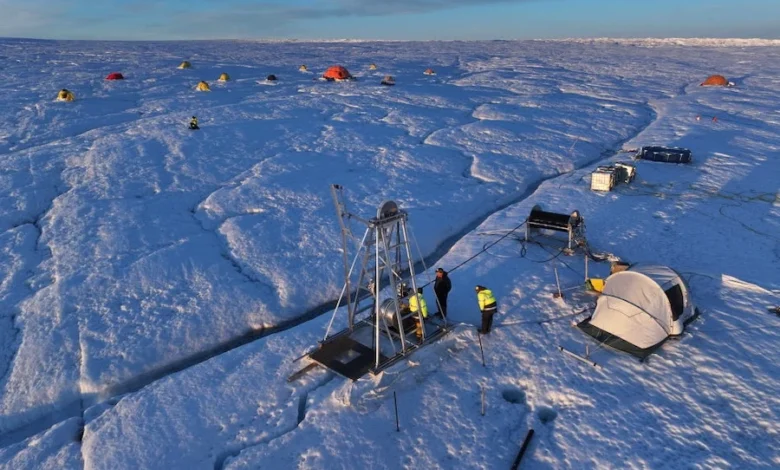
Perhaps most concerning are the "positive feedback loops" that methane can trigger. As the planet warms, natural systems that store carbon are becoming compromised. The Arctic permafrost contains vast amounts of organic matter that has been frozen for millennia. As it thaws, microbes begin to break down this matter, releasing methane and CO2. This creates more warming, which thaws more permafrost. Similarly, warming temperatures and changing rainfall patterns are causing tropical wetlands to expand and emit methane at rates far higher than historical norms. These feedback loops threaten to push the global climate past "tipping points" where warming becomes self-sustaining and irreversible.
Mitigation Strategies and Global Policy
The Intergovernmental Panel on Climate Change (IPCC) has stated that global methane emissions must be reduced by 34% by 2030 to keep the 1.5°C warming target within reach. Achieving this requires a multifaceted approach:

- Technical Fixes in Oil and Gas: The International Energy Agency (IEA) suggests that 70% of methane emissions from fossil fuel operations could be eliminated with existing technology, often at little to no net cost, through better leak detection and the phasing out of non-emergency venting.
- Agricultural Innovation: Solutions include changing livestock diets—such as adding seaweed supplements, which can reduce enteric methane by over 80%—and implementing "alternate wetting and drying" techniques in rice cultivation.
- Waste Circularity: Diverting organic waste from landfills toward composting or anaerobic digesters can prevent methane formation while creating useful soil amendments or biogas for local energy.
- The Global Methane Pledge: Launched at COP26, this international agreement now includes over 150 countries committed to a collective 30% reduction in methane emissions by 2030. While a landmark diplomatic achievement, critics note that major emitters like China and Russia have yet to fully commit to the specific targets, and global emissions have continued to rise since the pledge was signed.
Conclusion and Analysis of Implications
The fight against methane emissions represents both the greatest challenge and the greatest opportunity in modern climate policy. Because methane is short-lived, aggressive action today would result in a tangible slowing of global temperature rises within a decade—a "cooling" effect that CO2 reductions cannot achieve as quickly. However, the persistence of the "bridge fuel" narrative and the continued expansion of gas infrastructure suggest a disconnect between scientific necessity and economic reality.
Ultimately, addressing methane requires a shift in how the global community values "natural gas." It can no longer be viewed as a clean alternative, but must be treated as a volatile and potent pollutant. Success will depend on the rigorous implementation of satellite monitoring to hold "super-emitters" accountable, a rapid transition toward plant-forward diets in wealthy nations, and a decisive move away from all fossil fuel expansion. As the 2030 deadline approaches, the window of opportunity to utilize methane reduction as a climate stabilizer is closing, making the next five years critical for the survival of global climate goals.