Methane, a colorless and odorless hydrocarbon, has emerged as one of the most critical variables in the global effort to stabilize the Earth’s climate. As the primary component of natural gas, which generates approximately 25 percent of the world’s electricity, methane (CH4) is a potent greenhouse gas that ranks as the second most significant contributor to the climate crisis, trailing only carbon dioxide (CO2). Despite its relatively short lifespan in the atmosphere—lasting roughly 12 years compared to the centuries-long persistence of CO2—methane possesses a heat-trapping capability that is 86 times more powerful than carbon dioxide over a 20-year period. This potency makes methane both a severe threat and a unique opportunity; according to the Global Methane Assessment, curbing methane emissions is likely the single most effective strategy to decrease the rate of global warming over the next two decades.
The Chemical Nature and Atmospheric Rise of Methane
Methane is a simple molecule consisting of one carbon atom bonded to four hydrogen atoms. It is formed through two primary pathways: geological and biological. Geologically, methane is produced deep underground when intense heat and pressure act upon decomposing organic matter over millions of years, creating the fossil fuel reserves tapped by the oil and gas industry. Biologically, the gas is produced through methanogenesis, a process where microorganisms known as archaea break down organic material in oxygen-free environments. This occurs naturally in wetlands, the digestive tracts of termites, and the stomachs of ruminant livestock such as cows and sheep.

Since the onset of the Industrial Revolution, human activities have significantly disrupted the natural methane cycle. Data from the World Meteorological Organization (WMO) indicates that as of 2023, atmospheric methane concentrations reached a record 1,934 parts per billion (ppb), representing a 265 percent increase over pre-industrial levels. Currently, human-caused emissions account for approximately 60 percent of the methane in the atmosphere, with the remainder originating from natural sources. This surge has contributed to roughly one-third of total global heating observed to date.
Evolution of Measurement Technologies: From Ground to Space
Accurately quantifying methane emissions has historically been a challenge for climate scientists. Two primary methodologies are employed: "bottom-up" and "top-down" assessments. Bottom-up methods involve ground-level measurements or estimations based on specific activities. For example, researchers calculate emissions by multiplying the number of cattle in a region by the average methane produced per animal, or by assessing known leak rates at natural gas facilities.
However, recent advancements in "top-down" technology—utilizing airplanes, high-altitude sensors, and satellites—have revealed significant discrepancies in traditional reporting. Satellite data from organizations like GHGSat and Environmental Defense Fund’s MethaneSAT has identified "super-emitters," which are localized sources responsible for massive, often unreported, leaks. Research indicates that the largest five percent of leaks in the oil and gas industry typically contribute more than 50 percent of total leakage volume. Furthermore, a landmark study found that direct measurements of U.S. oil and gas methane emissions were 60 percent higher than the estimates provided by the Environmental Protection Agency (EPA). This data gap underscores the necessity of satellite monitoring to ensure corporate and national accountability.

Primary Drivers of Anthropogenic Methane Emissions
Human-caused methane emissions are largely concentrated in three sectors: agriculture, fossil fuels, and waste management.
The Agricultural Footprint
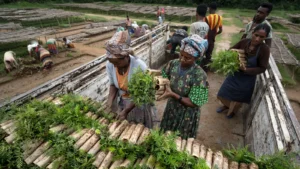
Agriculture is the largest source of anthropogenic methane, responsible for approximately 40 percent of human-caused emissions. Livestock production, particularly the raising of cattle, sheep, and goats, accounts for 32 percent of this total. Through enteric fermentation, microbes in the digestive systems of these animals produce methane as a byproduct of digestion. Additionally, the storage of manure in liquid form, common in industrial pig and dairy farms, further contributes to the atmospheric load. Rice cultivation is another significant factor, contributing eight percent of emissions. The flooded paddies required for rice growth create anaerobic conditions that are ideal for methane-producing archaea.
Fossil Fuel Extraction and Distribution
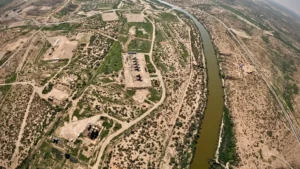
The fossil fuel sector contributes approximately 35 percent of human-caused methane. During the extraction of oil and gas, methane is often intentionally "vented" or "flared" (burned off) when it is considered a waste product. However, accidental leaks throughout the vast network of pipelines and processing facilities represent a massive source of pollution. Coal mining also plays a significant role; methane trapped in coal seams is released during the mining process or leaks from abandoned mines. Underground mines are particularly problematic, accounting for 70 percent of all coal-related methane emissions.

Waste and Landfills
Waste management systems account for roughly 20 percent of human-caused emissions. As organic waste—such as food scraps and paper—decomposes in the oxygen-starved environment of a landfill, it releases significant quantities of methane. Similarly, wastewater treatment plants produce methane during the breakdown of organic solids. Projections suggest that as global populations grow, particularly in developing nations, emissions from solid waste could rise by 13 million metric tons per year by 2030.
The Myth of Natural Gas as a Bridge Fuel
For years, the energy industry has promoted natural gas (methane) as a "bridge fuel" that could help transition the world from coal to renewables. The argument rests on the fact that burning natural gas for electricity produces about half the CO2 of coal. However, this narrative often ignores the impact of methane leakage during extraction and transport.
Scientific analysis suggests that if as little as 0.2 percent of methane leaks into the atmosphere, the climate advantage of natural gas over coal is entirely neutralized. Recent satellite data suggests leak rates in many regions far exceed this threshold. A 2023 study calculated that when lifecycle methane leaks are factored in, Liquefied Natural Gas (LNG) could have a 33 percent greater global warming potential than coal over a 20-year horizon. The expansion of LNG export infrastructure, particularly in the United States, Australia, and Canada, threatens to lock in high emission levels for decades, potentially overwhelming global efforts to meet the targets set by the Paris Agreement.

Natural Feedback Loops and Tipping Points
Climate change is currently triggering "positive feedback loops" that increase natural methane emissions, potentially leading to irreversible tipping points. The most concerning of these is the "wetland methane feedback." As global temperatures rise and rainfall patterns shift, tropical and Arctic wetlands are expanding and becoming more biologically active, releasing methane at rates that exceed even the most pessimistic scientific models.
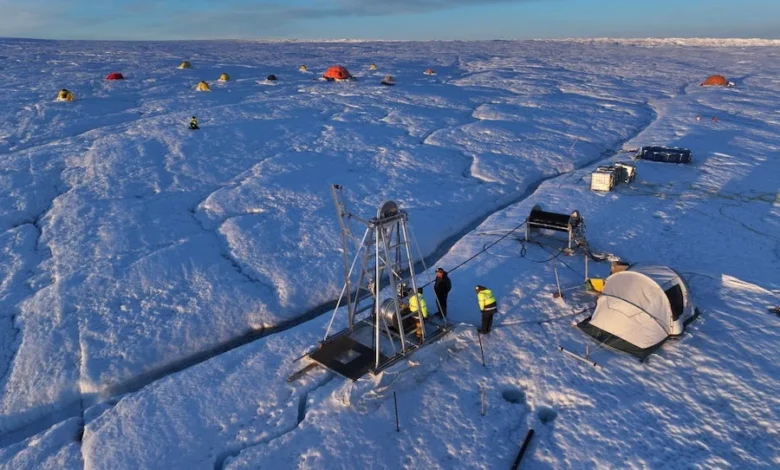
Furthermore, the thawing of the Arctic permafrost presents a catastrophic risk. The permafrost contains vast amounts of frozen organic matter; as it melts, microbes begin to decompose this material, releasing both CO2 and methane. The Arctic currently holds 2.5 times more carbon underground than is present in the entire atmosphere. If a significant portion of this is released, it would trigger a cycle of warming that human intervention might be unable to stop.
Public Health Implications: The Ozone Connection
Beyond its role in global heating, methane has a direct impact on human health. When methane enters the atmosphere, it reacts with other pollutants in the presence of sunlight to form ground-level ozone (smog). Unlike the protective ozone layer in the stratosphere, ground-level ozone is a toxic gas that damages lung tissue and exacerbates respiratory conditions like asthma. It is estimated that methane-generated ozone is responsible for approximately 500,000 premature deaths annually worldwide. Additionally, ozone is harmful to vegetation, causing the loss of 145,000 metric tons of essential crops—such as wheat, rice, and soy—every year.

Pathways to Mitigation and Policy Progress
The Intergovernmental Panel on Climate Change (IPCC) has stated that methane emissions must be reduced by 34 percent by 2030 to limit global warming to 1.5 degrees Celsius. Achieving this requires a multi-faceted approach across all sectors.
In agriculture, solutions include the use of feed additives like seaweed (Asparagopsis), which has been shown to reduce enteric methane in cattle by up to 82 percent. Improving manure management through anaerobic digesters can capture methane for use as biogas, although care must be taken to prevent leaks from these systems. In the fossil fuel sector, the International Energy Agency (IEA) estimates that 70 percent of current methane emissions could be eliminated using existing technology, such as improved leak detection and the phasing out of non-emergency venting.
On the policy front, the Global Methane Pledge, launched at COP26 in 2021, represents the most significant international commitment to date. As of early 2025, 159 nations have pledged to reduce global methane emissions by 30 percent by 2030. While the pledge has galvanized political attention, real-world emissions have yet to see a sustained decline. The IEA notes a significant "implementation gap" between government promises and industry action.

Individual and Collective Action
While systemic change is required to address the methane crisis, individual choices play a supportive role. Transitioning toward plant-based diets or reducing meat and dairy consumption directly lowers the demand for high-methane agricultural products. Reducing food waste and composting organic matter can also prevent methane generation in landfills. For homeowners, replacing gas-powered appliances with electric alternatives—such as induction stoves and heat pumps—eliminates a source of indoor pollution and methane leakage.
Ultimately, the battle against methane emissions is a race against time. Because of the gas’s high potency and short atmospheric life, aggressive reduction strategies implemented today can yield a rapid cooling effect, providing a crucial buffer as the world works to decarbonize the global economy. The success of these efforts will depend on the integration of satellite monitoring, corporate accountability, and international cooperation to close the gap between scientific necessity and political reality.