Methane is a colorless, odorless hydrocarbon that has emerged as one of the most significant challenges and opportunities in the global effort to mitigate the climate crisis. While carbon dioxide (CO2) often dominates the conversation regarding greenhouse gas emissions, methane (CH4) is the second most important contributor to global heating, responsible for approximately one-third of the warming observed since the Industrial Revolution. Composed of one carbon atom bonded to four hydrogen atoms, methane is the primary component of natural gas, a fuel source that currently generates roughly 25 percent of the world’s electricity. However, its role as an energy source is increasingly overshadowed by its potency as a climate pollutant, prompting a surge in scientific research, satellite monitoring, and international policy initiatives aimed at curbing its release into the atmosphere.
The Chemical Nature and Measurement of Methane
Methane is formed through two primary pathways: geological and biological. Geologically, it is created over millions of years as heat and pressure act upon decomposing organic matter deep underground. This process produces the natural gas reserves tapped by the fossil fuel industry. Biologically, methane is produced via methanogenesis, a process where specialized microorganisms known as archaea break down organic material in oxygen-free environments. This occurs naturally in wetlands and the digestive tracts of ruminants, such as cows and sheep, as well as in human-managed environments like landfills and wastewater treatment plants.

Quantifying methane emissions has historically been a challenge for climate scientists. Currently, two primary methodologies are utilized: bottom-up and top-down. Bottom-up assessments rely on localized ground-level data, often calculating emissions based on the number of cattle in a region or the standard leak rates of specific oil and gas equipment. Conversely, top-down approaches utilize aerial surveys, high-altitude platforms, and sophisticated satellite technology to measure atmospheric concentrations directly.
Recent advancements in satellite monitoring have revealed a significant discrepancy between these two methods. Direct atmospheric measurements frequently show that actual methane emissions are far higher than official estimates. For instance, studies have indicated that methane leakage from U.S. oil and gas operations may be 60% higher than figures reported by the Environmental Protection Agency (EPA). This "implementation gap" is often attributed to "super-emitters"—facilities or incidents where massive amounts of gas are vented or leaked due to equipment failure or poor management, which are rarely captured in standardized bottom-up calculations.
Atmospheric Potency and the Climate Crisis
The critical nature of methane in climate policy stems from its unique physical properties. Although methane persists in the atmosphere for a relatively short duration—approximately 12 years, compared to the centuries that CO2 remains—it is far more effective at trapping heat. Over a 20-year horizon, methane is 86 times more potent than carbon dioxide on a per-mass basis. Over 100 years, its warming potential remains 28 times higher than that of CO2.

This combination of high potency and short lifespan makes methane the "low-hanging fruit" of climate action. Reducing methane emissions offers an immediate cooling effect that can help stabilize global temperatures and prevent the crossing of irreversible climate tipping points. The Global Methane Assessment suggests that curbing these emissions is the single most effective strategy for decreasing the rate of warming over the next two decades. According to the Intergovernmental Panel on Climate Change (IPCC), global methane emissions must be reduced by 34 percent by 2030, relative to 2019 levels, to keep the goal of limiting warming to 1.5 degrees Celsius within reach.
As of 2023, atmospheric methane concentrations reached a record 1,934 parts per billion (ppb), a 265 percent increase over pre-industrial levels. Human activities are responsible for roughly 60 percent of these emissions, with the remainder originating from natural sources that are increasingly being destabilized by rising global temperatures.
Primary Anthropogenic Sources: Agriculture, Energy, and Waste
The vast majority of human-caused methane emissions—over 90 percent—originate from three sectors: agriculture, fossil fuels, and waste management.

Agriculture and Livestock
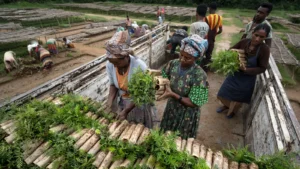
Agriculture is the largest source of anthropogenic methane, accounting for approximately 40 percent of emissions. Livestock production is the primary driver, specifically through enteric fermentation—the digestive process of ruminant animals. Cattle, sheep, and goats produce methane as a byproduct of microbial fermentation in their guts, which is then released primarily through burping. Manure management, particularly in intensive pig and dairy farming where waste is stored in liquid lagoons, further contributes to the sector’s footprint. Additionally, rice cultivation accounts for 8 percent of human-caused methane, as flooded paddies provide the anaerobic conditions ideal for methane-producing archaea.
Fossil Fuel Infrastructure
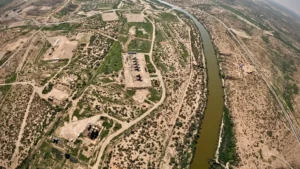
The energy sector is responsible for 35 percent of human-caused methane emissions. In oil and gas operations, methane is released through intentional venting, flaring (burning off excess gas), and accidental leaks throughout the supply chain. Coal mining is also a significant contributor; methane trapped in coal seams is released during extraction or through ventilation systems designed to protect miners from explosions. Satellite data in 2022 identified over 1,000 "super-emitter" events, including a massive leak in Turkmenistan that released methane at a rate equivalent to the entire hourly emissions of France.
Waste Management
Landfills and wastewater treatment systems contribute approximately 20 percent of anthropogenic methane. As organic waste—such as food scraps and paper—decomposes in the oxygen-poor environment of a landfill, microbes release methane. With global solid waste production expected to rise by 73 percent by 2050, emissions from this sector are projected to grow faster than any other human-caused source unless significant interventions are made.

The "Bridge Fuel" Controversy and LNG Expansion
For years, natural gas was promoted as a "bridge fuel" that would facilitate the transition from coal to renewable energy. Proponents argued that burning natural gas produces roughly half the CO2 of coal per unit of energy. However, recent scientific analysis has largely debunked this narrative.
The climate benefit of natural gas evaporates if even a small percentage of methane leaks during extraction and transport. Research indicates that a leak rate of just 0.2 percent makes natural gas as damaging to the climate as coal. When considering the full lifecycle of Liquefied Natural Gas (LNG)—which involves energy-intensive liquefaction, shipping, and regasification—studies have found it can have a 33% greater global warming potential than coal over a 20-year period. Despite this, the U.S. has become the world’s leading LNG exporter, with plans to double export capacity in the coming years. Environmental advocates, including figures like Bill McKibben, warn that this massive infrastructure build-out could lock in decades of emissions and overwhelm global efforts to limit warming.
Natural Feedback Loops and the "Methane Bomb"
One of the most alarming aspects of methane is its involvement in positive feedback loops. As the planet warms, natural systems that store methane are beginning to release it, further accelerating the warming process.

- Wetland Expansion: Rising temperatures and shifting rainfall patterns have led to "exceptional growth" in methane emissions from tropical and Arctic wetlands.
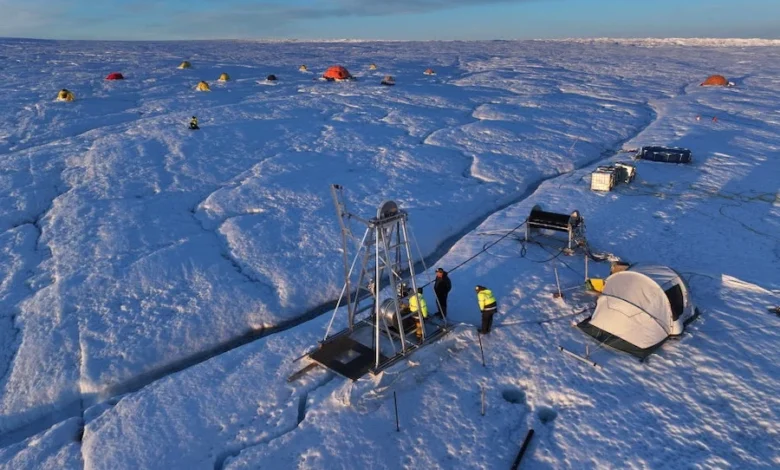
- Permafrost Thaw: The Arctic permafrost contains roughly 2.5 times more carbon than is currently in the atmosphere. As this frozen ground thaws, it releases methane and CO2. Arctic methane emissions have already increased by 9 percent since 2002.
- Wildfires: Increased wildfire activity releases significant amounts of methane. In 2020, California’s wildfires contributed nearly 14 percent of the state’s total methane emissions for that year.
- Oceanic Hydrates: Methane is stored in ice-like structures called hydrates on the seafloor. While there is currently no evidence of large-scale atmospheric release from these deposits, scientists fear that continued ocean warming could eventually trigger a massive release.
Public Health and Economic Implications
Methane’s impact extends beyond climate change; it is a precursor to ground-level ozone (smog). When methane reacts with other pollutants in the presence of sunlight, it forms ozone, which is toxic to humans and vegetation. Ground-level ozone is responsible for approximately 500,000 premature deaths annually due to respiratory and cardiovascular diseases. Furthermore, ozone reduces crop yields, causing the loss of millions of tons of wheat, soy, and rice every year. Experts estimate that for every million metric tons of methane reduced, 1,430 deaths and 4,000 asthma-related emergency room visits could be prevented.
Global Policy and the Path Forward
The international community has begun to recognize the urgency of the methane challenge. At the COP26 summit in 2021, the United States and the European Union launched the Global Methane Pledge. As of early 2025, 159 countries have committed to a collective goal of reducing global methane emissions by 30 percent from 2020 levels by 2030.
However, progress remains slow. Methane concentrations reached record highs in 2023, and many nations have yet to implement the rigorous policies needed to meet their pledges. Analysts note that while the technology exists to reduce oil and gas methane emissions by 70 percent—often at little to no net cost—the industry has been slow to adopt these measures.

Mitigation Strategies
To reach climate targets, a multi-faceted approach is required:
- Energy: Phasing out fossil fuels, implementing mandatory leak detection and repair (LDAR), and capping abandoned wells.
- Agriculture: Shifting toward plant-based diets, utilizing seaweed-based feed supplements to reduce enteric fermentation, and adopting "alternative wetting and drying" techniques in rice cultivation.
- Waste: Implementing universal composting to keep organic matter out of landfills and upgrading wastewater facilities to capture biogas.
- Direct Removal: Emerging technologies, such as using tree bark to absorb methane or geoengineering methods like atmospheric iron salt dispersion, are being explored but remain in the experimental stages.
Ultimately, the trajectory of the climate crisis in the coming decades will depend heavily on the world’s ability to manage this invisible gas. While individual actions like reducing food waste and transitioning to electric home appliances are valuable, systemic changes in global energy and food production remain the primary levers for preventing a methane-driven climate catastrophe.