Old master drawings modern and contemporary art – Old Master Drawings: Modern & Contemporary Art – a captivating exploration of how the legacy of Renaissance masters continues to influence art today. This journey delves into the evolution of drawing as an art form, examining the techniques, themes, and inspirations that connect the works of Old Masters with the bold creations of modern and contemporary artists.
From the delicate lines of Michelangelo to the expressive strokes of contemporary masters, we’ll uncover the shared language of drawing that transcends time and style. We’ll investigate how artists throughout history have utilized this powerful medium to capture the human form, explore landscapes, and delve into the complexities of the human condition.
This exploration will illuminate the enduring power of drawing as a fundamental art form, one that continues to inspire and challenge artists across generations.
Historical Context
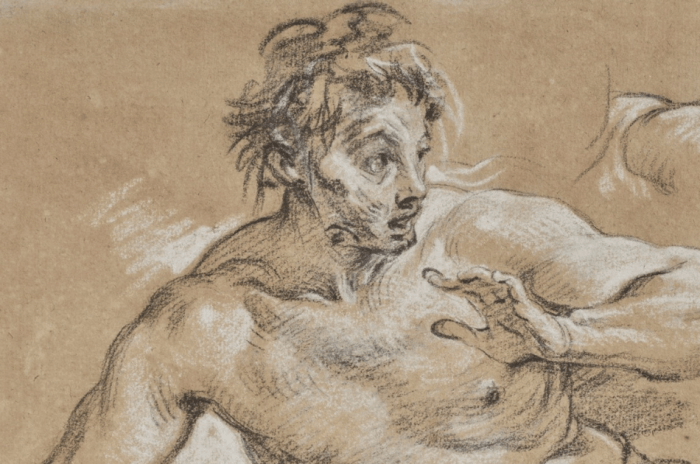
Drawing, a fundamental artistic practice, has evolved significantly from its origins in the Renaissance to the present day. Its evolution reflects the changing cultural, technological, and artistic landscapes. Old Master drawings, produced during the Renaissance and Baroque periods, played a crucial role in shaping artistic traditions, serving as preparatory sketches, studies, and independent works of art.
The Evolution of Drawing
Drawing has always been an essential tool for artists, allowing them to explore ideas, experiment with compositions, and develop their skills. During the Renaissance, drawing emerged as an independent art form, with artists like Leonardo da Vinci, Michelangelo, and Raphael creating masterful drawings that showcased their technical virtuosity and artistic vision.
These drawings, often executed in pen and ink, charcoal, or chalk, served as studies for larger paintings and sculptures.
- The Renaissance (14th-16th centuries):The Renaissance saw a renewed interest in classical art and anatomy, leading to a focus on precise representation and detailed observation in drawing. Artists like Leonardo da Vinci and Michelangelo employed drawing as a means to understand the human form and explore complex compositions.
Their drawings, often executed in pen and ink, charcoal, or chalk, served as studies for larger paintings and sculptures.
- The Baroque Period (17th-18th centuries):During the Baroque period, drawing continued to be an essential part of artistic practice, with artists like Rembrandt, Rubens, and Bernini using it to explore dramatic compositions, emotive expressions, and intricate details. The use of chiaroscuro (the use of light and dark) became increasingly prominent in Baroque drawings, creating a sense of depth and drama.
- The 19th Century:The 19th century saw a shift towards a more Romantic and expressive approach to drawing, with artists like William Blake, Eugène Delacroix, and Francisco Goya exploring themes of imagination, emotion, and social commentary. The invention of lithography in the early 19th century also allowed for the mass production of drawings, making them accessible to a wider audience.
There’s something captivating about the way old master drawings connect to modern and contemporary art – a thread of lineage that transcends centuries. It’s like studying the evolution of a language, seeing how techniques and ideas have been passed down and reinterpreted.
Similarly, the resilience of CD Projekt Red, a studio that faced significant challenges after the launch of Cyberpunk 2077, is a testament to their ability to adapt and learn from their mistakes. How CD Projekt Red survived is a story of innovation and perseverance, much like the journey of art through the ages.
It’s a reminder that even in the face of adversity, creativity and dedication can lead to a resurgence, just as a modern artist might draw inspiration from a masterwork of the past.
- The 20th Century:The 20th century witnessed a radical transformation in drawing, with artists like Pablo Picasso, Henri Matisse, and Georges Braque experimenting with abstract forms, geometric shapes, and unconventional materials. Drawing became a means to explore the subconscious, express personal emotions, and challenge traditional artistic conventions.
- The 21st Century:In the 21st century, drawing continues to evolve, with artists incorporating digital tools, mixed media, and innovative techniques. The lines between traditional and contemporary drawing are increasingly blurred, as artists explore the boundaries of the medium and experiment with new ways of creating and experiencing art.
The Significance of Old Master Drawings
Old Master drawings are not merely preparatory sketches; they are often considered independent works of art. They offer a unique glimpse into the creative process of these renowned artists, revealing their artistic intentions, technical mastery, and aesthetic sensibilities.
The delicate lines of an Old Master drawing can transport you to another time, just like a perfectly chilled glass of wine on a New Year’s Eve. Creating a beautiful wine bar for your guests, with a DIY ice bucket like this one , can be a modern and contemporary art form in itself.
The combination of classic and contemporary, the careful curation of details, and the focus on creating a special experience, are all elements that bridge the gap between art and life.
- Preparatory Studies:Old Master drawings often served as preparatory studies for larger paintings and sculptures. These drawings allowed artists to refine their compositions, explore different perspectives, and experiment with various techniques before committing to the final work.
- Independent Works of Art:Many Old Master drawings were created as independent works of art, showcasing the artist’s skill, creativity, and artistic vision. These drawings often explored themes of anatomy, perspective, composition, and the human condition.
- Artistic Tradition:Old Master drawings have had a profound influence on subsequent generations of artists. They have served as models of technical excellence, aesthetic beauty, and artistic expression, shaping the development of drawing as an art form.
Techniques and Materials
Old Masters employed a range of techniques and materials, often depending on the purpose and intended effect of the drawing.
- Pen and Ink:Pen and ink was a popular medium for Old Masters, allowing for precise lines, detailed hatching, and a wide range of tonal variations.
- Charcoal:Charcoal was another commonly used medium, known for its ability to create rich blacks, soft gradations, and expressive strokes.
- Chalk:Chalk, available in various colors, was used for its ability to create delicate lines, subtle shading, and vibrant colors.
- Silverpoint:Silverpoint, a technique that involves using a silver stylus on prepared paper, was known for its fine lines and subtle tonal variations.
- Modern and Contemporary Techniques:Modern and contemporary artists have expanded the range of techniques and materials used in drawing. The introduction of new materials like acrylics, pastels, and digital tools has allowed for greater experimentation and creative expression.
- Abstract Expressionism:Abstract Expressionist artists like Jackson Pollock and Willem de Kooning used drawing as a means to explore the subconscious and express raw emotions. Their drawings often featured spontaneous lines, gestural marks, and bold colors.
- Minimalism:Minimalist artists like Agnes Martin and Sol LeWitt emphasized simplicity, geometric forms, and precise lines in their drawings. They sought to reduce art to its essential elements, creating a sense of clarity and order.
- Conceptual Art:Conceptual artists like Sol LeWitt and Robert Smithson challenged traditional notions of drawing, using it as a means to explore ideas, concepts, and systems. Their drawings often involved complex instructions, diagrams, and text-based elements.
Influences and Inspirations
The legacy of Old Master drawings has exerted a profound influence on modern and contemporary art, shaping artistic approaches, inspiring new techniques, and providing a rich source of visual and conceptual inspiration. Contemporary artists, in turn, engage with this legacy in diverse ways, reinterpreting, referencing, and even challenging the traditions established by their predecessors.
Influence on Artistic Techniques
Old Master drawings, with their mastery of line, form, and composition, have been a constant source of inspiration for artists across the centuries. The meticulous attention to detail, the exploration of light and shadow, and the ability to capture a sense of movement and emotion in a single stroke, continue to be admired and emulated by modern and contemporary artists.
- Michelangelo’s anatomical studies, for example, provided a foundation for understanding the human form that has influenced generations of artists, including modern sculptors like Henry Moore, who drew inspiration from Michelangelo’s anatomical sketches to create his own abstract forms.
- The delicate linework of Leonardo da Vinci’s drawings, such as the Mona Lisa, continues to inspire contemporary artists who utilize the power of line to convey emotion and complexity in their work. Artists like Agnes Martin, known for her minimalist paintings, demonstrate the enduring influence of da Vinci’s masterful use of line.
Reinterpretations and References
Contemporary artists frequently reference or reinterpret Old Master drawings, drawing upon their visual language to create new meanings and interpretations. These reinterpretations often challenge traditional notions of beauty, representation, and the role of the artist.
- Cindy Sherman, in her photographic self-portraits, often references Old Master paintings and drawings, placing herself within the historical framework of art history while simultaneously subverting its traditional themes and conventions.
- David Salle, known for his eclectic and layered compositions, draws inspiration from Old Master drawings, incorporating elements of their composition and style into his own work, often juxtaposing them with images from popular culture.
Contemporary Artists Engaging with Old Master Drawings, Old master drawings modern and contemporary art
Contemporary artists engage with the legacy of Old Master drawings in a variety of ways, often exploring themes of history, identity, and the nature of artistic creation itself. Some artists use traditional techniques and materials to pay homage to the past, while others employ modern technologies and media to reinterpret and reimagine the legacy of Old Master drawings.
- Glenn Brown, for instance, creates large-scale paintings that often reference or reinterpret Old Master paintings and drawings, using a combination of traditional techniques and modern technology to create his own unique visual language.
- Kara Walker, known for her intricate silhouette drawings that address themes of race and slavery, draws inspiration from the historical context of Old Master drawings, using the medium to explore complex social issues.
Artistic Techniques and Styles
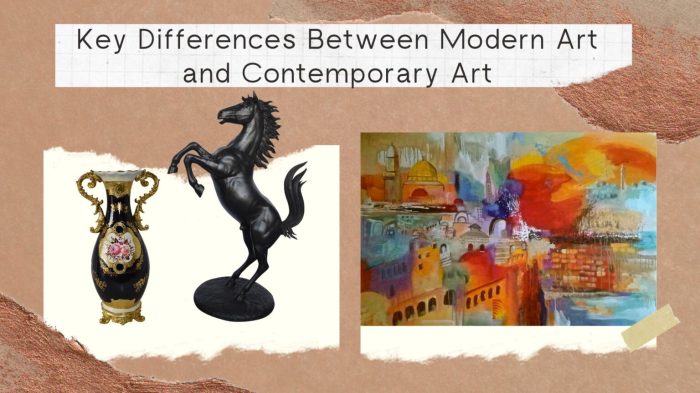
The art of drawing has evolved significantly over time, with each era exhibiting distinct techniques and styles. While Old Masters relied on traditional methods, modern and contemporary artists embraced innovative approaches, often challenging the boundaries of traditional drawing. This section explores the evolution of drawing techniques and styles, highlighting the key differences between historical and contemporary practices.
I recently got lost in the delicate strokes of a 17th-century Dutch master drawing, the precision and beauty of the lines resonating with the bold, conceptual approach of contemporary art. It’s fascinating how these seemingly disparate worlds can speak to each other, much like the recent news of Village Farms International acquiring the remaining equity ownership interest in Leli Holland , a move that could reshape the future of agriculture and bring fresh, sustainable practices to the forefront.
Just as the old masters influenced modern artists, this acquisition could influence the direction of the food industry, and perhaps even inspire a new wave of artistic expression.
Drawing Techniques and Styles
The drawing techniques and styles employed by Old Masters and modern and contemporary artists differ significantly, reflecting the artistic sensibilities and technological advancements of their respective eras. Old Masters, renowned for their meticulous craftsmanship and realistic depictions, often employed techniques like hatching, cross-hatching, and stippling to create subtle gradations of light and shadow.
They also utilized a range of drawing tools, including silverpoint, charcoal, and ink, to achieve different effects.Modern and contemporary artists, on the other hand, have experimented with a wider range of drawing techniques and styles, embracing abstraction, non-representational art, and conceptual approaches.
They have explored innovative mediums like collage, mixed media, and digital art, pushing the boundaries of traditional drawing practices.
- Old Masters: Old Masters emphasized realism and anatomical accuracy, often employing techniques like hatching, cross-hatching, and stippling to create subtle gradations of light and shadow. They used tools like silverpoint, charcoal, and ink to achieve different effects. Their drawings were often preparatory sketches for larger paintings or sculptures, or independent works of art.
Examples include Leonardo da Vinci’s “Studies of a Horse” and Michelangelo’s “Studies for the Libyan Sibyl.”
- Modern and Contemporary Artists: Modern and contemporary artists explored a wider range of techniques and styles, including abstraction, non-representational art, and conceptual approaches. They utilized innovative mediums like collage, mixed media, and digital art, pushing the boundaries of traditional drawing practices. Their drawings are often conceptual explorations, personal expressions, or social commentaries.
Examples include Pablo Picasso’s “Guernica” and Käthe Kollwitz’s “The Weavers.”
Themes and Subject Matter
The enduring appeal of drawing lies in its ability to explore a wide range of themes and subject matter, reflecting the human condition and the world around us. From the meticulous observations of Old Masters to the experimental explorations of modern and contemporary artists, drawing has served as a powerful medium for expressing ideas, emotions, and social commentary.
Human Form
The human form has been a central subject of artistic exploration throughout history. Old Masters, like Michelangelo and Leonardo da Vinci, meticulously studied anatomy and proportion, resulting in drawings that captured the beauty and complexity of the human body. Their drawings often depicted idealized figures, reflecting classical ideals of beauty and perfection.
- Michelangelo’s anatomical studies of the human body are renowned for their precision and depth. His drawings reveal his deep understanding of the muscles, bones, and tendons, showcasing his commitment to anatomical accuracy.
- Leonardo da Vinci’s famous drawing, “Vitruvian Man,” exemplifies the Renaissance fascination with human proportion and the ideal human form. The drawing depicts a man inscribed within a circle and square, illustrating the mathematical principles underlying human anatomy.
Modern and contemporary artists, on the other hand, have often challenged traditional representations of the human form. Artists like Egon Schiele and Francis Bacon explored the psychological and emotional dimensions of the body, capturing its vulnerability and fragility.
- Egon Schiele’s drawings are known for their elongated figures and expressive lines, which convey a sense of anxiety and introspection.
- Francis Bacon’s distorted and fragmented figures in his drawings reflect his fascination with the human psyche and the raw power of emotions.
The Legacy of Drawing: Old Master Drawings Modern And Contemporary Art
Drawing, the most fundamental of artistic practices, has endured throughout history, remaining a vital and expressive art form in the modern and contemporary era. Its enduring significance lies in its directness, immediacy, and ability to capture the essence of form, space, and emotion.
Drawing has always been a powerful tool for artists to explore ideas, experiment with compositions, and develop their artistic vision.
Contemporary Explorations of Drawing
Contemporary artists continue to push the boundaries of drawing, embracing diverse materials, techniques, and conceptual approaches. The traditional mediums of pencil, charcoal, and ink have been joined by a wide range of contemporary materials, including digital tools, found objects, and even light and sound.
- Digital Drawing: Artists like David Shrigley and KAWS have harnessed the power of digital technology to create unique and expressive drawings. Shrigley’s minimalist line drawings, often characterized by dark humor and social commentary, have gained immense popularity. KAWS, known for his iconic cartoon characters, uses digital tools to create complex and intricate drawings that blur the lines between fine art and popular culture.
- Installation and Performance: Contemporary artists like Sol LeWitt and Kiki Smith have utilized drawing as a means to create immersive and participatory experiences. LeWitt’s wall drawings, often executed by assistants following his precise instructions, transform architectural spaces into vast, ephemeral artworks. Smith’s intricate drawings, often depicting anatomical and biological themes, are often incorporated into installations that challenge traditional notions of drawing and the body.
- Conceptual Drawing: Artists like Cindy Sherman and Louise Bourgeois have employed drawing as a means to explore complex themes of identity, memory, and the human condition. Sherman’s self-portraits, often drawn with charcoal or pastels, are highly expressive and confrontational, challenging viewers to confront their own perceptions of beauty and identity.
Bourgeois’s drawings, frequently characterized by fragmented and visceral imagery, delve into themes of childhood, sexuality, and the subconscious mind.
The Influence of Old Master Drawings
The study of Old Master drawings offers a rich and invaluable resource for understanding the artistic practices of past generations. By examining the sketches, studies, and finished drawings of masters like Michelangelo, Leonardo da Vinci, and Rembrandt, contemporary artists can gain insights into the creative processes, techniques, and artistic principles that have shaped the history of art.
- Understanding Artistic Process: Old Master drawings reveal the artist’s thought process, their experimentation with form and composition, and their meticulous attention to detail. Examining these drawings provides a glimpse into the creative journey of these masters, offering valuable lessons for contemporary artists seeking to refine their own artistic practice.
- Mastering Technique: Studying the technical virtuosity of Old Master drawings allows artists to learn from the mastery of these great artists. The precise use of line, the subtle variations in shading, and the expressive use of materials are all evident in these drawings, providing a wealth of knowledge for contemporary artists to emulate and adapt.
- Inspiration and Innovation: The artistic innovations and stylistic innovations of Old Master drawings continue to inspire contemporary artists. The exploration of light and shadow in the drawings of Caravaggio, the expressive use of line in the works of Michelangelo, and the subtle nuances of color in the drawings of Raphael all continue to resonate with artists today, providing a source of inspiration and a foundation for new artistic discoveries.