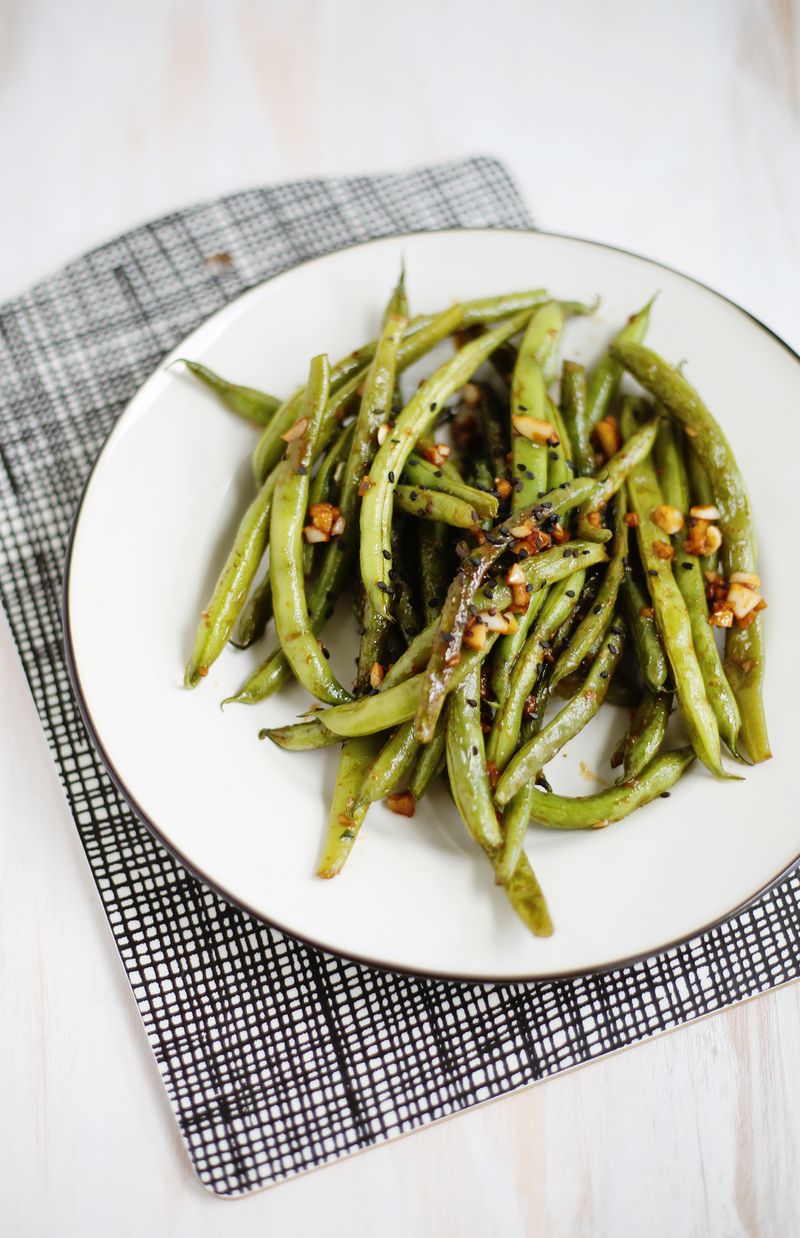

Garlic Miso Green Beans: A Umami-Rich Side Dish Revolution
Garlic miso green beans are a culinary marvel, transforming humble green beans into an explosion of savory, umami-rich flavor. This dish elevates a common vegetable with the synergistic power of pungent garlic and fermented miso paste, creating a side that is both incredibly satisfying and surprisingly simple to prepare. The inherent earthiness of green beans provides a perfect canvas for the bold notes of garlic and the complex, salty-sweet depth of miso. Beyond their delectable taste, this preparation offers a nutritional boost, combining the allicin in garlic with the probiotics and minerals found in miso. This article will delve into the intricacies of this popular dish, exploring its origins, flavor profile, nutritional benefits, and offering a comprehensive guide to preparation, variations, and perfect pairings.
The foundation of this dish lies in the humble green bean, also known as string beans or snap beans. These vibrant pods are a member of the Phaseolus vulgaris species and are prized for their crisp texture and mild, slightly sweet flavor. When cooked, they retain a satisfying bite, offering a pleasant contrast to softer ingredients. Their nutritional profile is impressive, being a good source of vitamins A, C, and K, as well as dietary fiber and folate. However, in their raw or simply steamed state, green beans can be perceived as somewhat bland, necessitating flavorful additions to unlock their full potential. This is precisely where the magic of garlic and miso enters the picture.
Garlic (Allium sativum) is a fundamental aromatic in cuisines worldwide, celebrated for its sharp, pungent flavor that mellows and sweetens when cooked. Its active compound, allicin, is responsible for both its distinctive aroma and a significant portion of its health-promoting properties, including potential immune-boosting and cardiovascular benefits. In garlic miso green beans, garlic is typically minced or thinly sliced and sautéed to release its fragrant oils, imbuing the dish with a savory depth that complements the sweetness of the beans. The intensity of the garlic can be adjusted to personal preference, from a subtle whisper to a robust, assertive presence.
Miso paste, the unsung hero of this dish, is a traditional Japanese seasoning produced by fermenting soybeans with salt and koji (a type of mold, Aspergillus oryzae). This fermentation process results in a complex flavor profile that is simultaneously salty, savory, sweet, and earthy, often described as umami. There are several varieties of miso, each offering a distinct nuance: white miso (shiro miso) is the mildest and slightly sweet, red miso (aka miso) is more robust and pungent, and yellow miso (shinshu miso) falls somewhere in between. For garlic miso green beans, white or yellow miso are generally preferred as they provide a harmonious balance without overpowering the other ingredients. The probiotics present in unpasteurized miso also contribute to gut health, making this dish a flavorful and potentially beneficial addition to one’s diet.
The synergy between garlic and miso is particularly potent. The pungent, slightly spicy notes of garlic find a perfect counterpoint in the rich, fermented depth of miso. Together, they create an umami bomb that coats the green beans, transforming them from a simple vegetable into a craveable delicacy. The cooking method further enhances this fusion. Often, the green beans are blanched or steamed to achieve the desired tender-crisp texture, then quickly sautéed with garlic and finished with a whisked mixture of miso paste, often thinned with water or a touch of oil, to ensure even distribution and a glossy coating.
The nutritional advantages of this dish are substantial. Green beans contribute essential vitamins and fiber. Garlic, with its allicin content, is renowned for its potential antioxidant and anti-inflammatory properties. Miso paste, a fermented food, is a valuable source of probiotics, which support a healthy gut microbiome. Depending on the type of miso used, it also provides minerals like manganese, copper, and zinc. When prepared with minimal added fat, garlic miso green beans can be a low-calorie, nutrient-dense side dish that enhances the overall healthfulness of a meal.
Preparing garlic miso green beans is a straightforward process that yields impressive results. The key is to achieve the perfect texture for the green beans, which should be tender but still possess a slight crunch. Overcooked, mushy green beans will detract from the overall appeal of the dish.
Ingredients for Classic Garlic Miso Green Beans:
- 1 pound fresh green beans, trimmed
- 2-3 cloves garlic, minced
- 1-2 tablespoons neutral cooking oil (such as vegetable, canola, or avocado oil)
- 1-2 tablespoons white or yellow miso paste
- 1-2 tablespoons water or vegetable broth
- Optional: Pinch of red pepper flakes for a hint of heat
- Optional: Toasted sesame seeds for garnish
Instructions:
- Prepare the Green Beans: Wash the green beans thoroughly and trim off the ends.
- Blanch the Green Beans: Bring a large pot of salted water to a boil. Add the trimmed green beans and cook for 3-5 minutes, or until they are bright green and tender-crisp. Do not overcook. Immediately drain the green beans and plunge them into an ice bath (a bowl filled with ice and water) to stop the cooking process and preserve their vibrant color. Drain thoroughly. Alternatively, you can steam the green beans until tender-crisp.
- Prepare the Miso Sauce: In a small bowl, whisk together the miso paste and water or vegetable broth until smooth. This thinning step is crucial for ensuring the miso coats the beans evenly without clumping.
- Sauté the Garlic: Heat the neutral cooking oil in a large skillet or wok over medium heat. Add the minced garlic and sauté for about 30 seconds to 1 minute, until fragrant. Be careful not to burn the garlic, as it will turn bitter. If using red pepper flakes, add them now.
- Combine and Coat: Add the blanched and drained green beans to the skillet with the garlic. Toss to coat the beans in the garlic-infused oil.
- Add the Miso Sauce: Pour the thinned miso sauce over the green beans. Toss continuously for 1-2 minutes, allowing the sauce to thicken slightly and coat each bean evenly. The heat will further develop the miso’s flavor.
- Serve: Remove from heat and serve immediately. Garnish with toasted sesame seeds, if desired.
Variations and Enhancements:
The beauty of garlic miso green beans lies in their adaptability. Here are several ways to customize the recipe to your taste and pantry:
- Miso Variety: Experiment with different types of miso. Red miso will offer a stronger, more pungent flavor, while barley miso will introduce a nutty undertone.
- Aromatics: Beyond garlic, consider adding finely minced ginger for a zesty kick, or thinly sliced shallots for a milder onion flavor.
- Sweetness: A touch of honey, maple syrup, or a sprinkle of brown sugar can balance the saltiness of the miso, especially if you’re using a red miso.
- Acidity: A squeeze of fresh lemon or lime juice at the end can brighten the flavors and cut through the richness.
- Umami Boost: A dash of soy sauce or tamari can deepen the umami profile, though be mindful of the added salt.
- Crunch Factor: In addition to sesame seeds, consider adding toasted slivered almonds, chopped peanuts, or crispy fried shallots for textural contrast.
- Vegetable Combinations: This flavor profile pairs exceptionally well with other vegetables. Try adding snap peas, broccoli florets, or thinly sliced carrots to the blanching stage.
- Spicy Kick: For those who enjoy heat, incorporate sriracha, chili garlic sauce, or finely chopped fresh chilies into the miso sauce.
- Citrus Zest: Lemon or orange zest, added at the end, can provide a fragrant and zesty lift.
SEO Considerations and Keywords:
To ensure this article ranks well in search engine results, incorporating relevant keywords is essential. Primary keywords include "garlic miso green beans," "miso green beans recipe," and "umami green beans." Secondary keywords and phrases to consider are: "easy green bean recipe," "healthy side dish," "vegetable side dish," "fermented foods," "probiotic recipes," "quick side dish," "flavorful green beans," "garlic recipes," "miso paste recipes," "Japanese inspired side dish," "vegetarian side dish," and "vegan green beans" (if no animal products are used). Long-tail keywords could include "how to make garlic miso green beans with white miso" or "best side dish for salmon with miso."
Culinary Pairings:
Garlic miso green beans are an incredibly versatile side dish, complementing a wide array of main courses. Their robust flavor makes them an excellent foil for richer, more savory dishes.
- Seafood: The umami notes pair beautifully with grilled or pan-seared salmon, cod, sea bass, or shrimp. The saltiness of the miso can enhance the natural sweetness of the fish.
- Poultry: Roasted chicken, grilled chicken breasts, or even duck breast benefit from the savory depth of this green bean preparation.
- Red Meat: While less common, they can also accompany grilled steak or pork chops, offering a lighter counterpoint to the richness of the meat.
- Tofu and Tempeh: For vegetarian and vegan meals, garlic miso green beans are a natural fit alongside pan-fried tofu, tempeh stir-fries, or grilled vegetable skewers.
- Rice and Noodle Dishes: They can be a flavorful addition to fried rice, noodle bowls, or as a side for ramen.
- Other Asian-Inspired Meals: This dish naturally complements dishes like teriyaki chicken, stir-fries, and other Asian-inspired cuisine.
Beyond the Plate: The Health and Cultural Significance
The inclusion of miso paste in this dish connects it to a rich culinary tradition. Miso has been a staple in Japanese cuisine for centuries, valued not only for its flavor but also for its perceived health benefits. Fermented foods, in general, are gaining recognition for their role in promoting gut health, and miso is a prime example. The process of fermentation breaks down complex nutrients into more digestible forms and introduces beneficial bacteria.
The use of garlic, as previously mentioned, adds another layer of nutritional value. Allicin, the sulfur compound responsible for garlic’s pungent aroma, is believed to possess antimicrobial, antioxidant, and anti-inflammatory properties. While research is ongoing, the inclusion of these ingredients makes garlic miso green beans more than just a delicious side dish; it’s a flavorful way to incorporate nutrient-dense foods into your diet.
Troubleshooting Common Issues:
- Mushy Green Beans: This is the most common pitfall. Ensure you are blanching or steaming the green beans until just tender-crisp, and immediately plunging them into an ice bath to halt the cooking. Overcooking is irreversible.
- Clumpy Miso: Ensure the miso paste is thoroughly thinned with water or broth before adding it to the hot skillet. The residual heat in the pan should be sufficient to cook the miso without burning it.
- Too Salty: If the miso paste you’re using is particularly salty, or you’ve inadvertently added too much, you can try to balance it with a touch of honey, maple syrup, or a squeeze of lemon or lime juice.
- Burnt Garlic: Sauté the garlic for a very short time over medium heat. If your pan is too hot, it will burn quickly.
Conclusion:
Garlic miso green beans represent a perfect storm of flavor and simplicity. By harnessing the potent umami of miso and the aromatic punch of garlic, this dish elevates a common vegetable into a star. Its ease of preparation, nutritional benefits, and remarkable versatility make it an indispensable addition to any home cook’s repertoire. Whether you’re seeking a quick weeknight side or a sophisticated accompaniment to a special meal, garlic miso green beans deliver a deeply satisfying and flavorful experience that is sure to impress. The interplay of textures, from the crisp beans to the glossy, savory coating, creates a culinary journey that celebrates the power of simple, high-quality ingredients. This recipe is a testament to how humble components, when brought together thoughtfully, can create something truly extraordinary.
