
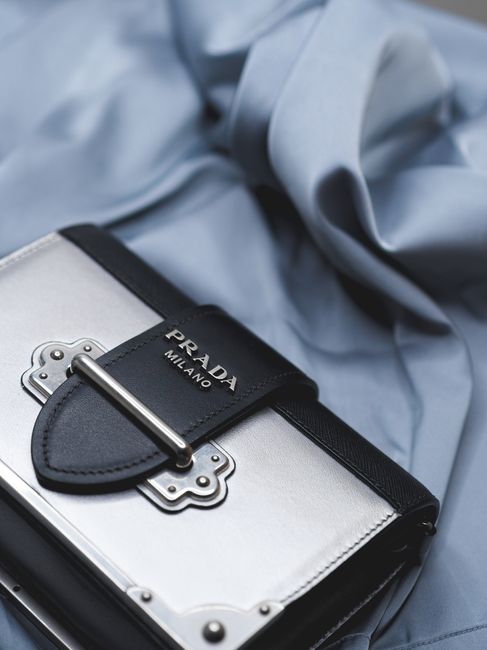
Prada’s Factory Floor: Unveiling the Craftsmanship Behind Iconic Luxury
The whispers of innovation and tradition converge on Prada’s factory floor, a meticulously orchestrated environment where raw materials transform into objects of desire. Far from the sterile, automated landscapes often associated with modern manufacturing, Prada’s ateliers are bastions of skilled artisanship, blending cutting-edge technology with time-honored techniques. Understanding the inner workings of these production hubs is crucial for appreciating the enduring allure and significant price point of Prada products. This article delves into the multifaceted operations within Prada’s factories, exploring the materials, the craftsmanship, the technology, and the ethical considerations that define the creation of their iconic fashion pieces.
At the heart of Prada’s manufacturing prowess lies an unwavering commitment to material excellence. The selection process is rigorous, beginning with the sourcing of the finest leathers, textiles, and hardware. For their renowned leather goods, this often means selecting supple calfskin, robust Saffiano leather, or exotic skins like crocodile and ostrich. The Saffiano, in particular, is a proprietary Prada innovation. Its distinctive crosshatch pattern, achieved through a specific wax treatment and heat pressing, imparts remarkable durability and scratch resistance, contributing to the longevity and iconic status of their handbags. The tanning and finishing processes for these leathers are undertaken with meticulous care, often involving proprietary techniques that enhance the material’s natural beauty and tactile qualities. Colors are developed in-house, ensuring unique and nuanced palettes that distinguish Prada from its competitors. For their ready-to-wear collections, Prada sources high-quality wools, silks, cottons, and innovative synthetic blends. The wool is often sourced from specific regions known for their superior fleece, while silks are chosen for their lustrous sheen and drape. Each bolt of fabric undergoes stringent quality control, checking for imperfections, color consistency, and structural integrity. The hardware – zippers, buckles, clasps, and decorative elements – is equally scrutinized. Often custom-designed and manufactured, these components are chosen for their weight, finish, and functionality, reflecting the brand’s attention to even the smallest detail.
The human element is paramount on Prada’s factory floor. The brand consciously invests in nurturing highly skilled artisans, many of whom possess generations of expertise passed down through families. These craftspeople are the custodians of Prada’s heritage. In the leather workshops, individuals specialize in distinct stages of production: cutting, stitching, assembling, and finishing. A single handbag may pass through the hands of dozens of artisans, each contributing their unique skill to its creation. The cutting of leather, for instance, is an art form. Patterns are meticulously placed to maximize material utilization while ensuring the grain and texture are aesthetically pleasing and structurally sound. Skilled cutters can identify and work with subtle variations in the hide, a testament to their deep understanding of the material. Stitching is equally critical. Prada often employs double stitching or specific decorative stitches that not only enhance durability but also serve as a subtle brand identifier. The tension of the thread, the spacing of the stitches, and the precision of the needlework are all executed with an almost surgical accuracy. Assembly involves the careful integration of various components, from lining the interior to attaching handles and hardware. This requires a deep understanding of how different materials interact and how to achieve a seamless, structurally sound final product. Finishing touches, such as edge painting, polishing, and the application of protective coatings, are often performed by hand, imparting a final layer of refinement.
While artisanal skill is revered, Prada is not resistant to embracing technological advancements that enhance precision, efficiency, and sustainability. The factory floor is a testament to this duality. Advanced laser-cutting machines are employed for precise pattern cutting, ensuring an unprecedented level of accuracy that surpasses manual methods for certain intricate designs. Computer-aided design (CAD) software is integral to the design and prototyping process, allowing for rapid iteration and optimization of patterns before they reach the production line. Automated sewing machines, integrated with sophisticated sensors, assist in specific repetitive tasks, ensuring consistent stitch quality and speed. However, these machines are not replacements for human skill but rather augment it. The "smart factory" concept is evident, with integrated systems that monitor production flow, inventory levels, and quality control parameters in real-time. This data-driven approach allows for proactive problem-solving and continuous improvement. For instance, sensors can detect minute variations in fabric tension or stitching consistency, alerting operators to potential issues before they impact a larger batch of products. The implementation of advanced machinery also contributes to waste reduction. Precise cutting minimizes material scrap, and optimized production processes reduce energy consumption. Furthermore, digital printing technologies are increasingly being explored for textile applications, offering greater design flexibility and potentially reducing the environmental impact associated with traditional dyeing methods.
Sustainability and ethical manufacturing are increasingly significant considerations within Prada’s production ecosystem. While the brand is not immune to the complexities of global supply chains, there is a discernible effort to integrate responsible practices. This begins with the sourcing of materials. Prada is increasingly prioritizing the use of recycled and bio-based materials, exploring alternatives to virgin plastics and conventional leather. Initiatives like the Re-Nylon project, which repurposes salvaged fishing nets, carpets, and other nylon waste into premium fabrics, exemplify this commitment. The brand is also investing in initiatives to improve the traceability of its supply chain, aiming to ensure that raw materials are sourced ethically and that environmental standards are met at every stage. This includes working with suppliers who adhere to fair labor practices and minimize their environmental footprint. Energy efficiency is a key focus within the factories, with investments in renewable energy sources and optimized machinery to reduce overall energy consumption. Water conservation is also a critical area, particularly in the tanning and dyeing processes, with the implementation of advanced water treatment and recycling systems. Waste management is approached with a circular economy mindset, seeking to minimize landfill waste and maximize the reuse or recycling of production byproducts. Furthermore, Prada is committed to ensuring fair labor practices and safe working conditions for all its employees and those within its supply chain. This involves regular audits and compliance with international labor standards.
The journey from raw material to finished product on Prada’s factory floor is a sophisticated symphony of human ingenuity and technological prowess. The meticulous selection of premium materials, the cultivation of highly skilled artisanal expertise, and the strategic integration of advanced manufacturing technologies converge to create pieces that embody luxury, durability, and distinctive aesthetic appeal. The brand’s growing emphasis on sustainability and ethical production further underscores a commitment to responsible manufacturing, addressing the evolving expectations of discerning consumers. Understanding the intricate processes that unfold within Prada’s production facilities offers a profound appreciation for the artistry, dedication, and innovation that underpins each coveted item, solidifying its position as a leader in the global luxury market. The brand’s ability to consistently deliver exceptional quality, while also navigating the complexities of modern manufacturing and sustainability, is a testament to its enduring legacy and its forward-looking vision. The factory floor, therefore, is not merely a place of production but a crucible where heritage, innovation, and responsibility are forged into the very fabric of Prada.

