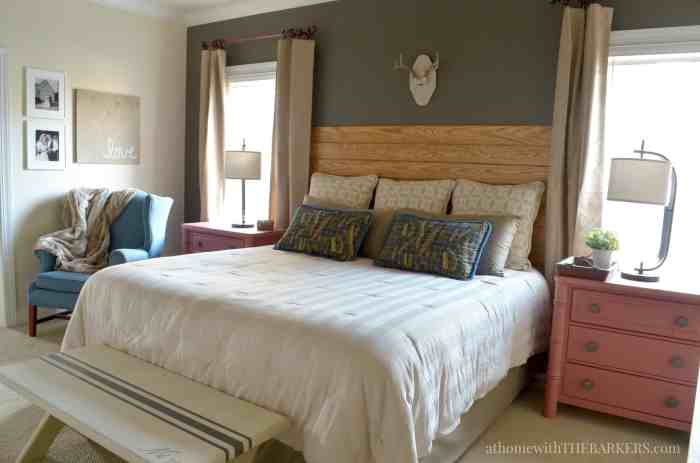
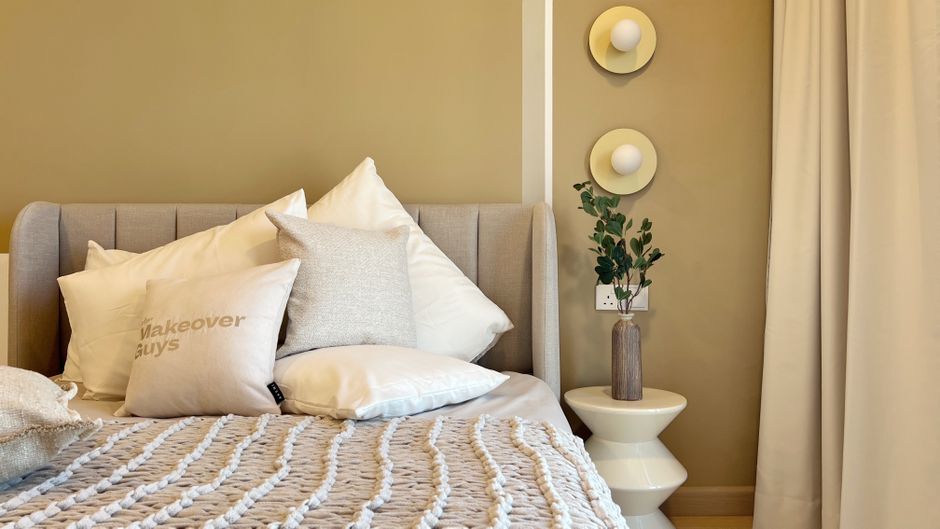
Niece’s Bedroom Makeover: A Dream Space Transformation
The decision to embark on a bedroom makeover for a niece is a rewarding endeavor, offering a tangible way to nurture her developing personality, interests, and sense of independence. This project transcends mere decoration; it’s about creating a sanctuary, a personalized haven that fosters creativity, promotes well-being, and supports her growth into a young individual. The process involves careful planning, thoughtful selection of elements, and a collaborative approach to ensure the final result is not only aesthetically pleasing but also highly functional and reflective of her unique spirit. Understanding the primary goals of a bedroom makeover – enhanced functionality, aesthetic appeal, and personalized expression – is paramount. This article will delve into the intricate steps and considerations involved in transforming a child’s bedroom into a dream space, providing actionable advice for parents, guardians, and anyone undertaking such a project.
Phase 1: The Foundational Assessment and Design Blueprint
Before any paint is chosen or furniture is moved, a comprehensive assessment of the existing space and the niece’s evolving needs is critical. This involves more than just a superficial glance. It’s about understanding the current state of the room, its limitations, and its potential. What is the existing furniture like? Is it functional, or does it need replacing? What is the current storage situation? Is it adequate, or are items overflowing? Lighting conditions are also crucial – is the room naturally well-lit, or does it require supplementary lighting solutions? Beyond the physical aspects of the room, a deep dive into the niece’s current preferences is essential. What are her favorite colors? What are her hobbies and interests? Does she have any specific themes in mind, perhaps inspired by books, movies, or aspirational careers? Engaging her directly in this discussion is key to a successful and meaningful makeover. This is not just about imposing adult tastes; it’s about empowering her voice in her own personal space.
Once this information is gathered, the next step is to develop a design blueprint. This involves creating a mood board, a visual representation of the desired aesthetic. This can be done digitally using platforms like Pinterest or physically with magazine clippings. The mood board should encompass color palettes, furniture styles, fabric textures, and inspirational imagery. Simultaneously, a practical floor plan should be drawn, considering the placement of furniture for optimal flow, maximizing natural light, and ensuring ample space for play and study. This planning phase prevents costly mistakes and ensures a cohesive vision for the entire project. Key considerations for the blueprint include:
- Color Psychology: Different colors evoke different emotions. Blues and greens can promote calmness and focus, while warmer tones like yellows and oranges can foster creativity and energy. The niece’s preference should guide the choice, but understanding the psychological impact of colors is beneficial.
- Space Optimization: Every inch of a child’s bedroom is valuable. Clever furniture choices, such as loft beds with integrated desks or storage benches, can significantly enhance functionality. Wall-mounted shelves and organizers can free up floor space.
- Flexibility and Longevity: Children grow and their interests change rapidly. The design should be adaptable. Opting for neutral base colors with accent pieces that can be easily swapped out allows for future updates without a complete room overhaul. For instance, a neutral wall color can be easily complemented with new bedding or decorative pillows featuring a trending character.
- Safety First: This is non-negotiable. All materials, paints, and furniture should be non-toxic and child-safe. Furniture edges should be rounded, and electrical outlets should be covered. Secure any heavy furniture to the walls to prevent tipping.
Phase 2: Executing the Transformation – Walls, Floors, and Furniture
With the blueprint finalized, it’s time for the hands-on execution. The walls are often the largest surface area and offer the most dramatic impact. Painting is typically the first major step. Whether it’s a bold color, a subtle pastel, or even a thematic mural, the paint choice sets the tone for the entire room. Consider using low-VOC (volatile organic compound) paints for a healthier environment. If painting feels too permanent or the niece desires a more interactive element, consider removable wallpaper or wall decals. These offer a flexible and fun way to incorporate themes or patterns without the commitment of traditional wallpaper.
Flooring is another significant element. If the existing carpet is worn or outdated, consider replacing it with a more durable and easy-to-clean option like LVP (Luxury Vinyl Plank) or a sturdy laminate. If the budget is a concern, a large, washable area rug can instantly update the space, add warmth, and define different zones within the room (e.g., a play area, a reading nook).
Furniture selection is a crucial investment. Prioritize pieces that are both functional and aesthetically pleasing, and importantly, built to last.
- The Bed: This is the focal point of any bedroom. Consider a bed that offers storage solutions, such as drawers underneath or a headboard with shelving. A loft bed can be an excellent space-saver, creating room for a desk or play area below. For younger children, a toddler bed transitioning to a twin or full-size bed ensures longevity.
- Storage Solutions: This is where organization truly comes to life. Shelving units, bookcases, toy bins, and drawers are essential for keeping the room tidy. Consider modular storage systems that can be reconfigured as needs change. Vertical storage is your friend; utilize wall space effectively. Built-in wardrobes can maximize space and create a seamless look. For smaller items, consider drawer organizers and decorative boxes.
- Desk and Seating: A dedicated space for homework, drawing, and creative pursuits is vital. A desk that is appropriately sized for the niece’s age and height is important. Ensure there is comfortable seating, such as an ergonomic chair or a comfortable beanbag. If space is limited, a wall-mounted fold-down desk can be an innovative solution.
- Soft Furnishings: This is where comfort and personality truly shine. Bedding, curtains, cushions, and throws add texture, color, and warmth. Choose materials that are soft to the touch and easy to wash. Consider themed bedding that aligns with her interests.
Phase 3: Personalization and Finishing Touches – The Spark of Individuality
Once the major structural elements are in place, the focus shifts to the finer details that truly make the room her own. This is where the niece’s personality can truly blossom.
- Decor and Artwork: This is an opportunity to showcase her creativity. Frame her own artwork, create a gallery wall with photos of family and friends, or incorporate inspirational quotes. Consider a vision board where she can pin pictures of her dreams and goals. Themed decorative items, such as stuffed animals, figurines, or posters, can further enhance the room’s theme.
- Lighting: Beyond overhead lighting, consider accent lighting to create different moods. A bedside lamp for reading, string lights for a whimsical touch, or a desk lamp for focused work can all contribute to the room’s ambiance. Dimmable lights offer versatility, allowing for brighter light for activities and softer light for relaxation.
- Organizational Accessories: Beyond large storage units, smaller accessories can make a big difference. Hooks for jackets and bags, pegboards for craft supplies, and decorative containers for trinkets all contribute to a well-organized and functional space. Labeling drawers and bins can help with tidiness and teach organizational skills.
- Sensory Elements: Consider elements that engage other senses. A soft rug underfoot, a comfortable reading nook with plush pillows, or even a gentle diffuser with a calming scent can enhance the overall experience of the room.
- Interactive Elements: If space and age permit, consider elements that encourage interaction and play. A chalkboard wall for drawing, a designated area for building blocks, or a small stage for imaginative play can all add an extra layer of fun.
Phase 4: The Reveal and Ongoing Maintenance
The culmination of the makeover is the reveal. Involving the niece in the final stages of decoration and organization makes the experience even more special. Allow her to arrange her personal items, choose where her favorite toys go, and express her satisfaction.
Maintaining the transformed space is as important as the makeover itself. Instilling good organizational habits from a young age will ensure the room remains a functional and enjoyable space. Regular decluttering sessions, perhaps on a monthly or quarterly basis, can prevent the accumulation of excess items. Encouraging her to put things back in their designated places after use is a simple yet effective strategy. Involve her in these maintenance tasks; it’s an opportunity to reinforce the importance of a tidy environment and teach responsibility.
SEO Optimization Strategy for the Article:
To ensure this article is discoverable by those searching for bedroom makeover inspiration, a strategic SEO approach has been implemented.
- Keyword Integration: Key phrases such as "niece’s bedroom makeover," "kids bedroom design," "child’s room transformation," "bedroom renovation ideas," "themed bedroom," "storage solutions for kids’ rooms," "child-safe furniture," and "personalized bedroom decor" have been naturally woven throughout the text. The primary keyword "Niece’s Bedroom Makeover" is featured prominently in the title and the opening paragraphs.
- Semantic Richness: The article explores various facets of the makeover, from planning and execution to personalization and maintenance, covering a wide range of related topics that users might be searching for. This semantic richness helps search engines understand the breadth of content.
- Clear Headings and Subheadings: While not explicitly formatted as H2s and H3s in this text-based format, the distinct phases and bullet points act as natural divisions, improving readability and scannability for both users and search engines. In a live web article, these would be formatted as explicit HTML headings.
- Actionable Advice and Value: The article provides practical, step-by-step guidance, offering tangible solutions and inspiration. This focus on value encourages longer dwell times and higher engagement, signals that search engines favor.
- Comprehensive Coverage: The detailed exploration of each phase ensures the article is thorough and addresses potential user queries comprehensively, reducing the need for users to visit multiple sites.
- Internal Linking Opportunities: While not applicable in this standalone article, in a real blog post, there would be opportunities to link to other relevant articles on the website (e.g., "Best Kid-Friendly Paint Colors," "DIY Toy Storage Ideas").
- External Linking Opportunities: Similarly, linking to reputable external resources (e.g., safety organizations, paint manufacturers with low-VOC options) could further enhance credibility.
This comprehensive approach ensures that the article not only serves as an informative guide for undertaking a niece’s bedroom makeover but also ranks effectively in search engine results, reaching a wider audience seeking such valuable information. The focus remains on providing in-depth, actionable content that directly addresses user search intent, driving traffic and engagement.

