The modern tourism landscape has undergone a significant paradigm shift, particularly as post-pandemic travelers increasingly prioritize seamless logistics, high-end comfort, and curated experiential travel over traditional DIY itineraries. This evolution is especially pronounced in geographically challenging destinations like New Zealand’s South Island, where vast distances, rugged terrain, and left-hand driving requirements often deter international visitors. Addressing this friction point, local operators have introduced ultra-premium transit and touring models designed to elevate the standard day-excursion experience. A prime example of this trend is the Milford Sound Business Class tour, a joint operation launched in late 2025 by regional tourism heavyweight RealNZ in collaboration with Altitude Tours. Combining executive-level ground transportation with high-gastronomy fjord cruises, this 12-hour itinerary redefines what travelers can expect from a regional day trip.
Logistical Challenges and the Rise of Curated Itineraries
Navigating New Zealand’s South Island presents unique challenges for overseas tourists. While the region boasts spectacular scenery—ranging from the glacial expanses of the Southern Alps to the deep fjords of Fiordland National Park—the points of interest are geographically dispersed and connected by winding, narrow mountain corridors. For visitors unaccustomed to driving on the left side of the road, self-driving can induce significant anxiety, detracting from the natural beauty of the journey.
To mitigate these hurdles, a growing segment of travelers relies on aggregated booking platforms such as GetYourGuide to stitch together complex regional itineraries. This approach allows travelers to access expert local guidance, pre-vetted transport, and skip-the-line access without the administrative burden of planning individual components. The integration of high-end product tiers into these platforms—such as the Business Class Milford Sound tour—reflects a broader consumer demand for luxury integration in adventure-heavy destinations. Priced starting at approximately $383 per person, the tour targets travelers willing to pay a premium for hassle-free, elevated logistics.
Anatomy of a Luxury Ground Transit Experience

The journey begins early in Queenstown, where guests board a customized 14-seat Mercedes-Benz Sprinter van featuring a panoramic glass roof designed to maximize views of the changing landscape. Unlike standard coach tours, the "business class" designation manifests in tangible amenities from the moment of boarding. Each passenger is provided with a dedicated black leather seat outfitted with a gray lambswool blanket, a plush green pillow, and a complementary bottled shot of Manuka ginger and Vitamin C juice.
The 12-hour itinerary incorporates structured stops designed to break up the five-hour drive in each direction while providing historical and ecological context. An initial comfort stop in the rural settlement of Garston is followed by a designated lounge experience in the lakeside town of Te Anau. Here, passengers are greeted with pre-ordered coffee served in personalized, reusable covered mugs accompanied by artisanal pastries.
Throughout the overland transit, an expert guide delivers comprehensive commentary covering the geological formation of Fiordland, its delicate ecosystems, and its deep-rooted Indigenous Māori connections. For connectivity during downtime, the vehicle is equipped with Starlink satellite Wi-Fi, ensuring seamless communication channels even within remote alpine valleys.
Chronology of the Overland Route to Fiordland
The transit route from Te Anau into Fiordland National Park—a core component of Te Wahipounamou, a designated UNESCO World Heritage site—offers a sequential display of New Zealand’s diverse geomorphology.
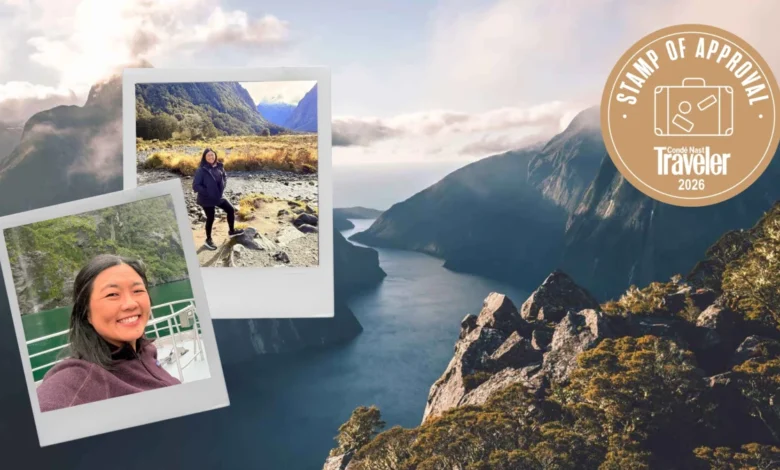
Entering the park, the landscape transitions rapidly as dense temperate rainforest envelops the roadway. The first major scenic stop is the Eglinton Valley, a sweeping, glacier-carved flat where vast expanses of golden tussock grass contrast sharply against rising triangular mountain peaks. This is followed by brief, highly coordinated stops at the Mirror Lakes, where the Earl Mountains reflect flawlessly upon the glassy water surface, and Falls Creek, which features a rugged cascade feeding a vibrant teal alpine pond.

At Monkey Creek, travelers frequently encounter kea, recognized as the world’s only alpine parrot species, noted for their high intelligence and inquisitive behavior. The ground journey culminates in the transit of the Homer Tunnel—a historic engineering feat boring less than a mile through the solid granite of the Darran Mountain range. Emerging from the tunnel into the Cleddau Valley, the descent toward Milford Sound reveals dramatic shifts in scale, highlighting geographic landmarks such as Mount Tātuko, Fiordland’s highest peak.
High-Gastronomy on the Water: The MV Sinbad Cruise
Upon arrival at the Milford Sound Visitor Terminal, guests transition from the Mercedes Sprinter to the MV Sinbad for a two-hour cruise through the fjord, known to the Indigenous Māori as Piopiotahi and frequently described in travel literature as the "eighth wonder of the world."
The maritime component elevates the luxury framework further. Passengers entering the vessel’s premium cabin are welcomed with a glass of regional Cloudy Bay wine and seated at custom bean-shaped wooden tables flanked by swivel chairs and upholstered sofas. Floor-to-ceiling windows and overhead glass panels ensure unobstructed views of the sheer granite cliffs and plunging waterfalls.
Culinary curation forms a central pillar of the experience. Developed by chef Tom Hishon, a five-course tasting menu highlights indigenous and locally sourced ingredients. The meal commences with a seeded sourdough bun served with whipped kelp butter, followed by a warming Fiordland wapiti (deer) bone broth soup. The middle course comprises an artfully presented trio of bite-sized dishes: paua (sea snail) with black garlic, a savory fried ball featuring titi (muttonbird), and delicate roe harvested from Mount Cook salmon. The penultimate savory course features wapiti tartare accompanied by artisanal potato crisps and smoked eel, concluding with a dessert playing on the cultural motif of New Zealand’s famous flat white coffee.
Ecological Wonders and Marine Life of Piopiotahi

While dining, the vessel’s captain provides navigational commentary, guiding the ship directly beneath the spray of towering waterfalls including Lady Bowen Falls (531 feet), Stirling Falls (508 feet), and the massive Sutherland Falls (1,904 feet). Despite the immense scale of these glacial features, the atmosphere within the fjord remains remarkably tranquil.
The marine ecosystem of Milford Sound is equally dynamic. The fjord’s unique stratification—characterized by a dark layer of fresh rainwater resting atop denser saltwater—supports diverse marine life that often thrives in deeper waters near the surface. During the cruise, passengers routinely spot bottlenose dolphins, Fiordland crested penguins, and New Zealand fur seals lounging on Seal Rock. Humpback whales also occasionally visit the outer reaches of the sound.
Return Transit and Alternative Booking Configurations
The return leg of the journey mirrors the outward trip’s commitment to comfort. Upon reboarding the Mercedes Sprinter, passengers find artisanal snacks waiting at their seats, including Marlborough Sea Salt Proper Crisps and blocks of Whittaker’s chocolate, accompanied by refreshing hand towels. The extended hours in transit pass unobtrusively, aided by the comfortable seating and quiet cabin environment.
For travelers seeking alternative logistics, RealNZ and partner operators offer flexible configurations. Options include departures originating from Te Anau rather than Queenstown, self-drive packages for those comfortable navigating regional roads, and the choice to upgrade the return journey to a 45-minute fixed-wing scenic flight, subject to favorable weather conditions. For deeply immersive travel, multi-day overnight cruises through the fjord are also available, featuring private cabins or shared bunk accommodations.
Broader Industry Implications and Economic Impact

The introduction of business-class overland and maritime tours in Fiordland signals an important shift in regional tourism strategies. As destinations grapple with the dual pressures of managing visitor volume and maximizing economic yield per tourist, high-end niche products offer a viable solution. By bundling premium transportation, localized gastronomy, and expert interpretation into a single-day package, operators can attract high-spending travelers who might otherwise bypass regional centers due to logistical friction.
Furthermore, these partnerships between established tourism providers like RealNZ and agile transport companies like Altitude Tours demonstrate the viability of collaborative models in post-pandemic tourism recovery. By prioritizing comfort, cultural education, and environmental stewardship, such initiatives set a new benchmark for sustainable, high-value experiential travel in remote natural reserves globally.